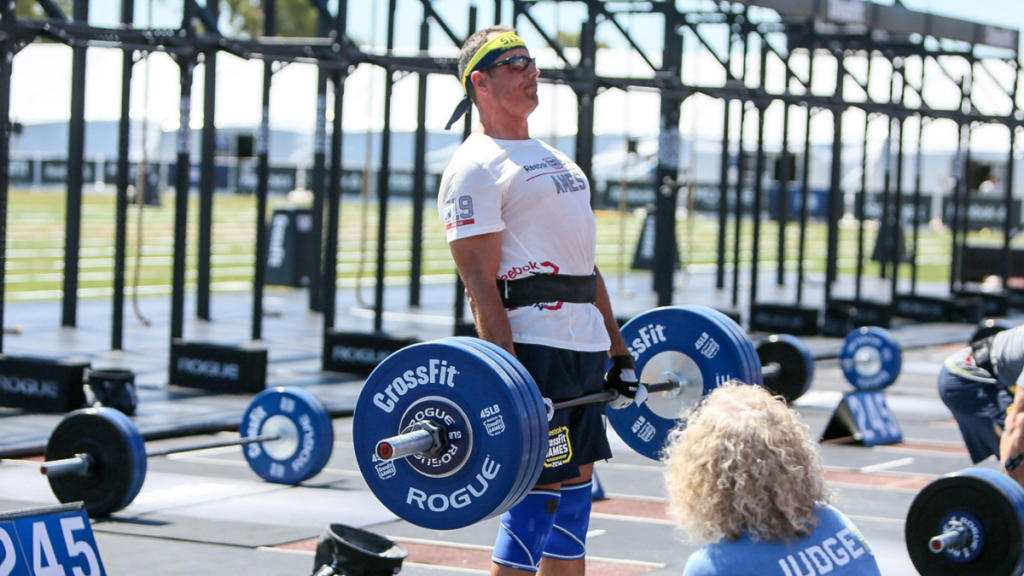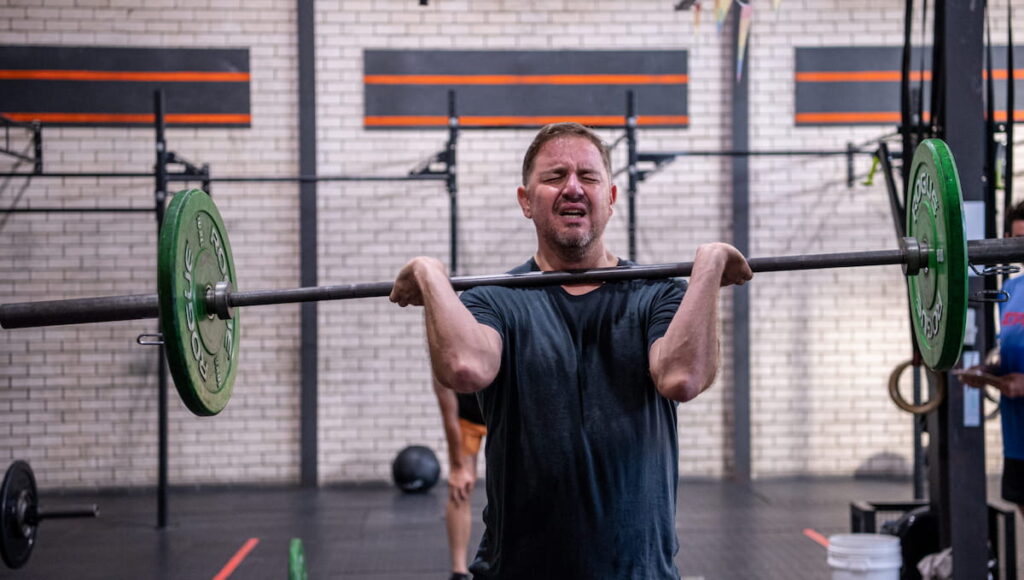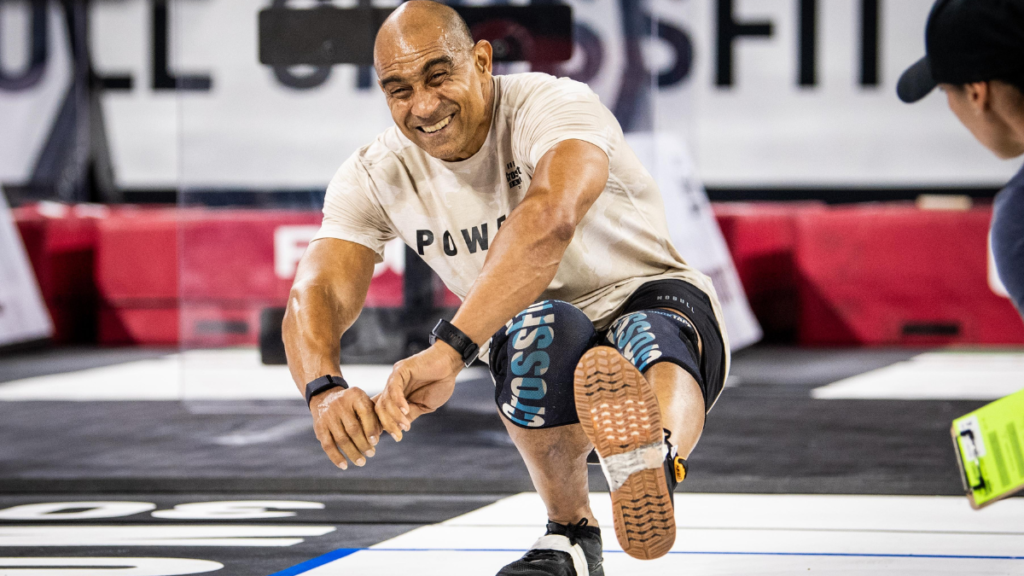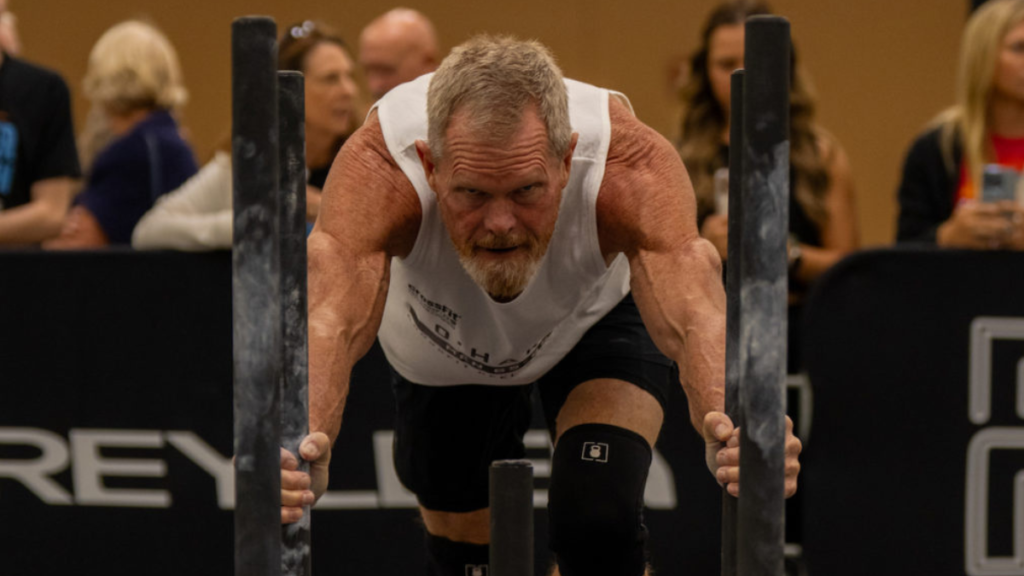


As athletes move into their late 30s and beyond, the question of how often to train is often tied to one concern: recovery.
In a recent YouTube breakdown, Exercise Physiologist Gommaar D’Hulst of WOD-Science shared the results of the MASTERS 1.0 study, an 11 week investigation into whether training frequency affects CrossFit performance in athletes aged 35 and older.


The answer was straightforward.
“Does training more often actually make you fitter?” D’Hulst asked. After analyzing the data, the conclusion was that training frequency alone did not produce better results when total training load was matched.

A Study Built Around Recovery
The study recruited experienced CrossFit and HYROX athletes aged 35 and above. One group trained six times per week, while the other trained three times per week. Both groups completed exactly the same total workload over the course of the program.
The six day group performed shorter sessions of roughly 45 to 50 minutes. The three day group completed longer workouts lasting around 90 to 100 minutes.
After 11 weeks, both groups improved by about 6 to 6.5 percent across multiple performance markers, including strength, mixed modality workouts, sprint capacity, and endurance.
“There were no differences between the groups,” D’Hulst explained.
Performance Improved Across the Board
Participants were tested using a broad range of assessments, including one rep max strength tests, rowing and burpee workouts, pull-ups, and WOD-Science’s functional ramp test.
Recovery was monitored weekly using the Hooper questionnaire, which tracks fatigue, sleep, soreness, and mental readiness.
Interestingly, recovery scores improved over time in both groups, even as training load gradually increased.
What This Means for Masters Athletes
The key takeaway is that consistency and appropriate load management appear to matter more than how many days per week an athlete trains.
“The most important thing for long term improvement in fitness seems not to be your training frequency,” D’Hulst said, “but how well rounded your training plan is and whether you are able to recover from the progressive overload.”
For busy athletes balancing work and family, that is an encouraging message.
If the total workload is managed correctly, training three days per week may be just as effective as training six.
Watch the full breakdown from WOD-Science here: Does Training More Often Actually Make You Fitter? (11-Week Study).
About the Author
Jeremiah Oliva

Jeremiah Oliva is a writer passionate about fitness, sports, and active living. He has experience in songwriting and managing content and social media for online radio and magazine platforms.
He covers HYROX, CrossFit®, and competitive fitness, with a focus on performance, mindset, and athlete development.
Outside of writing, Jeremiah trains in boxing, cycles, explores the outdoors with his kids, and plays the guitar.