

Training after 40 is not about slowing down. It is about training smarter. Strength, muscle mass, bone density, and metabolic health all become more important with age, not less. At the same time, recovery capacity changes, joint health becomes a priority, and time efficiency often matters more than ever.
One of the most common questions people ask is whether full body training or split workouts are better in this stage of life. The answer is not as simple as choosing one over the other. Both approaches can work extremely well, but they serve different purposes and suit different lifestyles, recovery capacities, and training histories.


This article breaks down the science behind both methods and explains exactly how to choose the right approach after 40.
What Changes After 40 That Affect Training?
Before comparing training styles, it is important to understand what actually changes in the body.
Muscle Loss and Sarcopenia
From around age 30 to 40 onward, people begin to lose muscle mass gradually, a process known as sarcopenia. Without resistance training, this loss accelerates with age. Studies show that individuals can lose up to 3 to 8 percent of muscle mass per decade, with the rate increasing after 50.
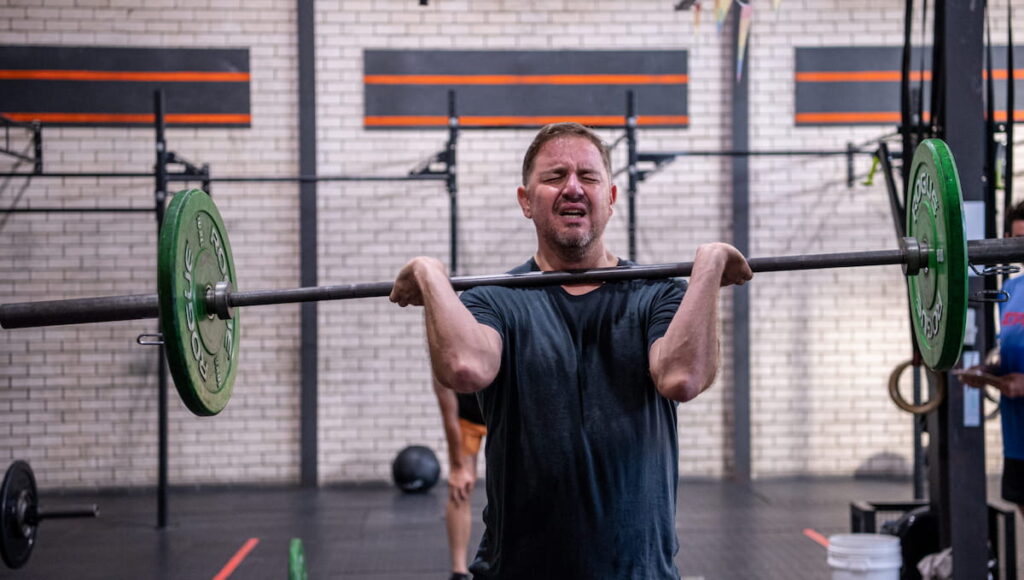
Resistance training is the most effective intervention to slow or reverse this process. It stimulates muscle protein synthesis and preserves functional strength.
Hormonal Shifts
Testosterone, growth hormone, and insulin sensitivity all decline with age. These changes can reduce muscle building potential and increase fat storage. However, resistance training has been shown to improve hormonal profiles and insulin sensitivity even in older adults.
Recovery Capacity
Recovery becomes slightly slower with age due to reduced anabolic signaling and increased inflammation. This does not mean you cannot train hard. It means recovery strategies, sleep, and program design become more important.
Joint and Connective Tissue Health
Tendons and ligaments lose elasticity over time. This can increase injury risk if training is not structured properly. Controlled volume, proper technique, and exercise selection matter more than ever.
Neuromuscular Efficiency
Strength is not just about muscle. It is also about how efficiently your nervous system recruits muscle fibers. This can decline with age but responds very well to resistance training.
What Is Full Body Training?
Full body training involves working all major muscle groups in a single session. These workouts are typically performed two to four times per week.
Typical Structure
A full body workout often includes:
- One lower body movement such as squats or lunges
- One hip hinge movement such as deadlifts or hip thrusts
- One push exercise such as bench press or push ups
- One pull exercise such as rows or pull ups
- Core work
- Optional accessory movements
Example Weekly Split
- Monday: Full body
- Wednesday: Full body
- Friday: Full body
Each muscle group is trained multiple times per week with moderate volume per session.
What Are Split Workouts?
Split workouts divide training sessions by muscle groups or movement patterns. Each session focuses on a smaller number of muscles.
Common Split Types
- Upper and lower split
- Push pull legs
- Body part splits such as chest day, back day, leg day
Example Weekly Split
- Monday: Upper body
- Tuesday: Lower body
- Thursday: Upper body
- Friday: Lower body
Or:
- Monday: Chest and triceps
- Tuesday: Back and biceps
- Wednesday: Legs
Split workouts usually allow higher volume per muscle group in a single session but lower frequency across the week.
Training Frequency and Muscle Growth
One of the most important factors in choosing between full body and split training is frequency.

Research shows that training a muscle group at least twice per week is generally more effective for muscle growth than once per week when total volume is matched. Full body training naturally increases frequency. Each muscle is stimulated multiple times per week, which supports consistent muscle protein synthesis.
Split workouts can also achieve this frequency, but only if designed correctly. Many traditional bodybuilding splits only train each muscle once per week, which may not be optimal for natural lifters, especially after 40.
Volume and Recovery
Total weekly volume is a key driver of muscle growth. However, how that volume is distributed matters.
Full Body Training and Volume
Full body workouts distribute volume across multiple sessions. This can reduce fatigue per session and improve performance on each exercise.
For example, instead of doing 12 sets of chest in one session, you might do 4 sets across three sessions. This approach can be easier on joints and connective tissue.
Split Training and Volume
Split workouts concentrate volume into fewer sessions. This allows for more focused training and higher local fatigue in a specific muscle group.
This can be useful for advanced lifters who need higher volume to stimulate growth. However, it can also increase soreness and recovery demands.
Strength Gains and Neuromuscular Adaptation
Strength gains are influenced by both muscle size and neural adaptations. Full body training tends to improve strength faster in beginners and intermediate lifters because it allows for more frequent practice of key movements like squats and presses.
Repeated exposure to the same movements improves technique and motor learning. Split workouts can still build strength effectively, but they often reduce practice frequency for each lift unless carefully structured.
Recovery After 40
Recovery is often the deciding factor.
Why Full Body Training Can Be Easier to Recover From
- Lower volume per muscle group per session
- Reduced localized fatigue
- More consistent but manageable stimulus
This makes it ideal for individuals who may not recover well from high volume sessions.
When Split Training Works Well
Split training can be effective if:
- You have good recovery habits such as sleep and nutrition
- You can manage training intensity carefully
- You prefer shorter, more focused sessions
However, doing extremely high volume sessions for a single muscle group may increase joint stress and soreness.
Time Efficiency
For many people over 40, time is a major constraint. Full body training is highly time efficient. Three sessions per week can provide excellent results.
Split training often requires more training days to achieve similar frequency and volume. If you can only train three times per week, full body training is usually the better option.
Joint Health and Injury Risk
Joint health becomes increasingly important with age. Full body training tends to distribute stress more evenly across the week. This can reduce overuse injuries. Split training, especially high volume sessions, can place significant stress on specific joints in a single session.
For example, a heavy chest day with multiple pressing exercises can strain the shoulders and elbows. Balanced programming and proper exercise selection are essential in both approaches.
Metabolic Health and Fat Loss
Resistance training improves metabolic health by increasing muscle mass and insulin sensitivity. Full body training may have an advantage for fat loss because it involves more muscle mass per session, which can increase energy expenditure.
However, total calorie balance remains the most important factor. Both training styles can support fat loss if combined with proper nutrition.
Scientific Comparison of Full Body vs Split Training
Research comparing full body and split routines shows that when total weekly volume is equal, both approaches can produce similar muscle growth.
However, frequency and adherence often favor full body training, especially for non professional athletes.
Studies have shown that:
- Higher frequency training can enhance muscle protein synthesis
- Spreading volume across sessions can improve performance
- Older adults respond well to moderate frequency resistance training
The key takeaway is that total volume and consistency matter more than the specific split.
Practical Recommendations for Over 40
When to Choose Full Body Training
Full body training is ideal if:
- You are short on time
- You train three or fewer days per week
- You want to prioritize joint health
- You are returning after a break
- You are a beginner or intermediate lifter
When to Choose Split Training
Split training is a good option if:
- You can train four or more days per week
- You have specific muscle groups you want to improve
- You enjoy focused sessions
- You recover well from higher volume
Hybrid Approach
Many people benefit from a hybrid approach, such as upper and lower splits. This combines the advantages of both methods.
For example:
- Day 1: Upper body
- Day 2: Lower body
- Day 3: Rest
- Day 4: Upper body
- Day 5: Lower body
This provides good frequency and manageable volume.

Sample Programs
Full Body Program Example
Perform three times per week.
- Squat: 3 sets
- Bench press: 3 sets
- Row: 3 sets
- Romanian deadlift: 2 sets
- Overhead press: 2 sets
- Core work
Upper Lower Split Example
Perform four times per week.
Upper body:
- Bench press
- Row
- Shoulder press
- Pull ups
- Arm work
Lower body:
- Squat
- Deadlift
- Lunges
- Leg curl
- Calf raises
Key Programming Principles After 40
Regardless of training style, certain principles matter most.
Progressive Overload
You must gradually increase resistance, repetitions, or volume to continue making progress.
Recovery
Sleep, nutrition, and stress management are essential. Aim for at least seven hours of sleep per night.
Protein Intake
Adequate protein supports muscle maintenance and growth. Older adults may require slightly higher protein intake per kilogram of body weight.
Movement Quality
Proper technique reduces injury risk and improves effectiveness.
Consistency
The best program is the one you can stick to long term.
Common Mistakes
- Training too hard without adequate recovery
- Ignoring mobility and warm up
- Using outdated low frequency bodybuilding splits
- Not adjusting volume with age
- Skipping strength training entirely
Final Verdict
There is no single best training split for everyone after 40. Full body training is often the most practical and effective choice for many people due to its efficiency, frequency, and recovery benefits.
Split training can work just as well when designed properly, especially for those with more time and training experience. The most important factors are total volume, frequency, recovery, and consistency. If you focus on these, both approaches can deliver excellent results.
Key Takeaways
| Factor | Full Body Training | Split Workouts |
|---|---|---|
| Frequency | High | Moderate unless planned carefully |
| Time Efficiency | Excellent | Moderate |
| Recovery Demand | Lower per session | Higher per session |
| Joint Stress | More evenly distributed | Can be concentrated |
| Strength Gains | Strong for most people | Strong if structured well |
| Best For | Busy schedules and general fitness | Advanced lifters and focused goals |
| Flexibility | High | Moderate |
| Ideal Weekly Sessions | 2 to 4 | 4 to 6 |
References
- American College of Sports Medicine (2009). Progression models in resistance training for healthy adults. Medicine and Science in Sports and Exercise, 41(3), pp.687–708.
- Candow, D.G. and Chilibeck, P.D. (2005). Differences in size, strength, and power of upper and lower body muscle groups in young and older men. Journal of Gerontology, 60(2), pp.148–156.
- Grgic, J., Schoenfeld, B.J., Davies, T.B., Lazinica, B., Krieger, J.W. and Pedisic, Z. (2018). Effect of resistance training frequency on gains in muscular strength. Sports Medicine, 48(5), pp.1207–1220.
- McLeod, J.C., Stokes, T. and Phillips, S.M. (2016). Resistance exercise training as a primary countermeasure to age related chronic disease. Frontiers in Physiology, 7, p.378.
- Morton, R.W., Murphy, K.T., McKellar, S.R. et al. (2018). A systematic review of protein supplementation on resistance training induced gains. British Journal of Sports Medicine, 52(6), pp.376–384.
- Peterson, M.D., Sen, A. and Gordon, P.M. (2011). Influence of resistance exercise on lean body mass in aging adults. Medicine and Science in Sports and Exercise, 43(2), pp.249–258.
- Schoenfeld, B.J., Ogborn, D. and Krieger, J.W. (2016). Effects of resistance training frequency on muscle hypertrophy. Sports Medicine, 46(11), pp.1689–1697.
- Stec, M.J., Thalacker Mercer, A.E., Mayhew, D.L. et al. (2017). Randomized controlled trial of resistance training in older adults. Journal of Applied Physiology, 122(3), pp.723–732.
- Westcott, W.L. (2012). Resistance training is medicine. Current Sports Medicine Reports, 11(4), pp.209–216.