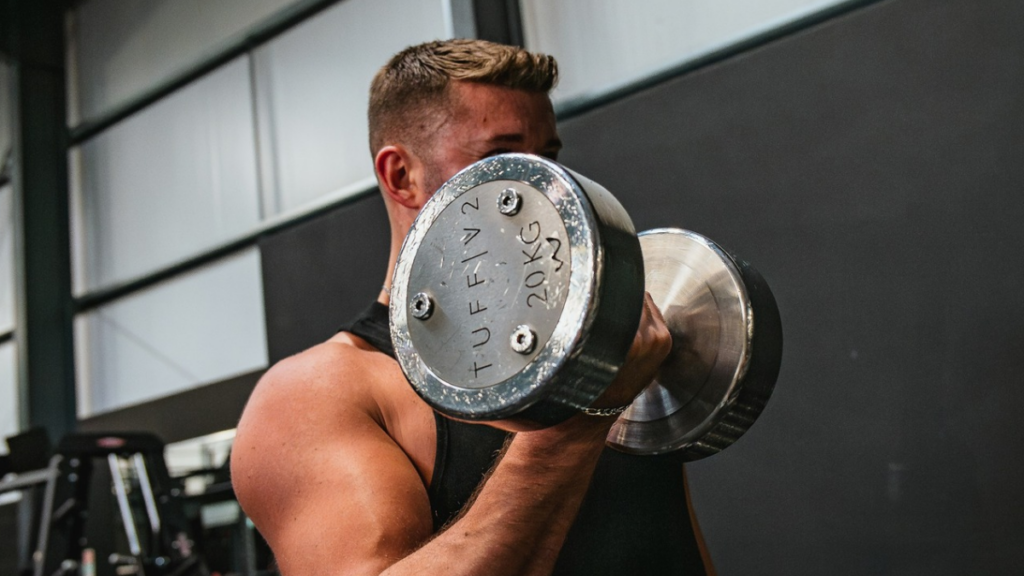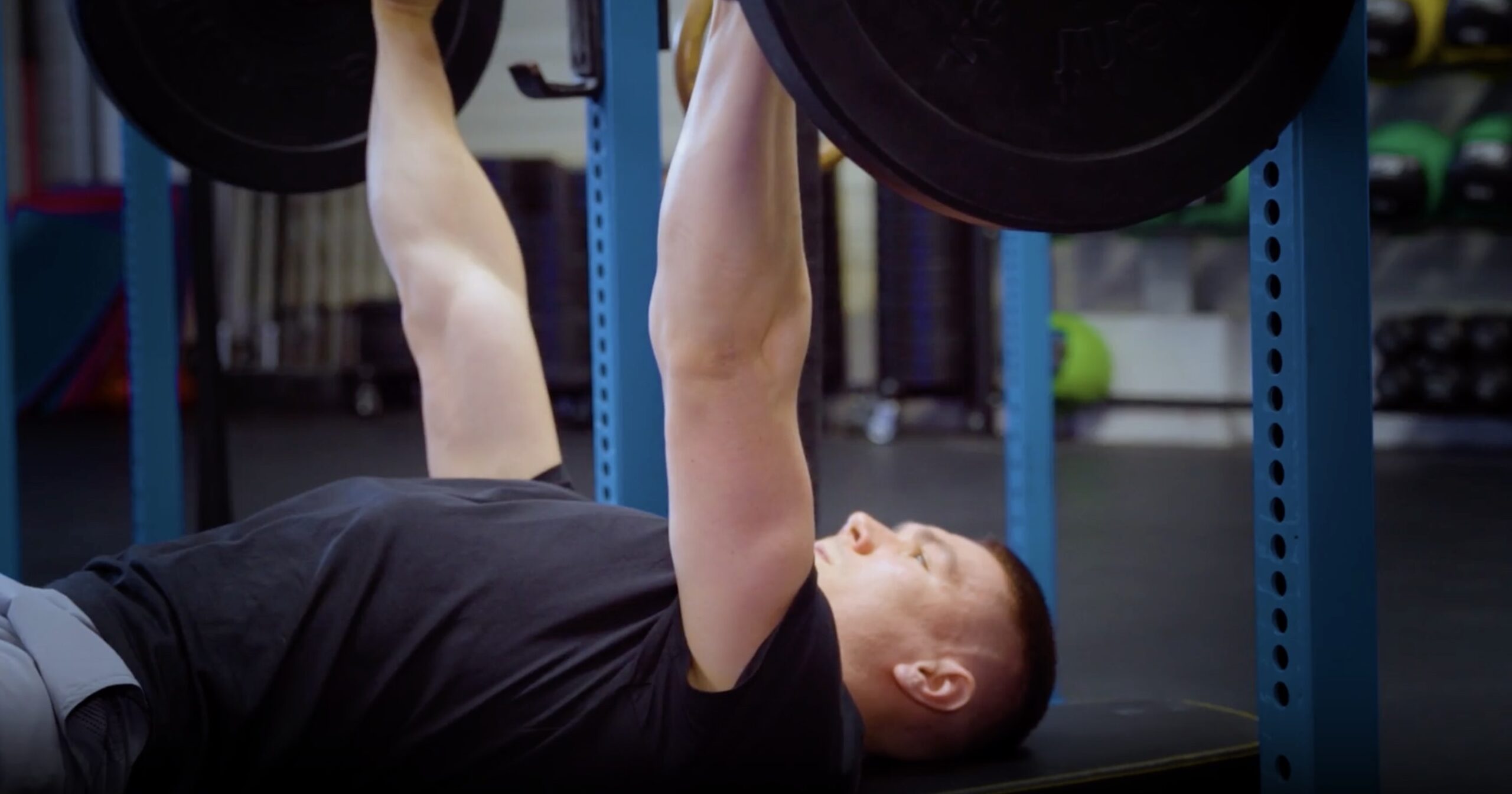


The 100kg bench press, or 225 pounds, is one of the most recognized strength milestones in the gym. For decades, it has served as a benchmark for recreational lifters, athletes, and strength enthusiasts. Walk into almost any commercial gym and you’ll hear people talking about reaching a two plate bench press, referring to two 20kg plates on each side of a standard Olympic barbell.
But how impressive is a 100kg bench press really? What percentage of men can actually achieve it?


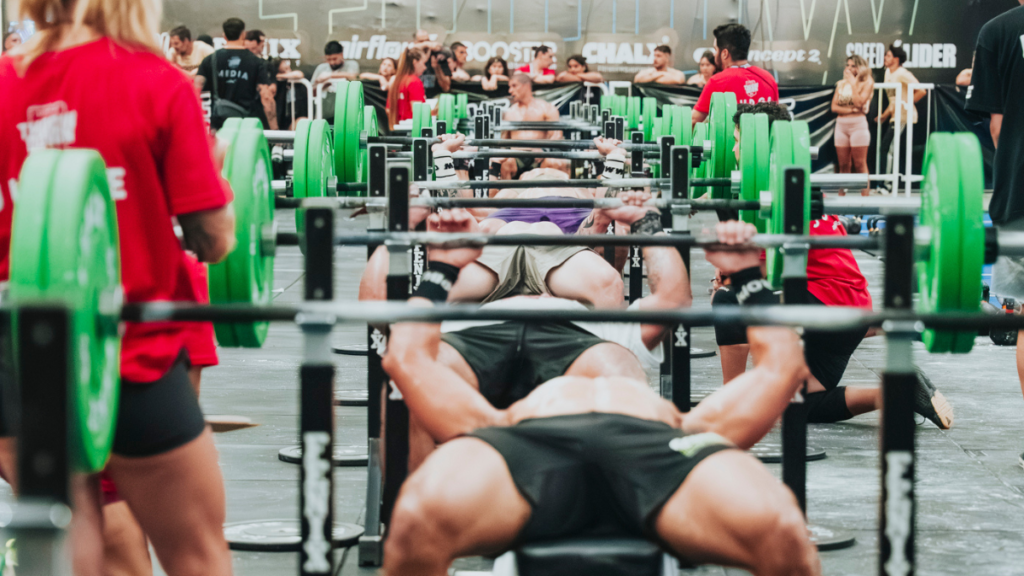
The answer is more complicated than many people think. While the lift is common among experienced lifters, it is far less common among the general population. Scientific research on physical activity, strength training, and muscular fitness helps provide valuable context.
Why the 100kg Bench Press Is a Meaningful Milestone
The bench press is one of the most widely used measures of upper body strength. It primarily trains the chest, shoulders, and triceps while also requiring stability and coordination from supporting muscle groups.
Unlike machine exercises, the barbell bench press allows substantial loading and provides a practical way to measure strength progression over time. Most people cannot walk into a gym and bench press 100kg without prior training. Reaching the milestone usually requires months or years of dedicated effort.
The Average Man Is Not as Strong as Social Media Suggests
One reason people underestimate the difficulty of a 100kg bench press is that they spend time around fitness content. Social media creates the impression that lifting heavy weights is normal. In reality, most adults do not train regularly with weights.
According to the World Health Organization, a significant proportion of adults worldwide fail to meet recommended physical activity guidelines. Data from the United States also show that only a minority of adults regularly perform muscle strengthening activities at recommended levels.

This matters because strength is highly specific. Someone who does not regularly train with resistance exercises is unlikely to develop the muscular adaptations required to bench press 100kg. Many adult men would struggle to bench press their own body weight, especially if they have never followed a structured strength training program.
What Percentage of Men Can Bench Press 100kg?
This is where things become interesting. Despite the popularity of the benchmark, there is currently no large scale scientific study that directly measures the percentage of men capable of bench pressing 100kg. Any answer therefore relies on indirect evidence, including:
• Physical activity participation rates
• Resistance training prevalence
• Population strength levels
• Established strength standards
Based on these factors, a reasonable estimate is that fewer than 5 percent of adult men can bench press 100kg with proper technique. Some coaches and analysts believe the figure may be closer to 1 to 3 percent when considering the entire adult male population, including older adults and individuals who never engage in resistance training. However, this estimate cannot be directly verified through existing research.
What can be stated with confidence is that a 100kg bench press places a man well above average in upper body strength compared with the general population.
Body Weight Makes a Big Difference
One of the biggest factors influencing bench press performance is body weight. Generally speaking, larger individuals possess more muscle mass and therefore have greater potential for force production. Consider the following examples:
• A 60kg man benching 100kg demonstrates exceptional relative strength.
• An 80kg man benching 100kg demonstrates solid intermediate strength.
• A 110kg man benching 100kg may still have considerable room for improvement.
This is why strength coaches often distinguish between absolute strength and relative strength. Absolute strength refers to the total weight lifted. Relative strength refers to strength in relation to body weight.
A lighter athlete who benches 100kg often demonstrates a higher level of athletic performance than a much heavier individual lifting the same load.
Genetics Matter, But They Are Not Everything
Genetics play a significant role in strength development. Research has shown considerable variation in how individuals respond to resistance training. Some people gain strength rapidly, while others progress more slowly despite following similar programs. Factors influenced by genetics include:
• Muscle fiber composition
• Limb length
• Hormonal environment
• Muscle architecture
• Tendon insertions
For example, individuals with shorter arms often possess a mechanical advantage in the bench press because the bar travels a shorter distance. However, genetics influence potential more than they determine outcomes. Most healthy men can become dramatically stronger than they currently are through structured training.
Is a 100kg Bench Press Strong?
For most people, yes. Many strength standards classify a 100kg bench press as approximately an intermediate level achievement for an average sized male lifter. It typically indicates:
• Consistent training experience
• Well developed upper body musculature
• Solid technical competence
• Above average strength
At the same time, it is important to remember that strength exists on a spectrum. Elite powerlifters routinely bench far more than 100kg. In heavier weight classes, competitive athletes often press 150kg, 180kg, or even more. A 100kg bench press is therefore impressive without being elite.
Final Verdict
There is no direct scientific study showing exactly what percentage of men can bench press 100kg. However, available evidence from physical activity data, resistance training participation rates, and established strength standards suggests that the percentage is relatively small.
A reasonable estimate is that fewer than 5 percent of adult men can bench press 100kg with proper technique. While some observers believe the true number may be closer to 1 to 3 percent, that figure remains speculative. What is clear is that a 100kg bench press places a man significantly above average in upper body strength compared with the general population.
For regular lifters, it represents a realistic and worthwhile milestone. It requires dedication, consistency, and effective training, but it remains achievable for many healthy men willing to invest the time and effort.
Bibliography
• Ahtiainen, J.P., Walker, S., Peltonen, H., Holviala, J., Sillanpaa, E., Karavirta, L., Sallinen, J., Mikkola, J., Valkeinen, H., Mero, A. and Hakkinen, K. (2016) ‘Heterogeneity in resistance training induced muscle strength and mass responses in men and women of different ages’, Age, 38(1), pp. 1-13.
• American College of Sports Medicine (2009) ‘Progression models in resistance training for healthy adults’, Medicine & Science in Sports & Exercise, 41(3), pp. 687-708.
• Borde, R., Hortobagyi, T. and Granacher, U. (2015) ‘Dose-response relationships of resistance training in healthy old adults’, Sports Medicine, 45(12), pp. 1693-1720.
• Kraemer, W.J. and Ratamess, N.A. (2004) ‘Fundamentals of resistance training: progression and exercise prescription’, Medicine & Science in Sports & Exercise, 36(4), pp. 674-688.
• Morton, R.W., Murphy, K.T., McKellar, S.R., Schoenfeld, B.J., Henselmans, M., Helms, E., Aragon, A.A., Devries, M.C., Banfield, L., Krieger, J.W. and Phillips, S.M. (2018) ‘A systematic review, meta-analysis and meta-regression of the effect of protein supplementation on resistance training induced gains in muscle mass and strength in healthy adults’, British Journal of Sports Medicine, 52(6), pp. 376-384.
• Schoenfeld, B.J. (2010) ‘The mechanisms of muscle hypertrophy and their application to resistance training’, Journal of Strength and Conditioning Research, 24(10), pp. 2857-2872.
• Westcott, W.L. (2012) ‘Resistance training is medicine: effects of strength training on health’, Current Sports Medicine Reports, 11(4), pp. 209-216.
• World Health Organization (2022) Global Status Report on Physical Activity 2022. Geneva: World Health Organization.