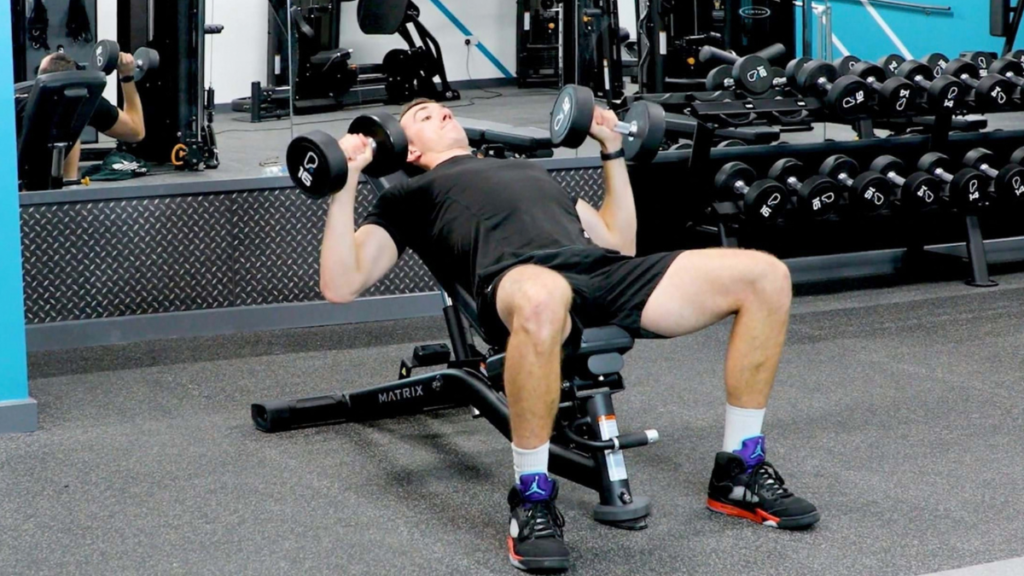
Big, round shoulders can completely change the look of your physique. Wider delts create the appearance of a broader upper body, improve shoulder definition, and contribute significantly to overall upper body strength. For decades, the overhead press has been considered one of the cornerstone exercises for shoulder development. While it is certainly effective, it is not the only path to bigger shoulders.
Many lifters struggle with overhead pressing because of shoulder pain, limited mobility, previous injuries, or structural limitations. Others simply do not feel their deltoids working effectively during pressing movements. The good news is that shoulder hypertrophy does not depend on overhead pressing alone.


Research consistently shows that muscle growth is primarily driven by mechanical tension, sufficient training volume, proximity to muscular failure, and progressive overload. As long as these factors are present, a muscle can grow regardless of whether a specific exercise is included in a training program.
Most pressing exercises heavily emphasize the anterior deltoid. However, the lateral and posterior heads are often undertrained despite being the muscles most responsible for creating shoulder width and a three dimensional appearance.
This is where carefully selected dumbbell exercises can outperform traditional overhead pressing for certain goals. By targeting specific regions of the deltoid through favorable resistance profiles and joint angles, these movements can maximize muscle activation while minimizing stress on sensitive shoulders.
Below are three highly effective dumbbell exercises that can help build bigger shoulders without requiring a single overhead press.
Why You Do Not Need Overhead Pressing for Shoulder Growth
Before examining the exercises, it is important to understand why overhead pressing is not mandatory for hypertrophy. Studies examining resistance training and muscle growth repeatedly demonstrate that hypertrophy can occur across a wide variety of exercises provided that sufficient volume and intensity are achieved. Muscle fibers respond to tension, not exercise names.
For many lifters, overhead pressing presents several challenges:
- Limited shoulder mobility
- Previous rotator cuff injuries
- Shoulder impingement symptoms
- Neck discomfort
- Lower back strain during standing presses
- Poor deltoid isolation
In addition, pressing movements often distribute load across multiple muscle groups including the triceps, upper chest, and upper trapezius. While this can be beneficial for overall strength, it may reduce the relative stimulus experienced by specific regions of the deltoid.
Isolation focused dumbbell exercises allow lifters to place more tension directly on the target muscles while using lighter loads and potentially reducing joint stress.
Move 1: Dumbbell Lateral Raise
The dumbbell lateral raise is arguably the most important shoulder isolation exercise for creating broader shoulders.
Why It Works
The lateral deltoid is primarily responsible for shoulder abduction, which is the movement of raising the arms away from the body. Because lateral raises directly train this function, they place substantial tension on the middle fibers of the deltoid.
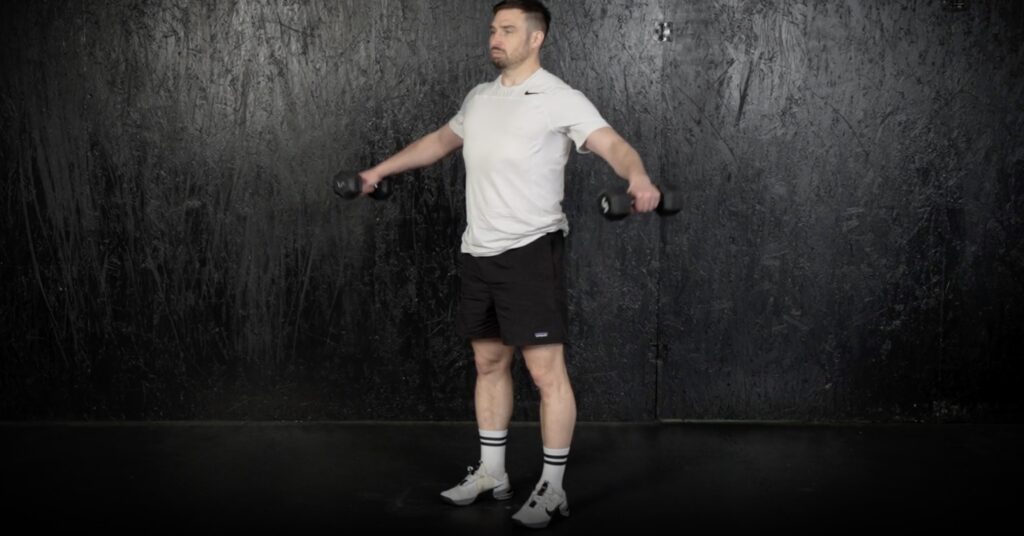
The lateral delts contribute heavily to shoulder width. When viewed from the front, well developed lateral deltoids create the broad, capped appearance associated with elite physiques.
Electromyography research consistently demonstrates high activation of the lateral deltoid during lateral raise variations. Unlike pressing exercises, which distribute effort among several muscle groups, lateral raises focus much of the workload directly onto the target area.
How to Perform the Dumbbell Lateral Raise
- Stand tall with a dumbbell in each hand.
- Position the weights at your sides.
- Maintain a slight bend in your elbows.
- Raise your arms out to the sides until they reach shoulder height.
- Lower the weights under control.
- Repeat for the desired number of repetitions.
Avoid using excessive momentum. Swinging the weights may allow heavier loads but often reduces tension on the deltoids.
Common Mistakes
One of the biggest errors is raising the dumbbells too high. Once the arms move significantly above shoulder height, the upper trapezius muscles begin contributing more heavily to the movement.
Another mistake is using weights that are too heavy. The lateral deltoid responds exceptionally well to moderate loads and higher repetition ranges. Excessive loading often shifts tension away from the target muscle.
Move 2: Chest Supported Rear Delt Raise
Many trainees focus heavily on the front and side portions of the shoulder while neglecting the rear deltoids. This imbalance can negatively affect posture, shoulder health, and overall shoulder development.
The chest supported rear delt raise is one of the most effective ways to target the posterior deltoid directly.
Why It Works
The posterior deltoid plays a major role in horizontal abduction and shoulder extension. It also contributes to shoulder stability and balanced upper body development.
Research examining muscle activation during upper body exercises frequently finds that posterior deltoid activity remains relatively low during pressing movements. As a result, dedicated rear delt work is often necessary to maximize growth.
The chest supported setup offers a major advantage. By removing momentum and lower back involvement, the exercise allows greater focus on the target muscles.
How to Perform the Chest Supported Rear Delt Raise
- Set an incline bench to approximately 30 to 45 degrees.
- Lie face down with your chest supported.
- Hold a dumbbell in each hand with your arms hanging toward the floor.
- Raise the weights out and slightly back.
- Focus on moving through the shoulders rather than pulling with the upper back.
- Lower slowly and repeat.
A controlled tempo improves muscle recruitment and minimizes assistance from surrounding muscles.
Key Technique Tips
Imagine leading the movement with your elbows rather than your hands. This simple cue often improves posterior deltoid activation while reducing upper trapezius dominance. Keep the shoulders down and avoid shrugging throughout the exercise.
Benefits Beyond Muscle Growth
Strengthening the posterior deltoids may contribute to improved shoulder mechanics and posture. Many gym goers spend large amounts of time performing pressing exercises, typing at desks, or looking down at phones. These activities often encourage forward shoulder positioning.
Developing the rear delts can help counteract these tendencies by strengthening muscles that pull the shoulders into a more balanced position.
Move 3: Dumbbell Upright Row with Modified Grip
The upright row has generated controversy over the years because some variations may increase shoulder discomfort in susceptible individuals. However, when performed with dumbbells and a modified technique, it can become a powerful tool for lateral deltoid development.
Why It Works
The movement combines shoulder abduction with elbow flexion, creating significant recruitment of the lateral deltoid. Research investigating shoulder muscle activation frequently identifies upright row variations as highly effective for stimulating the middle deltoid fibers.
Using dumbbells rather than a barbell allows greater freedom of movement. Each shoulder can follow its own natural path, potentially reducing joint stress compared with a fixed barbell position.
How to Perform the Exercise
- Hold a pair of dumbbells in front of your thighs.
- Keep the weights relatively close to your body.
- Pull your elbows upward while allowing them to flare outward.
- Stop when your upper arms reach approximately shoulder height.
- Lower under control.
The key difference is avoiding excessive elevation. There is little need to pull the weights significantly higher than shoulder level.
Conclusion
Building bigger shoulders does not require overhead pressing. While presses can be effective, they are only one tool among many for stimulating deltoid growth. Research consistently shows that muscle hypertrophy is driven by factors such as mechanical tension, sufficient training volume, progressive overload, and training effort rather than any single exercise.
For lifters dealing with shoulder discomfort, mobility restrictions, previous injuries, or simply looking for a more targeted approach to shoulder development, dumbbell isolation exercises can be an excellent alternative. The dumbbell lateral raise directly challenges the lateral deltoid to build width and create the coveted capped shoulder appearance. The chest supported rear delt raise strengthens and develops the often neglected posterior deltoids, improving both aesthetics and shoulder balance. The modified dumbbell upright row provides another highly effective stimulus for the side delts while allowing a more natural movement path than traditional barbell variations.
When these three exercises are programmed consistently and performed with proper technique, they can provide all the stimulus needed to build larger, stronger, and more visually impressive shoulders without a single overhead press. Focus on controlled repetitions, accumulate enough weekly training volume, and progressively increase the challenge over time. Combined with adequate protein intake, recovery, and overall resistance training, these movements can help maximize shoulder hypertrophy while keeping unnecessary joint stress to a minimum.