


Building muscle seems simple on the surface. Lift weights, eat protein, and watch your muscles grow. In reality, many beginners spend months or even years making slower progress than they should because they miss a few fundamental principles.
The good news is that beginners are in the best possible position to build muscle. Research consistently shows that new lifters can gain muscle faster than experienced trainees because their bodies are highly responsive to resistance training. The challenge is making sure that effort in the gym translates into actual muscle growth.


If You Can’t Do These 3 Things, You’re Not Ready for a 100kg Bench Press
Many people jump from workout to workout, follow random advice on social media, or focus on minor details that have little impact on results. The basics still matter most. Scientific evidence continues to show that a handful of key habits account for the majority of muscle building success.
If you are new to resistance training, these seven muscle building rules will help you maximize your progress, avoid common mistakes, and build a strong foundation that will serve you for years.
Why Beginners Have a Unique Advantage
When someone starts resistance training, their body experiences a powerful adaptation process. Muscles, tendons, bones, and the nervous system all begin responding to the new demands being placed upon them.
One of the most important adaptations is muscle hypertrophy, which refers to the increase in muscle size. Beginners often experience what is sometimes called “newbie gains,” a period during which muscle growth and strength improvements occur rapidly.
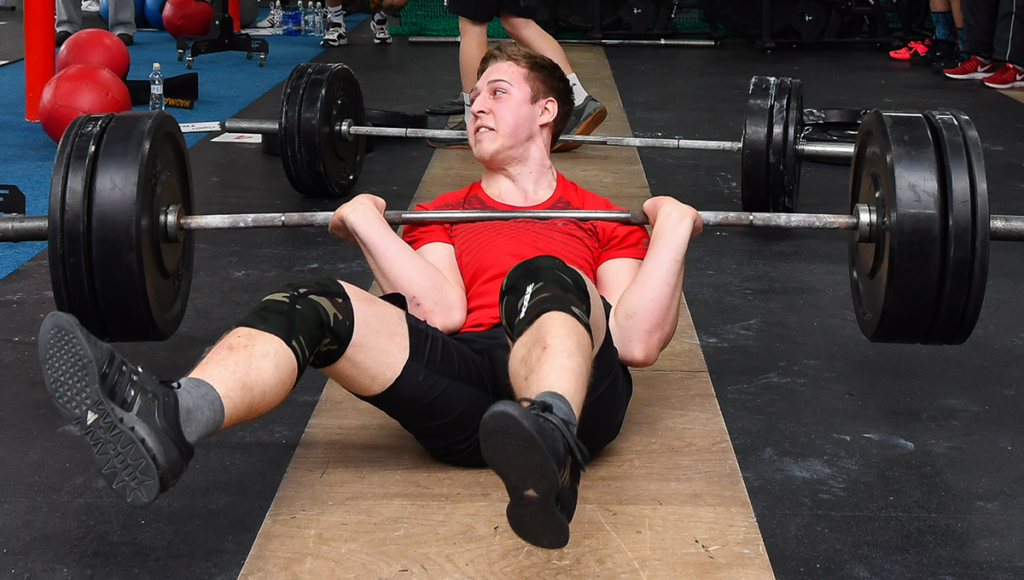
Studies show that resistance training stimulates muscle protein synthesis, the process through which the body repairs and builds new muscle tissue. When training, nutrition, and recovery are aligned, muscle growth can occur at a remarkable rate during the first year of lifting. However, beginners only benefit from this advantage if they follow proven principles consistently.
Rule 1: Focus on Progressive Overload
Progressive overload is the single most important principle for muscle growth. Simply put, your muscles must face a gradually increasing challenge over time. If you repeatedly perform the same exercises with the same weights and the same number of repetitions, your body has little reason to continue adapting.
What Progressive Overload Means
Progressive overload can be achieved in several ways:
• Adding more weight to the bar
• Performing more repetitions with the same weight
• Completing more sets
• Improving exercise technique and range of motion
• Increasing training frequency when appropriate
The key is gradual progression. Muscle growth occurs because the body is forced to adapt to greater demands. For example, if you bench press 135 pounds for three sets of eight repetitions today, your goal over the coming weeks might be to reach three sets of ten repetitions before increasing the weight and repeating the process.
Why It Works
Resistance training creates mechanical tension within muscle fibers. Research identifies mechanical tension as one of the primary drivers of muscle hypertrophy. As training loads increase over time, muscles adapt by becoming larger and stronger.
Many beginners make the mistake of changing workouts constantly. While variety has its place, progress becomes difficult to measure when exercises change every session. Sticking with core movements long enough to improve performance is essential.
Beginner Takeaway
Track your workouts. Write down weights, sets, and repetitions. If performance is not improving over time, muscle growth will likely be limited as well.
Rule 2: Prioritize Compound Exercises
Isolation exercises can be useful, but beginners should build their programs around compound movements. Compound exercises involve multiple joints and muscle groups working together. They allow you to lift heavier loads and stimulate more overall muscle mass.

Best Compound Exercises for Beginners
Some of the most effective options include:
• Squats
• Deadlifts
• Bench press
• Overhead press
• Pull ups
• Chin ups
• Barbell rows
• Lunges
• Romanian deadlifts
These exercises train large portions of the body simultaneously and create a powerful growth stimulus.
Why Compound Movements Build More Muscle
Compound lifts recruit a greater amount of muscle tissue than isolation exercises. They also allow for heavier loading, which increases mechanical tension. Research consistently demonstrates that multi joint exercises are highly effective for increasing strength and muscle mass across multiple muscle groups.
Another benefit is efficiency. Beginners often do not need elaborate training plans. A program built around a handful of compound movements can deliver excellent results.
Isolation Work Still Has Value
This does not mean isolation exercises should be ignored completely. Exercises such as biceps curls, triceps extensions, lateral raises, and leg curls can help address specific weaknesses or provide additional volume for certain muscles.
However, beginners should treat these as supplemental rather than foundational.
Rule 3: Train Each Muscle Group Frequently Enough
One of the biggest training mistakes beginners make is training a muscle once per week and expecting optimal growth. Research suggests that training muscle groups multiple times per week often produces superior hypertrophy outcomes compared to lower frequencies when total volume is matched.
The Importance of Frequency
Muscle protein synthesis rises following resistance training but eventually returns to baseline levels. For beginners, this elevated state may last approximately one to two days. By training muscles more frequently, you create more opportunities to stimulate muscle growth. A practical approach is training each major muscle group two to three times per week.
Effective Beginner Training Splits
Examples include:
• Full body workouts three times per week
• Upper and lower body splits four times per week
• Push, pull, legs routines performed over several days
Full body programs are particularly effective for beginners because they provide frequent practice of key movement patterns while distributing training volume throughout the week.
Quality Over Quantity
More is not always better. Muscle growth depends on balancing training stress with recovery. Excessive volume can interfere with recovery and reduce performance. Most beginners achieve excellent results with approximately 10 to 20 challenging sets per muscle group per week.
Rule 4: Eat Enough Protein
Training provides the stimulus for growth, but nutrition provides the raw materials. Protein is especially important because it supplies the amino acids required for muscle repair and growth.

How Much Protein Do Beginners Need?
Research consistently supports protein intakes ranging from approximately 1.6 to 2.2 grams per kilogram of body weight per day for maximizing muscle growth. For a person weighing 180 pounds, this translates to roughly 130 to 180 grams of protein daily. Good protein sources include:
• Lean meat
• Poultry
• Fish
• Eggs
• Greek yogurt
• Cottage cheese
• Whey protein
• Soy products
• Legumes
Protein Distribution Matters
Rather than consuming most daily protein in a single meal, spreading intake throughout the day appears beneficial. Research suggests that distributing protein across three to five meals may optimize muscle protein synthesis.
For example:
• Breakfast: 30 grams
• Lunch: 35 grams
• Snack: 25 grams
• Dinner: 40 grams
• Evening meal: 25 grams
This approach provides a steady supply of amino acids to support recovery and growth.
Common Beginner Mistake
Many new lifters underestimate their protein intake. Tracking food intake for a few weeks can reveal whether protein targets are actually being met.
Rule 5: Do Not Fear a Calorie Surplus
Muscle growth requires energy. Although some beginners can build muscle while maintaining body weight, especially if they have higher body fat levels, a modest calorie surplus generally creates a more favorable environment for muscle gain.

Understanding Energy Balance
A calorie surplus occurs when energy intake exceeds energy expenditure. This additional energy supports:
• Muscle tissue construction
• Recovery processes
• Training performance
• Hormonal function
A moderate surplus is usually sufficient.
Avoid the Dirty Bulk
Some beginners interpret muscle gain as an excuse to eat unlimited amounts of food. This approach often leads to excessive fat gain. Research suggests that gaining weight gradually is more effective. A weekly gain of approximately 0.25 to 0.5 percent of body weight is often appropriate for beginners seeking lean muscle growth.
Prioritize Food Quality
A muscle building diet should focus on:
• Lean proteins
• Fruits
• Vegetables
• Whole grains
• Potatoes
• Rice
• Healthy fats
• Dairy products
These foods provide nutrients that support training performance and recovery.
Rule 6: Recovery Is Part of the Program
Muscles do not grow during workouts. They grow afterward while recovering. Training creates microscopic damage and physiological stress. Recovery allows the body to repair and adapt.

Sleep Is the Ultimate Recovery Tool
Sleep influences virtually every aspect of muscle growth. Research shows that inadequate sleep negatively affects:
• Muscle recovery
• Strength performance
• Hormonal balance
• Protein synthesis
• Training motivation
Most adults should aim for seven to nine hours of quality sleep per night.
Manage Stress
Psychological stress can also interfere with recovery. Chronic stress may elevate cortisol levels and negatively affect training performance and recovery capacity. Simple strategies can help:
• Walking
• Meditation
• Spending time outdoors
• Maintaining social connections
• Consistent sleep schedules
Rest Days Are Productive
Many beginners assume more training always equals better results. In reality, adaptation occurs during recovery periods. Planned rest days help ensure that muscles, joints, and the nervous system can recover properly between sessions.
Rule 7: Stay Consistent Long Enough to See Results
Perhaps the most overlooked muscle building rule is consistency. The most scientifically perfect program is worthless if it is abandoned after a few weeks.
Muscle Growth Takes Time
While beginners often experience rapid progress initially, meaningful muscle development still requires months and years of consistent effort. Research demonstrates that hypertrophy is a cumulative process. Small improvements add up over time. A beginner who gains just one pound of muscle per month can add more than ten pounds of muscle in a year.
Avoid Program Hopping
Many people switch routines every few weeks because they become bored or think a different program will produce faster results. Frequent changes make it difficult to measure progress and often reduce long term consistency. Choose a well designed program and follow it long enough to evaluate results objectively.
Common Beginner Mistakes to Avoid
Even with good intentions, many beginners slow their progress by making predictable errors. Some of the most common include:
• Skipping workouts frequently
• Changing exercises too often
• Neglecting protein intake
• Sleeping too little
• Training with poor technique
• Using excessive volume
• Expecting immediate results
• Comparing themselves to advanced lifters
Avoiding these mistakes can significantly improve long term outcomes.
References
• American College of Sports Medicine. (2009) ‘Progression Models in Resistance Training for Healthy Adults’, Medicine & Science in Sports & Exercise, 41(3), pp. 687-708.
• Bird, S.P., Tarpenning, K.M. and Marino, F.E. (2005) ‘Designing Resistance Training Programmes to Enhance Muscular Fitness’, Sports Medicine, 35(10), pp. 841-851.
• Grgic, J., Schoenfeld, B.J., Davies, T.B., Lazinica, B., Krieger, J.W. and Pedisic, Z. (2018) ‘Effect of Resistance Training Frequency on Gains in Muscular Strength’, Sports Medicine, 48(5), pp. 1207-1220.
• Helms, E.R., Aragon, A.A. and Fitschen, P.J. (2014) ‘Evidence Based Recommendations for Natural Bodybuilding Contest Preparation’, Journal of the International Society of Sports Nutrition, 11(20), pp. 1-20.
• Morton, R.W., Murphy, K.T., McKellar, S.R., Schoenfeld, B.J., Henselmans, M., Helms, E., Aragon, A.A., Devries, M.C., Banfield, L., Krieger, J.W. and Phillips, S.M. (2018) ‘A Systematic Review, Meta Analysis and Meta Regression of the Effect of Protein Supplementation on Resistance Training Induced Gains in Muscle Mass and Strength in Healthy Adults’, British Journal of Sports Medicine, 52(6), pp. 376-384.
• Phillips, S.M. and Van Loon, L.J.C. (2011) ‘Dietary Protein for Athletes: From Requirements to Optimum Adaptation’, Journal of Sports Sciences, 29(S1), pp. S29-S38.