Getting leaner for summer is not about chasing shortcuts. It is about choosing the right movements, applying them consistently, and understanding how your body actually burns fat. Many people spend hours on isolation exercises or steady cardio without seeing meaningful results.
The truth is simpler and backed by decades of research. Full body compound exercises that recruit large muscle groups and elevate heart rate are far more effective for fat loss.


Why Full Body Exercises Are Best for Fat Loss
Before jumping into the exercises, it is important to understand why full body training is so effective.
Higher Energy Expenditure
Fat loss comes down to creating a calorie deficit. Full body exercises burn more calories because they involve multiple joints and muscle groups at once. Research shows that compound movements significantly increase oxygen consumption and energy expenditure compared to isolation work.
Exercises like squats, deadlifts, and kettlebell swings require coordination across the entire body. This increases metabolic demand both during and after the workout.
Increased Post Exercise Calorie Burn
One of the most important concepts in fat loss is excess post exercise oxygen consumption. This refers to the calories your body continues to burn after training.

High intensity, full body movements create a larger afterburn effect compared to steady state cardio. Studies show that high intensity resistance training and interval work can elevate metabolism for hours after exercise.
Hormonal Benefits
Full body training stimulates the release of hormones that support fat loss. These include growth hormone and catecholamines, which play a role in mobilizing fat stores.
Large compound exercises trigger a greater hormonal response than small muscle exercises. This makes them more effective for changing body composition.
Muscle Preservation
When losing fat, preserving muscle is essential. Muscle tissue increases resting metabolic rate, meaning you burn more calories even at rest.
Resistance training that targets the entire body helps maintain lean mass during a calorie deficit. This leads to better long term results and a more athletic look.
Exercise 1: The Barbell Squat
The squat is often called the king of exercises for good reason. It works nearly every muscle in the body and has a massive impact on calorie burn and strength development.
Why Squats Are So Effective
Squats target the quadriceps, hamstrings, glutes, and core while also engaging the upper body for stability. Because of this, they demand a high level of energy output.

Research consistently shows that multi joint lower body exercises like squats produce greater metabolic stress than machine based movements. This translates into more calories burned and a stronger stimulus for fat loss.
Squats also improve insulin sensitivity, which helps the body manage blood sugar and store less fat.
How to Perform a Proper Squat
- Stand with feet shoulder width apart
- Keep your chest up and core braced
- Push your hips back and bend your knees
- Lower until your thighs are at least parallel to the ground
- Drive through your heels to return to standing
Focus on controlled movement rather than speed. Proper form reduces injury risk and maximizes effectiveness.
Programming for Fat Loss
To use squats for fat loss, you need to focus on intensity and volume.
A simple approach:
- 3 to 5 sets
- 8 to 12 repetitions
- 60 to 90 seconds rest
You can also include squats in circuit training to keep heart rate elevated.
Common Mistakes
- Letting the knees collapse inward
- Rounding the lower back
- Cutting the depth too short
- Using too much weight too soon
Fixing these issues ensures you get the full benefit of the exercise.
Exercise 2: The Kettlebell Swing
The kettlebell swing is one of the most efficient fat burning exercises available. It combines strength, power, and cardiovascular conditioning in one movement.
Why Kettlebell Swings Burn Fat Fast
Swings are a ballistic movement that trains the posterior chain, including the glutes, hamstrings, and lower back. At the same time, they elevate heart rate quickly.

Research has shown that kettlebell training can produce cardiovascular responses similar to high intensity interval training. This means you can burn a significant number of calories in a short period. Swings also improve power output and muscular endurance, both of which contribute to overall fitness.
How to Perform a Proper Kettlebell Swing
- Stand with feet slightly wider than shoulder width
- Hold the kettlebell with both hands
- Hinge at the hips and swing the kettlebell back between your legs
- Explosively extend your hips to drive the kettlebell forward
- Let the kettlebell swing to chest height
- Control the descent and repeat
The key is generating power from the hips, not lifting with the arms.
Programming for Fat Loss
Swings work best in interval formats.
Example:
- 20 seconds work
- 10 seconds rest
- Repeat for 8 rounds
This style of training keeps intensity high and maximizes calorie burn.
Common Mistakes
- Squatting instead of hinging
- Using the arms too much
- Letting the kettlebell drop too low
- Losing core tension
Mastering technique is essential for safety and effectiveness.
Exercise 3: The Burpee
The burpee is often avoided because it is challenging. That is exactly why it works so well.
Why Burpees Are So Powerful
Burpees combine a squat, push up, and jump into one continuous movement. This engages the entire body and spikes heart rate rapidly.
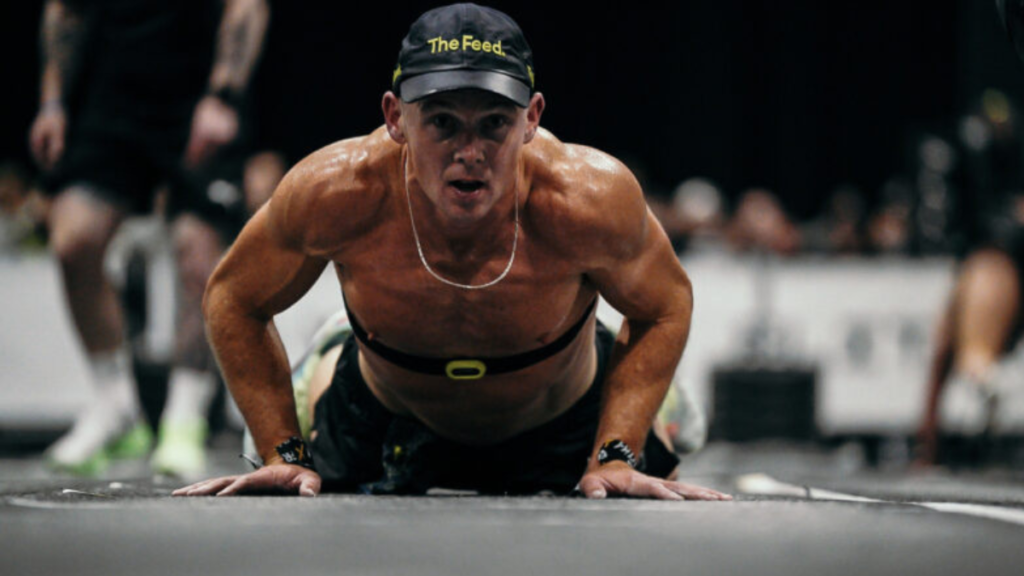
Studies on high intensity bodyweight training show that movements like burpees can significantly improve aerobic and anaerobic fitness while also promoting fat loss. Because burpees require no equipment, they are accessible to almost anyone.
How to Perform a Proper Burpee
- Start standing upright
- Drop into a squat and place your hands on the ground
- Jump your feet back into a plank position
- Perform a push up
- Jump your feet back toward your hands
- Explode upward into a jump
Maintain control throughout the movement to avoid injury.
Programming for Fat Loss
Burpees are highly effective in circuits or timed intervals.
Example:
- 10 to 15 repetitions
- 3 to 5 rounds
- Minimal rest between rounds
You can also combine them with other exercises for a full body workout.
Common Mistakes
- Skipping the push up
- Not jumping at the top
- Letting the hips sag in the plank
- Rushing through repetitions
Quality matters more than speed.
How to Combine These Exercises for Maximum Fat Loss
Using these three exercises together creates a powerful fat loss routine.
Sample Full Body Workout
Perform the following circuit:
- 10 squats
- 15 kettlebell swings
- 10 burpees
Repeat for 4 to 6 rounds with 60 seconds rest between rounds. This structure keeps your heart rate elevated while challenging your muscles.
Weekly Training Plan
For best results:
- Train 3 to 4 times per week
- Include at least one rest day between sessions
- Combine strength and conditioning work
Consistency is more important than perfection.
Nutrition and Recovery Considerations
Exercise alone is not enough for fat loss. Nutrition and recovery play a crucial role.
Calorie Balance
You must be in a calorie deficit to lose fat. This means consuming fewer calories than you burn.
Focus on:
- Lean protein sources
- Whole foods
- Controlled portion sizes
Protein Intake
Higher protein intake supports muscle preservation and satiety. Research shows that protein helps maintain lean mass during weight loss. Aim for around 1.6 to 2.2 grams per kilogram of body weight.
Sleep and Recovery
Poor sleep can disrupt hormones that regulate hunger and fat storage.
Aim for:
- 7 to 9 hours of sleep per night
- Regular sleep schedule
Recovery allows your body to adapt and improve.
The Science Behind These Exercises
Each of these movements is supported by scientific research on fat loss and performance.
- Compound resistance training increases energy expenditure and improves body composition
- High intensity interval training enhances fat oxidation and cardiovascular fitness
- Full body movements stimulate hormonal responses that support fat loss
Combining these principles leads to better results than focusing on one method alone.
Final Thoughts
Fat loss does not require complicated programs. It requires effective exercises performed consistently. The barbell squat, kettlebell swing, and burpee are three of the most efficient movements you can use. They target the entire body, burn a high number of calories, and improve overall fitness.
If you commit to these exercises and support them with proper nutrition and recovery, you can achieve meaningful fat loss before summer 2026. Stick to the basics, train with intensity, and stay consistent. Results will follow.
Reference
- Ahtiainen, J.P., Pakarinen, A., Alen, M., Kraemer, W.J. and Hakkinen, K. (2003). Muscle hypertrophy, hormonal adaptations and strength development during strength training in strength trained and untrained men. European Journal of Applied Physiology, 89(6), pp.555 to 563.
- Boutcher, S.H. (2011). High intensity intermittent exercise and fat loss. Journal of Obesity, 2011, pp.1 to 10.
- Egan, B. and Zierath, J.R. (2013). Exercise metabolism and the molecular regulation of skeletal muscle adaptation. Cell Metabolism, 17(2), pp.162 to 184.
- Hackney, A.C. (2020). Stress and the neuroendocrine system: the role of exercise as a stressor and modifier of stress. Expert Review of Endocrinology and Metabolism, 15(3), pp.173 to 182.