

Turning 30 is often seen as a milestone. For many men, it marks the transition from the physical advantages of youth into a stage where long term health, strength, and athletic performance become increasingly dependent on lifestyle choices rather than natural development.
By age 30, most men have reached or are very close to their peak levels of muscle mass, strength, power, and bone density. While the body remains highly capable of building muscle and increasing strength well beyond this age, the foundations established during the twenties often influence physical performance for decades.


But how strong should a man actually be at 30?
The answer depends on goals, body weight, training history, and lifestyle. A recreational lifter, office worker, construction laborer, and competitive athlete all have different requirements. However, science and large strength databases provide useful benchmarks that can help men understand where they stand.
This article explores what strength means at age 30, examines evidence based strength standards, explains why strength matters for long term health, and outlines realistic goals for men entering their thirties.
Why Strength Matters at 30
Strength is often associated with athletic performance and appearance, but research consistently shows that muscular strength is one of the most important predictors of health and longevity.
Higher levels of muscular strength are associated with lower risks of cardiovascular disease, metabolic disorders, disability, and premature mortality. Strength also plays a major role in maintaining healthy body composition, insulin sensitivity, bone density, and functional independence throughout life. A growing body of evidence suggests that muscular strength may be as important as aerobic fitness when predicting long term health outcomes.
Strong muscles improve movement efficiency, reduce injury risk, support joint stability, and make everyday activities easier. Carrying groceries, lifting children, moving furniture, climbing stairs, or participating in recreational sports all become easier when strength levels are high.
At 30, these benefits may not seem immediately important. However, strength built during this decade acts as a reserve that helps offset the gradual declines associated with aging.
Peak Strength Usually Occurs Around Age 30
Research examining athletic performance across various sports suggests that maximal strength often peaks between the late twenties and mid thirties.
While power based activities may peak slightly earlier, maximal force production generally remains near its highest levels around age 30.
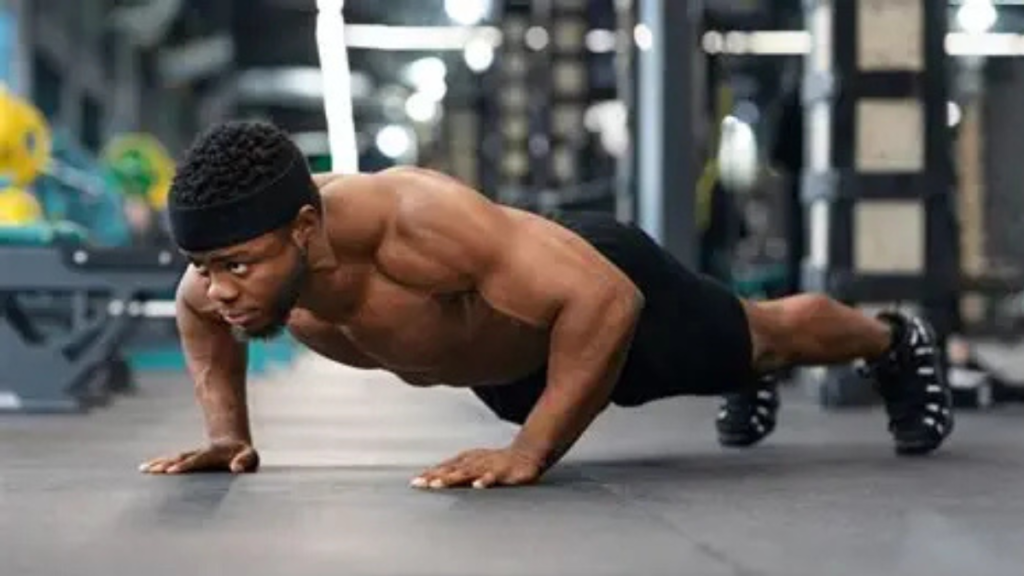
This means that many men are physically capable of achieving their strongest lifts during this period, provided they train consistently and recover appropriately.
What Counts as Strong?
The word “strong” can mean different things depending on context. A powerlifter who squats 600 pounds is obviously strong. However, that does not mean a man who squats 315 pounds is weak.
Strength should be viewed on a spectrum:
• Untrained
• Novice
• Intermediate
• Advanced
• Elite
Most men never engage in structured resistance training. As a result, reaching intermediate strength standards already places someone well above average.
For practical purposes, a strong 30 year old man should be capable of moving his own body efficiently while also demonstrating respectable levels of strength in fundamental movement patterns.
These include:
• Squatting
• Hinging
• Pressing
• Pulling
• Carrying
The ability to perform these movements effectively reflects both muscular development and functional capacity.
Relative Strength Versus Absolute Strength
One of the most important concepts in strength training is the distinction between absolute and relative strength. Absolute strength refers to the total amount of weight lifted. Relative strength refers to strength in relation to body weight.
For example, a 220 pound man who deadlifts 500 pounds is very strong in absolute terms. A 160 pound man who deadlifts 405 pounds may be stronger relative to his body weight. Relative strength is often more useful for assessing overall athleticism and functionality.
In everyday life, moving your own body is essential. Activities such as running, climbing, jumping, and sports participation depend heavily on relative strength. Therefore, both measurements should be considered when evaluating strength levels.
Evidence Based Strength Standards for Men at 30
Large datasets from strength athletes provide useful benchmarks for evaluating performance. The following standards represent realistic targets for healthy men who train consistently.
Squat Strength
The back squat is widely regarded as one of the best measures of lower body strength. A strong 30 year old man should generally be able to squat at least 1.5 times his body weight.
Examples:
• 160 pound man: 240 pound squat
• 180 pound man: 270 pound squat
• 200 pound man: 300 pound squat
Advanced lifters often squat around twice their body weight. Elite lifters may exceed 2.5 times body weight.
Deadlift Strength
The deadlift measures total body strength and is one of the most practical indicators of functional force production. A strong 30 year old man should typically deadlift around twice his body weight.
Examples:
• 160 pound man: 320 pound deadlift
• 180 pound man: 360 pound deadlift
• 200 pound man: 400 pound deadlift
Advanced lifters often exceed these numbers significantly.
Bench Press Strength
The bench press remains one of the most recognized measures of upper body strength. A strong 30 year old man should generally bench press between 1.25 and 1.5 times body weight.
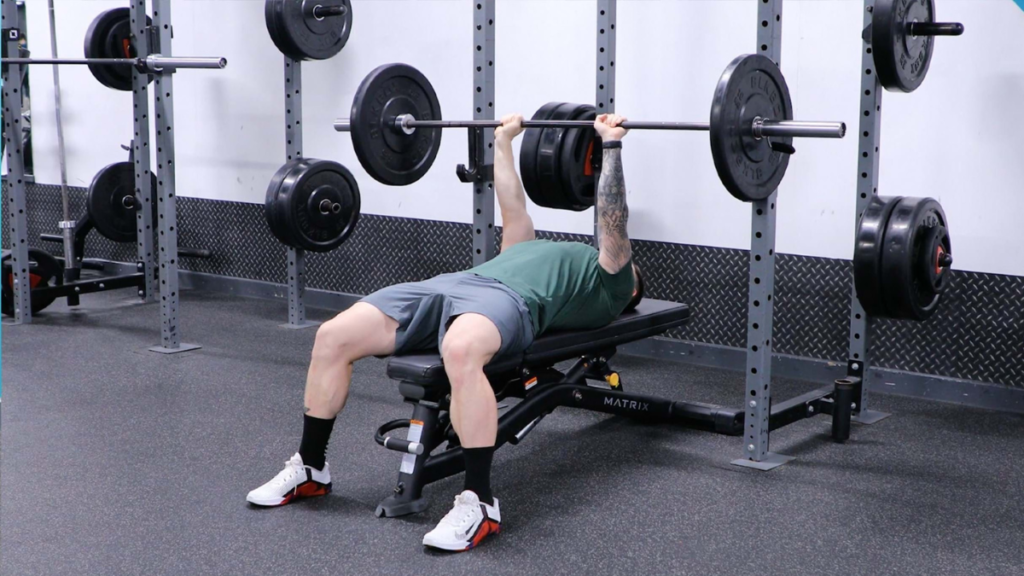
Examples:
• 160 pound man: 200 to 240 pounds
• 180 pound man: 225 to 270 pounds
• 200 pound man: 250 to 300 pounds
Reaching a 225 pound bench press remains a widely recognized milestone among recreational lifters.
Overhead Press Strength
The overhead press is often overlooked but provides valuable insight into shoulder and upper body strength. A strong man should be able to press approximately 0.75 times body weight overhead.
Examples:
• 160 pound man: 120 pounds
• 180 pound man: 135 pounds
• 200 pound man: 150 pounds
This level demonstrates excellent shoulder stability and upper body control.
Pull Up Strength
Bodyweight exercises provide an important measure of relative strength. A strong 30 year old man should be capable of performing:
• 10 to 15 strict pull ups
• 20 or more push ups without difficulty
• Multiple sets of bodyweight movements with good technique
These standards indicate strong relative strength and muscular endurance.
Strength and Muscle Mass Are Not the Same Thing
Many men assume that bigger muscles automatically mean greater strength. While muscle size contributes significantly to strength, the relationship is not perfectly linear. Strength is influenced by several factors:
• Muscle cross sectional area
• Nervous system efficiency
• Motor unit recruitment
• Tendon stiffness
• Technique
• Movement skill
Research consistently shows that neural adaptations account for much of the strength gained during the early phases of resistance training. This explains why two men with similar muscle mass may display dramatically different levels of strength. A 30 year old man should therefore focus on performance rather than appearance alone.
Grip Strength: The Hidden Health Marker
One of the most fascinating findings in exercise science involves grip strength. Researchers have repeatedly identified grip strength as a powerful predictor of health outcomes, disability risk, and mortality.
How McLaren F1 Academy Driver Ella Lloyd Trains For G-Forces, Heavy Braking and Race Day Performance
Low grip strength is associated with higher risks of cardiovascular disease and all cause mortality. While grip strength should not be viewed as a complete measure of fitness, it serves as a remarkably useful indicator of overall physical function.
Healthy men in their thirties typically demonstrate grip strength values ranging from approximately 45 to 55 kilograms, depending on body size and training status. Improving grip strength through deadlifts, carries, pull ups, and dedicated grip exercises may provide benefits that extend beyond athletic performance.
Strength and Longevity
The importance of strength extends far beyond the gym. Research has demonstrated that higher levels of muscular strength are associated with lower mortality risk. Several mechanisms likely explain this relationship. Stronger individuals tend to:
• Have more muscle mass
• Maintain healthier body composition
• Display better glucose regulation
• Possess stronger bones
• Remain physically active longer
• Experience fewer mobility limitations
Strength training also appears to improve numerous cardiovascular risk factors, including blood pressure, insulin sensitivity, and lipid profiles. For men at 30, investing in strength development may provide substantial health benefits over the following decades.
How Strength Changes After 30
Many men worry that turning 30 signals the beginning of inevitable decline. The reality is far more encouraging.

Research suggests that significant age related strength loss generally becomes more noticeable after age 50, particularly among inactive individuals. Men who continue resistance training can maintain high levels of strength well into their sixties and beyond.
In many cases, strength declines are driven more by reduced activity than biological aging itself. Studies involving master athletes show that remarkable strength and performance can be preserved for decades when training remains consistent. Therefore, a man who reaches 30 with moderate strength still has enormous potential for improvement.
Strength Goals Every Man Should Aim For
While exact standards vary according to body size and training history, the following goals represent excellent targets for healthy men around age 30.
Basic Functional Strength
A man should be able to:
• Carry heavy grocery bags comfortably
• Lift and move household objects safely
• Climb multiple flights of stairs without fatigue
• Get up from the floor easily
• Perform basic bodyweight movements
These abilities reflect practical strength for everyday life.
Solid Gym Strength
Reasonable long term goals include:
• Squat 1.5 times body weight
• Deadlift 2 times body weight
• Bench press 1.25 times body weight
• Perform 10 strict pull ups
• Overhead press 0.75 times body weight
Reaching these standards places most men well above average.
Athletic Strength
Men interested in sports may benefit from focusing on:
• Sprinting ability
• Jump performance
• Relative strength
• Rotational power
• Agility
Athletic performance depends on more than maximal lifting strength alone.
Are You Strong Enough at 30?
Many men compare themselves with elite athletes, influencers, or competitive powerlifters. This often creates unrealistic expectations. The average man is far weaker than most people realize because the majority of adults do not engage in regular resistance training.
If you can:
• Squat 1.5 times body weight
• Deadlift 2 times body weight
• Bench press 1.25 times body weight
• Perform 10 or more strict pull ups
• Maintain healthy body composition
You are already stronger than most men. More importantly, you have likely built a foundation that supports long term health and performance.
Final Thoughts
A strong 30 year old man is not defined solely by how much weight he can lift. True strength combines muscular capacity, movement quality, physical resilience, and long term health.
From a practical perspective, most healthy men should aim to squat at least 1.5 times body weight, deadlift around twice body weight, bench press 1.25 to 1.5 times body weight, and perform multiple strict pull ups. Achieving these standards places an individual well above average while providing meaningful benefits for health, athleticism, and quality of life.
Perhaps most importantly, turning 30 does not represent the end of physical development. For many men, it marks the beginning of their strongest years. With consistent training, proper nutrition, and adequate recovery, significant gains in strength remain possible for decades to come.
References
• Artero, E.G., Lee, D.C., Ruiz, J.R., Sui, X., Ortega, F.B., Church, T.S., Lavie, C.J., Castillo, M.J. and Blair, S.N. (2011) ‘A prospective study of muscular strength and all cause mortality in men’, Journal of the American College of Cardiology, 57(18), pp. 1831-1837.
• Bohannon, R.W. (2019) ‘Grip strength: An indispensable biomarker for older adults’, Clinical Interventions in Aging, 14, pp. 1681-1691.
• Delmonico, M.J., Harris, T.B., Visser, M., Park, S.W., Conroy, M.B., Velasquez Mieyer, P., Boudreau, R., Manini, T.M., Nevitt, M., Newman, A.B. and Goodpaster, B.H. (2009) ‘Longitudinal study of muscle strength, quality, and adipose tissue infiltration’, American Journal of Clinical Nutrition, 90(6), pp. 1579-1585.
• Grgic, J., Lazinica, B., Schoenfeld, B.J. and Pedisic, Z. (2020) ‘Testosterone levels and muscular strength adaptations to resistance training’, Sports Medicine, 50(7), pp. 1285-1298.
• Kraschnewski, J.L., Sciamanna, C.N., Poger, J.M., Rovniak, L.S., Lehman, E.B., Cooper, A.B., Ballentine, N.H. and Ciccolo, J.T. (2016) ‘Is strength training associated with mortality benefits? A fifteen year cohort study’, Preventive Medicine, 87, pp. 121-127.
• McLeod, M., Breen, L., Hamilton, D.L. and Philp, A. (2016) ‘Live strong and prosper: The importance of skeletal muscle strength for healthy ageing’, Biogerontology, 17(3), pp. 497-510.
• Peterson, M.D., Rhea, M.R. and Alvar, B.A. (2005) ‘Applications of the dose response for muscular strength development’, Medicine & Science in Sports & Exercise, 37(11), pp. 1985-1990.
• Roberts, B.M., Nuckols, G. and Krieger, J.W. (2020) ‘Sex differences in resistance training: A systematic review and meta analysis’, Journal of Strength and Conditioning Research, 34(5), pp. 1448-1460.
• Ruiz, J.R., Sui, X., Lobelo, F., Morrow, J.R., Jackson, A.W., Sjostrom, M. and Blair, S.N. (2008) ‘Association between muscular strength and mortality in men: Prospective cohort study’, BMJ, 337, a439.