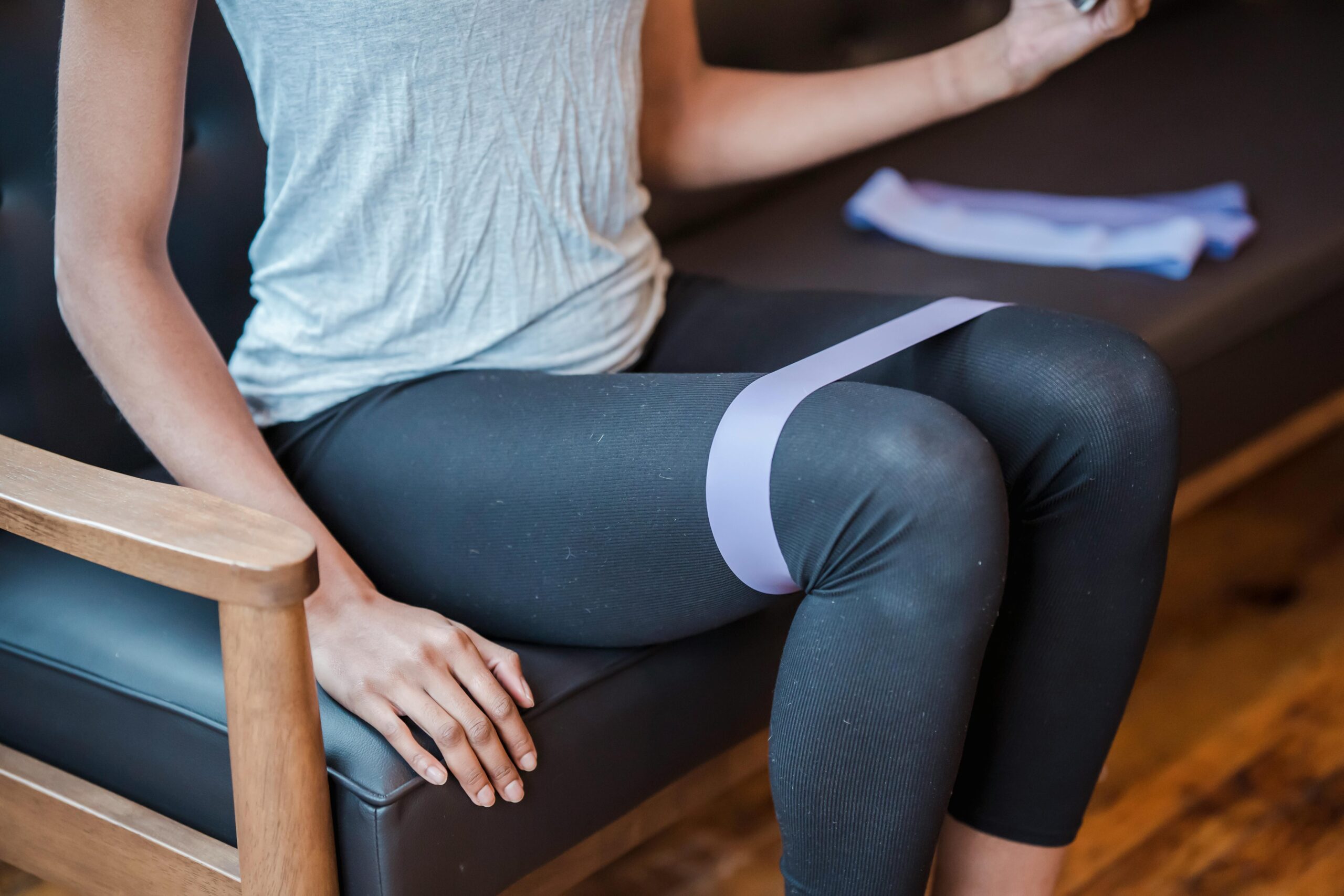


Many people want slimmer looking thighs, but the truth is that exercise cannot selectively burn fat from one part of the body. What you can do is build stronger leg muscles, improve muscle definition, increase calorie expenditure, and support overall fat loss through regular training and good nutrition. As body fat decreases, the muscles underneath become more visible, creating the lean and toned appearance that many people are aiming for.
The good news is that beginners do not need complicated workouts or expensive gym equipment to achieve impressive results. A small number of well chosen exercises can strengthen every major muscle in the thighs while improving balance, mobility, and overall fitness.



This guide covers three beginner friendly exercises that consistently rank among the best lower body movements according to exercise science. They train the quadriceps, hamstrings, glutes, and supporting muscles while teaching proper movement patterns that form the foundation for future strength training.
What Makes Thighs Look Toned?
The word “toned” is often misunderstood. Muscles do not become toned through special high repetition exercises. Instead, toned muscles are muscles that have developed strength and size while being visible through relatively low levels of body fat.
This means achieving toned thighs requires two things working together. The first is building muscle through resistance training. Muscle growth increases the shape and firmness of the legs while also improving strength.
The second is reducing body fat through a combination of regular exercise and an appropriate diet. Numerous studies show that combining resistance training with cardiovascular exercise and healthy eating produces the greatest improvements in body composition.
Resistance training also offers another major advantage. Muscle tissue requires energy to maintain, meaning greater muscle mass can contribute to a slightly higher resting metabolic rate over time.
Why Beginners Should Focus on Compound Exercises
Compound exercises involve multiple joints and several muscle groups working together. They are far more efficient than isolation exercises because they train more muscles at once while also improving coordination.
Research consistently shows that compound movements activate large amounts of muscle tissue, making them highly effective for increasing strength and stimulating muscle growth. For beginners, compound exercises also teach movement patterns that carry over into everyday life. Standing up from a chair, climbing stairs, lifting groceries, and getting off the floor all become easier when the legs become stronger.
The three exercises below cover nearly every important movement pattern your lower body needs.
Exercise 1. Goblet Squat
Why It Works
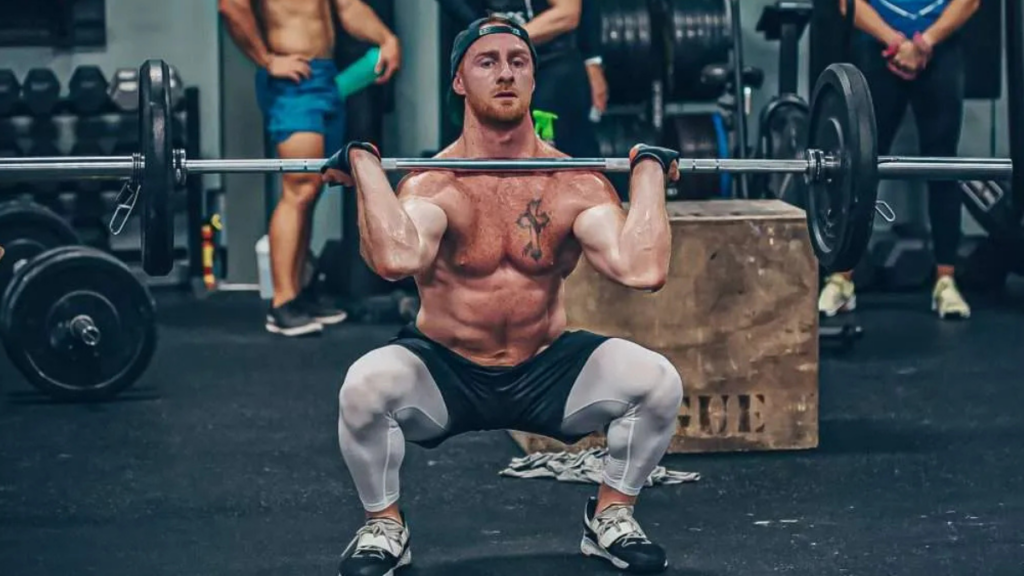
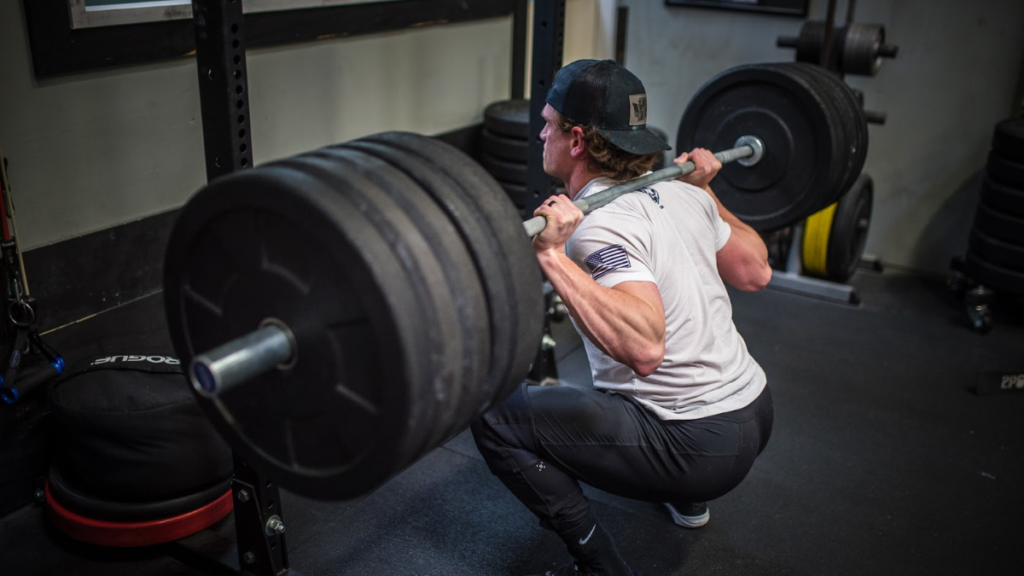
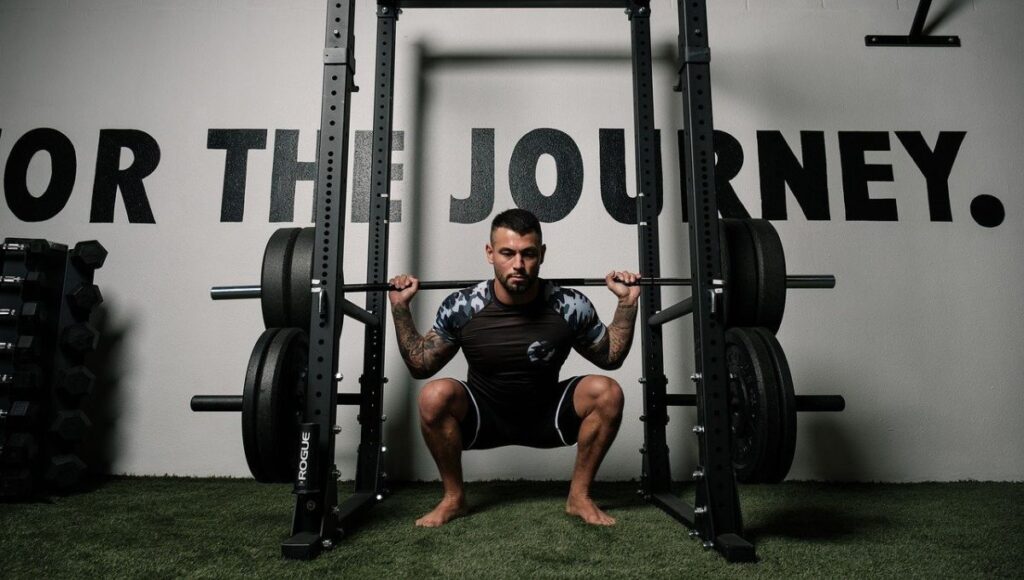
The goblet squat is one of the safest and most effective squat variations for beginners. Holding a dumbbell or kettlebell close to the chest encourages an upright posture while helping maintain balance.

Electromyography research shows squats strongly activate the quadriceps while also recruiting the glutes, hamstrings, adductors, calves, and core muscles. Unlike machines that isolate individual muscles, the goblet squat teaches the entire lower body to work together.
Muscles Worked
The primary muscles include the quadriceps and gluteus maximus. Secondary muscles include the hamstrings, adductors, calves, abdominal muscles, spinal stabilizers, and hip stabilizers.
How to Perform the Goblet Squat
- Stand with your feet approximately shoulder width apart while holding a dumbbell vertically against your chest.
- Brace your core and keep your chest lifted.
- Push your hips back slightly before bending your knees.
- Lower until your thighs reach roughly parallel with the floor or as low as your mobility comfortably allows.
- Drive through your whole foot to stand back up while squeezing your glutes at the top.
- Maintain controlled movement throughout every repetition.
Common Beginner Mistakes
Allowing the knees to collapse inward is one of the most common errors. Focus on keeping the knees tracking over the toes. Another mistake is rounding the lower back during the descent. Keeping the chest proud and core engaged helps maintain a neutral spine. Many beginners also lift their heels. If this happens, reduce the depth slightly while working on ankle mobility.
Why It Helps Create Lean Looking Legs
Squats develop the quadriceps, particularly the vastus lateralis and vastus medialis, which contribute to defined thighs. They also strengthen the glutes, creating balanced lower body development instead of overworking the front of the legs.
Exercise 2. Reverse Lunge
Why It Works
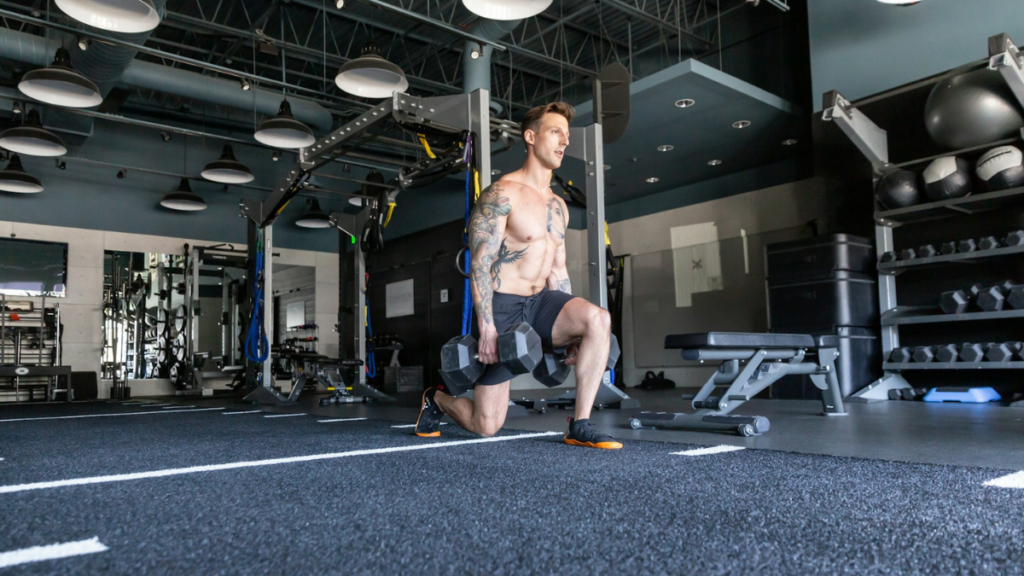
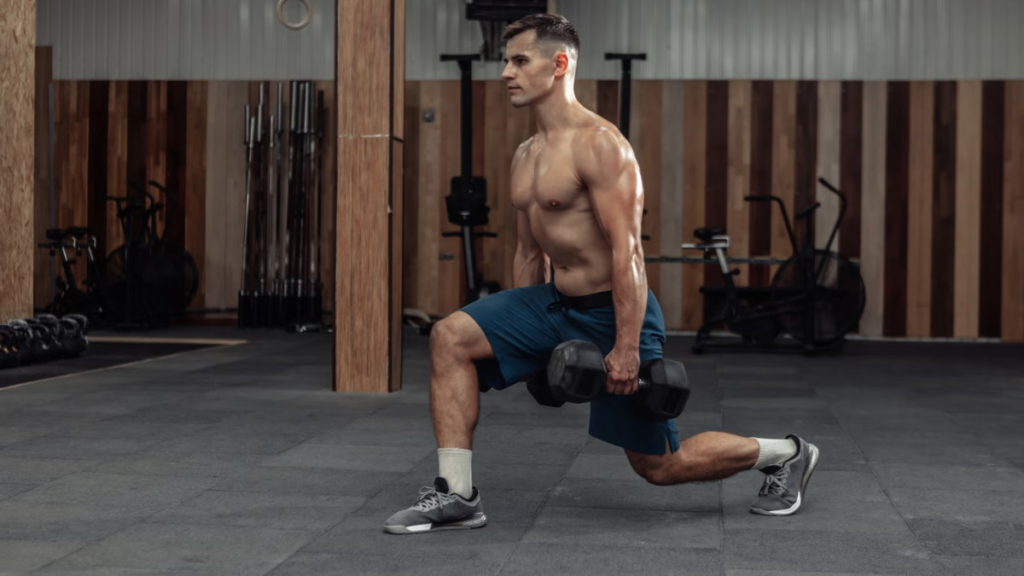
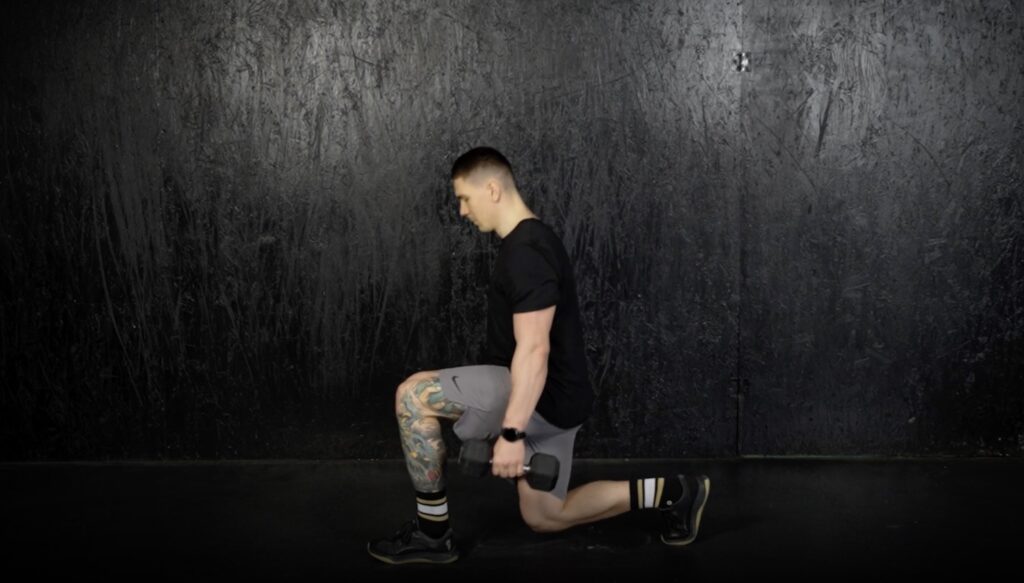
The reverse lunge trains one leg at a time, helping correct strength imbalances while improving coordination and stability. Stepping backward instead of forward reduces stress on the knees for many beginners while still producing high muscle activation throughout the thighs and glutes.
Research comparing lunge variations has shown significant activation of both quadriceps and gluteal muscles while simultaneously challenging balance and core stability.
Muscles Worked
The primary muscles include the quadriceps, gluteus maximus, and hamstrings. Supporting muscles include the calves, hip stabilizers, abdominal muscles, and lower back.
How to Perform the Reverse Lunge
- Stand tall with your feet together.
- Take one controlled step backward.
- Lower your back knee toward the floor until both knees are bent to about ninety degrees.
- Keep most of your weight on the front foot.
- Push through the front heel to return to standing.
- Complete all repetitions before switching sides or alternate legs with each repetition.
Common Beginner Mistakes
Taking steps that are too short often causes the front knee to travel excessively forward. Leaning the torso forward shifts stress away from the legs and onto the lower back. Rushing the movement reduces muscle activation. Slow, controlled repetitions improve both strength and balance.
Why It Helps Build Slim Looking Thighs
Because reverse lunges challenge each leg independently, they improve muscular symmetry while recruiting stabilizing muscles that are often neglected during machine based training.
How Many Sit Ups Should You Be Able to Do Based on Your Age?
This creates balanced leg development while increasing overall calorie expenditure through the large amount of muscle involved.
Exercise 3. Romanian Deadlift
Why It Works
Many beginners focus almost entirely on the front of the thighs while neglecting the posterior chain. The Romanian deadlift addresses this imbalance by strengthening the hamstrings and glutes, two of the largest muscles in the body.
Research consistently demonstrates that hip hinge exercises produce high activation of the hamstrings while improving hip strength and movement efficiency. A balanced relationship between the quadriceps and hamstrings also reduces injury risk and improves athletic performance.
Muscles Worked
The primary muscles include the hamstrings and gluteus maximus. Secondary muscles include the spinal erectors, upper back, forearms, and core.
How to Perform the Romanian Deadlift
- Hold two dumbbells in front of your thighs.
- Stand with your feet hip width apart and keep a slight bend in your knees.
- Push your hips backward while lowering the weights close to your legs.
- Lower until you feel a stretch in the hamstrings without rounding your back.
- Drive your hips forward to return to standing.
- Focus on moving through the hips rather than squatting downward.
Common Beginner Mistakes
The biggest mistake is bending the knees too much, turning the movement into a squat. Another common error is rounding the back. Maintain a neutral spine throughout every repetition. Letting the weights drift away from the body increases stress on the lower back. Keep the dumbbells close to your legs during the entire movement.
Why It Helps Shape the Legs
Strong hamstrings improve the appearance of the back of the thighs while creating better balance with the quadriceps.
The Romanian deadlift also develops the glutes, improving lower body shape while strengthening muscles that support walking, running, jumping, and climbing stairs.
How Often Should Beginners Train Their Legs?
Research suggests training each muscle group at least twice per week is effective for building strength and muscle. Beginners recover quickly from moderate training volumes, making two or three lower body sessions per week ideal.
Allow at least one day between sessions to give muscles time to recover and adapt. A simple workout might include three sets of eight to twelve repetitions for each exercise. Once that becomes comfortable, gradually increase the weight while maintaining proper technique. Progressive overload remains one of the most important principles for building stronger legs. The body adapts only when training becomes gradually more challenging over time.
Can These Exercises Help You Lose Thigh Fat?
No exercise specifically burns fat from the thighs. This concept, known as spot reduction, has been tested repeatedly in scientific research and consistently shown to be ineffective. Instead, overall fat loss occurs when the body maintains a calorie deficit over time.
Resistance training supports this process by preserving muscle during weight loss while improving body composition. People who combine strength training with regular walking, cycling, swimming, or other aerobic exercise generally experience greater improvements in fat loss than those relying on cardio alone.
The Importance of Nutrition
Exercise builds muscle, but nutrition largely determines whether muscle definition becomes visible. Eating enough protein supports muscle repair and growth after training. Current evidence suggests physically active adults benefit from consuming approximately 1.2 to 2.0 grams of protein per kilogram of body weight each day, depending on their training goals.
Whole foods rich in protein, fruits, vegetables, whole grains, and healthy fats provide the nutrients needed for recovery while supporting long term health. Adequate hydration also plays an important role in exercise performance and recovery.
Tips for Faster Progress
Consistency beats intensity for beginners. Learning proper technique before increasing weight reduces injury risk while producing better long term results. Sleep is equally important because muscle repair occurs primarily during recovery.
Tracking workouts helps ensure gradual progress over time. Finally, remember that visible changes take patience. Most beginners notice improvements in strength within a few weeks, while physical changes usually become noticeable after several months of consistent training and appropriate nutrition.
Final Thoughts
You do not need dozens of exercises to build stronger and leaner looking thighs. The goblet squat develops overall leg strength while emphasizing the quadriceps. The reverse lunge improves balance, coordination, and muscular symmetry while strengthening every major muscle in the legs. The Romanian deadlift completes the picture by targeting the hamstrings and glutes, creating balanced lower body development and improving functional movement.
Together, these three exercises train nearly every important muscle in the thighs while supporting long term strength, athletic performance, and healthier movement.
Remember that toned thighs come from building muscle and reducing overall body fat rather than trying to target fat loss in one specific area. Stay consistent, gradually increase the challenge, and combine resistance training with good nutrition for the best results.
Key Takeaways
| Topic | Key Point |
|---|---|
| Best Exercise 1 | Goblet squats strengthen the quadriceps, glutes, and core while teaching proper squat mechanics. |
| Best Exercise 2 | Reverse lunges improve balance, fix strength imbalances, and build both the quadriceps and glutes. |
| Best Exercise 3 | Romanian deadlifts strengthen the hamstrings and glutes while improving posture and hip function. |
| Training Frequency | Train your legs two to three times per week with recovery days between sessions. |
| Repetitions | Beginners should aim for three sets of eight to twelve controlled repetitions. |
| Fat Loss | Spot reduction is not supported by scientific evidence. Overall fat loss comes from a calorie deficit. |
| Muscle Definition | Toned thighs result from building muscle and lowering overall body fat. |
| Nutrition | Adequate protein intake supports muscle growth and recovery. |
| Progress | Increase weight gradually while maintaining proper technique. |
| Long Term Success | Consistency with exercise, nutrition, and recovery produces the best results. |
References
- American College of Sports Medicine (2009). Position Stand: Progression Models in Resistance Training for Healthy Adults. Medicine & Science in Sports & Exercise, 41(3), pp. 687 to 708.
- Ahtiainen, J.P., Pakarinen, A., Alen, M., Kraemer, W.J. and Häkkinen, K. (2003). Muscle hypertrophy, hormonal adaptations and strength development during strength training in strength trained and untrained men. European Journal of Applied Physiology, 89(6), pp. 555 to 563.
- Gentil, P., Fisher, J. and Steele, J. (2017). A review of the acute effects and long term adaptations of single and multi joint exercises during resistance training. Sports Medicine, 47(5), pp. 843 to 855.
- Schoenfeld, B.J. (2010). The mechanisms of muscle hypertrophy and their application to resistance training. Journal of Strength and Conditioning Research, 24(10), pp. 2857 to 2872.
- Schoenfeld, B.J., Ogborn, D. and Krieger, J.W. (2016). Effects of resistance training frequency on measures of muscle hypertrophy. Sports Medicine, 46(11), pp. 1689 to 1697.
- Schuenke, M.D., Herman, J.R., Gliders, R.M., Hagerman, F.C., Hikida, R.S., Rana, S.R., Ragg, K.E. and Staron, R.S. (2012). Early phase muscular adaptations in response to slow speed versus traditional resistance training regimens. European Journal of Applied Physiology, 112(10), pp. 3585 to 3595.
- Escamilla, R.F. (2001). Knee biomechanics of the dynamic squat exercise. Medicine & Science in Sports & Exercise, 33(1), pp. 127 to 141.
- Ebben, W.P., Fauth, M.L., Petushek, E.J., Garceau, L.R., Hsu, B.E., Lutsch, B.N. and Feldmann, C.R. (2009). Gender based analysis of hamstring and quadriceps muscle activation during lower extremity weight training exercises. Journal of Strength and Conditioning Research, 23(2), pp. 680 to 685.