

For most people, motorsport doesn’t immediately bring to mind SkiErgs, Bulgarian split squats and neck-strengthening exercises.
…but then most people haven’t spent 30 minutes wrestling a Formula 4 car around a circuit without power steering.


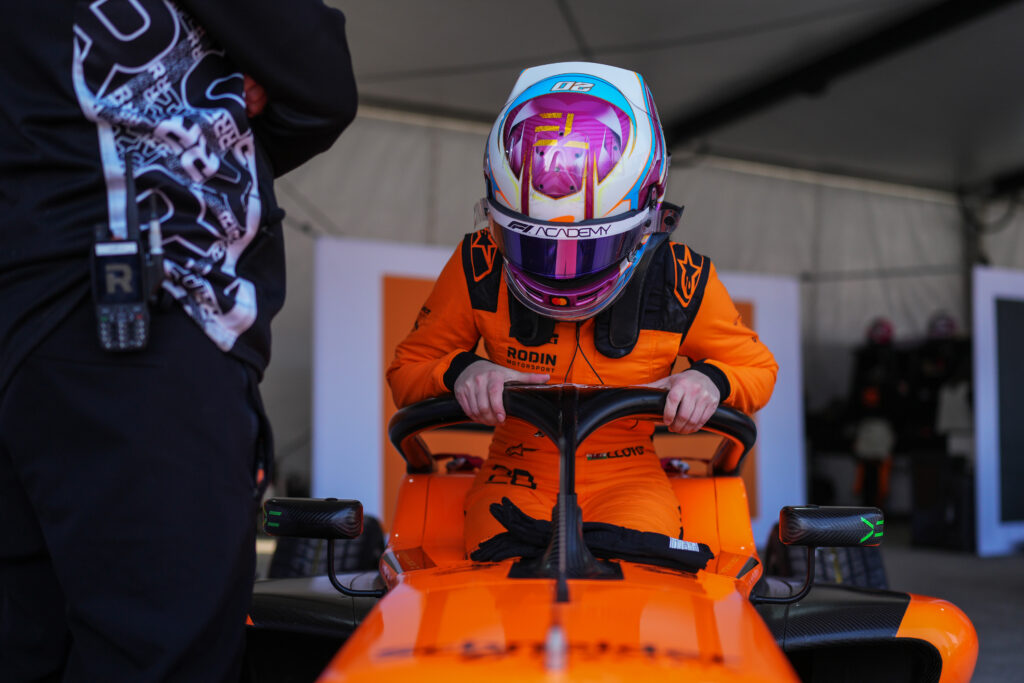
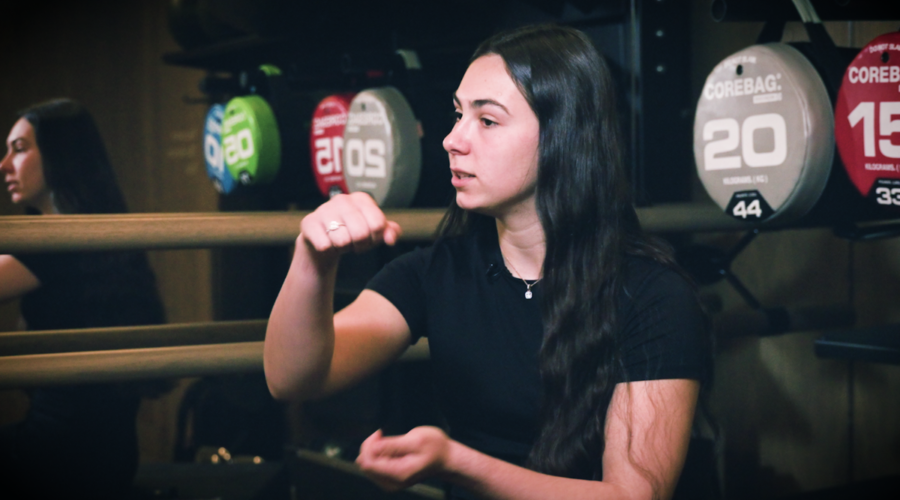
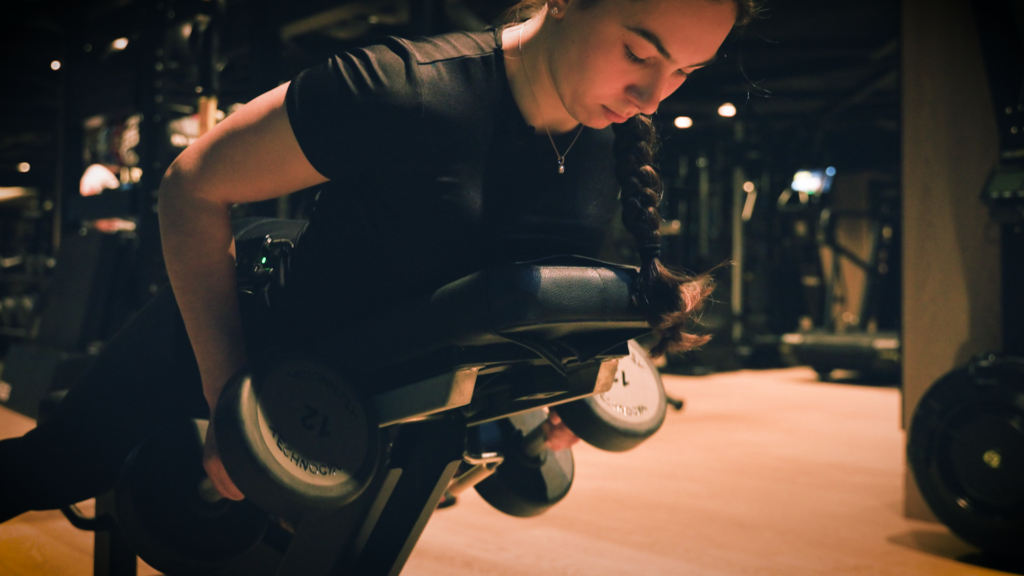
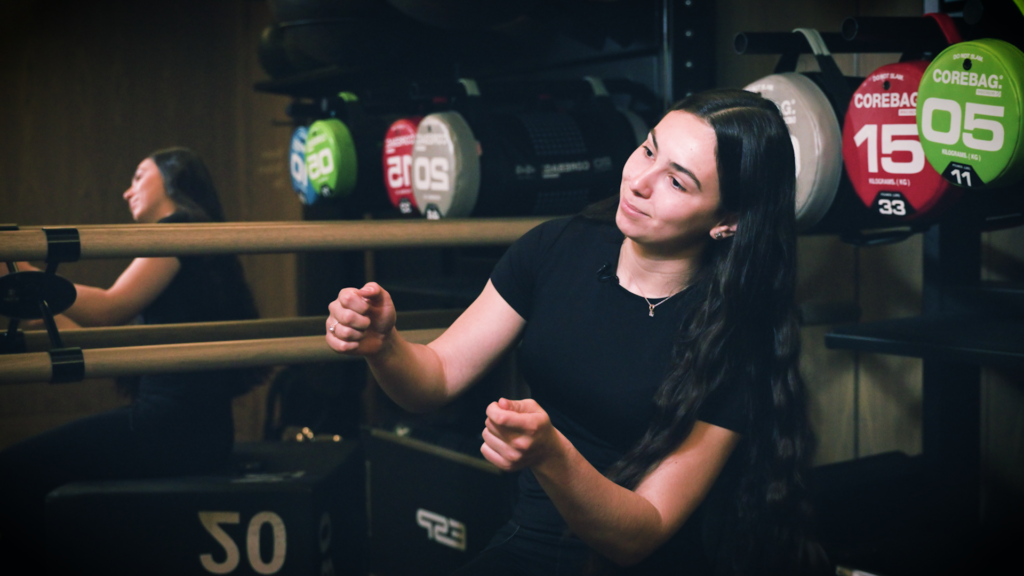
Inside The Londoner Retreat gym in central London, Ella Lloyd is midway through a training session designed to prepare her body for the demands of racing at the highest levels of junior motorsport when sitting down with us. Between mobility drills, lower-body strength work and core exercises, the 20-year-old McLaren F1 Academy Racing Driver is building the physical foundations she hopes will carry her to the very top of the sport.
“A lot of people just think, ‘Oh, you’re just driving a car around,’” Lloyd tells me. “But actually, it is quite physical.”
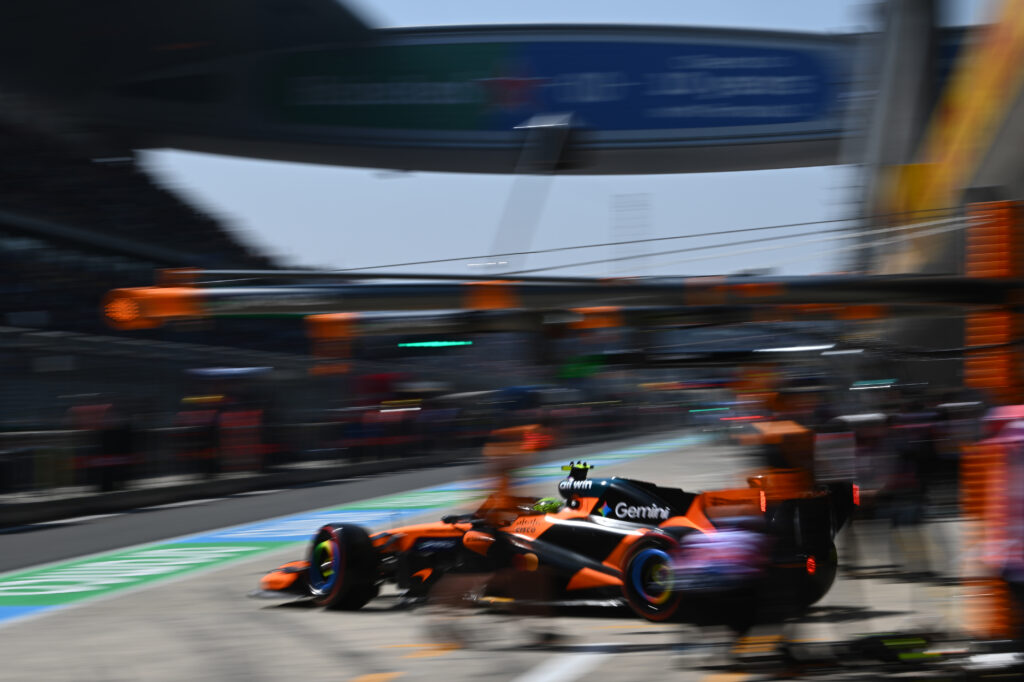
The Welsh driver is speaking from experience. Since making her competitive racing debut in 2022, Lloyd has progressed rapidly through the ranks, earning a place in McLaren’s driver development programme and becoming one of F1 Academy’s standout young talents. Yet behind every race weekend lies a training programme that looks more like that of a hybrid athlete than a traditional racing driver.
Why Motorsport Is More Physical Than Most People Realise
When Lloyd first stepped into a Formula 4 car, one of the biggest surprises wasn’t the speed, it was the physical effort required to drive it.
“In F4, you’ve got no power steering and you’re on slick tyres,” she explains. “When the tyres are hot and sticky, you’ve got quite a lot of grip and the steering wheel is quite heavy.”
“You’ve got no ABS, you’ve got nothing. The brake pedal is pretty hard and you’ve got to put a lot of force through the brake.”
While spectators see drivers sitting relatively still, the reality inside the cockpit is very different. Every corner demands concentration and physical control, while race distances require strength endurance throughout the body.
“When you’re doing a 30-minute race, you’ve got to have a lot of energy in your whole body,” Lloyd says. “Your arms have got to be able to last the whole race. Otherwise, towards the end you’ll fatigue and you won’t perform as well.”
Then there are the G-forces which we were keen to ask her about.
“I think the G-force is probably one of the more surprising things for people,” she says. “You’ve got to hold yourself. You can’t just lean your neck.”
The Strength Training Helping Lloyd Handle G-Forces
To cope with those demands, Lloyd trains three times per week in the gym when she isn’t racing or testing. Rather than splitting sessions into body-part days, most workouts include a combination of upper body, lower body and core work.
“In every session we do basically upper body, lower body and core,” she explains. “We do everything.”
Much of the training is specific to the demands of driving.
Single-leg exercises such as Bulgarian split squats help develop braking power while ensuring strength remains balanced between both sides of the body.
“I’m normally right-handed and right-footed, so that’s always been my stronger side,” Lloyd says. “But I’ve needed to get my left side stronger as well because that’s the braking foot.”
Explosive exercises such as repeated countermovement jumps are used to improve force production, while calf raises help reinforce the lower leg’s role during heavy braking.
Upper-body work focuses on both pushing and pulling patterns. Dumbbell chest presses and chest-supported rows feature regularly, helping Lloyd build the strength and endurance required to manage steering loads throughout a race.
Core training is another non-negotiable for Lloyd who takes us through the importance of it in her workouts.
“Dish holds are a bit of a killer,” she says, laughing. “But they get the core working. You’ve got to brace yourself in the car and hold position through the corners.”
Alongside core work, Lloyd performs dedicated neck training and steering drills designed to replicate some of the unique stresses experienced on track.
“G-force is hard to replicate,” she says. “I do a lot of neck training and a lot of core work. That’s probably the closest you’re going to get.”
Long Before Motorsport, Skiing And Horse Riding Helped Shape The Athlete She Is Today
Long before motorsport entered the picture, Lloyd was already developing many of the athletic qualities she relies on today.
Growing up in Wales, she competed in both skiing and showjumping, winning gold at the Welsh Skiing Championships and achieving success on horseback.
Looking back, she believes both sports accelerated her development as a racing driver.
“In ski racing you’ve got to have a feel of your skis and what surface you’ve got underneath,” she explains. “Whether it’s a little bit icy or a little bit more powder.”

That awareness translates surprisingly well to motorsport. “You’ve got to feel what the car’s doing, but also what the tyres are doing on the tarmac. You’ve got to feel if it’s sliding or over-slipping.”
Horse riding offered similar lessons. “You’ve got to have strong legs to hold onto your horse,” she says. “But also you’ve got to feel what the horse is doing all the time.”
Combined with the need to process information quickly while travelling at speed, Lloyd believes both sports helped prepare her for life on the circuit.
“Things are coming at you fast, so you’ve got to think quick,” she says.
Recovery, Mobility And Staying Healthy Through A Race Season
For Lloyd, performance isn’t just about training hard. It’s about staying healthy enough to train consistently throughout a long season.
One of the biggest challenges of motorsport comes from the position drivers spend hours in every weekend. “When you’re driving the car, you’re quite hunched and in this really horrible position,” she says. “Your posture gets awful.”
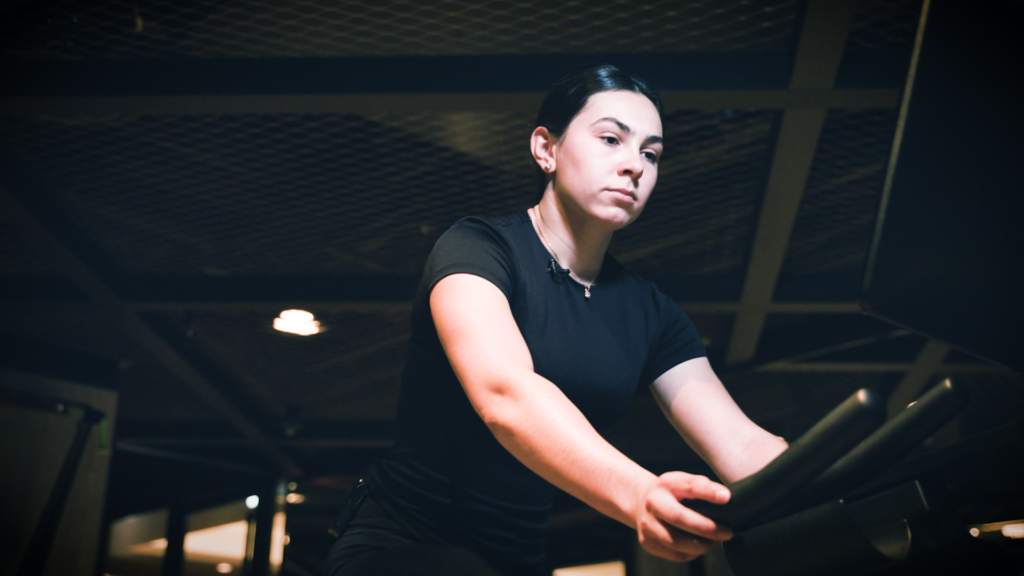
As a result, mobility work forms a significant part of her routine. “You’ve got to reverse everything that you do in the car,” Lloyd explains. “Make sure your shoulders are back and your posture is good.”
Race weeks typically involve lighter training, mobility sessions and recovery-focused cardio. “If we decide to do a recovery day, we’ll do a 40-minute bike session, just zone two,” she says. “Mainly for recovery.”
Shoulder health, hip mobility and movement quality also feature heavily in her warm-ups. “Once you’re in the car and you’re all crunched up, you’ve got to open everything back up and keep those muscles healthy.”
Training For Performance, Not Just Fitness
Spend five minutes talking to Lloyd and one thing becomes clear: she enjoys the process of training. Like many athletes, she’s motivated by progress.
“Even in the gym, if we’ve done a certain weight the session before, I’m always pushing to get a PB,” she says.
That mindset has transformed her physically over the past few years. “If you see pictures of me four years ago, I’d look completely different to now,” she says. “You can tell that I’m a lot stronger.”
The goal isn’t to lift the heaviest weight possible or chase numbers for the sake of it. Every session serves a purpose.
Whether it’s strengthening her neck for greater G-forces, improving braking power through her left leg or building the endurance required to stay sharp late in a race, Lloyd’s training is centred around performance.
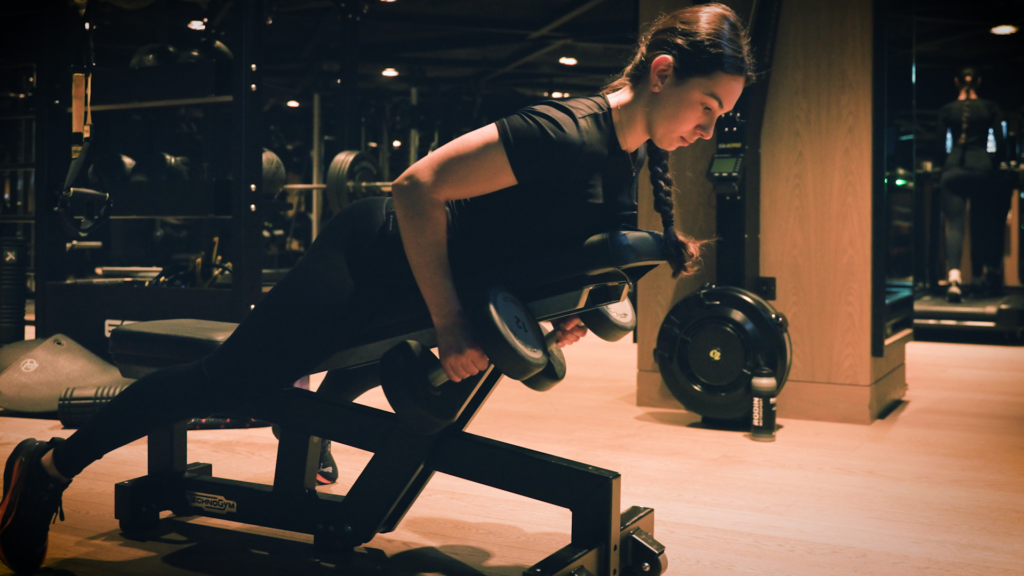
And with another F1 Academy campaign ahead, there’s plenty to train for. “This year is a crucial year,” she says. “I just need to be as fit and as recovered as possible for the weekends and maximise as much as I can.”
For now, that means continuing to do the work behind the scenes.
The races may last only minutes, but the preparation takes place year-round. And for Lloyd, every gym session is another step towards the next challenge waiting on track.
Watch the Video
Watch the full interview here:
Learn more about Ella on her insta.