

Strength is one of the most important physical qualities for long term health, athletic performance, injury resilience, and quality of life. Most people think they know whether they are strong or weak, but strength is surprisingly difficult to assess objectively. Lifting heavy weights in the gym is one indicator, yet true strength includes relative strength, movement control, muscular endurance, and the ability to produce force across different movement patterns.
Researchers consistently find that higher levels of muscular strength are associated with lower all cause mortality, reduced cardiovascular disease risk, better metabolic health, improved bone density, and greater functional independence throughout life. Strength is not just about performance. It is one of the clearest markers of physical capability and healthy aging.


The challenge is that many gym goers train for years without knowing how their strength compares against meaningful standards. Can you squat your bodyweight? Can you perform strict pull ups? Can you carry heavy loads over distance? These benchmarks provide practical insights into real world strength.

The five tests below evaluate different aspects of strength. Some emphasize maximal force production while others examine relative strength and muscular endurance. Together, they create a well rounded picture of physical capability.
The question is simple: can you pass them?
Why Strength Testing Matters
Strength assessments have long been used in sports science, military settings, and rehabilitation programs because they provide objective measures of physical capacity.
Muscular strength is strongly associated with athletic performance across a wide range of sports. Stronger athletes typically sprint faster, jump higher, change direction more effectively, and tolerate greater training volumes. Beyond sport, strength is one of the most important predictors of functional independence and healthy aging.
Testing also highlights weaknesses that may not be obvious during normal training. Someone with a large bench press may struggle with pulling strength. Another athlete may have strong legs but poor grip endurance. Identifying these gaps allows for more effective training.
A good strength test should be safe, reproducible, easy to perform, relevant to real world performance, and supported by scientific evidence. The following five tests meet those criteria.
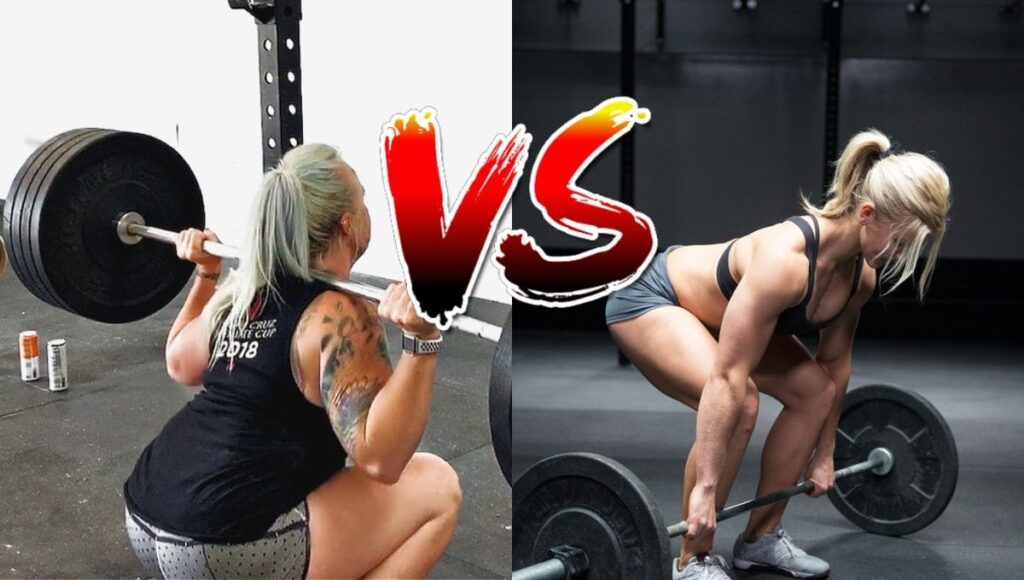
Test 1: The Bodyweight Back Squat

What Is the Test?
The standard is straightforward. Men should be able to squat at least their bodyweight for one repetition with proper depth, while women should aim for approximately 0.8 times bodyweight. More advanced lifters may reach substantially higher levels. Strength coaches often consider a double bodyweight squat for men and a 1.5 times bodyweight squat for women as indicators of excellent lower body strength.
Why It Matters
The squat is one of the most studied resistance training exercises. It develops strength in the quadriceps, glutes, adductors, hamstrings, and trunk musculature while requiring significant coordination and mobility.
Research consistently demonstrates that lower body strength contributes to athletic performance through improved sprinting, jumping, and change of direction ability. Strong squat performance is also associated with improved functional capacity throughout life.
Unlike machine exercises, the squat requires the body to stabilize substantial external loads while moving through a large range of motion. This makes it an excellent indicator of overall lower body strength.
Pass or Fail?
Passing requires more than simply standing up with the weight. You should be able to squat your bodyweight while maintaining a neutral spine, reaching at least parallel depth, and controlling both the lowering and lifting phases of the movement. If depth is incomplete, technique breaks down significantly, or assistance is required to complete the lift, the standard has not been met.
What Your Result Means
Passing this test suggests you possess a solid foundation of lower body strength. Failing does not necessarily indicate weakness, but it often reveals deficits in strength, mobility, technique, or confidence under load.
Test 2: The Strict Pull Up Test
What Is the Test?
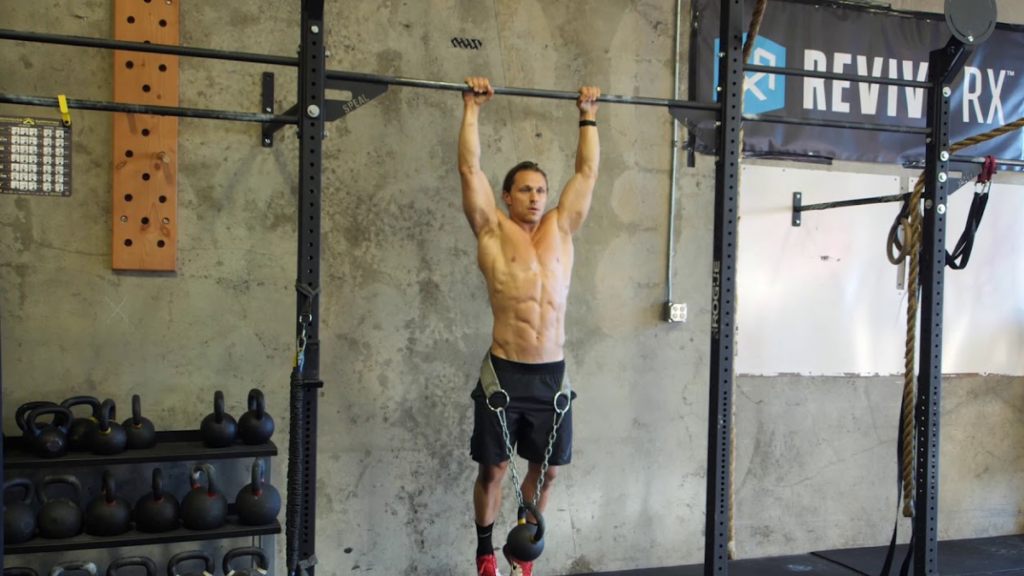
Perform as many strict pull ups as possible using an overhand grip. Each repetition should begin from a dead hang, be performed without swinging or kipping, and finish with the chin clearly passing above the bar.
Performance Standards
For men, completing fewer than three strict pull ups is generally considered below average. Performing three to seven repetitions reflects average strength, while eight to twelve repetitions indicates a good level of relative strength. Completing thirteen or more repetitions is typically regarded as excellent.
For women, the ability to perform even a single strict pull up places an athlete above many recreationally active adults. One to three repetitions is generally considered average, four to seven repetitions indicates good relative strength, and eight or more repetitions is an excellent result.
Why It Matters
Pull ups assess relative strength, which refers to strength in relation to bodyweight. This is often more relevant than absolute strength for athletic performance and movement efficiency.
Research demonstrates that upper body pulling strength contributes significantly to athletic capability, shoulder health, and functional movement. Pull ups also heavily challenge grip strength, which itself is a powerful predictor of overall health outcomes.
The exercise recruits the latissimus dorsi, biceps, forearm muscles, trapezius, rhomboids, and core musculature simultaneously.
Pass or Fail?
For general fitness, men should be able to perform at least eight strict repetitions and women should be able to perform at least four. Meeting these standards demonstrates a solid balance of bodyweight control and upper body pulling strength.
What Your Result Means
Athletes who excel at pull ups often demonstrate excellent relative strength and body control. Struggling with pull ups frequently reflects an imbalance between body mass and upper body strength.
Improving pull up performance generally enhances overall athleticism because the exercise develops multiple muscle groups while reinforcing movement efficiency.
Test 3: The Farmer’s Carry Challenge

What Is the Test?
Carry a pair of dumbbells or kettlebells totaling your bodyweight for 30 meters without stopping. A 180 pound athlete would carry two 90 pound implements, while a 150 pound athlete would carry two 75 pound implements. The walk should be completed under control with good posture throughout.
Why It Matters
Loaded carries are among the most practical expressions of real world strength.
Research shows that carrying heavy loads challenges grip strength, trunk stability, postural control, and lower body force production simultaneously. Few exercises integrate as many muscle groups at once.
The farmer’s carry heavily involves the forearms, hands, trapezius, core, glutes, and legs while placing a significant demand on postural stability. Grip strength deserves particular attention because numerous studies have linked stronger grip strength with lower mortality risk, better cardiovascular health, and improved physical function.
Pass or Fail?
To pass, you must carry a total load equal to your bodyweight for 30 meters without dropping the weights, leaning excessively, or losing posture. The movement should remain controlled from start to finish.
What Your Result Means
This test evaluates strength that translates directly into daily life. Whether carrying groceries, luggage, equipment, or children, loaded carry strength has practical applications that extend far beyond the gym.
Athletes who perform well here often possess excellent total body coordination and force transfer.
Test 4: The Bench Press Bodyweight Standard
What Is the Test?
Perform a single repetition bench press equal to your bodyweight. Men should aim for at least bodyweight, while women should aim for approximately 75 percent of bodyweight. More advanced standards exist, but these represent solid foundational goals for general strength.
Why It Matters
The bench press remains one of the most researched upper body strength exercises.
It primarily develops the pectoral muscles, anterior deltoids, and triceps while allowing athletes to produce substantial amounts of force. Research consistently shows that upper body pushing strength contributes to athletic performance, functional capability, and overall strength development.
Although some critics argue that the bench press lacks direct real world relevance, it remains one of the most effective methods for measuring upper body force production.
Pass or Fail?
Men pass by pressing their bodyweight through a full range of motion without assistance. Women pass by pressing approximately 75 percent of bodyweight under the same conditions. Partial repetitions or assisted lifts should not count.
What Your Result Means
Passing indicates a solid level of upper body strength. Combined with strong pulling performance, it suggests balanced development across major upper body muscle groups.
If you pass the bench press test but struggle with pull ups, additional pulling volume may help address muscular imbalances.
Test 5: The Deadlift 1.5 Times Bodyweight Test
What Is the Test?
Perform a conventional or sumo deadlift equal to 1.5 times your bodyweight. For example, a 200 pound athlete would deadlift 300 pounds, while a 160 pound athlete would deadlift 240 pounds.
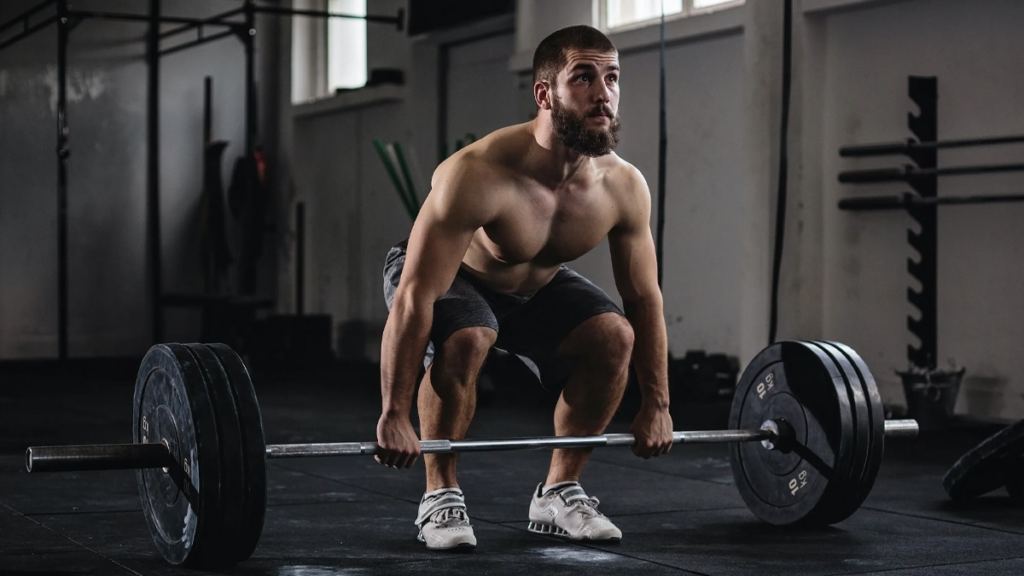
Elite athletes often exceed twice bodyweight, but 1.5 times bodyweight remains an excellent benchmark for general strength.
Why It Matters
The deadlift is one of the purest measures of total body strength.
The movement recruits the glutes, hamstrings, spinal erectors, quadriceps, trapezius, forearms, and core musculature. Research demonstrates strong relationships between maximal lower body strength and athletic performance metrics such as sprint speed, vertical jump height, and power production.
The deadlift also teaches efficient force transfer from the ground through the entire kinetic chain, making it highly relevant to both sport and everyday physical tasks.
Pass or Fail?
Passing requires lifting 1.5 times bodyweight to full lockout while maintaining sound technique. The spine should remain neutral throughout the movement and the lift should be completed without excessive hitching or compensatory movement patterns.
What Your Result Means
Passing indicates strong posterior chain development and total body force production.
The posterior chain plays a crucial role in nearly every athletic movement, including sprinting, jumping, climbing, and lifting. Athletes who fail this test often benefit from focused development of the glutes, hamstrings, and spinal stabilizers.
How Many Tests Should You Pass?
Strength exists on a continuum rather than as a simple yes or no quality.
If you pass none or only one of these tests, there is likely considerable room for strength development. Passing two tests generally reflects average strength levels for a recreationally active adult. Passing three tests indicates good overall strength and suggests a reasonably balanced physique. Athletes who pass four tests demonstrate very good strength across multiple movement patterns, while those who pass all five possess excellent all around physical capability.
Importantly, these tests complement one another. No single assessment provides a complete picture. Someone may excel in the squat and deadlift while struggling with pull ups. Another athlete may possess exceptional relative strength but lower maximal strength. The goal is not perfection. The goal is identifying strengths and weaknesses so training can become more effective.
Common Mistakes When Testing Strength
Many people unintentionally distort test results through poor execution.
Using partial range of motion, sacrificing technique for heavier loads, testing while fatigued, skipping an adequate warm up, or comparing results across inconsistent standards can all create misleading outcomes.
Strength testing should occur under consistent conditions. Adequate sleep, proper nutrition, sufficient hydration, and appropriate recovery all influence performance. Proper technique should always take priority over the amount of weight lifted.
Building Strength If You Fail
Failing a strength test is not a problem. It is information.
Research consistently shows that progressive resistance training is highly effective for increasing muscular strength across all age groups. Most individuals can make substantial strength gains within months of structured training.
The key principles remain remarkably simple. Athletes should train major movement patterns regularly, gradually increase resistance over time, prioritize recovery, consume sufficient protein, and remain consistent with their training.
Novice lifters often experience the fastest improvements because neurological adaptations occur rapidly during the early stages of resistance training. The combination of progressive overload, proper nutrition, and sufficient recovery remains the most reliable path to improved strength.
The Bottom Line
Strength is more than a number on a barbell. It is a physical quality that influences athletic performance, injury resilience, metabolic health, and long term function.
These five tests provide a practical way to assess whether your strength is balanced, functional, and transferable to real world situations.
The bodyweight squat evaluates lower body force production. The strict pull up measures relative strength and body control. The farmer’s carry assesses grip strength and functional performance. The bench press evaluates upper body pushing power, while the deadlift measures total body force production and posterior chain strength.
Passing all five is an impressive achievement. Passing some but not others reveals opportunities for improvement. Failing several simply identifies where focused training can produce the greatest gains.
The real value is not the score itself. The real value is using the results to become stronger, healthier, and more capable.
Key Takeaways
| Test | Pass Standard | Primary Quality Assessed |
|---|---|---|
| Back Squat | Bodyweight squat (men), 0.8 x bodyweight (women) | Lower body strength |
| Pull Up | 8+ reps men, 4+ reps women | Relative upper body strength |
| Farmer’s Carry | Carry bodyweight total load for 30 meters | Functional strength and grip |
| Bench Press | Bodyweight men, 75% bodyweight women | Upper body pushing strength |
| Deadlift | 1.5 x bodyweight | Total body strength |
| Pass 3 Tests | Good overall strength | Balanced development |
| Pass 5 Tests | Excellent overall strength | High level physical capability |
Bibliography
• Bohannon, R.W. (2019) ‘Grip strength: An indispensable biomarker for older adults’, Clinical Interventions in Aging, 14, pp. 1681-1691.
• Comfort, P., Stewart, A., Bloom, L. and Clarkson, B. (2014) ‘Relationships between strength, sprint, and jump performance in well trained youth soccer players’, Journal of Strength and Conditioning Research, 28(1), pp. 173-177.
• Cruz-Jentoft, A.J., Bahat, G., Bauer, J., Boirie, Y., Bruyère, O., Cederholm, T., Cooper, C., Landi, F., Rolland, Y., Sayer, A.A., Schneider, S.M., Sieber, C.C., Topinkova, E., Vandewoude, M. and Visser, M. (2019) ‘Sarcopenia: Revised European consensus on definition and diagnosis’, Age and Ageing, 48(1), pp. 16-31.
• García-Ramos, A., Haff, G.G., Pestaña-Melero, F.L., Pérez-Castillo, I.M., Rojas, F.J. and Balsalobre-Fernández, C. (2018) ‘Feasibility of the bench press exercise to determine upper body strength’, International Journal of Sports Physiology and Performance, 13(5), pp. 566-573.
• Granacher, U., Gollhofer, A., Hortobágyi, T., Kressig, R.W. and Muehlbauer, T. (2013) ‘The importance of trunk muscle strength for balance, functional performance, and fall prevention in seniors’, Sports Medicine, 43(7), pp. 627-641.
• Keiner, M., Sander, A., Wirth, K. and Schmidtbleicher, D. (2014) ‘Long term strength training effects on change of direction sprint performance’, Journal of Strength and Conditioning Research, 28(1), pp. 223-231.
• Lopez, P., Taaffe, D.R., Galvão, D.A., Newton, R.U., Nonemacher, E.R., Wendt, V.M., Zanchi, N.E., Gerchman, F. and Cadore, E.L. (2018) ‘Resistance training effectiveness on strength development in older adults’, Journal of Aging and Physical Activity, 26(3), pp. 527-538.
• McLeod, M., Stokes, T. and Phillips, S.M. (2019) ‘Resistance exercise training as a primary countermeasure to age related chronic disease’, Frontiers in Physiology, 10, Article 645.
• Suchomel, T.J., Nimphius, S. and Stone, M.H. (2016) ‘The importance of muscular strength in athletic performance’, Sports Medicine, 46(10), pp. 1419-1449.
• Westcott, W.L. (2012) ‘Resistance training is medicine: Effects of strength training on health’, Current Sports Medicine Reports, 11(4), pp. 209-216.