

Building bigger arms after 30 is not only possible, it can be surprisingly effective when training is focused on the exercises that create the greatest muscle building stimulus. Many people assume that growing muscle becomes dramatically harder once they leave their twenties. While some physiological changes do occur with age, research consistently shows that adults in their thirties, forties, fifties, and beyond can still gain significant muscle mass through properly designed resistance training.
The key is choosing exercises that maximize muscle recruitment, allow progressive overload, and provide enough training volume to stimulate growth without creating unnecessary joint stress. This becomes increasingly important after 30 because recovery capacity often changes, daily responsibilities increase, and training efficiency matters more than ever.



When it comes to arm development, many gym goers spend countless hours performing endless variations of curls and pushdowns without seeing meaningful results. The truth is that a small number of highly effective exercises can drive the majority of arm growth when performed correctly and consistently.
The three exercises in this article stand out because they train the biceps and triceps through large ranges of motion, create high levels of muscle activation, and make it easy to progressively increase training demands over time. Together, they target the muscles responsible for arm size while supporting long term joint health and strength.
Why Arm Growth Changes After 30
Before looking at the exercises themselves, it is important to understand why arm training may need a slightly different approach after age 30.
Muscle protein synthesis gradually becomes less responsive with age. This does not mean muscle growth stops. Instead, it means training quality, recovery, and nutrition become increasingly important. Research demonstrates that resistance training remains one of the most effective tools for maintaining and building muscle mass throughout adulthood.
5 Signs Your Fitness is Better than Average for Your Age
Another factor is recovery. While many people in their thirties recover well from hard training, recovery resources are often limited by work, family responsibilities, stress, and sleep quality. Choosing exercises that provide a large return on investment becomes more valuable than simply adding more volume.
Joint health is also worth considering. Heavy lifting remains beneficial, but repeatedly performing movements that place unnecessary stress on the elbows, wrists, and shoulders can eventually limit training consistency. The best arm exercises after 30 are those that challenge the muscles while remaining sustainable for years. The following three exercises meet those criteria exceptionally well.
Exercise 1: Chin Up

Why Chin Ups Build Bigger Arms
Many people think of chin ups primarily as a back exercise. While they certainly develop the lats and upper back, they are also one of the most effective biceps builders available.
The underhand grip used during a chin up places the biceps in a mechanically advantageous position. As the body is pulled upward, the elbow flexors must generate substantial force to move the entire body through space. This creates a level of loading that is difficult to match with traditional isolation exercises.
Electromyography research has shown high levels of biceps activation during chin ups. Because the exercise involves moving bodyweight rather than a small external load, the biceps are exposed to significant tension throughout the movement.
Muscle growth is driven largely by mechanical tension. Chin ups excel in this area because they allow progressive overload over long periods. Once bodyweight chin ups become easy, additional weight can be added using a dip belt or weighted vest.
How to Perform the Chin Up
Start by gripping the bar with palms facing toward you at approximately shoulder width. Hang with arms fully extended and shoulders stable. Initiate the movement by pulling the chest toward the bar while driving the elbows downward. Continue pulling until the chin clears the bar. Lower under control until the arms are fully extended again.
Avoid swinging or using momentum. Controlled repetitions create greater muscular tension and reduce unnecessary stress on the joints.
Why It Works After 30
One reason chin ups are so valuable after 30 is efficiency. They simultaneously train the biceps, brachialis, forearms, lats, rear shoulders, and core.
This means more muscle building stimulus in less time. Since many adults have limited training availability, exercises that train multiple muscle groups effectively provide a significant advantage.
The ability to progressively add resistance also makes chin ups a long term growth tool. Unlike some isolation movements that eventually become difficult to load meaningfully, weighted chin ups can continue driving adaptation for years.
Programming Recommendations
For muscle growth, most lifters benefit from performing three to five sets of six to twelve repetitions.
If bodyweight chin ups are too challenging, assisted variations using resistance bands or assisted machines can provide an excellent starting point.
If bodyweight chin ups are already easy, adding external weight is usually the best progression strategy.
Exercise 2: Incline Dumbbell Curl

Why Incline Curls Are Superior for Biceps Development
If there is one isolation exercise that deserves a permanent place in an arm building program, it is the incline dumbbell curl. The unique benefit of this movement comes from the starting position. Sitting on an incline bench places the shoulders in extension, moving the upper arms behind the torso. This stretches the long head of the biceps significantly before the lifting phase begins.
Research increasingly suggests that training muscles at longer muscle lengths may enhance hypertrophy. Exercises that challenge muscles while stretched appear capable of producing substantial growth adaptations.
The incline dumbbell curl takes full advantage of this principle. The biceps begin each repetition under tension in an elongated position and continue generating force through a large range of motion.
Understanding the Long Head of the Biceps
The biceps brachii consists of two heads: the long head and the short head. The long head contributes significantly to the peak appearance of the biceps. Because it crosses the shoulder joint, its length changes depending on arm position.
When the upper arm moves behind the torso, as it does during an incline curl, the long head experiences greater stretch. This makes the exercise particularly effective for targeting this portion of the muscle.
How to Perform the Incline Dumbbell Curl
Set an adjustable bench to approximately 45 to 60 degrees. Sit back with a dumbbell in each hand and allow the arms to hang naturally toward the floor. Keep the upper arms relatively fixed throughout the movement.
Curl the weights upward while rotating the palms toward the shoulders. Squeeze the biceps at the top, then lower slowly until the arms are fully extended.
Avoid swinging the weights or allowing the shoulders to roll forward. The effectiveness of the exercise comes from maintaining tension through the full range of motion.
Why It Works After 30
As people age, exercise selection becomes increasingly important. The incline curl delivers high levels of muscular tension without requiring extremely heavy loads.
This makes it joint friendly while still providing a powerful hypertrophy stimulus.
The movement also complements chin ups perfectly. Chin ups emphasize heavy loading and compound movement patterns, while incline curls provide targeted stress directly to the biceps through a stretched position.
Together they cover multiple mechanisms associated with muscle growth.
Programming Recommendations
Perform three to four sets of eight to fifteen repetitions. A controlled eccentric phase is particularly important. Lowering the weight slowly increases time under tension and enhances the stimulus placed on the muscle. Focus on achieving a deep stretch at the bottom of every repetition.
Exercise 3: Close Grip Bench Press
Why Bigger Arms Require More Triceps Training
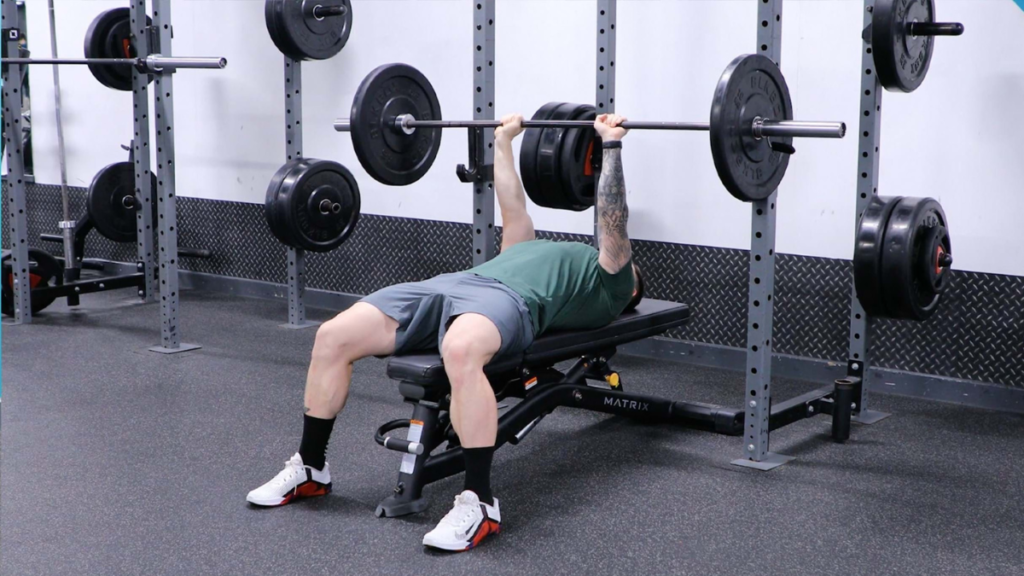
Many lifters focus almost exclusively on biceps when trying to build bigger arms. This is a mistake. The triceps account for a larger percentage of upper arm mass than the biceps. If the goal is maximum arm size, triceps development cannot be ignored. One of the best exercises for adding overall arm mass is the close grip bench press.
Unlike isolation exercises that train only a portion of the triceps, the close grip bench press allows heavy loading while recruiting all three triceps heads along with the chest and shoulders.
The Science Behind Heavy Compound Triceps Training
Mechanical tension remains one of the primary drivers of hypertrophy. Because the close grip bench press permits substantial loads, it exposes the triceps to high levels of tension over time. Progressive overload becomes straightforward because weight can be increased incrementally as strength improves.
Research consistently demonstrates that compound resistance exercises are effective for stimulating muscle growth. The close grip bench press combines the benefits of heavy loading with substantial triceps involvement.
How to Perform the Close Grip Bench Press
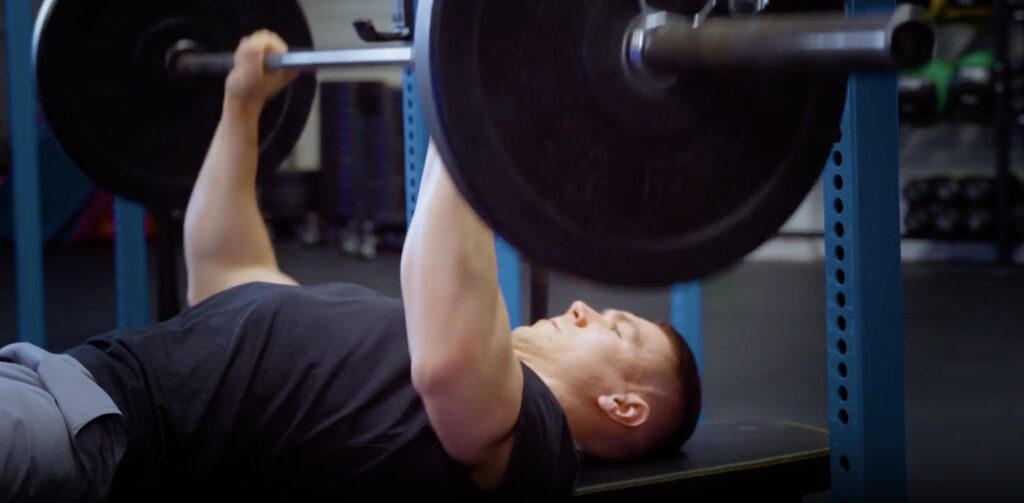
- Lie on a flat bench with hands positioned slightly narrower than shoulder width.
- Unrack the barbell and lower it under control toward the lower chest or upper sternum area.
- Keep the elbows relatively close to the body while pressing the bar back to the starting position.
- The grip should be close enough to increase triceps involvement but not so narrow that wrist discomfort occurs.
- A moderate close grip is typically more comfortable and equally effective for most lifters.
Why It Works After 30
The close grip bench press offers a combination of muscle building and strength development. Maintaining strength becomes increasingly important with age because strength levels are strongly associated with functional capacity and long term health outcomes.
The exercise also allows significant training stimulus without requiring the extremely high repetition volumes often associated with smaller isolation movements. For many lifters over 30, this balance between effectiveness and efficiency is ideal.
Programming Recommendations
Perform three to five sets of five to ten repetitions. Focus on controlled technique and steady progression rather than maximal loading. Adding small amounts of weight consistently over time often produces better long term results than pursuing aggressive increases.
The Importance of Progressive Overload
No exercise builds bigger arms on its own. Muscle growth occurs when training demands gradually increase over time. This principle, known as progressive overload, remains fundamental regardless of age.
Progressive overload can be achieved by increasing weight, performing more repetitions, adding sets, improving technique, or increasing range of motion. The three exercises discussed here are particularly effective because they make progression straightforward.
A lifter can add weight to chin ups, increase dumbbell loads during incline curls, and steadily progress the close grip bench press for years. Consistency with progressive overload is often the difference between impressive arm growth and stagnant results.
Common Mistakes That Limit Arm Growth
One of the biggest mistakes is performing excessive isolation work while neglecting heavy compound exercises. Another common issue is changing exercises too frequently. Consistent exposure to productive movements allows measurable progression and adaptation.
Many lifters also fail to train close enough to muscular fatigue. While every set does not need to reach failure, effective hypertrophy training generally requires challenging effort levels. Poor nutrition and inadequate sleep can further limit results regardless of exercise selection. The solution is surprisingly simple. Focus on a small number of proven exercises, train them hard, recover well, and remain patient.
Final Thoughts
Building bigger arms after 30 does not require complicated routines or endless exercise variations. The most effective strategy is often the simplest one. Chin ups provide exceptional biceps stimulation through heavy compound loading. Incline dumbbell curls challenge the biceps in a stretched position that supports hypertrophy. Close grip bench presses develop the triceps, which make up the majority of upper arm mass.
Combined with progressive overload, adequate protein intake, and consistent recovery habits, these three exercises can help adults continue building impressive arms well beyond their twenties.
Age may influence how you train, recover, and program your workouts, but it does not eliminate your ability to gain muscle. The science is clear. Resistance training remains one of the most powerful tools available for increasing muscle size, strength, and long term physical function throughout adulthood.
Key Takeaways
| Exercise | Primary Benefit | Recommended Rep Range | Why It Works After 30 |
|---|---|---|---|
| Chin Up | Heavy biceps and upper body loading | 6 to 12 reps | Efficient compound movement with excellent progression potential |
| Incline Dumbbell Curl | Stretched position biceps hypertrophy | 8 to 15 reps | High muscle tension with relatively low joint stress |
| Close Grip Bench Press | Triceps mass and strength development | 5 to 10 reps | Builds the larger arm muscle while supporting overall strength |
| Combined Approach | Complete arm development | Multiple ranges | Targets biceps and triceps through complementary mechanisms |
| Progressive Overload | Long term muscle growth | Ongoing | Ensures continuous adaptation and hypertrophy |
References
• American College of Sports Medicine (2009) ‘Progression models in resistance training for healthy adults’, Medicine & Science in Sports & Exercise, 41(3), pp. 687-708.
• Grgic, J., Schoenfeld, B.J. and Latella, C. (2020) ‘Resistance training to muscular failure and its effects on muscular strength and hypertrophy’, Scandinavian Journal of Medicine & Science in Sports, 31(7), pp. 1207-1216.
• Maeo, S., Ando, Y., Kanehisa, H. and Kawakami, Y. (2021) ‘Muscular adaptations to training at long muscle lengths’, Frontiers in Physiology, 12, Article 679136.
• Morton, R.W., Murphy, K.T., McKellar, S.R., Schoenfeld, B.J., Henselmans, M., Helms, E., Aragon, A.A., Devries, M.C., Banfield, L., Krieger, J.W. and Phillips, S.M. (2018) ‘A systematic review, meta analysis and meta regression of the effect of protein supplementation on resistance training induced gains in muscle mass and strength’, British Journal of Sports Medicine, 52(6), pp. 376-384.
• Phillips, S.M. and Winett, R.A. (2010) ‘Uncomplicated resistance training and health related outcomes: Evidence for a public health mandate’, Current Sports Medicine Reports, 9(4), pp. 208-213.
• Schoenfeld, B.J. (2010) ‘The mechanisms of muscle hypertrophy and their application to resistance training’, Journal of Strength and Conditioning Research, 24(10), pp. 2857-2872.