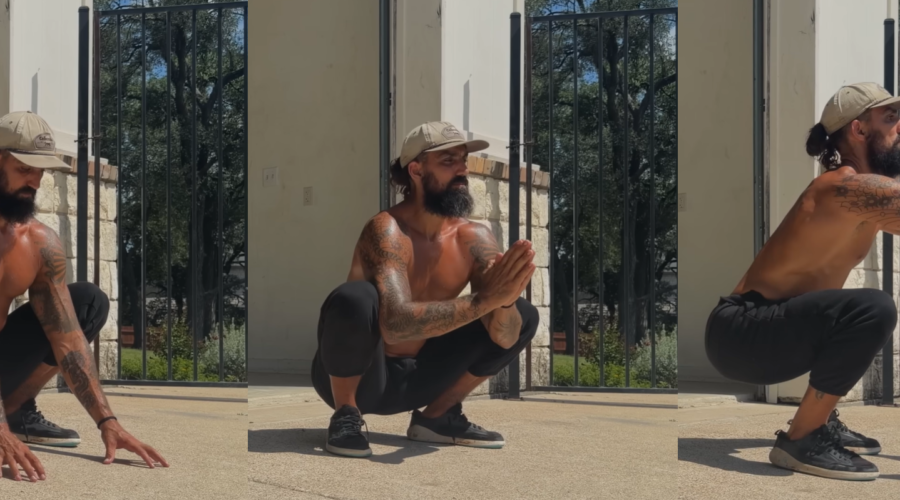


Modern life has pulled people away from one of the most natural human positions: the deep squat. According to Strength Side founder Joshua Hash, reclaiming this movement for just five minutes a day can improve mobility, posture, breathing, and overall movement quality without requiring complicated workouts or expensive equipment.
In a recent YouTube video, Hash explains why the deep resting squat has been lost through years of sitting in chairs and how gradually rebuilding the position can benefit nearly every joint in the lower body. Rather than treating the squat as simply a strength exercise, he presents it as a daily practice that restores movement patterns humans were designed to use.


Why the Deep Squat Matters
Hash explains that humans historically relied on deep squats while cooking, working, resting, and transitioning from standing to the ground.
Today, spending hours in chairs limits ankle, knee, and hip mobility while encouraging shallow breathing and poor posture. Returning to the deep squat reverses many of those habits by naturally stacking the rib cage over the pelvis, encouraging diaphragmatic breathing, and creating a gentle decompression effect through the spine.

He also notes that gravity itself can help muscles relax while the body settles into the position.
How the Deep Squat Affects the Lower Body
The deep squat challenges every major joint below the waist.
At the ankles, it stretches the calves while strengthening the tibialis anterior, improving dorsiflexion that many people lose from wearing supportive shoes and sitting throughout the day.
For the knees, simply spending time in deep flexion can gradually rebuild confidence and comfort in a position many people avoid after injury or pain.
The hips also benefit through full flexion and rotation. Hash explains that the position encourages the glutes, hamstrings, hip rotators, and inner thighs to lengthen while restoring internal and external hip rotation that often disappears after years of desk work.
He also describes the deep squat as an effective movement assessment. Raised heels, excessive rounding of the back, or difficulty reaching depth may reveal restrictions in the ankles, hips, knees, or spine.
Three Regressions to Make the Position Easier
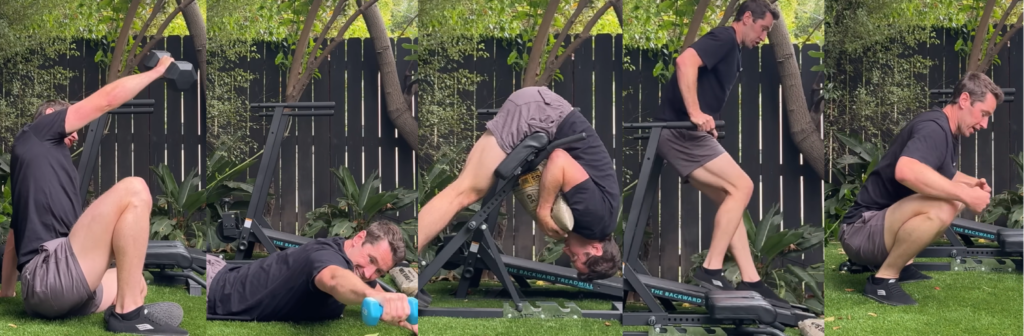
Not everyone can comfortably sit in a full squat immediately, which is why Hash demonstrates three beginner friendly regressions.
- Squat Hang
Holding onto a sturdy object allows the body to settle into a comfortable squat while gradually reducing assistance as mobility improves.
- Heel Elevated Squat
Raising the heels decreases the ankle mobility requirement and shifts the body into a more balanced position, making the squat feel much more accessible.
- Counterbalance Squat
Holding a light weight in front of the body helps offset balance demands, allowing the hips and core to pull the body into a deeper squat with greater control.
A Simple Five Minute Daily Challenge
Rather than chasing perfection, Hash recommends building consistency first.
His prescription is simple: accumulate five minutes in a deep squat each day, whether that means five one minute sets or ten sets of thirty seconds. As mobility improves, movements like the frog squat can help increase depth and comfort.
While not everyone will achieve a textbook deep squat because of age, injury history, or anatomy, Hash believes almost everyone can benefit from practicing a version that suits their current abilities. Over time, those few minutes each day may help restore mobility, strengthen the lower body, and make everyday movement feel more natural.
About the Author
Jeremiah Oliva

Jeremiah Oliva is a writer passionate about fitness, sports, and active living. He has experience in songwriting and managing content and social media for online radio and magazine platforms.
He covers HYROX, CrossFit®, and competitive fitness, with a focus on performance, mindset, and athlete development.
Outside of writing, Jeremiah trains in boxing, cycles, explores the outdoors with his kids, and plays the guitar.