

Stiff hips, tight lower backs, and restricted movement are often dismissed as normal signs of aging. According to ATHLEAN-X founder Jeff Cavaliere, they are more often warning signs that mobility is being lost long before pain appears.
In a recent Youtube video, the physical therapist and strength coach outlined a simple five-minute routine designed to improve hip mobility, lower back function, and overall movement quality using nothing more than bodyweight and a small amount of floor space.


“The mistake most people make is waiting until the stiffness becomes painful,” Cavaliere explained. “By then, what started as a mobility restriction may already be turning into something more permanent.”
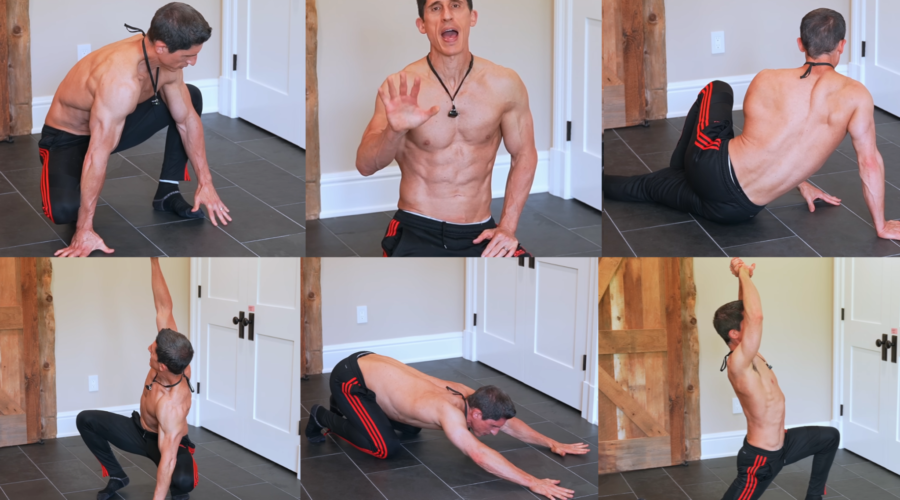
Here are the five exercises featured in the routine.
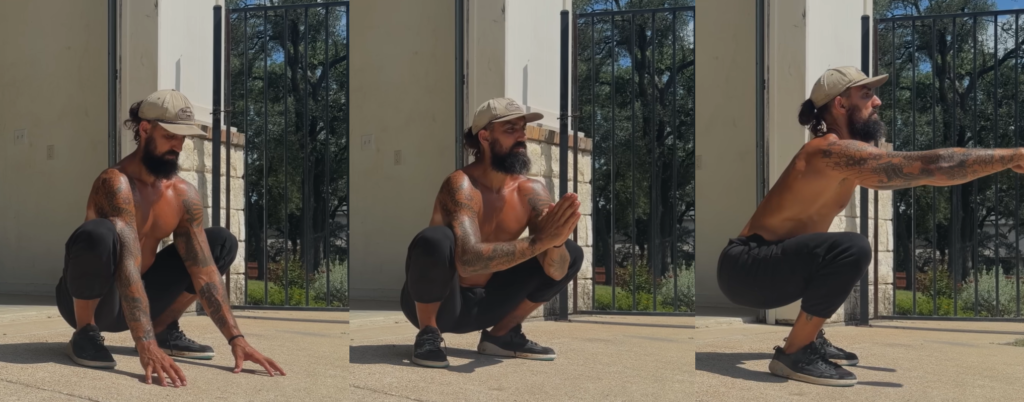
1. Crouching Hip Switches
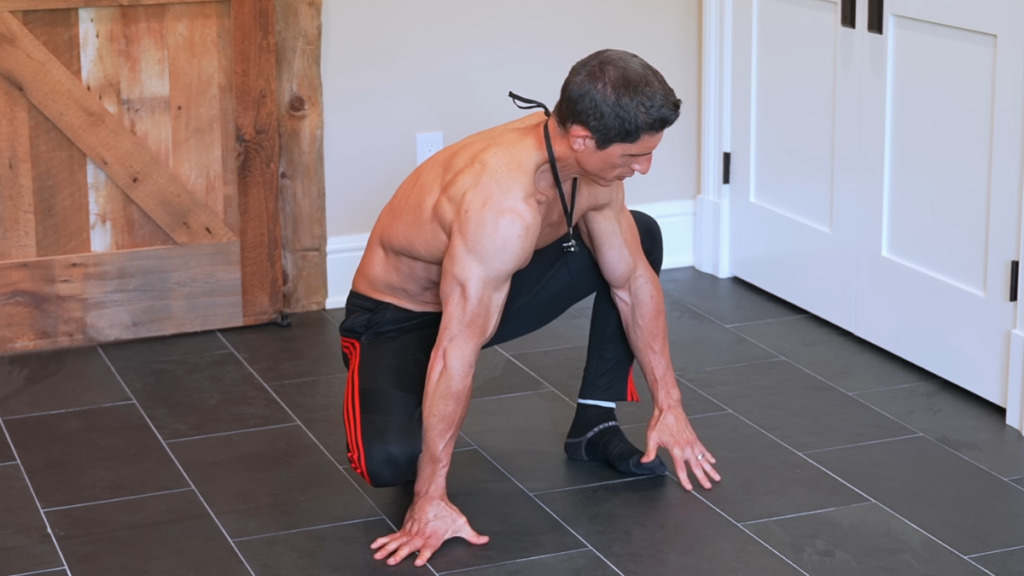
The first movement targets one of the most commonly lost motions in the body: hip internal rotation.
From a deep crouched position, rotate the knees to one side while using the arm and elbow to gently push the hip deeper into internal rotation. The movement is then repeated to improve external rotation by driving the hip backward with the inside elbow.
Cavaliere noted that loss of hip internal rotation is often one of the earliest indicators of hip degeneration.
“Before it gets too late and that bone-on-bone condition starts, you want to be able to actually restore that motion.”
Perform five repetitions in each direction on both sides.
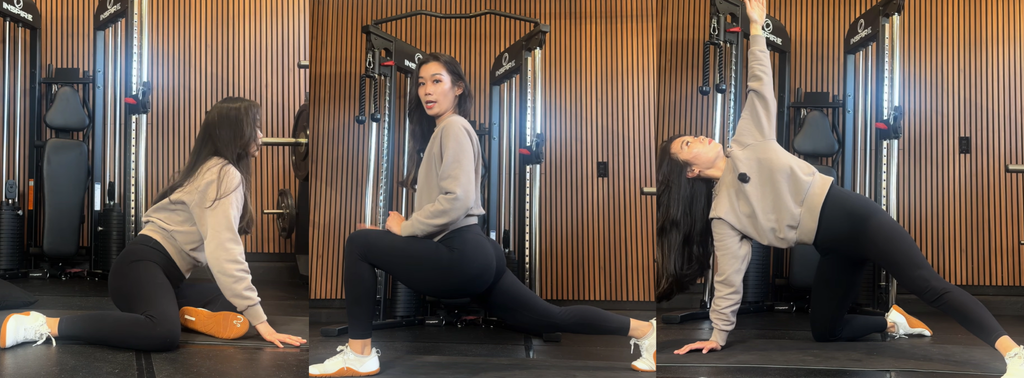
2. QL Hip Drops
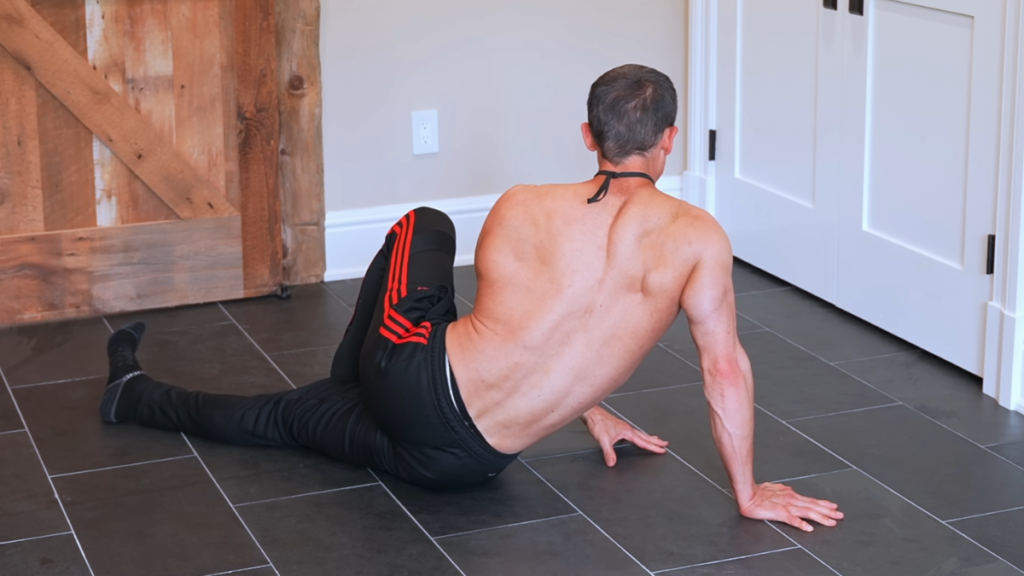
This exercise focuses on the quadratus lumborum (QL), a muscle along the side of the lower back that commonly becomes tight after sleeping or prolonged sitting.
By sliding one leg backward and dropping the hip toward the floor, athletes create a dynamic stretch through the side of the torso and lower back.
Five alternating repetitions per side are recommended.
3. Squat Reaches
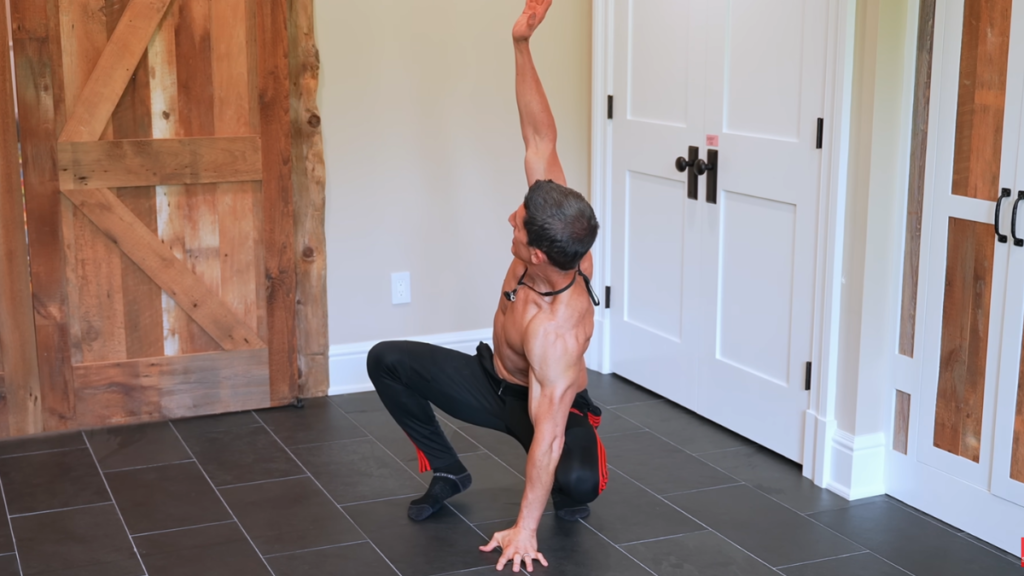
The squat reach combines deep hip flexion with thoracic spine rotation.
From a deep squat position, place one arm against the inside of the leg and rotate upward, reaching toward the ceiling.
According to Cavaliere, maintaining thoracic mobility is critical because restricted movement in the upper back often forces the lower back to compensate.
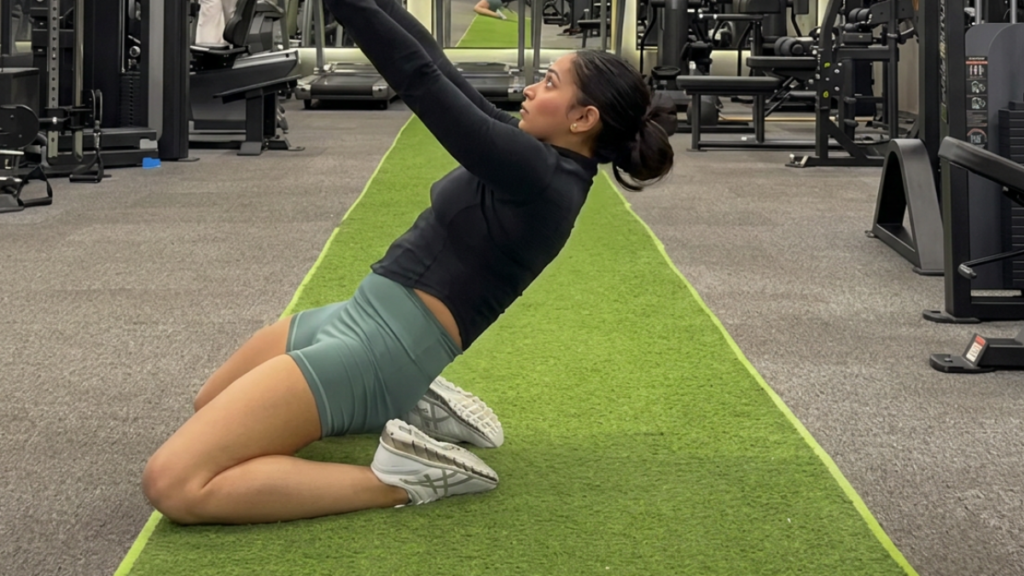
4. Down Dog Prayer Reach
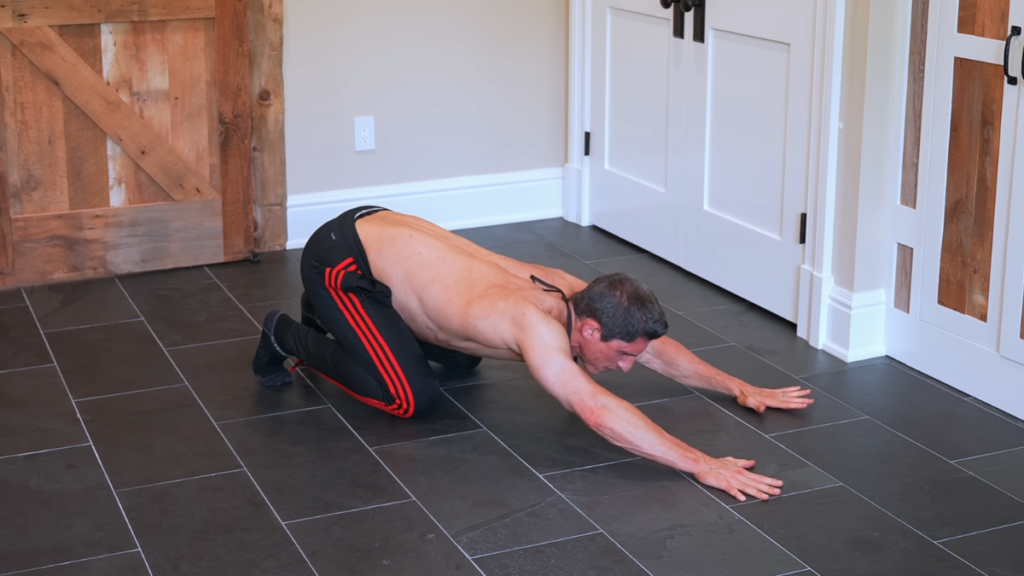
This movement combines thoracic extension and hamstring mobility.
Athletes begin by sinking into a deep squat while reaching the chest toward the floor. From there, they transition into a hamstring stretch by driving the knees back and keeping the heels grounded.
Five controlled repetitions help improve flexibility throughout the posterior chain.
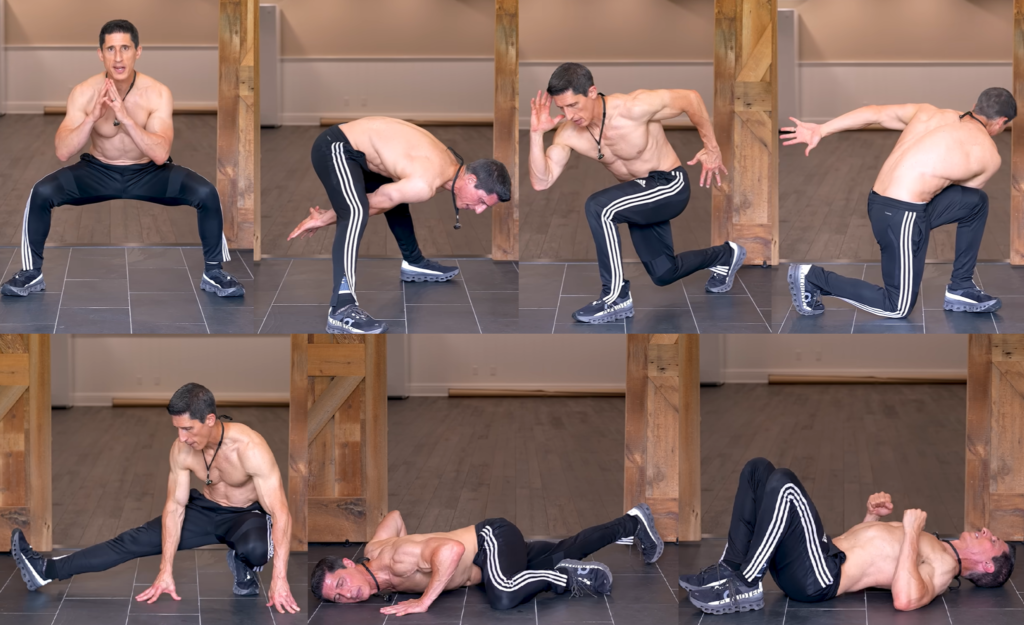
5. Hip Leans
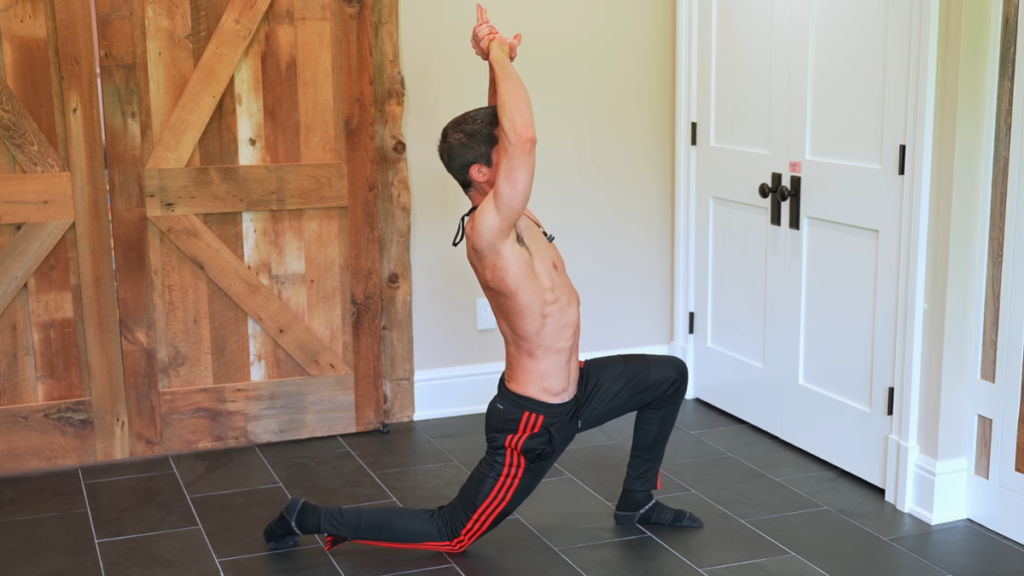
The final exercise develops both hip flexion and hip extension.
One leg is placed forward while the chest moves toward the knee to maximize hip flexion. The athlete then shifts backward, driving the hips forward to stretch the hip flexors and psoas of the opposite leg.
“Chest to knee if you can,” Cavaliere advised, emphasizing the importance of reclaiming range of motion before mobility restrictions become long-term structural limitations.
The entire sequence takes approximately five minutes and can be performed daily. For anyone experiencing tight hips, restricted squats, or recurring lower back stiffness, Cavaliere believes consistency with these movements can help preserve mobility and movement quality for years to come.
About the Author
Jeremiah Oliva

Jeremiah Oliva is a writer passionate about fitness, sports, and active living. He has experience in songwriting and managing content and social media for online radio and magazine platforms.
He covers HYROX, CrossFit®, and competitive fitness, with a focus on performance, mindset, and athlete development.
Outside of writing, Jeremiah trains in boxing, cycles, explores the outdoors with his kids, and plays the guitar.