































Diamond Push-Ups vs Triceps Extensions: Which Builds Bigger Arms?


Walk into almost any gym or home workout space and you will quickly spot two completely different camps chasing thicker, stronger upper arms
How Triceps Anatomy Changes the Growth Equation
Electromyography research comparing push-up hand placements shows that narrow diamond push-ups elicit substantially higher triceps brachii and pectoralis major activation than standard shoulder-width push-ups.
However, because diamond push-ups keep your upper arms tucked near your torso while your shoulders flex and extend during the press, the long head never gets placed into a deep overhead stretch. By contrast, hypertrophy studies comparing overhead triceps extensions with arms-down pushdowns demonstrate markedly greater muscle growth across all three heads, particularly the long head, when the arm is positioned overhead in a lengthened state.
Diamond Push-Ups vs Triceps Extensions Comparison
| Feature | Diamond Push-Ups | Triceps Extensions |
| Movement Type | Multi-joint bodyweight compound press | Single-joint isolation elbow extension |
| Primary Heads Targeted | Strong lateral and medial head emphasis | High long head stretch plus lateral and medial load |
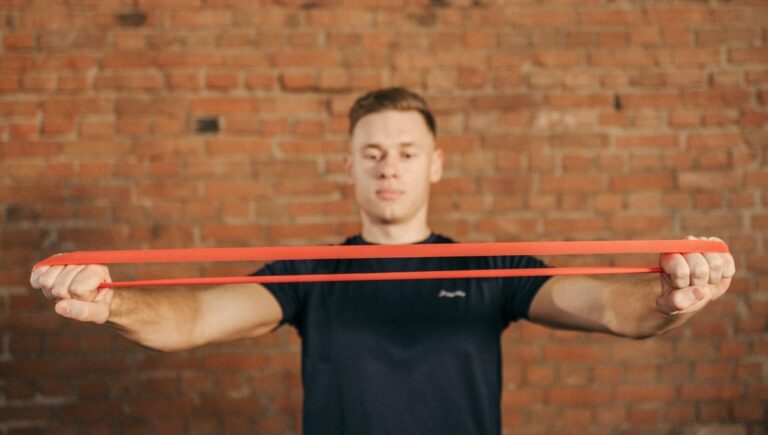
| Equipment Needed | None, anywhere on the floor | Cables, dumbbells, EZ bar, or resistance bands |
| Progressive Overload | Harder to add small load increments smoothly | Easy to increase weight in small, precise steps |
Where Diamond Push-Ups Shine for Arm Training
Diamond push-ups earn their reputation as one of the hardest bodyweight upper-body exercises you can perform without touching a single weight. Bringing your hands close together under your sternum increases elbow flexion torque and forces your triceps to work overtime alongside your inner chest and anterior deltoids.
For lifters training at home, traveling without gym equipment, or looking for a brutal metabolic finisher after heavy pressing, diamond push-ups deliver serious local fatigue in seconds.
Managing Wrist Strain and Progressive Overload Limits
Despite their convenience, narrow hand placement can place awkward rotational stress on the wrists and elbows if your shoulder mobility is tight. Rotating your hands slightly outward into a narrow triangle rather than forcing a rigid diamond shape relieves wrist pressure while keeping the exact same mechanical focus on the triceps. The bigger limitation for pure hypertrophy is loading, because once you can perform twenty or thirty clean repetitions, adding external resistance smoothly becomes awkward without a weighted vest or partner.
Where Triceps Extensions Shine for Arm Growth
Triceps extensions give you precision control over resistance curves, shoulder angles, and incremental loading that bodyweight movements simply cannot match.
When you perform overhead cable extensions, incline dumbbell skull crushers, or lying EZ bar extensions, your upper arm stays elevated so the long head enters every repetition under significant mechanical stretch. Research on training muscles at long lengths consistently indicates that loaded stretch positions stimulate superior regional hypertrophy compared with training only in mid or shortened ranges.
Isolating the Back of the Arm Without Chest Fatigue
Another major advantage of triceps extensions is removing your chest and front shoulders as limiting factors. During diamond push-ups, your anterior deltoids or chest might fatigue before your triceps reach true muscular failure, cutting short the mechanical tension delivered to your arms. Isolation extensions let you push your triceps safely within one or two repetitions of failure while adjusting a weight stack pin or grabbing the next pair of dumbbells in seconds.
Which One Should You Choose for Bigger Arms?
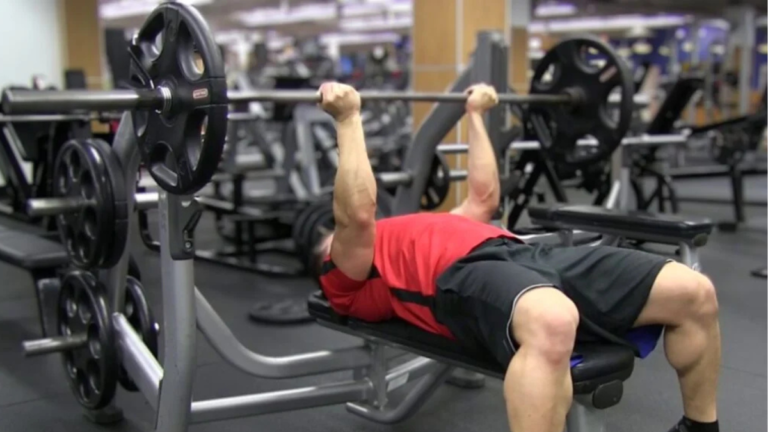
If you have to pick only one movement strictly for maximizing arm size over months of training, triceps extensions hold the clear edge because they load the massive long head in a stretched position and allow effortless progressive overload. That does not mean diamond push-ups belong in the trash, because pairing heavy compound pressing or narrow bodyweight push-ups with overhead triceps extensions covers every angle of triceps development. Use triceps extensions as your primary hypertrophy driver for two to three sessions per week in the eight to fifteen repetition range, and deploy diamond push-ups whenever you want a high-tension finisher or an equipment-free arm workout.
Consistent weekly volume, controlled eccentric lowering phases, adequate daily protein intake, and quality sleep will always multiply the results of whichever exercise you choose. Track your repetitions and loads each week, keep your elbows steady rather than flaring wildly, and let steady mechanical tension reshape your upper arms.
Key Takeaways for Bigger Arms
| Training Factor | Practical Guideline | Why It Matters |
| Primary Size Builder | Prioritize overhead or incline triceps extensions | Stretches and loads the large long head effectively |
| Compound Synergy | Use diamond push-ups for bodyweight days or finishers | High lateral and medial triceps recruitment anywhere |
| Joint Comfort | Angle hands slightly outward during narrow push-ups | Protects wrists while keeping strong triceps tension |
| Long-Term Growth | Progress weights gradually with solid protein and sleep | Sustains continuous hypertrophy across training blocks |


References
- Cogley, R.M., Archambault, T.A., Fibeger, J.F., Koverman, M.M., Youdas, J.W. and Hollman, J.H. (2005) ‘Comparison of muscle activation using various hand positions during the push-up exercise’, Journal of Strength and Conditioning Research, 19(3), pp. 628–633.
- Maeo, S., Wu, Y., Huang, M., Sakurai, H., Kusagawa, Y., Sugiyama, T., Kanehisa, H. and Isaka, T. (2023) ‘Triceps brachii hypertrophy is substantially greater after elbow extension training performed in the overhead versus neutral arm position’, European Journal of Sport Science, 23(7), pp. 1240–1250.
- Morton, R.W., Murphy, K.T., McKellar, S.R., Schoenfeld, B.J., Henselmans, M., Helms, E., Aragon, A.A., Devries, M.C., Banfield, L., Krieger, J.W. and Phillips, S.M. (2018) ‘A systematic review, meta-analysis and meta-regression of the effect of protein supplementation on resistance training-induced gains in muscle mass and strength in healthy adults’, British Journal of Sports Medicine, 52(6), pp. 376–384.
- Schoenfeld, B.J. (2010) ‘The mechanisms of muscle hypertrophy and their application to resistance training’, Journal of Strength and Conditioning Research, 24(10), pp. 2857–2872.
Robbie Wild Hudson
Editor-In-Chief at BOXROX. I come from a background of rugby and weightlifting. Growing up in the English Lake District, I spent a great deal of time swimming in its stunning lakes and rivers. In 2015 my brothers and I became the first people to swim the 145km length of the River Eden, from source to mouth, in 9 days. We also swam the Corryvreckan whirlpool, the third largest in the world, and Crossfit is a huge part of my training for these events.
More from Robbie Wild Hudson