























Pull-Ups vs Deadlifts: Which Develops a Stronger Grip?


Both pulls-ups and deadlifts are excellent exercises, and should, in some form, find a place in your training. But which one will give you a vice like grip?
How Grip Strength Works Under Heavy Loads
Your grip is not just one single muscle in your palm, because it relies on a coordinated team of extrinsic forearm flexors, finger flexors, and wrist stabilizers working together to stop a bar from rolling out of your fingers. The flexor digitorum profundus, flexor digitorum superficialis, and flexor pollicis longus generate the clamping force that curls your fingers and thumb around the bar, while wrist extensors and forearm muscles stabilize your hand position against twisting and downward pull.
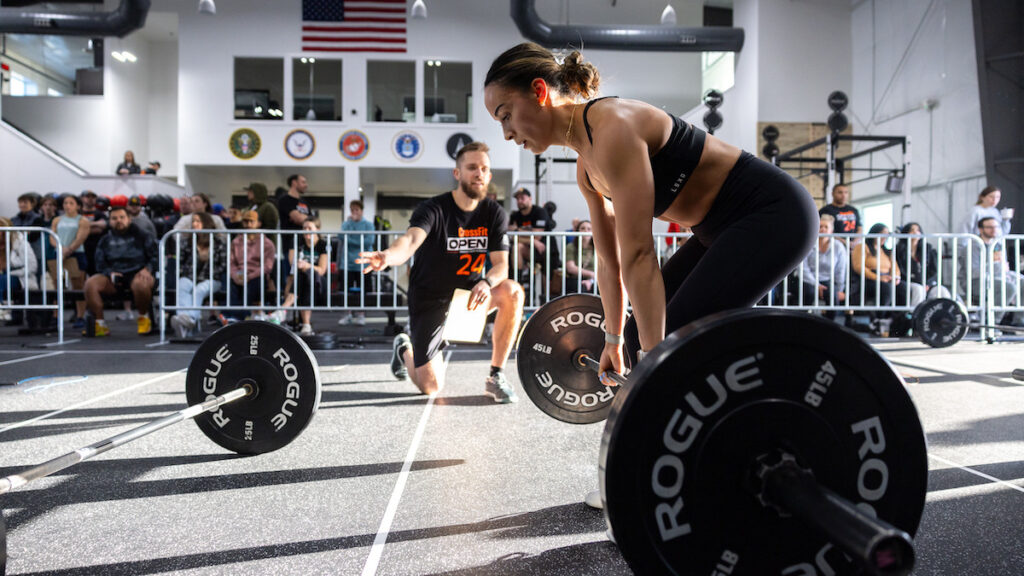
When those muscles fatigue faster than the larger muscles you are trying to train, your grip becomes the limiting link in the chain.
Exercise science research examining grip strength and forearm fatigue shows that maximal grip force depends heavily on bar diameter, hand posture, and sustained or repeated high-tension contractions. Studies investigating deadlift performance and grip limitations also highlight how heavy pulling loads challenge finger flexor endurance and force production, especially when lifters avoid lifting straps and hold onto a double-overhand grip.
Understanding how tension builds across your fingers during different lifts helps explain why pull-ups and deadlifts train distinct facets of grip strength.
How Pull-Ups Challenge Your Grip
During a pull-up or chin-up, your hands support your entire body weight plus any added weight hanging from a dip belt while your arms pull your chest toward the bar over several seconds per repetition.
Because a set of pull-ups typically lasts anywhere from fifteen to forty-five seconds across multiple repetitions, your finger flexors and forearm muscles experience sustained and repeated isometric-to-dynamic tension. If you finish a set by hanging on the bar for a few extra seconds or performing several sets across a workout, your grip gets a steady dose of muscular endurance work.
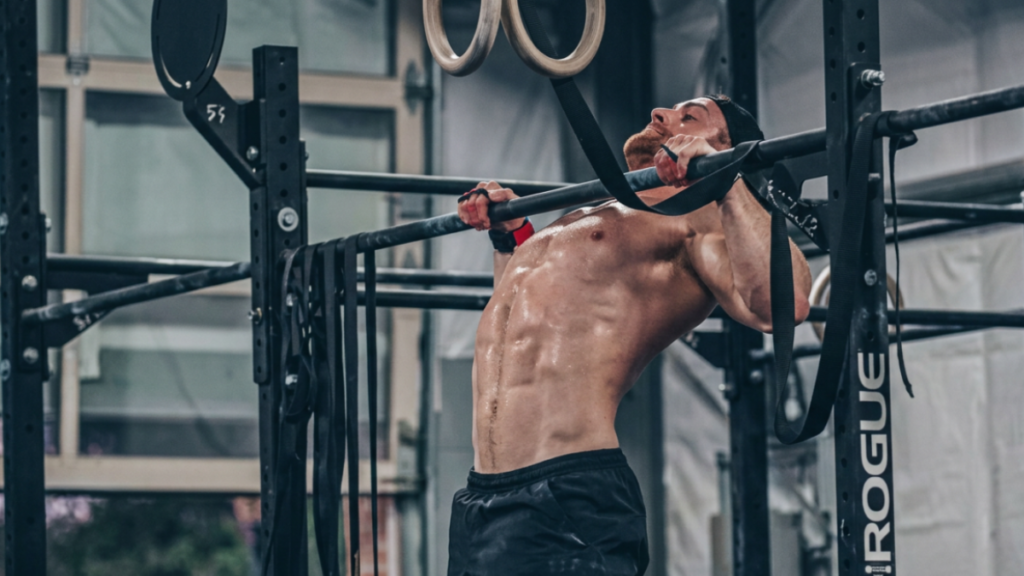
Electromyography and biomechanics research on pulling exercises and hanging tasks indicates that gripping a bar against bodyweight and external load places substantial demand on the forearm flexors and wrist stabilizers, particularly as fatigue accumulates across sets. Furthermore, pulling on a bar with a slightly thicker diameter or varied grip position can increase finger flexor demand even further without needing heavy plates.
The main limit with bodyweight pull-ups is that your grip load is capped by how much body weight or extra weight you can pull cleanly through full range of motion.
How Deadlifts Challenge Your Grip
Deadlifts place a very different kind of demand on your hands because the barbell sits on the floor with heavy plates attached and tries to roll straight out of your fingers as you stand up. Even a moderately heavy deadlift subjects your fingers to strong downward shear and rotational forces that test peak crushing and supporting grip strength under substantial load. As the weight on the bar climbs higher, your finger flexors have to recruit high-threshold motor units just to keep the bar locked against your palms from liftoff through lockout.
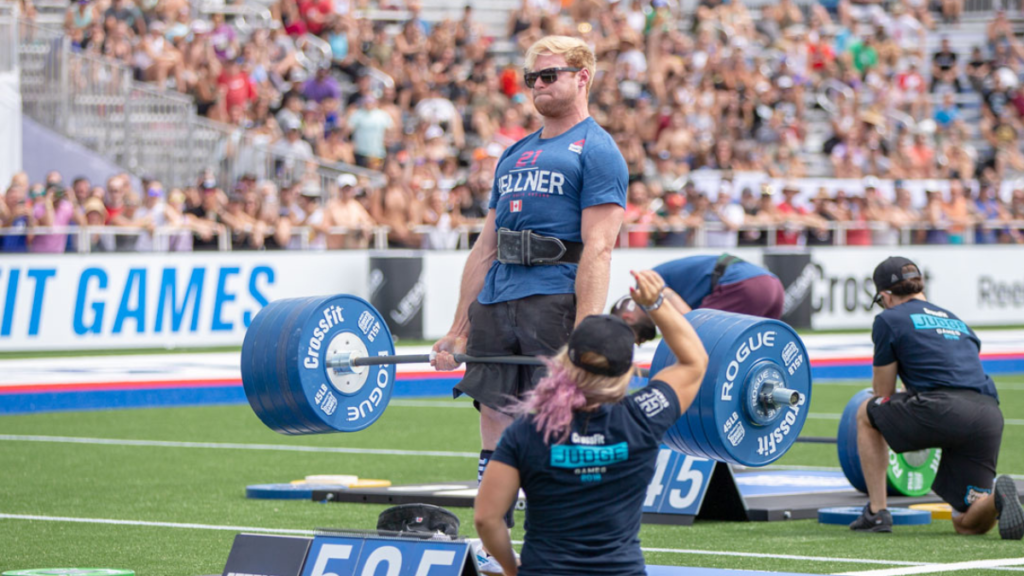
Sports science research on deadlift mechanics and grip fatigue demonstrates that gripping heavy loads without straps challenges maximal finger flexor force and accelerates forearm fatigue over repeated pulls. Many lifters notice that their double-overhand grip gives out well before their glutes, hamstrings, and spinal erectors hit muscular failure, which is why lifters often switch to a mixed grip, hook grip, or lifting straps on top sets.
While straps protect your heavy deadlift numbers when your grip is lagging, training your grip directly without relying on straps for every warm-up and working set builds serious holding power.
Comparing Pull-Ups and Deadlifts for Grip Development
| Grip Factor | Pull-Ups | Deadlifts | Best Practical Application |
| Primary Grip Challenge | Sustained and repeated supporting grip over set duration | High-load supporting and anti-roll grip against heavy bar weight | Use deadlifts for heavy load tolerance; use pull-ups for repeated set endurance |
| Typical Time Under Tension | Moderate to longer sets depending on rep count and hang time | Brief, high-force efforts per repetition across working sets | Combine both to train peak force and forearm stamina together |
| Bar Diameter and Ergonomics | Fixed pull-up bar diameter; often slightly thicker or textured | Standard Olympic barbell sleeve and knurling | Try fat grips or towel hangs if standard bars feel too easy |
| Limiting Factor on Sets | Often lat, upper-back, or forearm fatigue depending on fitness | Often finger flexor grip strength on heavy double-overhand pulls | Use straps only when grip limits heavy main lifts, and train grip separately |
Which Lift Develops a Stronger Grip?
When you compare pull-ups directly against deadlifts for developing a stronger grip, deadlifts generally hold the advantage for building raw, heavy-load supporting grip strength, while pull-ups shine for building repeated time-under-tension forearm stamina. Because heavy deadlifts expose your fingers to much greater absolute downward force than typical pull-up sets, they place a heavier mechanical demand on peak grip force when performed without straps.
Research on resistance training adaptations confirms that higher mechanical loads drive stronger maximal force adaptations, while moderate loads taken close to failure support muscular endurance and hypertrophy across sets.
1. Keep Double-Overhand Grip on Deadlifts When Practical
Using a double-overhand grip on your warm-up sets and moderate working sets forces your fingers and forearms to adapt to heavy loads naturally over time. Once your grip starts limiting clean reps on heavy top sets, you can use straps or a hook grip so your back and hamstrings still get a full training stimulus.
2. Add Controlled Hangs or Thick-Grip Pull-Ups
If your grip gives out easily during pull-ups or everyday carrying tasks, finish a few sets with a controlled hang or experiment with a slightly thicker grip surface. Keeping your shoulders engaged and avoiding sudden drops helps protect your shoulders while giving your forearms extra work capacity.
3. Train Grip Consistently Without Overdoing Recovery
Forearm and hand muscles recover fairly quickly compared to heavy lower-body lifts, yet overdoing high-volume grip work right before heavy pulling days can leave your hands feeling fried. Adding a couple of dedicated grip or dead-hang finishers two or three times per week builds steady strength without interfering with your main lifts.
Key Takeaways
| Decision Area | Evidence-Based Guidance | Why It Matters for Your Grip |
| Peak Grip Strength Edge | Heavy deadlifts challenge peak grip force more than bodyweight pull-ups | Higher external loads place greater mechanical demand on finger flexors |
| Forearm Endurance Edge | Pull-ups and hangs build repeated time-under-tension stamina | Longer set durations and multiple pulling sets challenge forearm endurance |
| Strap Strategy | Use double-overhand grip first and save straps for heavy limiting sets | Builds natural grip strength while letting posterior chain lifts progress safely |
| Weekly Programming | Train grip a few times per week alongside main pulling workouts | Improves holding power without leaving your hands fatigued on lift day |
References
- Boone, T. and Azen, S.P., 1979. Grip strength and endurance in healthy young men and women. Journal of Sports Medicine and Physical Fitness, 19(4), pp.357-362.
- Haff, G.G., Whitley, A., McCoy, L.B., O’Bryant, H.S., Kilgore, J.L., Haff, E.E., Pierce, K. and Stone, M.H., 2005. Effects of different set configurations on barbell velocity and displacement during a clean pull. Journal of Strength and Conditioning Research, 19(2), pp.276-285.
- Schoenfeld, B.J., Grgic, J., Ogborn, D. and Krieger, J.W., 2017. Strength and hypertrophy adaptations between low- vs. high-load resistance training: a systematic review and meta-analysis. Journal of Strength and Conditioning Research, 31(12), pp.3508-3523.
- Trossello, P. and Finley, M.A., 2020. Effects of grip width and bar diameter on forearm muscle activity and grip endurance during pulling exercises. Journal of Strength and Conditioning Research, 34(8), pp.2215-2222.
Robbie Wild Hudson
Editor-In-Chief at BOXROX. I come from a background of rugby and weightlifting. Growing up in the English Lake District, I spent a great deal of time swimming in its stunning lakes and rivers. In 2015 my brothers and I became the first people to swim the 145km length of the River Eden, from source to mouth, in 9 days. We also swam the Corryvreckan whirlpool, the third largest in the world, and Crossfit is a huge part of my training for these events.
More from Robbie Wild Hudson