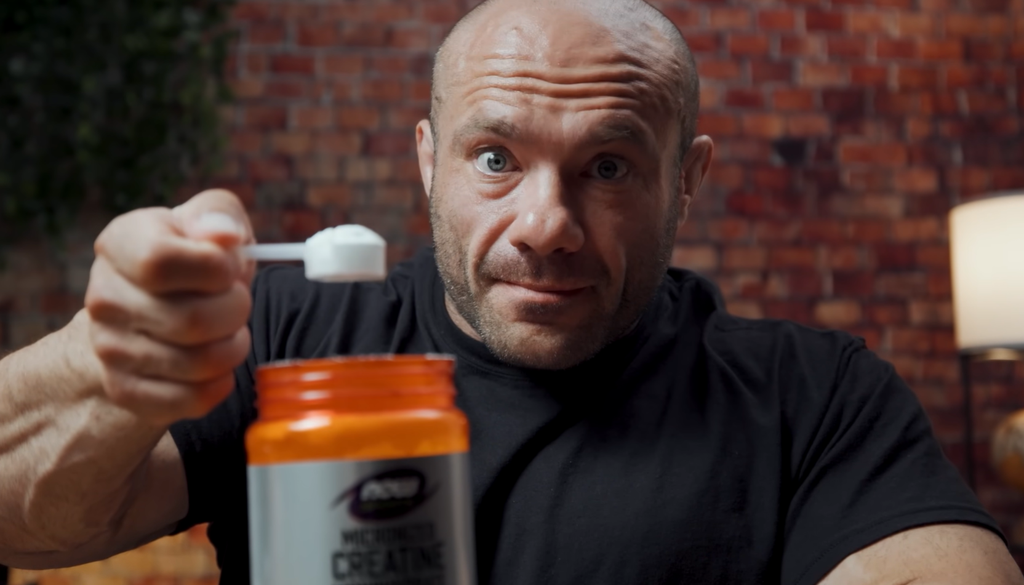


Building muscle after 30 is different from building muscle in your twenties. Recovery slows down, hormonal changes begin to appear, and maintaining lean mass becomes more challenging. At the same time, many athletes in their thirties, forties, and beyond are still training hard, competing, and looking for ways to improve performance and body composition.
Two of the most popular supplements in the fitness world are creatine and protein. Both have decades of scientific research supporting their use. Both can help improve muscle mass and athletic performance. However, they work through very different mechanisms and serve different purposes. This creates a common question: if you are over 30 and serious about building or maintaining muscle, which matters more, creatine or protein?


The answer is not as simple as choosing one over the other. Protein provides the raw materials your body needs to build muscle tissue. Creatine improves the body’s ability to produce energy during high intensity exercise, helping you train harder and recover more effectively.
Understanding how each works, and which has the greatest impact on muscle growth, can help athletes over 30 make smarter decisions about nutrition and supplementation.
Why Muscle Maintenance Becomes More Important After 30
Beginning in the third decade of life, muscle mass gradually starts to decline. This process accelerates with age and can lead to reductions in strength, power, metabolic health, and physical function.
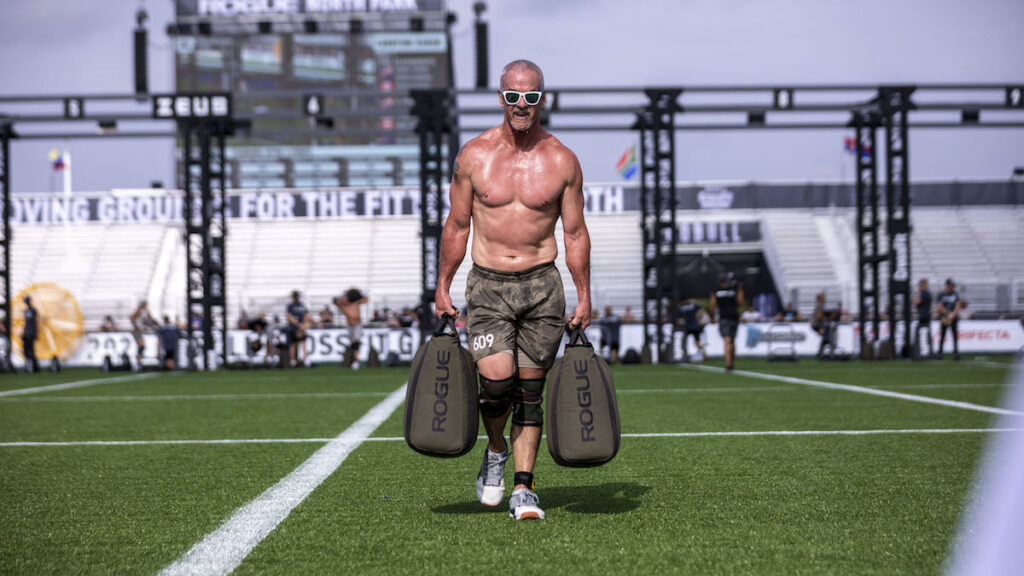
Researchers estimate that adults can lose approximately 3% to 8% of their muscle mass per decade after age 30, with the rate increasing after age 60. Several factors contribute to this decline:
• Reduced anabolic hormone levels
• Lower physical activity levels
• Increased recovery demands
• Changes in protein metabolism
• Greater resistance to muscle building signals
One important factor is anabolic resistance. This refers to the reduced sensitivity of muscle tissue to protein intake and resistance exercise. Older adults often require higher quality protein and larger protein doses to stimulate muscle protein synthesis effectively.
For athletes over 30, maintaining muscle becomes less automatic and more dependent on deliberate training and nutrition strategies.
Understanding Protein and Muscle Growth
Protein is the fundamental building block of muscle tissue. Every muscle fiber in the body is composed primarily of proteins that are constantly being broken down and rebuilt. Muscle growth occurs when muscle protein synthesis exceeds muscle protein breakdown over time. Without adequate protein intake, muscle growth simply cannot occur.
How Protein Builds Muscle
Dietary protein provides amino acids, including the essential amino acids that the body cannot produce on its own. Among these amino acids, leucine appears particularly important because it acts as a trigger for muscle protein synthesis.
When protein is consumed, amino acids enter the bloodstream and stimulate signaling pathways that increase muscle repair and growth following exercise. Resistance training amplifies this response dramatically. The combination of strength training and sufficient protein intake creates the strongest stimulus for muscle hypertrophy.

How Much Protein Do Athletes Over 30 Need?
The standard Recommended Dietary Allowance of 0.8 grams per kilogram of body weight per day is widely considered inadequate for athletes. Research consistently shows that active individuals require significantly higher intakes. Current evidence suggests:
• 1.4 to 2.0 grams per kilogram daily for most athletes
• Up to 2.2 grams per kilogram during intense training phases
• Even higher intakes may help preserve muscle during calorie deficits
For older athletes, protein distribution throughout the day appears especially important. Consuming approximately 25 to 40 grams of high quality protein per meal helps maximize muscle protein synthesis and overcome anabolic resistance.
Protein Supplements and Their Role
Protein powders are not inherently superior to whole foods. Chicken, fish, eggs, dairy products, lean meats, soy, legumes, and other protein rich foods provide excellent nutrition.
However, protein supplements offer convenience and can help athletes consistently reach daily protein targets. Whey protein remains one of the most studied supplements because it contains high levels of leucine and is rapidly digested. Research consistently demonstrates that protein supplementation supports increases in lean body mass and strength when combined with resistance training.
Understanding Creatine and Muscle Growth
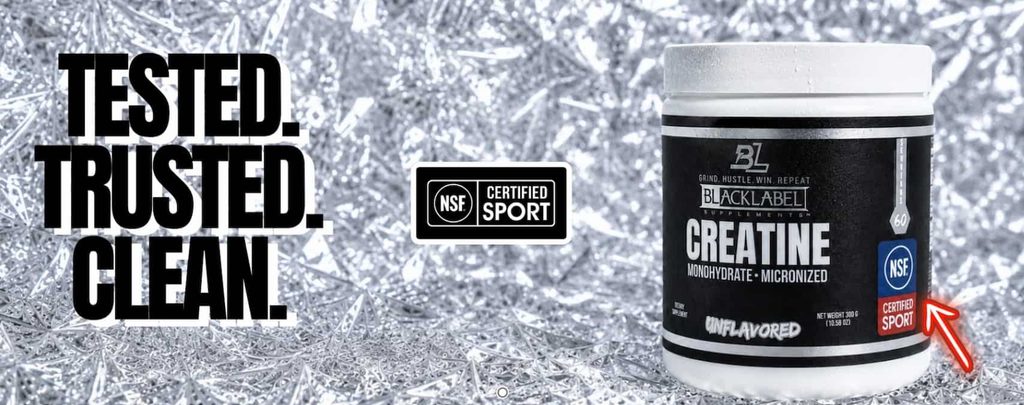
Creatine is one of the most researched sports supplements ever developed. Unlike protein, creatine is not a building block for muscle tissue. Instead, it helps improve the body’s energy production systems.
Creatine is naturally found in meat and fish and is also synthesized by the liver, kidneys, and pancreas. Approximately 95% of the body’s creatine is stored in skeletal muscle.
How Creatine Works
Muscles rely heavily on adenosine triphosphate, or ATP, for energy. Unfortunately, ATP stores are limited and become depleted rapidly during high intensity exercise. Creatine is stored in muscles as phosphocreatine. During intense exercise, phosphocreatine helps regenerate ATP quickly, allowing muscles to sustain force production for longer periods. This means athletes can often:
• Perform more repetitions
• Lift heavier loads
• Produce greater power output
• Recover faster between sets
Over weeks and months, these training improvements can translate into greater muscle growth.
Creatine’s Direct Effects on Muscle

Creatine does more than improve workout performance.
Research suggests creatine may directly influence muscle growth through several mechanisms:
• Increased cellular hydration
• Enhanced satellite cell activity
• Greater glycogen storage
• Improved anabolic signaling
• Reduced muscle protein breakdown
These effects appear to contribute to the increases in lean body mass commonly observed during creatine supplementation.
Creatine and Aging Athletes
Creatine may be particularly valuable for athletes over 30. Research indicates that creatine supplementation can help preserve muscle mass, improve strength, support recovery, and potentially enhance cognitive function. Several studies involving middle aged and older adults have demonstrated greater gains in lean mass and strength when creatine is combined with resistance training.
Which Builds More Muscle: Protein or Creatine?
This question is somewhat misleading because protein and creatine influence muscle growth through different pathways. Protein provides the raw materials required to build muscle. Creatine improves the training stimulus that drives muscle growth.
Without adequate protein, muscle growth is severely limited regardless of creatine use. Without effective training, protein alone has a much smaller impact on muscle growth. In practical terms, protein is the foundation while creatine acts as a performance enhancer that amplifies training adaptations.
If You Had to Choose Only One
If an athlete over 30 could only choose one supplement, protein would generally be the more important choice.
The reason is straightforward. Protein is essential for muscle growth and maintenance. Creatine is highly beneficial but not biologically required in the same way. A person consuming insufficient protein cannot maximize muscle growth regardless of creatine supplementation.
By contrast, someone consuming adequate protein can still build significant muscle without taking creatine. Protein addresses a fundamental nutritional requirement. Creatine enhances the efficiency of training.
Why Creatine Often Produces Faster Results
Many people notice visible changes quickly after starting creatine. This occurs largely because creatine increases water content inside muscle cells.
Muscles often appear fuller and larger within the first few weeks. Over longer periods, research shows that creatine also contributes to genuine increases in lean muscle mass. Protein, on the other hand, works more gradually because muscle tissue must be synthesized and remodeled over time. The immediate visual impact of creatine can sometimes create the impression that it is more effective than protein, but both play very different roles.
The Verdict: Which Matters More?
For athletes over 30, protein matters more because it provides the essential building blocks required for muscle maintenance and growth. Without adequate protein intake, muscle development is fundamentally limited. Creatine is extremely effective and highly recommended, but its role is supportive rather than foundational. Protein enables muscle growth. Creatine enhances the training adaptations that drive muscle growth.
The best strategy is not choosing one over the other. The evidence overwhelmingly suggests that athletes over 30 achieve the greatest improvements in muscle mass, strength, and performance when they combine adequate protein intake with daily creatine supplementation and a well designed resistance training program. If forced to prioritize, meet your protein needs first.
Once that foundation is established, adding creatine is one of the most effective and scientifically supported ways to further improve muscle growth and athletic performance.
Key Takeaways Table
| Topic | Protein | Creatine |
|---|---|---|
| Primary Function | Provides amino acids for muscle growth and repair | Improves energy production during high intensity exercise |
| Essential for Muscle Growth? | Yes | No |
| Main Benefit | Supports muscle protein synthesis | Improves training performance and recovery |
| Best Daily Intake | 1.6 to 2.2 g/kg body weight | 3 to 5 g/day |
| Speed of Visible Effects | Gradual | Often noticeable within weeks |
| Importance for Athletes Over 30 | Critical | Highly beneficial |
| Impact on Strength | Moderate to high | High |
| Impact on Lean Mass | High | Moderate to high |
| Best Strategy | Meet daily protein targets | Add after protein intake is optimized |
| Overall Ranking for Muscle Growth | Most Important | Powerful Supporting Supplement |
References
• Candow, D.G., Chilibeck, P.D., Forbes, S.C., Gualano, B., Roschel, H., Antonio, J. and Kreider, R.B. (2021) ‘Creatine supplementation for older adults: Focus on sarcopenia, osteoporosis, frailty and cachexia’, Bone, 146, 115849.
• Cermak, N.M., Res, P.T., de Groot, L.C.P.G.M., Saris, W.H.M. and van Loon, L.J.C. (2012) ‘Protein supplementation augments the adaptive response of skeletal muscle to resistance type exercise training: A meta analysis’, The American Journal of Clinical Nutrition, 96(6), pp. 1454 to 1464.
• Chilibeck, P.D., Kaviani, M., Candow, D.G. and Zello, G.A. (2017) ‘Effect of creatine supplementation during resistance training on lean tissue mass and muscular strength in older adults: A meta analysis’, Open Access Journal of Sports Medicine, 8, pp. 213 to 226.
• Churchward Venne, T.A., Breen, L., Di Donato, D.M., Hector, A.J., Mitchell, C.J., Moore, D.R., Stellingwerff, T., Breuille, D., Offord, E.A., Baker, S.K. and Phillips, S.M. (2014) ‘Leucine supplementation of a low protein mixed macronutrient beverage enhances myofibrillar protein synthesis in young men’, The Journal of Nutrition, 144(9), pp. 1426 to 1432.
• Devries, M.C. and Phillips, S.M. (2015) ‘Supplemental protein in support of muscle mass and health: Advantage whey’, Journal of Food Science, 80(S1), A8 to A15.
• Forbes, S.C., Candow, D.G., Krentz, J.R. and Little, J.P. (2021) ‘Effect of creatine supplementation and resistance training on muscle strength and body composition in older adults’, Nutrients, 13(6), 1915.
• Kreider, R.B., Kalman, D.S., Antonio, J., Ziegenfuss, T.N., Wildman, R., Collins, R., Candow, D.G., Kleiner, S.M., Almada, A.L. and Lopez, H.L. (2017) ‘International Society of Sports Nutrition position stand: Safety and efficacy of creatine supplementation in exercise, sport, and medicine’, Journal of the International Society of Sports Nutrition, 14(18).
• Morton, R.W., Murphy, K.T., McKellar, S.R., Schoenfeld, B.J., Henselmans, M., Helms, E., Aragon, A.A., Devries, M.C., Banfield, L., Krieger, J.W. and Phillips, S.M. (2018) ‘A systematic review, meta analysis and meta regression of the effect of protein supplementation on resistance training induced gains in muscle mass and strength in healthy adults’, British Journal of Sports Medicine, 52(6), pp. 376 to 384.
• Phillips, S.M. and Fulgoni, V.L. (2016) ‘Assessment of the protein needs of active adults’, Nutrients, 8(10), 612.
• Rawson, E.S. and Venezia, A.C. (2011) ‘Use of creatine in the elderly and evidence for effects on cognitive function in aging’, Amino Acids, 40(5), pp. 1349 to 1362.
• Roberts, M.D., Dalbo, V.J., Hassell, S.E., Brown, R., Kerksick, C.M. and Kreider, R.B. (2016) ‘Creatine supplementation and skeletal muscle metabolism for building muscle mass’, Sports Medicine, 46(5), pp. 671 to 684.
• Schoenfeld, B.J. and Aragon, A.A. (2018) ‘How much protein can the body use in a single meal for muscle building? Implications for daily protein distribution’, Journal of the International Society of Sports Nutrition, 15(10).
• Wall, B.T., Gorissen, S.H.M. and van Loon, L.J.C. (2015) ‘Dietary protein considerations to support active aging’, Sports Medicine, 45(S1), pp. 5 to 17.