3 Best Beginner Exercises for a Jacked V-Shaped Torso


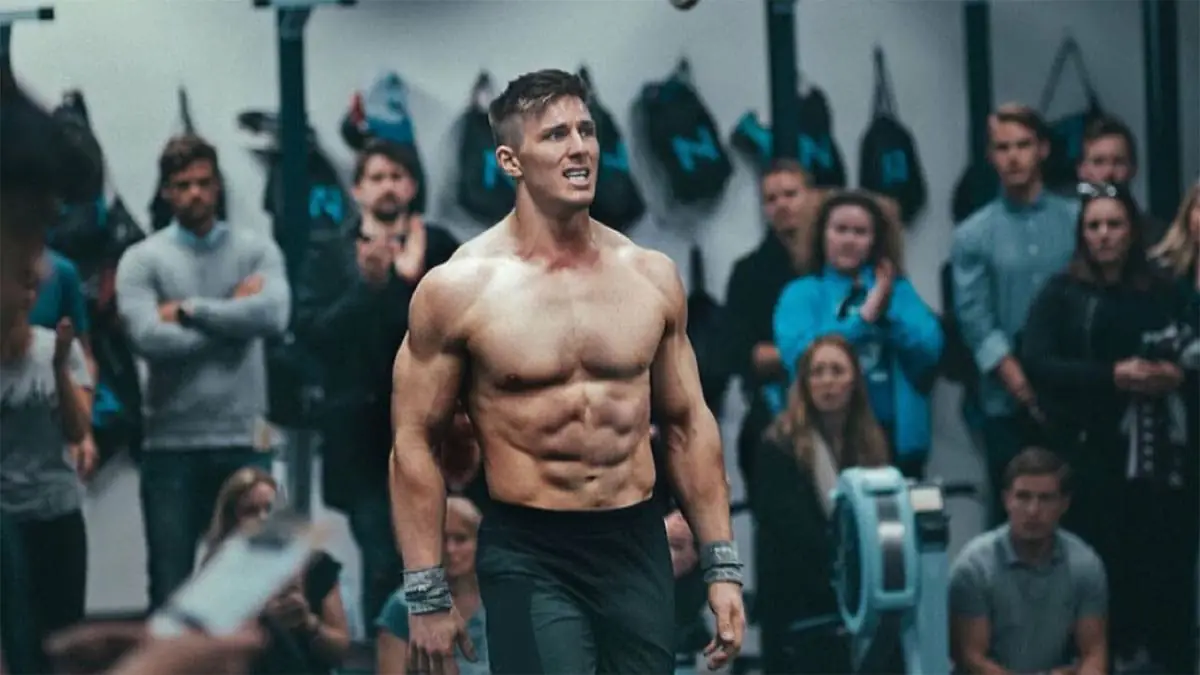
A broad upper body that tapers into a narrow waist is one of the most recognizable athletic physiques. This look, often called the V shaped torso, is created by developing the muscles across the upper back, shoulders, and chest while maintaining a relatively lean midsection. Genetics influence shoulder width and muscle insertions, but beginners can make dramatic improvements by focusing on the right exercises and following a consistent strength training program.
Many new lifters make the mistake of chasing dozens of isolation exercises or constantly changing their workouts. Research consistently shows that building muscle depends far more on progressive overload, sufficient training volume, good technique, and adequate recovery than on having an endless variety of exercises. The best beginner routine focuses on mastering a handful of movements that recruit large amounts of muscle and allow steady increases in strength over time.


The three exercises below provide an excellent foundation for building the upper body that contributes most to a V shaped appearance. They are beginner friendly, highly effective, and supported by years of biomechanical and scientific research.
Why the V Shape Depends on More Than Wide Shoulders
A V shaped torso is primarily created by the relationship between shoulder width and waist size. While bone structure cannot be changed, muscle growth can dramatically alter how the body looks.
The latissimus dorsi, commonly called the lats, are the largest muscles of the upper back. When they grow, they create the illusion of a wider torso by extending outward beneath the arms. The deltoids, particularly the middle portion, increase shoulder width and contribute to a broader frame. Well developed upper chest muscles also improve overall upper body proportions.
Building these muscles requires consistent resistance training. Position stands from the American College of Sports Medicine emphasize that beginners experience substantial increases in muscle size and strength when following structured resistance training programs that progressively increase the training load over time.
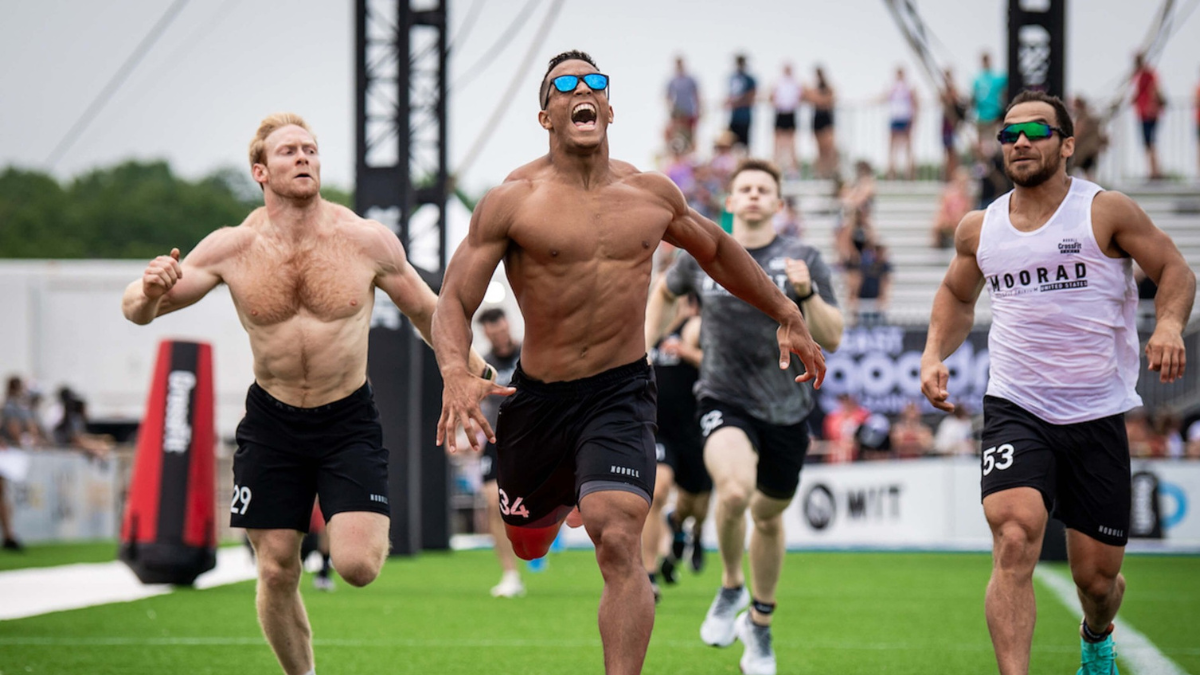
Another important factor is body fat. Even significant muscle development can remain hidden beneath excess body fat. Combining resistance training with appropriate nutrition and maintaining a healthy body composition makes muscular definition much more visible.
Exercise 1: Pull Ups or Assisted Pull Ups
Why Pull Ups Are So Effective
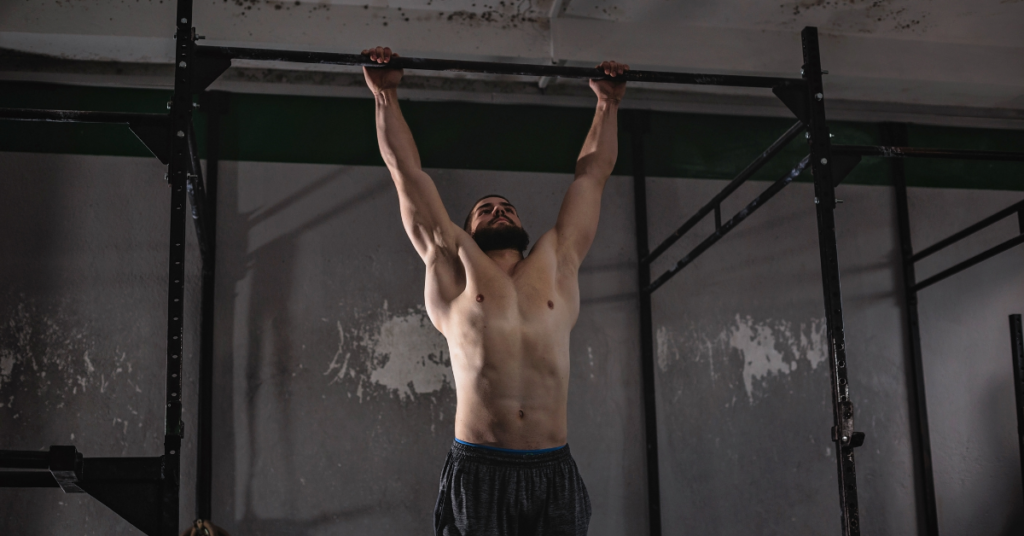
If there is one exercise that deserves the title of king of back training, it is the pull up. This movement primarily targets the latissimus dorsi while also recruiting the biceps, rhomboids, trapezius, posterior deltoids, and core muscles.
Electromyography studies consistently show high levels of activation in the lats during pull ups. Compared with many machine based alternatives, pull ups require greater stabilization throughout the shoulders and trunk, making them a highly efficient compound exercise. For beginners who cannot yet complete a bodyweight pull up, assisted pull up machines or resistance bands provide an excellent starting point. These variations maintain the same movement pattern while reducing the amount of bodyweight being lifted.
How to Perform the Exercise
Grip the bar slightly wider than shoulder width using an overhand grip. Begin from a dead hang with the shoulders engaged rather than completely relaxed.
Pull your elbows down toward your ribs while driving your chest upward. Continue until your chin clears the bar without excessive swinging or kicking. Lower yourself under control until the arms are fully extended before beginning the next repetition. If using assistance, select the minimum amount of support that allows smooth and controlled repetitions with proper technique.
Common Beginner Mistakes
Many beginners rely on momentum rather than muscular effort. Swinging the legs reduces tension on the lats and limits strength development. Another common mistake is pulling with the arms instead of initiating the movement through the back muscles. Thinking about driving the elbows toward the hips often improves lat recruitment.
Rushing the lowering phase also reduces training effectiveness. Research suggests that controlled eccentric muscle actions contribute significantly to muscle growth because they produce high mechanical tension.
Is the Tate Press the Perfect Arms Exercise for Jacked Triceps?
Exercise 2: Dumbbell Shoulder Press
Why the Shoulder Press Builds Width
Wide shoulders are essential for creating the illusion of a narrow waist. The dumbbell shoulder press develops all three heads of the deltoid while placing particular emphasis on the anterior and middle portions. It also strengthens the triceps and upper chest. Using dumbbells instead of a barbell offers several advantages for beginners. Each arm works independently, reducing muscular imbalances while allowing the shoulders to move through a more natural range of motion.
Research comparing free weights with machine based resistance training has shown that free weights often require greater stabilizer muscle activation, helping beginners develop balanced strength and coordination.

How to Perform the Exercise
Sit on a bench with back support or stand with your feet shoulder width apart. Hold a dumbbell in each hand at shoulder height with the palms facing forward. Press the weights upward until the arms are nearly straight without locking the elbows aggressively. Lower the dumbbells slowly until they return to shoulder level.
Maintain a neutral spine throughout the movement and avoid leaning backward excessively, which shifts the workload toward the lower back instead of the shoulders.
Common Beginner Mistakes
One of the biggest errors is choosing weights that are too heavy. Excessive load often causes poor technique and unnecessary stress on the shoulder joint.
Another mistake is reducing the range of motion. Bringing the dumbbells only halfway down limits muscle activation and decreases overall training stimulus. Moving through a full comfortable range while maintaining control helps maximize muscle development.
Exercise 3: Incline Dumbbell Bench Press
Why the Upper Chest Matters
The upper portion of the pectoralis major contributes significantly to an athletic appearance. A well developed upper chest creates a fuller look beneath the collarbones and complements broad shoulders. The incline dumbbell press also recruits the anterior deltoids and triceps, making it another highly productive compound exercise.
Studies examining muscle activation during various bench press angles have found that moderate incline pressing increases activation of the clavicular portion of the pectoralis major compared with flat pressing.
Using dumbbells allows each arm to move independently while encouraging greater shoulder stability and a larger range of motion than many fixed barbell movements.
How to Perform the Exercise
- Set the bench to an incline of approximately 30 to 45 degrees.
- Lie back with a dumbbell in each hand positioned beside the upper chest.
- Press both weights upward until the arms are almost fully extended.
- Lower the dumbbells slowly until the elbows move slightly below the level of the bench while maintaining control throughout the movement.
- Keep the shoulder blades gently retracted against the bench to provide a stable pressing platform.
Common Beginner Mistakes
Many people set the bench too steeply, turning the exercise into more of a shoulder press than a chest movement. Allowing the elbows to flare excessively can also increase shoulder stress. Keeping the elbows at a comfortable angle relative to the torso generally improves joint comfort while maintaining excellent chest activation.
Why Compound Exercises Beat Isolation Exercises for Beginners
Isolation exercises certainly have value later in a training career, but beginners gain the greatest return from compound movements. Compound exercises recruit multiple muscle groups simultaneously, allowing more total work to be completed in less time. They also permit heavier loading, which increases mechanical tension, one of the primary drivers of muscle growth.
Large systematic reviews show that resistance training performed with sufficient intensity and volume produces significant increases in muscle size across virtually all populations, including complete beginners.
Beginners also experience rapid improvements in neuromuscular coordination. Practicing fundamental movement patterns such as pulling and pressing develops movement efficiency while laying the foundation for more advanced training later.
How Many Sets and Repetitions Should Beginners Perform?
Scientific recommendations for hypertrophy generally suggest performing multiple sets using moderate repetition ranges while training close to muscular fatigue. For most beginners, performing three sets of eight to twelve repetitions for each exercise works extremely well. Select a weight that makes the final few repetitions challenging while still allowing perfect technique.
Progressive overload remains essential. Once twelve repetitions become comfortable across all sets, increase the resistance slightly and repeat the process.
Research consistently demonstrates that muscle growth occurs across a wide range of repetition schemes provided total effort is sufficiently high and sets are performed close to failure.
Recovery Is Where Muscle Growth Happens
Training stimulates muscle growth, but recovery allows the body to adapt. Protein intake plays a major role in maximizing muscle protein synthesis. Current evidence suggests that physically active individuals seeking muscle growth benefit from consuming adequate daily protein distributed across multiple meals.
Sleep is equally important. During deep sleep, hormones involved in tissue repair and recovery are released, while the nervous system recovers from training stress.
Beginners should also avoid training the same muscles intensely every day. Allowing at least forty eight hours between hard sessions for the same muscle groups generally supports better recovery and performance.
Consistency Beats Complexity
The fitness industry often promotes complicated training systems, but science points toward a much simpler conclusion. Beginners make excellent progress by mastering basic exercises, training consistently, gradually increasing resistance, and recovering properly. Pull ups build the wide back that defines the V shape. Dumbbell shoulder presses create broader shoulders that enhance upper body proportions. Incline dumbbell presses develop the upper chest to complete a balanced physique.
Rather than chasing dozens of exercises, focus on becoming stronger at these three movements over the coming months. Combined with good nutrition, sufficient protein, quality sleep, and patience, they provide everything a beginner needs to start building an impressive V shaped torso.
Key Takeaways
| Key Area | Main Point |
|---|---|
| Best back exercise | Pull ups or assisted pull ups develop the latissimus dorsi and increase upper body width. |
| Best shoulder exercise | Dumbbell shoulder presses build stronger and broader deltoids while improving stability. |
| Best chest exercise | Incline dumbbell bench presses emphasize the upper chest for balanced upper body development. |
| Training volume | Three sets of eight to twelve repetitions is an effective starting point for beginners. |
| Progressive overload | Gradually increase weight or repetitions as strength improves to continue building muscle. |
| Recovery | Adequate sleep, protein intake, and rest days support muscle growth and strength gains. |
| Nutrition | A balanced diet with sufficient calories and protein maximizes training results. |
| Long term success | Consistency with fundamental compound exercises produces better results than constantly changing workouts. |
References
- American College of Sports Medicine. (2009) ‘American College of Sports Medicine position stand. Progression models in resistance training for healthy adults.’ Medicine & Science in Sports & Exercise, 41(3), pp. 687 to 708.
- Gentil, P., Fisher, J. and Steele, J. (2017) ‘A review of the acute effects and long term adaptations of single and multi joint exercises during resistance training.’ Sports Medicine, 47(5), pp. 843 to 855.
- Grgic, J., Schoenfeld, B.J., Orazem, J. and Sabol, F. (2022) ‘Effects of resistance training performed to repetition failure or non failure on muscular strength and hypertrophy.’ Journal of Sport and Health Science, 11(2), pp. 202 to 211.
- Krieger, J.W. (2010) ‘Single versus multiple sets of resistance exercise for muscle hypertrophy. A meta analysis.’ Journal of Strength and Conditioning Research, 24(4), pp. 1150 to 1159.
- Morton, R.W., Murphy, K.T., McKellar, S.R., Schoenfeld, B.J., Henselmans, M., Helms, E., Aragon, A.A., Devries, M.C., Banfield, L., Krieger, J.W. and Phillips, S.M. (2018) ‘A systematic review, meta analysis and meta regression of the effect of protein supplementation on resistance training induced gains in muscle mass and strength in healthy adults.’ British Journal of Sports Medicine, 52(6), pp. 376 to 384.