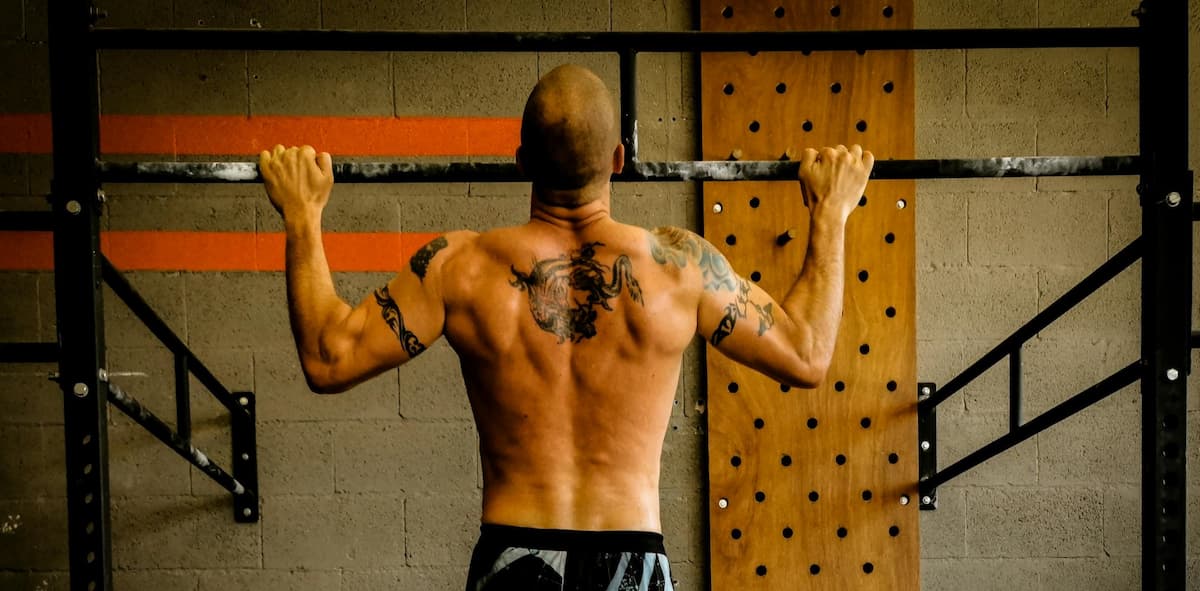


Pull-ups have long been considered one of the best upper-body exercises, but Joshua Hash of Strength Side believes they’re even more valuable than most people realize. In a YouTube video, Hash breaks down why mastering bodyweight pulling strength can transform both your physique and movement quality, all without needing a traditional gym.
Rather than chasing complicated workout plans, he encourages viewers to focus on clean technique, consistent practice, and realistic strength milestones.


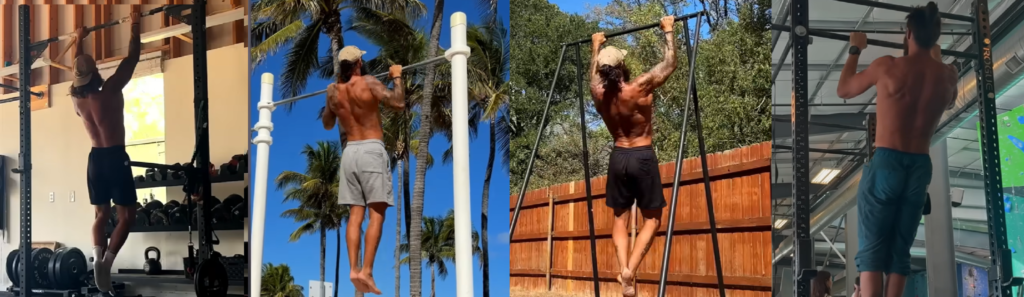
Pull-Ups Build More Than Just Muscle
Hash argues that pull-ups develop much more than an impressive back.
“It’s insane how much muscle you can build without ever touching a weight,” he said, reflecting on how he originally believed heavy deadlifts would be enough to build his back before realizing pull-ups were the missing piece.
He points to climbers and calisthenics athletes as examples of what consistent pulling strength can achieve. Beyond muscle growth, pull-ups improve relative strength by teaching the nervous system, shoulder blades, core, and stabilizing muscles to work together.
As Hash explains, “We need to become more intelligent to master our own body weight,” highlighting the coordination and body control that separate quality pull-ups from simply moving through repetitions.
Prioritize Clean Reps Over Big Numbers
One of the biggest mistakes Hash made early in his training was sacrificing form to reach higher rep counts. He recalled performing several good repetitions before swinging his legs and shrugging his shoulders to finish the set. Everything changed once he standardized his technique.
“Most people think they’re entitled to 10 pull-ups because they’ve worked out for a while,” he said. “Ten quality pull-ups is not easy.”
Instead, Hash recommends using strict standards for every repetition, including a dead hang at the bottom, no leg movement, a controlled pause at the top, and full engagement of the back muscles throughout the lift.
He also offers practical strength benchmarks. Five clean pull-ups create a strong foundation, while 10 strict repetitions signal excellent upper-body strength. Reaching 15 quality pull-ups, he says, places most recreational lifters among the strongest athletes in the gym.
Master the Form Before Adding Volume
According to Hash, good pull-ups begin before the first repetition. He encourages lifters to establish an active hang by pulling the shoulders down, engaging the core, and preloading the lats before initiating the movement. At the top, the goal isn’t simply getting the chin over the bar.
“It’s full engagement of the lats and upper back,” Hash explained. “A position to own, not just a target.”
He also emphasizes controlling the lowering phase, noting that slow eccentrics help reinforce proper movement patterns while providing one of the strongest muscle-building stimuli.
A Simple Weekly Plan
Rather than overcomplicating programming, Hash recommends one submaximal pull-up set each day, totaling roughly seven sets per week. Those who prefer fewer training days can simply divide that volume across two or three sessions.
For beginners who can’t yet perform five strict pull-ups, he recommends using a resistance band that allows at least five quality repetitions before gradually reducing assistance over time.
For Hash, the formula is simple: clean technique, consistent practice, and patience. Master those fundamentals, and the strength and physique gains will follow.
About the Author
Jeremiah Oliva

Jeremiah Oliva is a writer passionate about fitness, sports, and active living. He has experience in songwriting and managing content and social media for online radio and magazine platforms.
He covers HYROX, CrossFit®, and competitive fitness, with a focus on performance, mindset, and athlete development.
Outside of writing, Jeremiah trains in boxing, cycles, explores the outdoors with his kids, and plays the guitar.