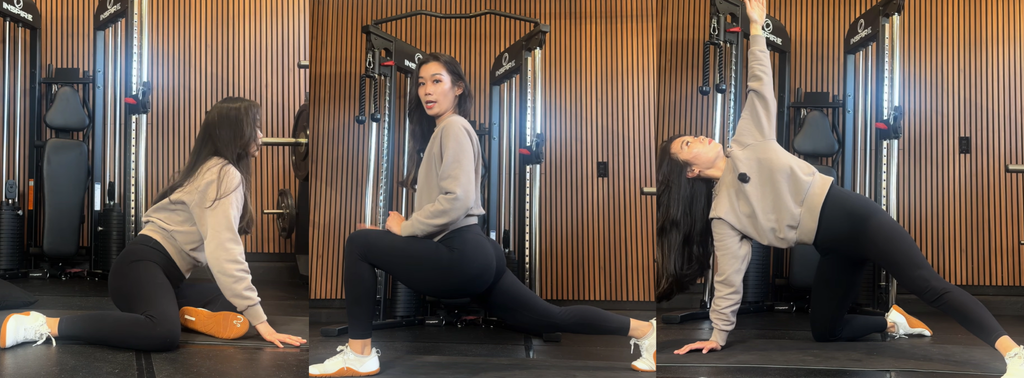


Visceral fat is one of the most dangerous types of body fat. Unlike subcutaneous fat, which sits beneath the skin, visceral fat accumulates deep inside the abdominal cavity and surrounds vital organs including the liver, pancreas, and intestines. Excess visceral fat has been linked to insulin resistance, type 2 diabetes, cardiovascular disease, nonalcoholic fatty liver disease, certain cancers, and premature mortality.
The good news is that visceral fat is also highly responsive to lifestyle changes. Research consistently shows that relatively simple adjustments to diet, exercise, sleep, and stress management can significantly reduce visceral fat stores, often before major changes are seen on the scale.


If your goal is better health, improved body composition, and a leaner waistline, these evidence based strategies can help you reduce visceral fat efficiently and sustainably.
Why Visceral Fat Is Different
Visceral fat is metabolically active tissue. It releases inflammatory compounds, hormones, and fatty acids directly into the portal circulation that connects to the liver. This process contributes to chronic inflammation, elevated blood sugar levels, abnormal cholesterol profiles, and increased cardiovascular risk.
Studies have demonstrated that waist circumference and visceral fat levels are often stronger predictors of metabolic disease than body weight alone. This means someone with a normal body weight but excessive visceral fat may still face significant health risks.
Fortunately, visceral fat tends to respond relatively quickly to positive lifestyle changes, making it one of the most rewarding targets for improving long term health.
Tip 1: Prioritize Resistance Training
Resistance training is one of the most effective tools for reducing visceral fat while preserving lean muscle mass.
Why Strength Training Works
When you lift weights or perform resistance exercises, your body increases energy expenditure during and after training. Muscle tissue also improves glucose uptake and insulin sensitivity, which helps reduce fat storage around internal organs.

Research shows that resistance training can significantly decrease visceral fat even without dramatic weight loss. Maintaining muscle mass is especially important because muscle tissue helps keep metabolism elevated during periods of fat loss.
How Much Is Enough?
Aim for at least two to four resistance training sessions per week. Focus on compound exercises such as squats, deadlifts, presses, rows, and pull ups. These movements recruit large amounts of muscle mass and generate a greater metabolic response than isolation exercises.
Consistency matters more than perfection. A structured strength training routine performed regularly can produce meaningful reductions in visceral fat over time.
Tip 2: Add High Intensity Interval Training
High intensity interval training, often called HIIT, combines short bursts of intense effort with periods of recovery.
The Science Behind HIIT
Multiple studies have found that HIIT is particularly effective for reducing abdominal and visceral fat. The intense nature of the exercise increases energy expenditure and stimulates metabolic adaptations that support fat loss.
HIIT also improves insulin sensitivity, cardiovascular fitness, and mitochondrial function, all of which contribute to healthier body composition.

Practical Application
A simple HIIT workout might include 30 seconds of hard cycling, sprinting, rowing, or kettlebell swings followed by 60 to 90 seconds of recovery. Repeating this cycle for 15 to 20 minutes can provide significant benefits.
Two or three HIIT sessions per week are often sufficient when combined with resistance training.
Tip 3: Increase Your Protein Intake
Protein plays a central role in fat loss and body composition improvement.
How Protein Helps Reduce Visceral Fat
Protein has the highest thermic effect of food, meaning the body burns more calories digesting it compared to fats or carbohydrates. Protein also increases satiety, helping reduce overall calorie intake naturally.
Higher protein diets have been associated with lower levels of abdominal and visceral fat accumulation. Protein also helps preserve muscle mass during weight loss, which supports long term metabolic health.
Protein Sources
Lean meats, poultry, fish, eggs, dairy products, legumes, tofu, tempeh, and high quality protein supplements can all contribute to daily protein goals. Many experts recommend consuming approximately 1.6 to 2.2 grams of protein per kilogram of body weight per day for active individuals seeking fat loss and muscle preservation.
Tip 4: Cut Back on Added Sugar
Excessive sugar consumption is strongly associated with increased visceral fat accumulation.
Why Sugar Is a Problem
Large amounts of added sugar, particularly fructose, can overwhelm normal metabolic pathways in the liver. This process promotes fat production and storage, especially in the abdominal region.

Research has linked high sugar intake to increased liver fat, insulin resistance, and greater visceral fat deposits.
What to Reduce
Sugary beverages are among the biggest contributors. Soft drinks, sweetened coffee beverages, sports drinks, and fruit flavored drinks often deliver large amounts of sugar with little nutritional value. Replacing these beverages with water, sparkling water, unsweetened tea, or black coffee can significantly reduce daily calorie intake.
Tip 5: Eat More Soluble Fiber
Fiber is often overlooked in discussions about fat loss, yet it has a profound impact on metabolic health.
The Benefits of Soluble Fiber
Soluble fiber absorbs water and forms a gel like substance in the digestive tract. This slows digestion, improves satiety, and helps regulate blood sugar levels.
Studies have found that increased soluble fiber intake is associated with lower visceral fat accumulation and improved weight management.
Best Sources
Excellent sources include oats, beans, lentils, peas, flaxseeds, chia seeds, avocados, apples, berries, and vegetables.
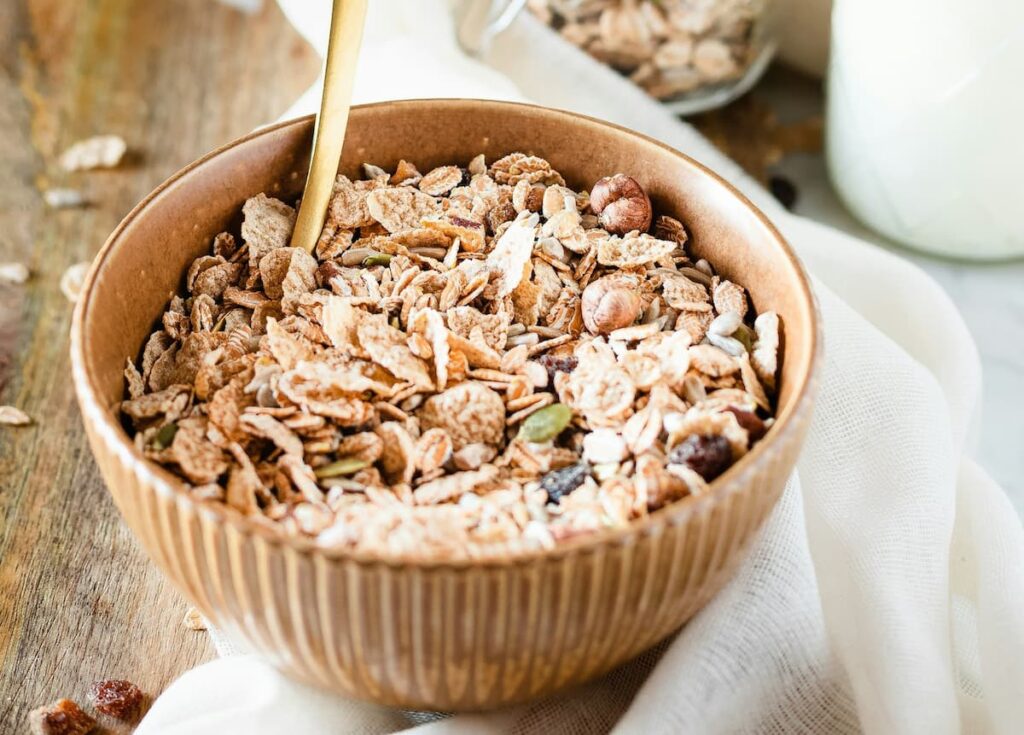
Increasing fiber intake gradually while maintaining adequate hydration can help maximize benefits and minimize digestive discomfort.
Tip 6: Improve Sleep Quality
Sleep is one of the most underestimated factors affecting body composition and visceral fat levels.
Sleep and Fat Storage
Insufficient sleep disrupts hormones involved in appetite regulation, including leptin and ghrelin. Poor sleep also increases cortisol levels and promotes insulin resistance. Research shows that chronic sleep deprivation is associated with greater accumulation of visceral fat, even when calorie intake remains relatively stable.
Creating Better Sleep Habits
Most adults should aim for seven to nine hours of quality sleep each night. Establishing a consistent bedtime, limiting screen exposure before bed, and maintaining a cool, dark sleeping environment can improve sleep quality significantly.
Tip 7: Manage Stress More Effectively
Chronic stress can directly contribute to visceral fat accumulation.
The Cortisol Connection
When stress becomes persistent, cortisol levels remain elevated for extended periods. High cortisol concentrations encourage fat storage in the abdominal region and may increase cravings for highly palatable foods. Research has repeatedly identified links between chronic psychological stress and increased visceral adiposity.
Effective Stress Reduction Strategies
Physical activity, meditation, mindfulness practices, deep breathing exercises, spending time outdoors, and maintaining strong social connections can all help lower stress levels.
Even short daily stress management practices can have meaningful physiological effects over time.
Tip 8: Drink More Coffee
Coffee may offer benefits beyond simply providing energy.
Coffee and Fat Metabolism
Research suggests that caffeine can increase metabolic rate, enhance fat oxidation, and improve exercise performance. Some studies have also associated regular coffee consumption with lower levels of visceral fat. Coffee contains bioactive compounds that may support metabolic health and reduce inflammation.
Best Practices
Black coffee or coffee with minimal added sugar is generally the best choice. Excessive additions of syrups, creamers, and sugar can easily offset potential benefits.
Moderation remains important, particularly for individuals sensitive to caffeine.
Tip 9: Limit Alcohol Consumption
Alcohol consumption can significantly influence abdominal fat accumulation.
Alcohol and Visceral Fat
Excess alcohol intake contributes calories without providing meaningful nutritional value. Alcohol metabolism can also interfere with fat oxidation and promote fat storage around internal organs. Studies have found strong associations between heavy alcohol consumption and increased visceral fat levels.
Finding the Right Balance
Reducing alcohol intake can lead to measurable improvements in waist circumference and metabolic health. For individuals focused on reducing visceral fat, limiting alcohol frequency and quantity is often a highly effective strategy.
Tip 10: Create a Sustainable Calorie Deficit
Ultimately, reducing visceral fat requires the body to use stored energy reserves.
Why Energy Balance Matters
Although specific foods and exercise methods can influence where fat is lost, overall fat reduction depends on maintaining an energy deficit over time. Research consistently shows that weight loss achieved through dietary intervention leads to significant reductions in visceral fat.
Focus on Sustainability
Extreme diets rarely produce lasting results. Instead, aim for a moderate calorie deficit that allows consistent progress while preserving energy levels, performance, and muscle mass.
Combining a nutritious diet with regular exercise creates the most reliable pathway to long term visceral fat reduction.
The Most Effective Combination
While each strategy can help independently, the greatest reductions in visceral fat occur when multiple approaches are combined.
A practical evidence based plan includes resistance training several times per week, occasional HIIT sessions, sufficient protein intake, reduced added sugar consumption, increased fiber intake, quality sleep, stress management, limited alcohol intake, and a sustainable calorie deficit.
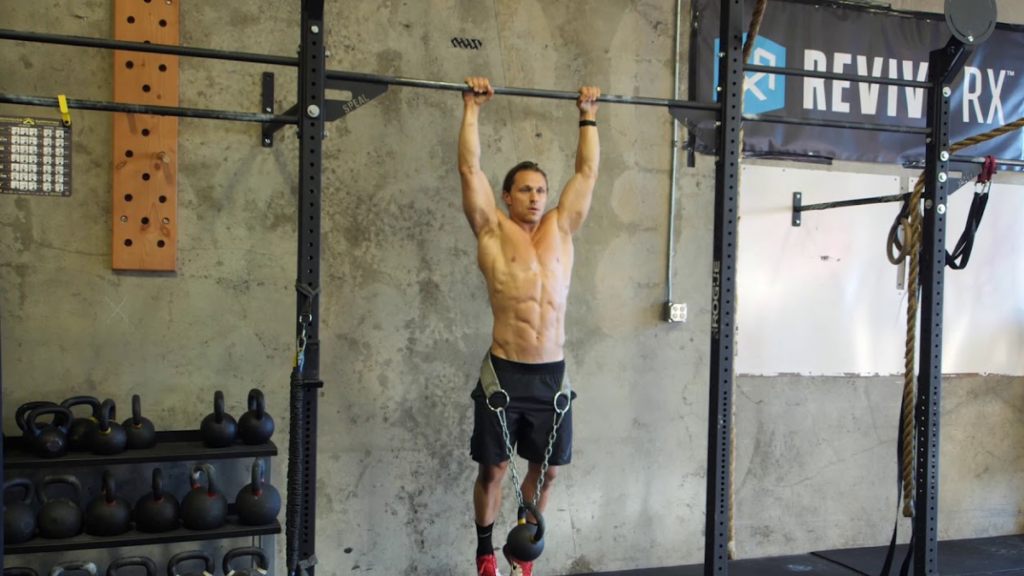
These habits work together to improve insulin sensitivity, reduce inflammation, preserve muscle mass, and create the physiological conditions necessary for visceral fat loss.
Final Thoughts
Visceral fat is more than a cosmetic concern. It is a major risk factor for some of the most common chronic diseases affecting modern populations. Fortunately, it is also highly responsive to lifestyle intervention.
You do not need complicated detoxes, expensive supplements, or extreme diets to reduce visceral fat. The strongest scientific evidence consistently points toward simple fundamentals performed consistently over time.
Strength training, interval training, adequate protein, lower sugar intake, higher fiber consumption, quality sleep, effective stress management, moderate alcohol intake, and a sustainable calorie deficit remain the most reliable strategies for improving body composition and long term health.
The key is not choosing one of these habits. The key is building a lifestyle that incorporates as many of them as possible.
Key Takeaways
| Strategy | Primary Benefit | Impact on Visceral Fat |
|---|---|---|
| Resistance Training | Preserves muscle and improves insulin sensitivity | High |
| HIIT | Increases calorie expenditure and metabolic adaptations | High |
| Higher Protein Intake | Supports satiety and muscle retention | Moderate to High |
| Lower Added Sugar Intake | Reduces fat production in the liver | High |
| More Soluble Fiber | Improves appetite control and blood sugar regulation | Moderate |
| Better Sleep | Improves hormone balance and recovery | Moderate to High |
| Stress Management | Reduces cortisol driven fat storage | Moderate |
| Coffee Consumption | May increase fat oxidation and metabolic rate | Mild to Moderate |
| Reduced Alcohol Intake | Lowers excess calorie intake and fat storage | Moderate to High |
| Sustainable Calorie Deficit | Drives overall fat loss | Essential |
Bibliography
- Beavers, K.M., Beavers, D.P., Martin, S.B., Marsh, A.P., Lyles, M.F., Lenchik, L., Nicklas, B.J. and Rejeski, W.J. (2017) ‘Change in aerobic exercise performance and visceral adiposity among older adults’, Medicine & Science in Sports & Exercise, 49(3), pp. 588 to 595.
- Choi, Y., Chang, Y., Ryu, S., Cho, J., Rampal, S., Zhang, Y. and Ahn, J. (2015) ‘Coffee consumption and changes in obesity indices among Korean adults’, European Journal of Clinical Nutrition, 69(4), pp. 410 to 416.
- Donnelly, J.E., Blair, S.N., Jakicic, J.M., Manore, M.M., Rankin, J.W. and Smith, B.K. (2009) ‘Appropriate physical activity intervention strategies for weight loss and prevention of weight regain for adults’, Medicine & Science in Sports & Exercise, 41(2), pp. 459 to 471.
- Epel, E.S., McEwen, B., Seeman, T., Matthews, K., Castellazzo, G., Brownell, K.D., Bell, J. and Ickovics, J.R. (2000) ‘Stress and body shape: stress induced cortisol secretion is consistently greater among women with central fat’, Psychosomatic Medicine, 62(5), pp. 623 to 632.
- Hall, K.D. and Kahan, S. (2018) ‘Maintenance of lost weight and long term management of obesity’, Medical Clinics of North America, 102(1), pp. 183 to 197.
- Keating, S.E., Johnson, N.A., Mielke, G.I. and Coombes, J.S. (2017) ‘A systematic review and meta analysis of interval training versus moderate intensity continuous training on body adiposity’, Obesity Reviews, 18(8), pp. 943 to 964.
- Kim, Y., Je, Y. and Giovannucci, E. (2016) ‘Association between alcohol consumption and abdominal obesity’, BMC Public Health, 16, Article 212.
- Kistler, K.D., Brunt, E.M., Clark, J.M., Diehl, A.M., Sallis, J.F. and Schwimmer, J.B. (2011) ‘Physical activity recommendations, exercise intensity, and histological severity of nonalcoholic fatty liver disease’, American Journal of Gastroenterology, 106(3), pp. 460 to 468.
- Mozaffarian, D., Hao, T., Rimm, E.B., Willett, W.C. and Hu, F.B. (2011) ‘Changes in diet and lifestyle and long term weight gain in women and men’, New England Journal of Medicine, 364(25), pp. 2392 to 2404.
- Murphy, R.A., Reinders, I., Garcia, M.E., Eiriksdottir, G., Launer, L.J., Benediktsson, R., Gudnason, V. and Harris, T.B. (2017) ‘Sleep duration and visceral adiposity in older adults’, International Journal of Obesity, 41(2), pp. 239 to 245.
- Pasiakos, S.M., Cao, J.J., Margolis, L.M., Sauter, E.R., Whigham, L.D., McClung, H.L., Rood, J.C., Carbone, J.W. and Combs, G.F. (2013) ‘Effects of high protein diets on fat free mass and body composition’, Nutrition & Metabolism, 10(1), Article 53.
- Slentz, C.A., Bateman, L.A., Willis, L.H., Shields, A.T., Tanner, C.J., Piner, L.W., Hawk, V.H., Muehlbauer, M.J., Samsa, G.P., Nelson, R.C. and Kraus, W.E. (2011) ‘Effects of exercise training alone on body weight, body composition, and cardiometabolic risk factors’, Journal of Applied Physiology, 111(3), pp. 828 to 838.
- Vissers, D., Hens, W., Taeymans, J., Baeyens, J.P., Poortmans, J. and Van Gaal, L. (2013) ‘The effect of exercise on visceral adipose tissue in overweight adults’, PLoS One, 8(2), e56415.
- Wanders, A.J., van den Borne, J.J., de Graaf, C., Hulshof, T., Jonathan, M.C., Kristensen, M., Mars, M., Schols, H.A. and Feskens, E.J. (2011) ‘Effects of dietary fibre on subjective appetite, energy intake and body weight’, Obesity Reviews, 12(9), pp. 724 to 739.
- Welch, A.A., Luben, R., Khaw, K.T. and Bingham, S.A. (2005) ‘Dietary fibre and body composition in middle aged adults’, American Journal of Clinical Nutrition, 81(2), pp. 320 to 328.
- Yki Järvinen, H. (2014) ‘Non alcoholic fatty liver disease as a cause and a consequence of metabolic syndrome’, Lancet Diabetes & Endocrinology, 2(11), pp. 901 to 910.