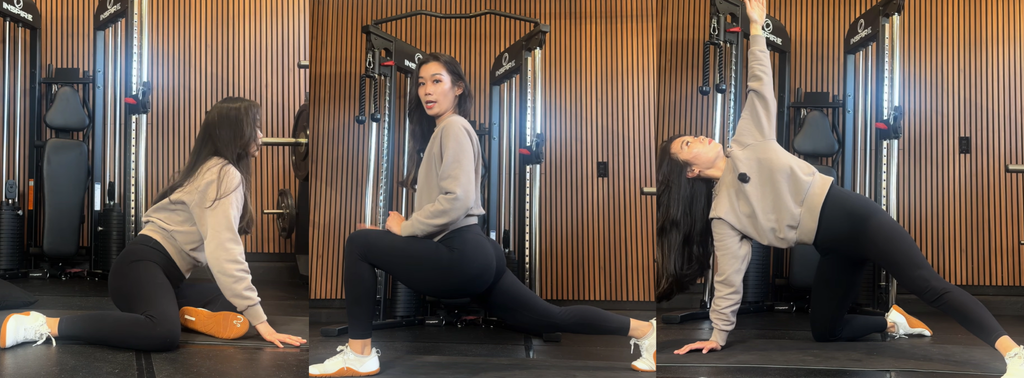


John Lindsey at The Movement Journey has come up with 6 longevity tests that everyone should try.
Check them out below and see how well you fare.


The 6 Longevity Tests
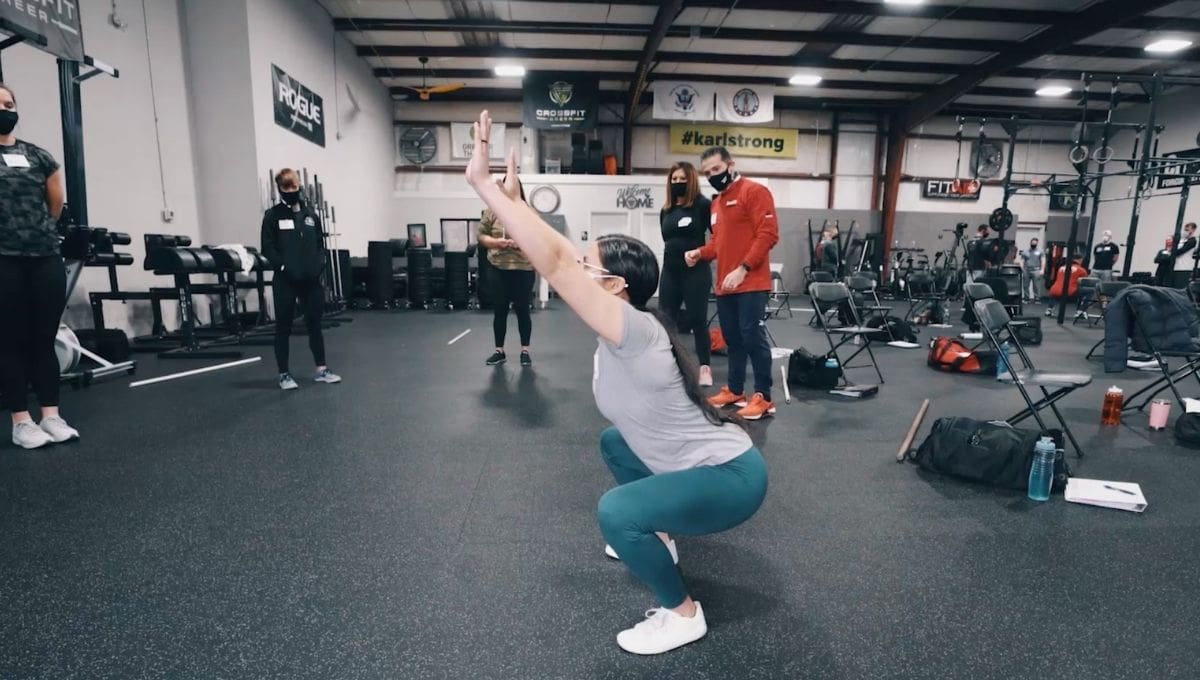
- 2 minute deep squat
- Get off the floor with no hands
- Fists to floor
- 1 minute heel sit
- 1 minute dead hang
- 1 minute single leg balance
Good health, movement, and mobility are essential for longevity because they help preserve both lifespan (how long you live) and healthspan (how long you live in good health). Living longer has less value if those extra years are marked by disability, chronic disease, or loss of independence.
Here are the key reasons why they matter:
1. They Lower the Risk of Chronic Disease
Regular movement and good physical health reduce the likelihood of developing many of the leading causes of death worldwide, including heart disease, stroke, type 2 diabetes, certain cancers, and dementia. Physical activity improves blood pressure, insulin sensitivity, cholesterol levels, and body composition while reducing chronic inflammation.
2. They Preserve Muscle and Strength
After the age of 30, adults naturally begin to lose muscle mass and strength, a process known as sarcopenia. Maintaining mobility and staying active, especially through resistance training, slows this decline. Strong muscles support healthy metabolism, protect joints, and improve balance.
3. They Help Prevent Falls
Falls are one of the leading causes of injury, disability, and death in older adults. Good mobility improves balance, coordination, flexibility, reaction time, and joint control, all of which reduce fall risk and help people recover more effectively if they do fall.
4. They Maintain Independence
Mobility is directly linked to the ability to perform daily activities such as walking, climbing stairs, carrying groceries, getting out of a chair, and dressing. People who maintain mobility are more likely to remain independent and avoid the need for assisted living or long term care.
5. They Protect Brain Health
Exercise increases blood flow to the brain, stimulates the release of brain derived neurotrophic factor, and supports the growth and maintenance of neural connections. Higher levels of physical activity are associated with a lower risk of cognitive decline, Alzheimer’s disease, and depression.
6. They Improve Cardiovascular Fitness
A healthy heart and lungs deliver oxygen and nutrients efficiently throughout the body. Better cardiovascular fitness is one of the strongest predictors of longevity, with higher cardiorespiratory fitness consistently associated with lower rates of all cause mortality.
7. They Preserve Joint Function
Moving joints through their full range of motion helps maintain cartilage health, lubricates the joints through synovial fluid production, and prevents stiffness. Healthy joints make it easier to remain active throughout life, creating a positive cycle of movement and health.
8. They Support Mental Wellbeing
Regular movement reduces symptoms of anxiety and depression, improves sleep quality, lowers stress hormones, and boosts mood through the release of endorphins and other neurochemicals. Better mental health also makes it easier to maintain healthy lifestyle habits over the long term.
9. They Increase Resilience
Healthy, mobile individuals are generally better able to recover from illness, surgery, or injury. Higher levels of physical fitness provide greater physiological reserve, allowing the body to cope more effectively with health challenges that become more common with age.
10. They Extend Healthspan
The ultimate goal of longevity is not simply adding years to life but adding healthy years. Good mobility and regular movement allow people to continue traveling, exercising, playing with grandchildren, pursuing hobbies, and living independently well into older age.
In short, mobility is one of the foundations of longevity because it enables continued physical activity, and physical activity influences nearly every organ system in the body. Maintaining strength, cardiovascular fitness, flexibility, balance, and healthy movement patterns helps reduce disease risk, preserve independence, and improve quality of life, making it more likely that the years gained through longer life are active and fulfilling rather than limited by disability.