

Fitness is often judged by the wrong metrics. Many people look in the mirror, step on a scale, or compare themselves to athletes on social media and conclude they are not fit enough. The problem is that fitness is much broader than visible abs, body weight, or elite athletic performance. Exercise scientists define fitness as a combination of cardiovascular health, muscular strength, endurance, mobility, metabolic health, and the ability to perform daily activities efficiently.
Research consistently shows that people often underestimate their physical capabilities and health status. A person may not look like a professional athlete yet still possess excellent cardiovascular fitness, strong muscular endurance, and a low risk of chronic disease. In fact, some of the most meaningful indicators of fitness are not immediately visible.


If you regularly exercise, move throughout the day, or maintain healthy habits, there is a good chance you are fitter than you think. Here are five science-backed signs that suggest your body is performing better than you may realize.
Why Fitness Is More Than Appearance
Before examining the signs, it is important to understand why appearance can be misleading.
Body composition varies enormously between individuals. Genetics, age, sex, muscle insertion points, and hormonal factors all influence how someone looks. Two people with similar levels of cardiovascular fitness may have completely different physiques.
Research has repeatedly shown that cardiorespiratory fitness is one of the strongest predictors of long-term health and mortality risk. In many cases, fitness level predicts health outcomes more accurately than body weight alone. This means that your body may be functioning exceptionally well even if you do not resemble the stereotypical image of a fitness model.
Sign 1: Your Resting Heart Rate Is Relatively Low
One of the clearest indicators of cardiovascular fitness is your resting heart rate.
What Resting Heart Rate Reveals
Resting heart rate refers to the number of times your heart beats per minute while completely at rest. For most adults, a normal resting heart rate falls between 60 and 100 beats per minute.
Physically active individuals often have significantly lower values. Endurance athletes can have resting heart rates below 50 beats per minute, and in some cases even below 40.

This occurs because regular exercise strengthens the heart muscle. A stronger heart pumps more blood with each contraction, allowing it to beat fewer times while still delivering sufficient oxygen throughout the body.
Why It Matters
A lower resting heart rate is generally associated with improved cardiovascular efficiency and lower risk of heart disease.
Large population studies have found that elevated resting heart rates are linked with increased mortality risk and cardiovascular events. Conversely, lower resting heart rates often indicate superior aerobic conditioning.
You do not need to be an elite runner to benefit. Research shows that consistent moderate exercise can significantly reduce resting heart rate over time.
How to Check It
Measure your pulse immediately after waking before getting out of bed. Repeat this several mornings and calculate the average.
If your resting heart rate regularly falls in the low 60s or below and you are not experiencing symptoms such as dizziness or fatigue, it may indicate that your cardiovascular system is in better shape than you realize.
Sign 2: You Recover Quickly After Exercise
Recovery speed is one of the most overlooked markers of fitness.
Many people focus exclusively on workout performance. However, how quickly your body returns to normal afterward may reveal even more about your fitness level.
The Science of Heart Rate Recovery
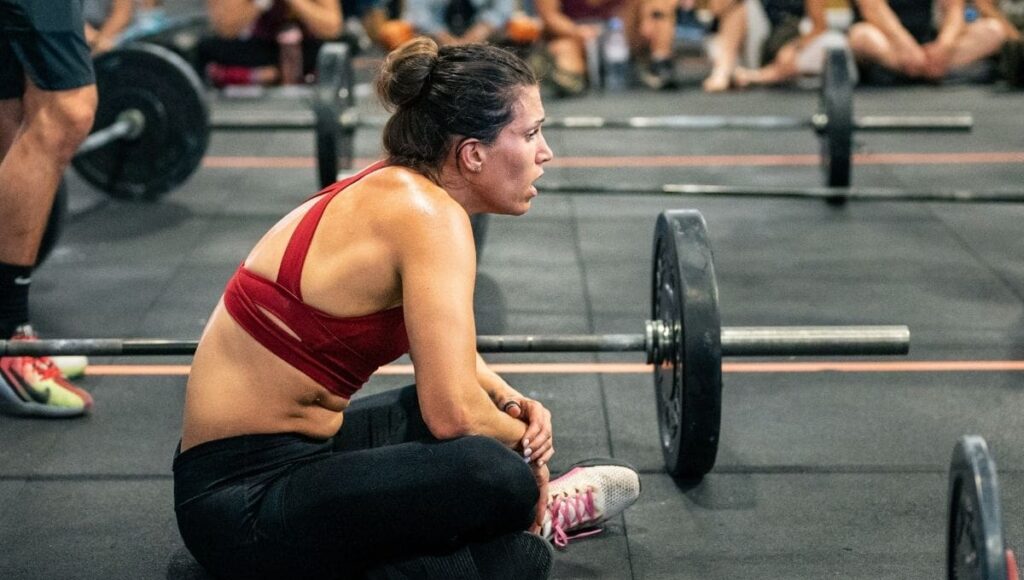
Heart rate recovery measures how quickly your heart rate declines after exercise stops.
A healthy and fit cardiovascular system can rapidly transition from a state of exertion back toward resting conditions. This process is controlled largely by the autonomic nervous system, particularly the parasympathetic branch.
Studies show that faster heart rate recovery is associated with better cardiovascular health and lower risk of mortality.
What Recovery Looks Like
Suppose you finish a hard workout and your heart rate reaches 170 beats per minute.
A fit individual may see their heart rate fall by 20 beats or more within the first minute after stopping exercise. The faster the decline, the more efficiently the cardiovascular system is functioning.
Recovery extends beyond heart rate as well.
If you can complete a challenging workout and feel ready to train again within a reasonable period, your body is likely adapting effectively. Excessive soreness, prolonged fatigue, and persistent exhaustion can indicate lower fitness levels or inadequate recovery capacity.
Everyday Signs of Good Recovery
You may be fitter than you think if:
- You can climb several flights of stairs and recover your breath quickly.
- You return to normal breathing within a few minutes after intense activity.
- You can perform multiple training sessions each week without feeling constantly drained.
- These are powerful indicators of cardiovascular and metabolic fitness.
Sign 3: Daily Physical Tasks Feel Easy
One of the simplest indicators of fitness is how effortlessly you move through daily life.
Functional Fitness Matters
Exercise scientists often use the term functional fitness to describe the ability to perform everyday tasks efficiently and safely.
While competitive athletes focus on specialized performance, functional fitness reflects real-world capability. Activities such as carrying groceries, lifting boxes, walking long distances, playing with children, climbing stairs, and performing household chores all require strength, endurance, balance, and coordination.
5 Signs Your Fitness is Better than Average for Your Age
Adaptation Happens Gradually
Because fitness improvements occur gradually, many people fail to notice them. Think about activities that once felt challenging.
Perhaps carrying heavy shopping bags used to leave you exhausted. Maybe climbing stairs caused noticeable breathlessness. If those same activities now feel routine, your fitness has improved significantly.
Research on physical function consistently demonstrates that higher levels of muscular strength and aerobic capacity improve quality of life and reduce the risk of disability.
Fitness Beyond the Gym
Some people underestimate their fitness because they are not setting personal records in the gym. However, if your body allows you to move freely throughout the day without excessive fatigue, that is a meaningful achievement.
Physical independence and resilience are among the most important outcomes of fitness training. The ability to comfortably handle everyday physical demands often reflects a strong foundation of health and conditioning.
Sign 4: You Can Sustain Moderate Activity for Long Periods
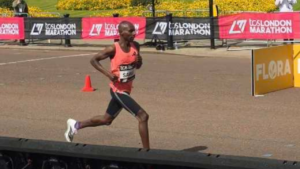
Endurance is a fundamental component of fitness. You may not run marathons or participate in endurance races, but your ability to sustain activity over time can reveal a lot about your physical condition.
The Aerobic System at Work
The aerobic energy system provides fuel for prolonged activity. When this system is well developed, your body becomes more efficient at delivering oxygen to working muscles and generating energy.
Regular aerobic exercise produces several important adaptations, including increased mitochondrial density, improved capillary networks, enhanced oxygen delivery, and greater cardiac output. These changes improve stamina and reduce fatigue during physical activity.

Signs You Have Good Endurance
You may possess better aerobic fitness than you realize if you can:
- Walk briskly for an hour without difficulty.
- Complete long hikes comfortably.
- Participate in recreational sports without becoming exhausted.
- Remain active throughout the day without needing frequent rest.
- Research consistently shows that aerobic capacity is one of the strongest predictors of health and longevity.
- Even moderate levels of cardiorespiratory fitness significantly reduce the risk of cardiovascular disease, diabetes, and premature death.
Why Everyday Endurance Counts
Many people assume endurance only matters in competitive sports. In reality, aerobic fitness supports virtually every aspect of health.
A body that can comfortably sustain activity for extended periods is generally functioning efficiently at the cardiovascular, muscular, and metabolic levels. That is a major sign of fitness regardless of whether you ever enter a race.
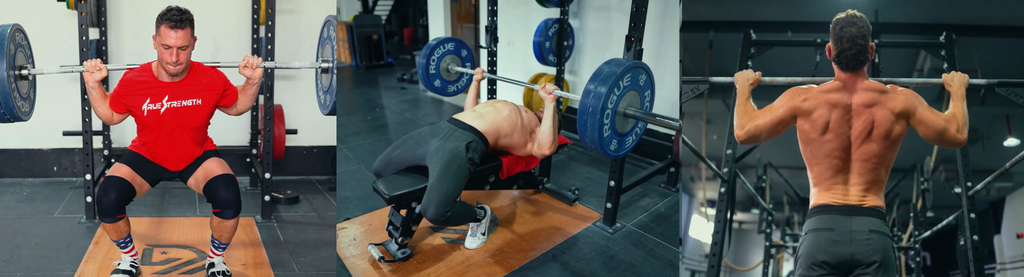
Sign 5: Your Strength Has Improved Even If You Do Not Look More Muscular
Strength gains often occur before visible changes in muscle size. This is one reason many people underestimate their progress.
The Nervous System Gets Stronger First
During the early stages of resistance training, improvements in strength are driven largely by neural adaptations rather than muscle growth.
Your brain becomes more efficient at recruiting muscle fibers and coordinating movement patterns. Research shows that substantial strength increases can occur even before noticeable hypertrophy develops. This means you may be significantly stronger without appearing dramatically different in the mirror.
Practical Signs of Strength Improvement
You are probably fitter than you think if:
- Weights that once felt heavy now feel manageable.
- You can perform more repetitions than before.
- Bodyweight exercises such as push-ups feel easier.
- You lift, carry, or move objects more confidently.
- These improvements reflect meaningful physiological adaptations.
- Strength is strongly associated with health outcomes, injury prevention, physical function, and longevity.
Why Relative Strength Matters
Many people compare themselves to elite lifters and conclude they are weak. However, fitness should be evaluated relative to your own starting point. If your strength is steadily improving and daily physical tasks are becoming easier, your body is adapting successfully. That is evidence of fitness regardless of whether you can deadlift enormous weights.
The Hidden Fitness Markers Most People Miss
Fitness is not always obvious because many of its benefits occur internally.
Regular exercise improves blood vessel function, insulin sensitivity, mitochondrial health, bone density, immune function, and cognitive performance.
These adaptations may not produce dramatic visual changes, but they significantly enhance health and performance.
Researchers consistently find that physically active individuals experience lower rates of cardiovascular disease, type 2 diabetes, certain cancers, depression, and premature mortality.
Many of these benefits develop long before visible physical transformations occur.
In other words, your body may already be experiencing substantial improvements even if the mirror has not caught up.
How to Accurately Measure Your Fitness
If you suspect you may be fitter than you think, consider tracking objective markers.
- Monitor your resting heart rate over time.
- Pay attention to heart rate recovery after exercise.
- Track strength improvements in key exercises.
- Notice how daily tasks feel compared to six months ago.
- Assess how long you can comfortably sustain moderate activity.
- Objective measurements often reveal progress that subjective feelings fail to capture.
Many people discover they are significantly fitter than they believed once they begin tracking these indicators.
Final Thoughts
Fitness is not defined by visible abs, a number on the scale, or comparisons with professional athletes. A low resting heart rate, rapid recovery after exercise, effortless performance of daily tasks, strong endurance, and increasing strength are all powerful signs that your body is functioning well.
The most important lesson is that fitness is about capability, resilience, and health rather than appearance alone. If you recognize several of these signs in yourself, there is a strong chance that you are already much fitter than you think.
Instead of focusing solely on how your body looks, pay attention to what your body can do. Science consistently shows that these performance-based indicators provide a far more accurate picture of true fitness.
Key Takeaways
| Sign | What It Indicates | Why It Matters |
|---|---|---|
| Low resting heart rate | Efficient cardiovascular function | Associated with lower cardiovascular risk and improved aerobic fitness |
| Fast recovery after exercise | Strong autonomic nervous system regulation | Linked to better health outcomes and lower mortality risk |
| Daily tasks feel easy | Good functional fitness | Reflects practical strength, endurance, and independence |
| Sustained activity is comfortable | Strong aerobic capacity | Supports longevity and metabolic health |
| Strength continues to improve | Positive neuromuscular adaptation | Enhances health, performance, and injury resistance |
References
- Blair, S.N., Kohl, H.W., Paffenbarger, R.S., Clark, D.G., Cooper, K.H. and Gibbons, L.W. (1989) ‘Physical fitness and all-cause mortality. A prospective study of healthy men and women’, Journal of the American Medical Association, 262(17), pp. 2395–2401.
- Carnethon, M.R., Yan, L., Greenland, P., Garside, D.B., Dyer, A.R., Metzger, B. and Daviglus, M.L. (2005) ‘Resting heart rate in middle age and diabetes development in older age’, Diabetes Care, 28(12), pp. 3049–3055.
- Cole, C.R., Blackstone, E.H., Pashkow, F.J., Snader, C.E. and Lauer, M.S. (1999) ‘Heart-rate recovery immediately after exercise as a predictor of mortality’, New England Journal of Medicine, 341(18), pp. 1351–1357.
- Garber, C.E., Blissmer, B., Deschenes, M.R., Franklin, B.A., Lamonte, M.J., Lee, I.M., Nieman, D.C. and Swain, D.P. (2011) ‘Quantity and quality of exercise for developing and maintaining cardiorespiratory, musculoskeletal, and neuromotor fitness in apparently healthy adults’, Medicine & Science in Sports & Exercise, 43(7), pp. 1334–1359.
- Kodama, S., Saito, K., Tanaka, S., Maki, M., Yachi, Y., Asumi, M., Sugawara, A., Totsuka, K., Shimano, H., Ohashi, Y., Yamada, N. and Sone, H. (2009) ‘Cardiorespiratory fitness as a quantitative predictor of all-cause mortality and cardiovascular events’, Journal of the American Medical Association, 301(19), pp. 2024–2035.
- McAuley, E. and Blissmer, B. (2000) ‘Self-efficacy determinants and consequences of physical activity’, Exercise and Sport Sciences Reviews, 28(2), pp. 85–88.
- Moritani, T. and deVries, H.A. (1979) ‘Neural factors versus hypertrophy in the time course of muscle strength gain’, American Journal of Physical Medicine, 58(3), pp. 115–130.
- Myers, J., Prakash, M., Froelicher, V., Do, D., Partington, S. and Atwood, J.E. (2002) ‘Exercise capacity and mortality among men referred for exercise testing’, New England Journal of Medicine, 346(11), pp. 793–801.
- Ross, R., Blair, S.N., Arena, R., Church, T.S., Després, J.P., Franklin, B.A., Haskell, W.L., Kaminsky, L.A., Levine, B.D., Lavie, C.J., Myers, J., Niebauer, J., Sallis, R., Sawada, S.S., Sui, X. and Wisløff, U. (2016) ‘Importance of assessing cardiorespiratory fitness in clinical practice’, Circulation, 134(24), pp. e653–e699.
- Warburton, D.E.R., Nicol, C.W. and Bredin, S.S.D. (2006) ‘Health benefits of physical activity: the evidence’, Canadian Medical Association Journal, 174(6), pp. 801–809.