


















Planks vs Hanging Leg Raises: Which Exercise Builds a Better 6 Pack?


Once you get bored of traditional sit ups, an entire world opens up for other core and abs exercises that can transform your body.
When it comes to planks and hanging leg raises, which one is right for you and your goals?
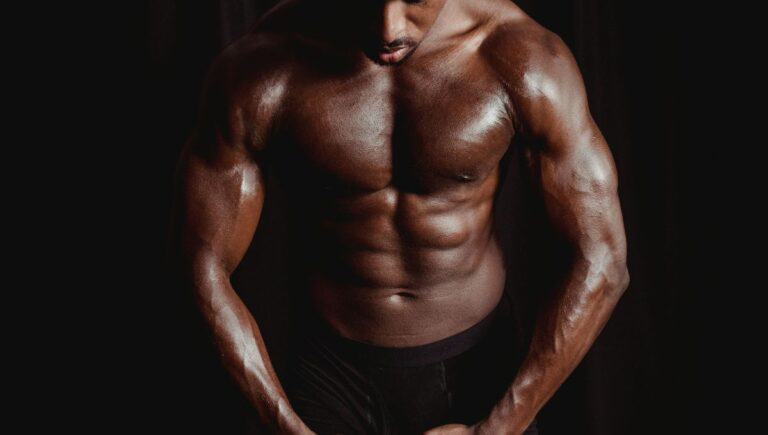
What Makes 6-Pack Muscles Grow and Show
Before comparing planks with hanging leg raises, it helps to separate two biological processes that control whether your abs look sharp. First, you need muscular hypertrophy of the rectus abdominis, which is the paired vertical muscle sheet running down the front of your torso that forms the classic six-pack ridges.
Second, you need lean body composition, because even thick, powerful abdominal muscles stay hidden underneath subcutaneous fat until nutrition and total energy expenditure reduce body fat levels.

Exercise science research on skeletal muscle growth demonstrates that muscles hypertrophy best when exposed to high levels of mechanical tension through dynamic lengthening and shortening, paired with progressive overload close to muscular failure.
While isometric holds certainly build muscular endurance and spinal stiffness, understanding how much dynamic tension each exercise delivers directly to the rectus abdominis explains why planks and hanging leg raises produce very different visual outcomes.
How Planks Challenge Your Core
A traditional forearm plank places your body in a horizontal line where gravity pulls your hips and lower spine downward toward the floor. To prevent your lumbar spine from sagging into hyperextension, your rectus abdominis, transverse abdominis, and obliques contract isometrically to stabilize your pelvis and ribcage. Because your body functions as a long lever supported only at your forearms and toes, your anterior core works steadily against gravity to hold neutral alignment.
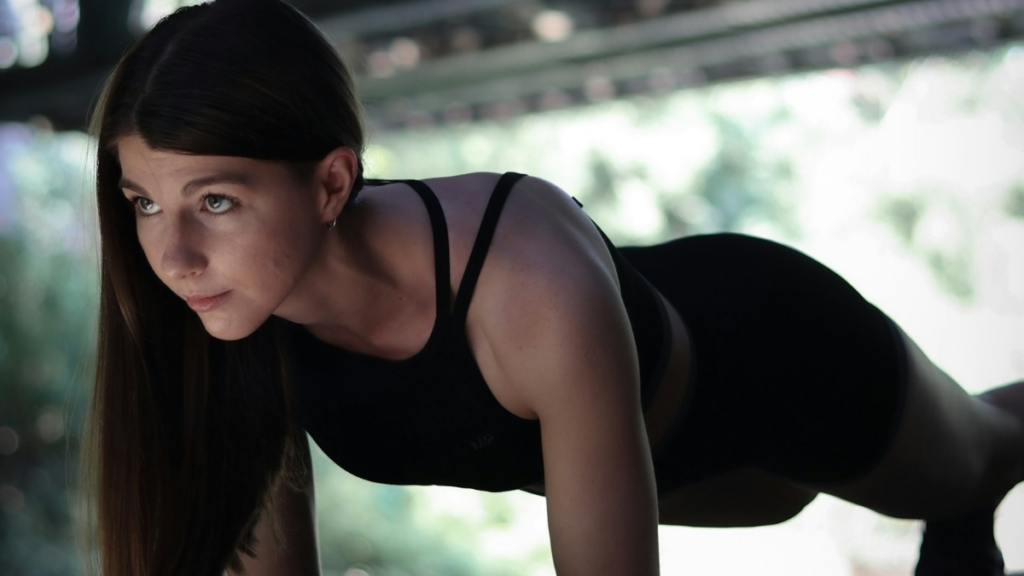
Electromyography studies examining core stabilization exercises show that standard floor planks elicit moderate activation of the rectus abdominis, and that activation climbs substantially when lifters actively posteriorly tilt their pelvis and squeeze their glutes.
However, once you can hold a strict plank for sixty seconds, simply extending your hold time to three or four minutes turns the drill into a low-intensity endurance test rather than a potent hypertrophy stimulus. Unless you add external weight plates or shift your elbows forward into a long-lever position, static planks quickly stop challenging the muscle fibers responsible for thick abdominal blocks.
How Hanging Leg Raises Challenge Your Core
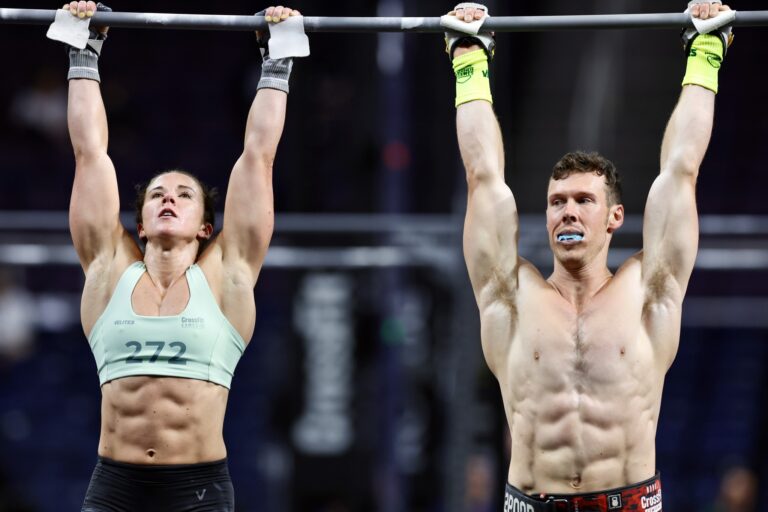
Hanging from an overhead pull-up bar and lifting your legs upward works your midsection through two distinct mechanical phases. During the initial phase as your legs rise from vertical to horizontal, your hip flexors do most of the heavy lifting while your abdominal muscles stabilize your pelvis isometrically.
Once your thighs pass parallel and you actively curl your pelvis upward toward your ribcage, your rectus abdominis undergoes intense dynamic spinal flexion against the full lever weight of your legs.
Electromyography research comparing abdominal exercises consistently ranks hanging leg raises among the highest-activating movements for the rectus abdominis, particularly in the lower and middle regions of the abdominal wall.
Even better, hanging leg raises allow smooth progressive overload over time because you can advance from bent-knee raises to straight-leg toes-to-bar repetitions, control a slow three-second lowering phase, or hold a light dumbbell between your feet. The primary caveat is that poor technique, such as swinging with momentum or stopping once your legs reach hip height without curling your pelvis, lets your hip flexors steal the majority of the workload.
Comparing Planks and Hanging Leg Raises for Six-Pack Development
| Training Variable | Forearm Planks | Hanging Leg Raises | Best Practical Application |
| Movement Type | Isometric anti-extension hold | Dynamic hip and spinal flexion | Use planks for spinal stability; use hanging leg raises for muscle growth |
| Rectus Abdominis Activation | Moderate, increasing with posterior pelvic tilt or added load | Very high when curling the pelvis upward toward the ribcage | Prioritize hanging leg raises with strict pelvic curl for six-pack thickness |
| Progressive Overload Potential | Limited without adding weight plates or long-lever angles | High via knee-to-straight-leg progressions, slow tempo, or ankle weights | Progress hanging leg raises in the 8 to 15 rep range close to failure |
| Common Execution Mistake | Letting lower back sag or holding passively for several minutes | Swinging with momentum or stopping before the pelvis curls upward | Keep reps controlled with zero body swing and pause briefly at the top |
Which Exercise Builds a Better 6 Pack?
When you match planks head-to-head against hanging leg raises for building a better-looking six-pack, hanging leg raises take the clear victory. Because hanging leg raises force the rectus abdominis to contract dynamically under heavy lever resistance and allow seamless progressive overload, they provide far superior hypertrophy stimulus compared to holding a static floor plank. Meta-analytic evidence on resistance training confirms that progressive mechanical tension close to muscular failure drives muscle growth across all skeletal muscles, including the abdominal wall.

That does not mean you need to banish planks from your training plan altogether. Starting your core routine with a hard-style, thirty-second posterior-tilt plank primes your pelvic alignment and spinal bracing, while following it up with three strict sets of hanging leg raises builds the actual muscle thickness that makes your abs stand out. Pairing that twice-weekly core work with sustainable nutrition to manage body fat ensures your hard-earned abdominal development becomes clearly visible.
Key Takeaways
| Decision Area | Evidence-Based Verdict | Practical Action for Better Abs |
| Head-to-Head Winner | Hanging leg raises beat planks for six-pack hypertrophy | Make strict hanging leg raises the primary muscle builder in your core routine |
| Critical Technique Cue | Curl the pelvis upward past parallel rather than just swinging legs | Eliminates momentum and forces the rectus abdominis to do the heavy lifting |
| Best Role for Planks | Superior for isometric anti-extension stability and pelvic control | Use short, high-tension posterior-tilt planks as a warm-up or stability drill |
| Optimal Programming | Train abs twice per week with progressive overload and lean nutrition | Perform 3 sets of 8 to 15 controlled reps while managing overall body fat |
References
- Escamilla, R.F., Babb, E., DeWitt, R., Jew, P., Kelleher, P., Burnham, T., Busch, J., D’Anna, K., Mowbray, R. and Imamura, R.T., 2006. Electromyographic analysis of traditional and nontraditional abdominal exercises: implications for rehabilitation and training. Physical Therapy, 86(5), pp.656-671.
- Escamilla, R.F., Lewis, C., Bell, D., Bramblet, G., Daffron, J., Lambert, S., Pecson, A., Imamura, R., Paulos, L. and Andrews, J.R., 2010. Core muscle activation during Swiss ball and traditional abdominal exercises. Journal of Orthopaedic and Sports Physical Therapy, 40(5), pp.265-276.
- Schoenfeld, B.J., Contreras, B., Tiryaki-Sonmez, G., Willardson, J.M. and Fontana, F., 2014. An electromyographic comparison of a modified version of the plank with a long lever and posterior tilt versus the traditional plank. Sports Biomechanics, 13(3), pp.296-306.
- Schoenfeld, B.J., Grgic, J., Ogborn, D. and Krieger, J.W., 2017. Strength and hypertrophy adaptations between low- vs. high-load resistance training: a systematic review and meta-analysis. Journal of Strength and Conditioning Research, 31(12), pp.3508-3523.
- Schoenfeld, B.J., Ogborn, D. and Krieger, J.W., 2016. Effects of resistance training frequency on measures of muscle hypertrophy: a systematic review and meta-analysis. Sports Medicine, 46(11), pp.1689-1697.
Robbie Wild Hudson
Editor-In-Chief at BOXROX. I come from a background of rugby and weightlifting. Growing up in the English Lake District, I spent a great deal of time swimming in its stunning lakes and rivers. In 2015 my brothers and I became the first people to swim the 145km length of the River Eden, from source to mouth, in 9 days. We also swam the Corryvreckan whirlpool, the third largest in the world, and Crossfit is a huge part of my training for these events.
More from Robbie Wild Hudson