

Building a bigger, stronger chest is one of the most common goals for beginners. The chest muscles are among the largest muscles in the upper body and play a major role in pushing movements, posture, athletic performance, and overall physique. A well developed chest also creates the appearance of a broader upper body and complements muscular shoulders and arms.
The good news is that beginners often make faster progress than experienced lifters because their muscles respond quickly to consistent resistance training. Research consistently shows that even people with no previous lifting experience can build significant muscle during the first months of structured training when they follow sound principles.

Many beginners make the mistake of chasing complicated workouts or copying elite bodybuilders. In reality, building a muscular chest comes down to mastering a handful of proven habits and sticking with them over time. Here are ten science backed tips that will help you build a bigger and stronger chest as efficiently as possible.
Understand What Builds Muscle
Before thinking about specific exercises, it helps to understand what actually causes muscle growth.
The chest consists mainly of the pectoralis major, supported by the smaller pectoralis minor underneath. The pectoralis major has two primary portions, commonly called the clavicular or upper chest and the sternocostal or middle and lower chest.
Muscle growth occurs primarily through mechanical tension generated during resistance exercise. When you repeatedly challenge muscle fibers with progressively heavier loads or more repetitions, your body responds by repairing and enlarging those fibers. Modern research suggests that progressive overload, sufficient training volume, proper nutrition, and adequate recovery are the primary drivers of hypertrophy. Instead of looking for secret exercises, focus on consistently applying these principles.
Tip 1: Prioritize Compound Pressing Movements
Compound exercises should form the foundation of every beginner chest workout.
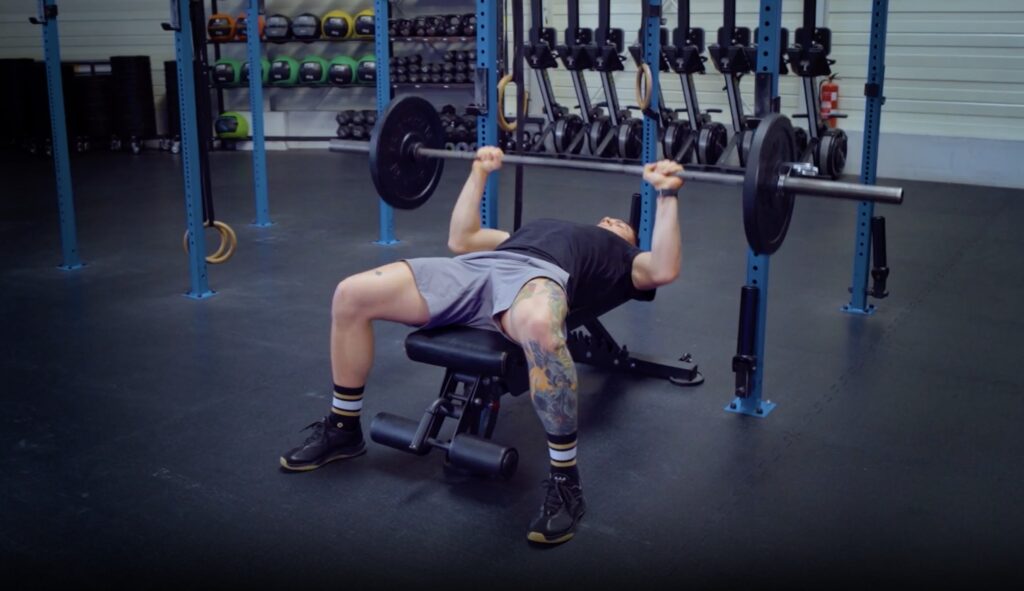
- The flat barbell bench press remains one of the best overall chest builders because it allows heavy loading while recruiting the pectorals, shoulders, and triceps simultaneously.
- The incline dumbbell press is another excellent choice because it emphasizes the upper chest while allowing a larger range of motion than a barbell.
- Push ups deserve equal respect. Studies comparing push ups with bench pressing have shown that when resistance is matched, push ups can produce similar improvements in muscle thickness and strength.
A beginner does not need six different chest exercises. Two or three well performed compound movements usually provide everything needed for impressive early progress.
Tip 2: Train Your Chest Twice Per Week
One of the biggest mistakes beginners make is training chest only once every week. Research examining training frequency suggests that training a muscle at least twice weekly generally produces greater muscle growth than training it only once, provided total weekly volume is similar.
For beginners, this could mean performing chest exercises every Monday and Thursday or every Tuesday and Friday. This schedule provides enough recovery while allowing you to practice movement technique more frequently. The increased practice also improves coordination, helping you lift heavier weights safely over time.
Tip 3: Focus on Perfect Technique
Good technique is one of the fastest ways to maximize chest development while minimizing injury risk. During pressing movements, beginners often allow the shoulders to take over because they flare their elbows excessively or lose upper back stability.
Instead, keep your shoulder blades gently pulled together, maintain a stable upper back, and lower the weight under control before pressing powerfully upward. Avoid bouncing the bar off your chest or shortening the range of motion.
3 Best Exercises for Super Jacked Serratus Anterior Muscles
Studies have shown that performing exercises through a full range of motion generally leads to greater hypertrophy than partial repetitions. Each repetition should look nearly identical.
Tip 4: Use Progressive Overload Every Week
Muscles only grow when they receive a reason to adapt. Progressive overload simply means gradually increasing the challenge placed on your muscles over time. This does not always require adding weight.
You can also perform additional repetitions, improve exercise technique, increase training volume, or reduce rest periods slightly. For example, if you bench press 135 pounds for eight repetitions this week, your next goal might be nine repetitions with the same weight. Once you comfortably reach your repetition target, increase the load slightly and repeat the process. Small improvements accumulate into major muscle gains over months and years.
Tip 5: Train Close to Failure
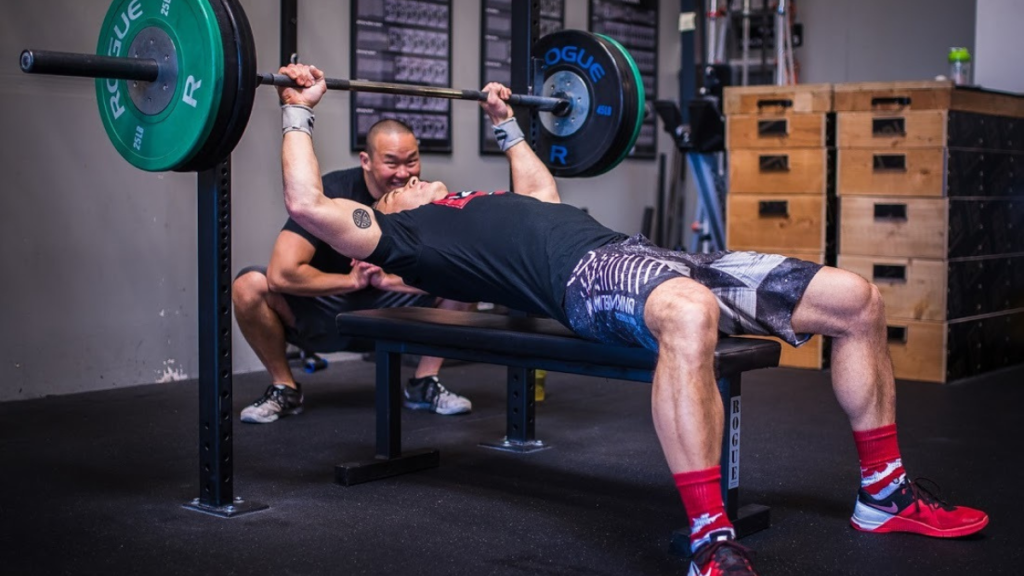
Many beginners stop every set far too early. Research shows that muscle growth is greatest when sets are performed relatively close to muscular failure. This does not mean every set should end with the bar pinned to your chest.
Instead, finish most working sets with one to three repetitions still possible if you absolutely had to continue. This approach provides sufficient training intensity while limiting unnecessary fatigue. Beginners should prioritize consistent effort rather than complete exhaustion. The goal is challenging workouts that can be repeated week after week.
Tip 6: Eat Enough Protein
Training provides the stimulus for growth, but nutrition provides the building materials. Protein supplies the amino acids required for repairing and building muscle tissue. Large reviews consistently recommend daily protein intake of approximately 1.6 to 2.2 grams per kilogram of body weight for maximizing muscle growth during resistance training.
Spread protein across several meals throughout the day rather than consuming it all at once. High quality protein sources include chicken, fish, eggs, lean beef, dairy products, soy products, and protein supplements when needed. Without adequate protein intake, even excellent training programs produce disappointing results.
Tip 7: Do Not Fear Calories
Many beginners want bigger muscles while trying to lose body fat rapidly. Although muscle can certainly be built during fat loss, especially in beginners, gaining muscle is generally easier when energy intake is sufficient.
A modest calorie surplus supports recovery, training performance, and muscle protein synthesis. This does not mean overeating. An increase of approximately 200 to 300 calories above maintenance is often enough to support steady muscle growth while minimizing unnecessary fat gain.

Focus on whole foods, fruits, vegetables, lean proteins, whole grains, dairy products, and healthy fats. Quality nutrition supports both performance and long term health.
Tip 8: Prioritize Recovery and Sleep
Muscles do not grow during workouts. They grow afterward during recovery. Sleep plays a central role in muscle protein synthesis, hormone regulation, tissue repair, learning movement patterns, and maintaining training performance.
Research consistently links sleep restriction with poorer recovery, reduced strength, impaired muscle building, and decreased athletic performance. Most adults should aim for seven to nine hours of quality sleep each night. Recovery also includes managing training stress. Avoid performing intense chest workouts every day. Give your muscles sufficient time to repair before challenging them again.
Tip 9: Add Isolation Exercises After Compound Lifts
Compound exercises should always come first, but isolation movements can help maximize chest development. Dumbbell flyes and cable flyes place the chest under significant stretch while minimizing assistance from the triceps. Machine chest flyes also provide constant tension throughout much of the movement.
Research suggests that combining compound and isolation exercises can produce comprehensive muscular development by challenging muscles from different angles. Perform isolation work after heavy presses once the majority of your strength demanding exercises are complete. Two or three sets are generally enough for beginners.
Tip 10: Stay Consistent for Months, Not Days
Perhaps the most important tip is also the simplest. Muscle growth takes time. Many beginners expect dramatic chest development after only a few weeks.
In reality, noticeable changes usually occur over several months of consistent training, nutrition, and recovery. Fortunately, beginners experience some of the fastest muscle gains they will ever achieve. Studies on resistance training consistently demonstrate significant increases in muscle size and strength during the first twelve weeks of structured exercise programs.
Do not constantly switch exercises or training plans because you saw something new on social media. Instead, master the basics. Continue adding weight gradually. Eat enough protein. Sleep well. Repeat the process every week. Consistency beats perfection every single time.
A Simple Beginner Chest Routine
Putting these principles together does not require a complicated workout. A beginner chest session could include a barbell bench press followed by an incline dumbbell press and finished with cable flyes or machine flyes.
Train each exercise with controlled technique, select weights that allow good form, and gradually improve your performance over time. Two chest sessions each week using this simple structure can produce impressive muscle growth when combined with adequate nutrition and recovery.
Remember that your shoulders and triceps will also receive substantial work from pressing exercises, making this an efficient approach for total upper body development.
Final Thoughts
Building a muscular chest is not about finding a secret workout or buying expensive supplements. Science consistently points toward the same fundamentals. Train your chest regularly, prioritize compound exercises, use excellent technique, apply progressive overload, consume enough protein, eat sufficient calories, recover well, and remain patient.
These habits may sound simple, but together they create the environment your body needs to build bigger, stronger pectoral muscles. Master these ten tips and you will establish a solid foundation not only for chest development but for long term success in strength training as a whole.
Key Takeaways
| Tip | Why It Matters | Practical Action |
|---|---|---|
| Prioritize compound lifts | Builds the most muscle efficiently | Focus on bench press, incline press, and push ups |
| Train twice weekly | Increases growth opportunities | Perform two chest workouts each week |
| Use proper technique | Maximizes chest activation | Lift through a full range of motion with control |
| Apply progressive overload | Forces muscles to adapt | Add weight or repetitions gradually |
| Train close to failure | Recruits more muscle fibers | Finish most sets with one to three repetitions in reserve |
| Eat enough protein | Supports muscle repair | Consume 1.6 to 2.2 g of protein per kg of body weight daily |
| Maintain adequate calories | Supports muscle growth | Eat a small calorie surplus when appropriate |
| Prioritize recovery | Allows muscles to rebuild | Sleep seven to nine hours per night |
| Include isolation work | Complements compound exercises | Add flyes after pressing movements |
| Stay consistent | Produces long term results | Follow your program for months rather than weeks |
References
- American College of Sports Medicine. (2009). Progression models in resistance training for healthy adults. Medicine and Science in Sports and Exercise, 41(3), 687 to 708.
- Grgic, J., Schoenfeld, B.J., Orazem, J. and Sabol, F. (2018). Effects of resistance training performed to repetition failure or non failure on muscular strength and hypertrophy. Journal of Sport and Health Science, 10(3), 275 to 280.
- Morton, R.W., Murphy, K.T., McKellar, S.R., Schoenfeld, B.J., Henselmans, M., Helms, E., Aragon, A.A., Devries, M.C., Banfield, L., Krieger, J.W. and Phillips, S.M. (2018). A systematic review, meta analysis and meta regression of protein supplementation on resistance training induced gains in muscle mass and strength. British Journal of Sports Medicine, 52(6), 376 to 384.
- Schoenfeld, B.J. (2010). The mechanisms of muscle hypertrophy and their application to resistance training. Journal of Strength and Conditioning Research, 24(10), 2857 to 2872.
- Schoenfeld, B.J., Grgic, J., Ogborn, D. and Krieger, J.W. (2017). Strength and hypertrophy adaptations between low load and high load resistance training. Journal of Strength and Conditioning Research, 31(12), 3508 to 3523.
- Schoenfeld, B.J., Ogborn, D. and Krieger, J.W. (2016). Effects of resistance training frequency on measures of muscle hypertrophy. Sports Medicine, 46(11), 1689 to 1697.