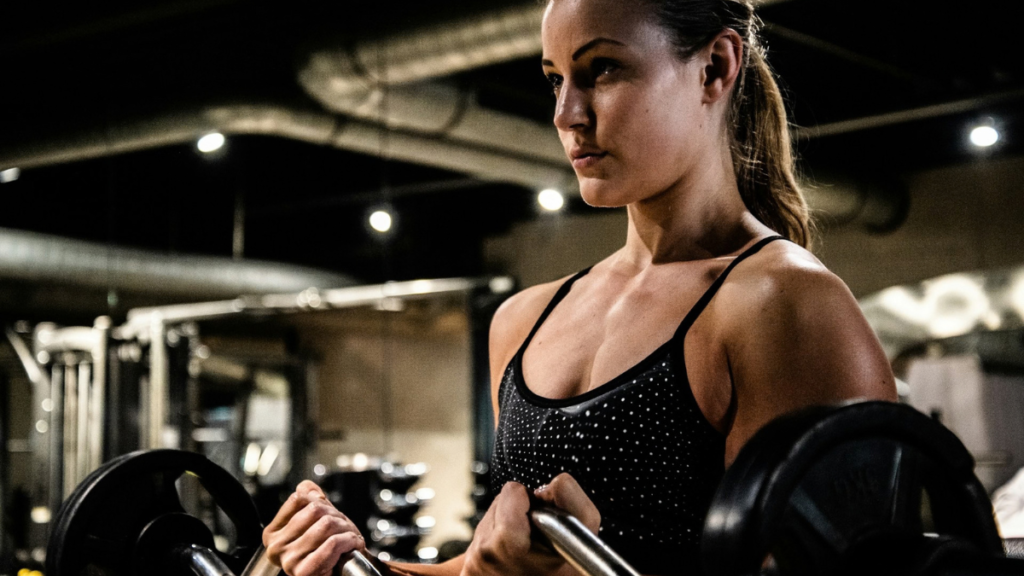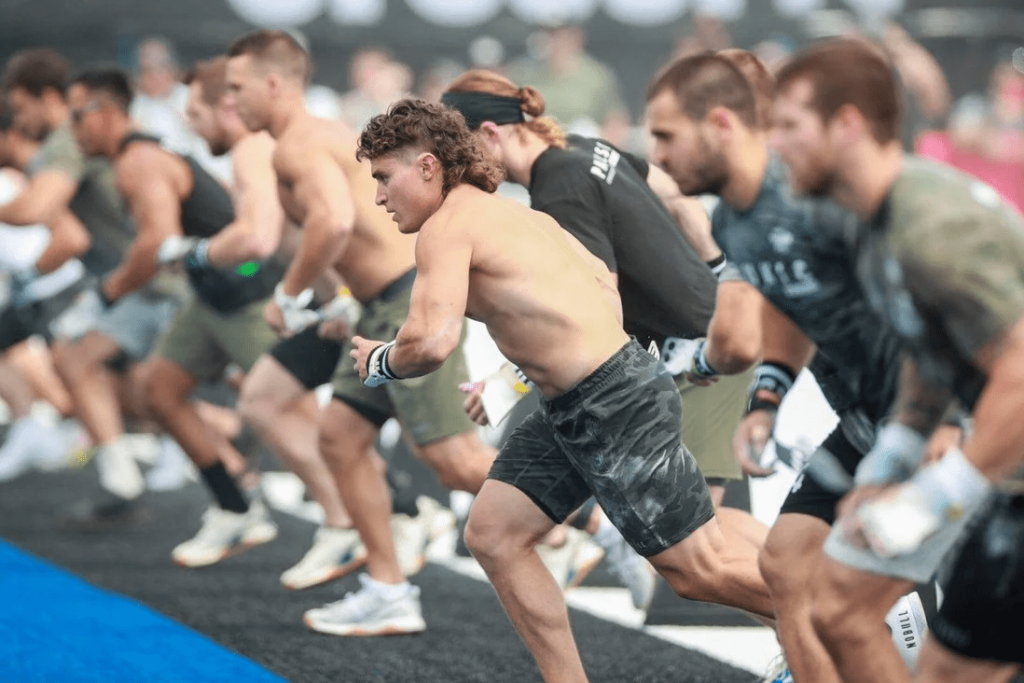


Female athletes who log macros, monitor HRV, and schedule mobility work with precision rarely apply that same rigor to vaginal and urinary health. The same training behaviors driving performance quietly create conditions that shift vaginal pH and raise UTI risk.
Compression gear, high-sweat sessions, pool recovery, and long WODs are all implicated. These are physiological realities, not personal oversights, and the fixes are almost entirely behavioral.


A recreational CrossFit athlete often tracks every meal and checks recovery scores each morning, but she might train in wet shorts for a full hour post-WOD without a second thought. That gap frequently has consequences that show up days later in ways that are easily misread. Understanding what actually happens physiologically makes the behavioral fixes straightforward.
1. Damp Gym Clothes Disrupt More Than Comfort
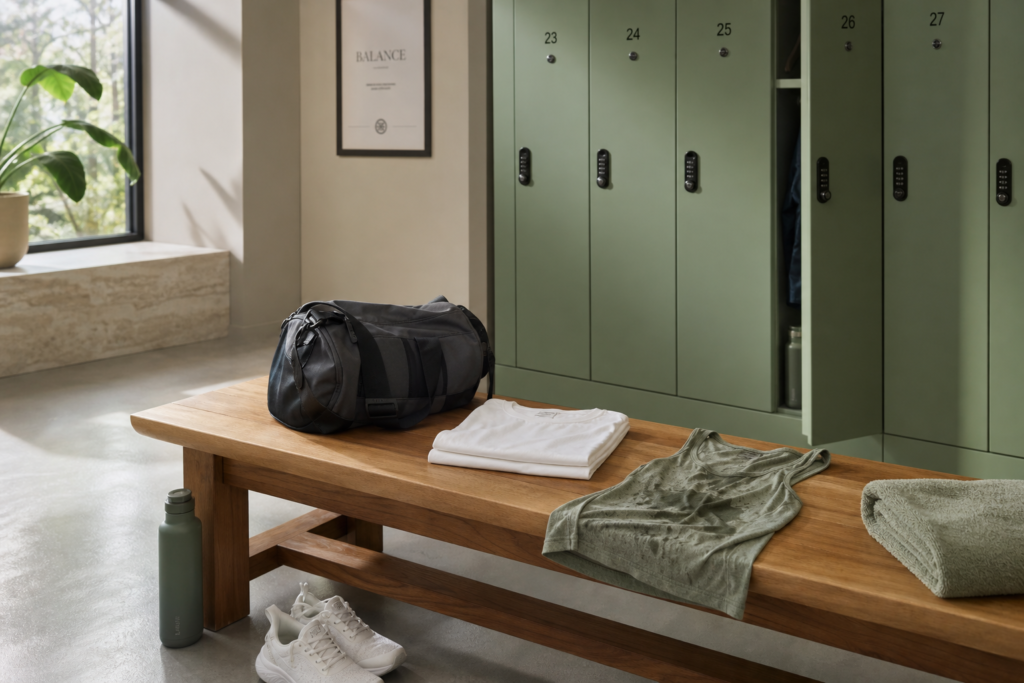
Moisture-wicking compression gear performs beautifully during a workout. Once you stop moving, that synthetic fabric traps sweat against the vulva to create a warm, damp environment where bacteria multiply fast.
A typical vaginal pH stays between 3.8 and 4.5 naturally. This acidic range depends on resident bacteria in women, specifically the Lactobacillus species that typically comprise >70 % of a healthy ecosystem.
Prolonged moisture from tight post-workout gear severely reduces that protective population over time. Odor shifts or recurring discomfort might not appear until two or three days after the exposure, which makes the gear-to-symptom connection easy to miss.
The immediate fix requires changing out of wet gym clothes within 30 minutes of finishing a session. Choose breathable cotton or structured ventilation panels over solid synthetic fabrics that retain heat.
Athletes training multiple times a day often need more than just dry clothes to offset repeated microbiome stress. Adding fermented foods like plain yogurt or kefir provides dietary support.
Many high-frequency competitors also incorporate NeuEve’s gluten-free vaginal probiotic into their recovery stacks. This doctor-formulated option supplies beneficial bacteria to actively reinforce the Lactobacillus populations that heavy training blocks routinely deplete.
2. Dehydration Quietly Raises UTI Susceptibility
Sweat loss routinely outpaces fluid intake during intense strength or HIIT sessions where stopping for water breaks momentum. Concentrated, infrequent urination reduces the mechanical flushing necessary to clear bacteria from the body.
Female athletes face compounded structural risks because the female urethra is only 3 to 4 cm (about 1.5 inches) long. This exceptionally short pathway makes bacterial ascent to the bladder structurally effortless regardless of baseline health, and dehydration amplifies that localized susceptibility.
Athletic culture tends to emphasize electrolyte powders over plain water volume. While sodium and potassium matter, raw fluid quantity is specifically critical for urinary tract maintenance. Prioritize water intake before, during, and after every session.
For athletes who notice dehydration as a recurring pattern, nixit’s gelatin-free D-mannose supplement provides a proactive layer of urinary tract security. D-mannose stops specific bacteria from adhering to the urinary wall epithelium, supporting the body’s natural clearance mechanisms without requiring antibiotics.
| Pro Tip: Prioritize water volume over just electrolyte replacement before, during, and after training. Incorporating D‑mannose can further help block bacteria from adhering, adding an extra layer of urinary defense. |
3. Holding It Through Sessions Has Real Consequences
Avoiding bathroom breaks during group classes or long runs happens constantly to maintain competitive momentum. Chronically delayed urination keeps bacteria inside the bladder longer, which extends the window for an infection to take hold even when fluid intake stays adequate.
Urogynecologists consistently map pelvic floor dysfunction in female athletes back to habitual urinary retention. It remains a pattern that responds well to behavioral adjustments but rarely resolves on its own.
The pelvic floor already sits under heavy loads during high-impact training. Jumping, heavy lifting, and sprinting generate massive downward pressure on connective tissues.
Adding a full bladder on top of that load compounds muscular strain over time. Void before long sessions begin to reduce mid-workout pressure, and take breaks when needed rather than pushing through the discomfort.
| Important: Habitually delaying bathroom breaks during workouts increases UTI risk and pelvic floor strain, even if you’re well hydrated. Void before sessions and take breaks promptly to avoid cumulative damage. |
4. Pools, Saunas, and Chlorine Pose Hidden Risks
Chlorinated pool water strips the mucosal membrane’s protective layer to shift vaginal chemistry after every swim. The effect mirrors wearing wet compression gear, as altered pH combined with sustained moisture creates a temporary vulnerability.
Sauna heat generates concentrated sweat without flushing the moisture away. Moving rapidly from a hot sauna set to ambient air affects tissue integrity in ways athletes need to account for during recovery.
Female swimmers and triathletes face cumulative exposure across a demanding season. Individual sessions might present low risk, but the effect compounds without conscious countermeasures.
Open-water competitors face different challenges, as freshwater lakes carry unique bacterial loads absent from chlorinated environments. The mitigation remains uniform across all locations. Rinse off promptly after aquatic sessions, remove wet swimwear immediately, and let the skin air-dry briefly before dressing.
| Key Insight: Chlorinated water and sauna heat disrupt vaginal pH and moisture balance, effects that compound over a training season. Rinse off and change out of wet swimwear immediately to minimize long‑term microbiome stress. |
5. Daily Protection For Both Systems

Protecting pelvic health relies on four specific physical actions. Change promptly after sweating, hydrate by volume rather than just electrolyte count, void when the urge arrives, and rinse off after pool sessions.
None of these require additional time blocks or financial investments. They slot into an existing training block as baseline recovery hygiene alongside foam rolling or sleep programming.
Consistency matters more than occasional perfection. A single post-workout clothing change does little, but changing fast every day across a 12-week training cycle noticeably prevents microbiome disruption. Framing pelvic health as a core performance metric prevents recurring UTIs from forcibly pulling an athlete out of competition.
The Bottom Line
Training harder requires managing the physiological systems that never make it onto the gym whiteboard. Prompt clothing changes, adequate water consumption, and immediate post-swim showers guard against localized disruption. Including targeted microbiome nutrition or D-mannose habits secures urinary and vaginal stability through demanding volume blocks.
- Change out of damp gym clothes within 30 minutes of finishing training.
- Focus on raw water volume before, during, and after every session.
- Take bathroom breaks when needed instead of delaying urination through full workouts.
- Rinse off and change immediately after pool or sauna sessions to allow skin exposure to air.
- Support vaginal microbiome balance during heavy training with an active probiotic designed for Lactobacillus populations.
- Talk to a provider about a proactive D-mannose regimen to maintain urinary stability across a long season.