

The dead hang looks deceptively simple. You grab a pull up bar, let your body hang with straight arms, and wait until your grip gives out. There is no complicated movement pattern and no heavy equipment, yet this basic exercise can reveal a surprising amount about your strength, endurance, shoulder health, and overall fitness.
How Much Should You Be Able to Bench Press?


Grip strength has become one of the most studied physical qualities in health and sports science. Researchers have found that stronger grips are associated with better athletic performance, healthier aging, and even lower risks of chronic disease and premature death. While most studies measure grip strength with a hand dynamometer rather than a hanging test, the muscles and tissues involved overlap considerably.
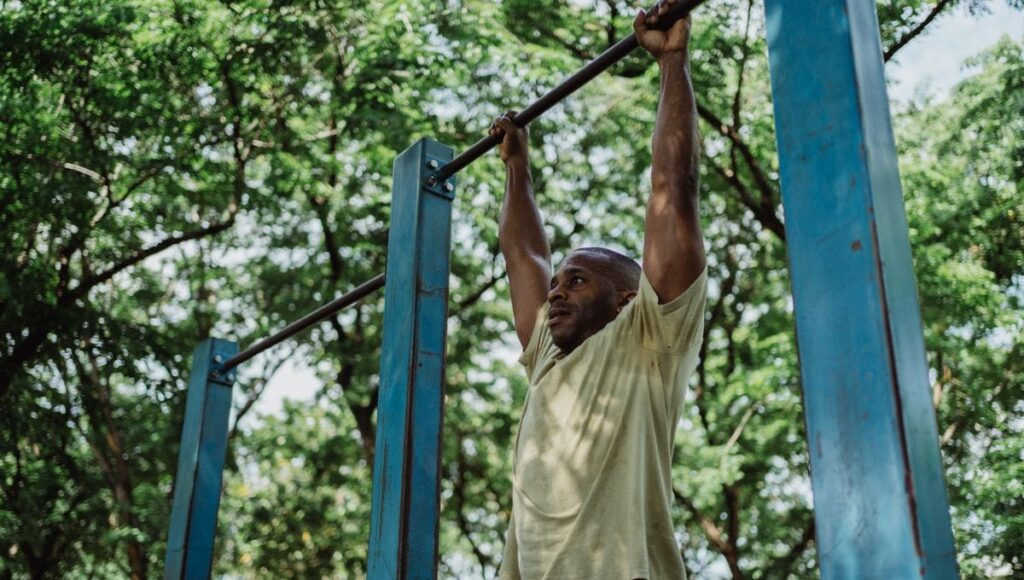
For athletes, a strong dead hang also develops one of the biggest limiting factors in gymnastics, CrossFit, climbing, obstacle course racing, and calisthenics. If your hands fail before your muscles or lungs, your performance suffers.
So how long should you actually be able to dead hang? The answer depends on your age, body weight, training background, and goals. However, science and performance standards provide useful benchmarks that can help you evaluate your current level.
What Is a Dead Hang?
A dead hang involves hanging from an overhead bar with straight elbows while supporting your entire body weight. The shoulders remain active rather than completely relaxed. Your grip stays firm while the muscles of the forearms, hands, shoulders, upper back, and core work together to stabilize your body.
Although it appears static, many muscles remain under continuous tension. The finger flexors generate constant force to keep your hands attached to the bar. The rotator cuff stabilizes the shoulder joint. The latissimus dorsi, lower trapezius, serratus anterior, and core muscles help maintain body position.
Because so many structures work together, the dead hang serves as both a strength exercise and an assessment tool.
Why Dead Hang Time Matters
Dead hang performance reflects much more than hand strength.
Grip Strength
Grip strength often limits performance in pulling exercises, rope climbs, kettlebell work, Olympic lifting, and heavy carries.
Large population studies have shown that grip strength is strongly associated with overall muscular strength and physical function. Researchers have even identified grip strength as a valuable predictor of future disability and mortality among older adults.

Although a dead hang measures grip endurance rather than maximum grip force, both qualities rely on strong forearm muscles and efficient neuromuscular function.
Shoulder Health
Modern lifestyles involve long hours sitting at desks with relatively little overhead movement. Controlled hanging can expose the shoulders to gentle traction while requiring the stabilizing muscles to stay active.
Some physical therapists use hanging progressions to improve shoulder mobility and tolerance to overhead positions. However, people with existing shoulder injuries should seek professional guidance before adding dead hangs to their training.
Relative Strength
Unlike squeezing a dynamometer, a dead hang requires supporting your own body weight. This makes it a measure of relative strength rather than absolute strength. Someone with exceptional grip strength may still struggle if they carry significant body mass, while a lighter athlete with moderate grip strength may achieve longer hang times.
This explains why climbers, gymnasts, and elite calisthenics athletes often record extraordinary dead hang performances.
How Long Should You Be Able to Dead Hang?
There is no universally accepted medical standard for dead hang performance, but coaches and strength specialists generally agree on practical benchmarks.
Beginner
If you can hang for 10 to 20 seconds, you have established a basic foundation. Many sedentary adults struggle to reach even 10 seconds because grip endurance declines without regular training. If your hang lasts under 10 seconds, improving grip strength should become a priority.
Average
A dead hang lasting 30 to 45 seconds represents solid grip endurance for healthy adults who exercise regularly. This level demonstrates adequate strength for most recreational fitness activities and provides a good foundation for progressing toward pull ups.
Good
Holding a dead hang for 60 seconds is an excellent target for most people. A full minute requires strong forearm endurance, stable shoulders, and efficient body control. Many strength coaches consider one minute an important milestone because it indicates that grip strength is unlikely to limit basic pulling exercises.
Excellent
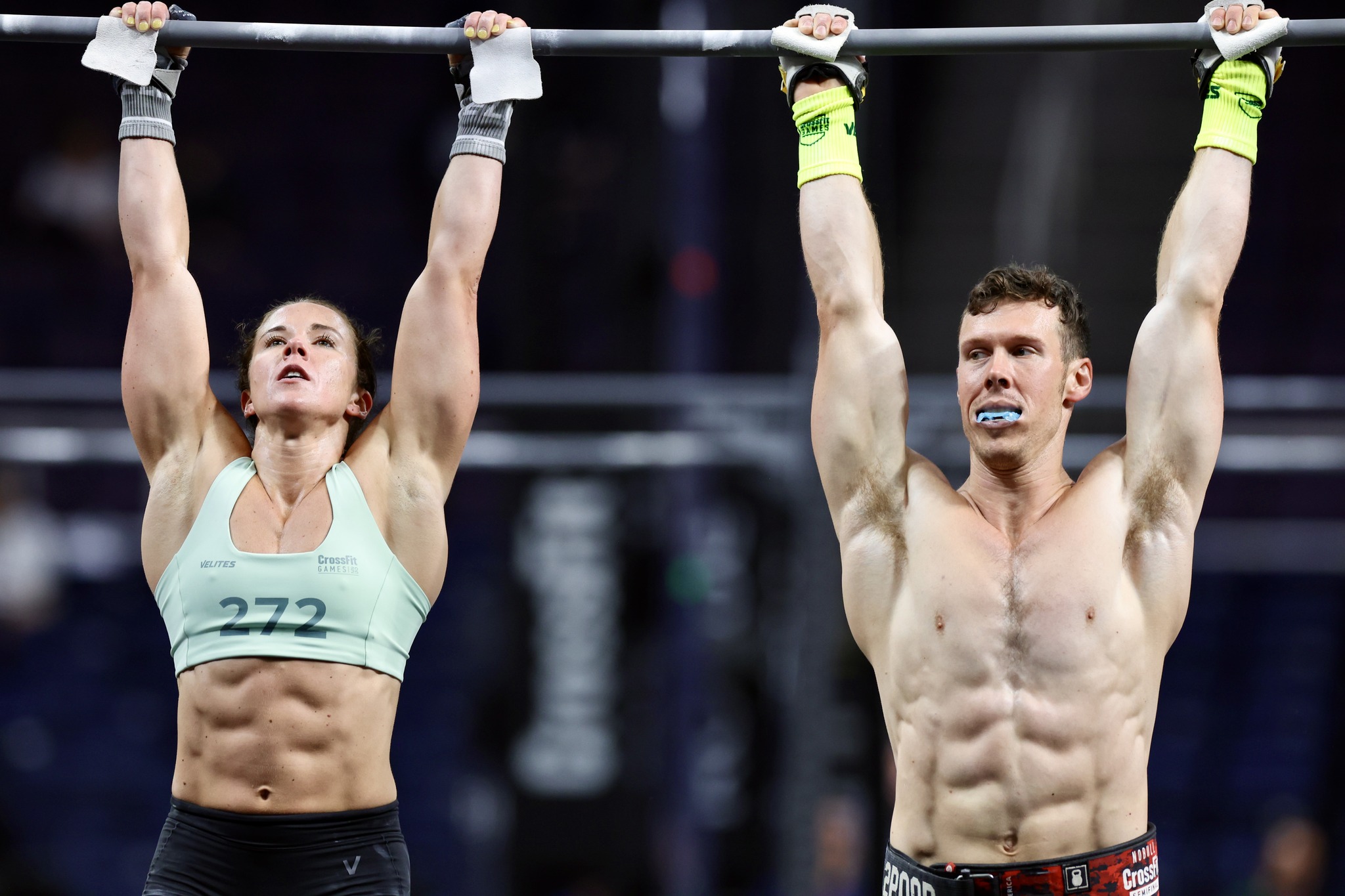
A hang lasting 90 seconds or longer places you well above average. This level is commonly seen among experienced climbers, gymnasts, CrossFit athletes, and advanced calisthenics practitioners.
Elite
Elite grip athletes and climbers can maintain dead hangs for several minutes under controlled conditions. Specialized grip endurance training, low body fat, efficient technique, and years of experience all contribute to these exceptional performances.
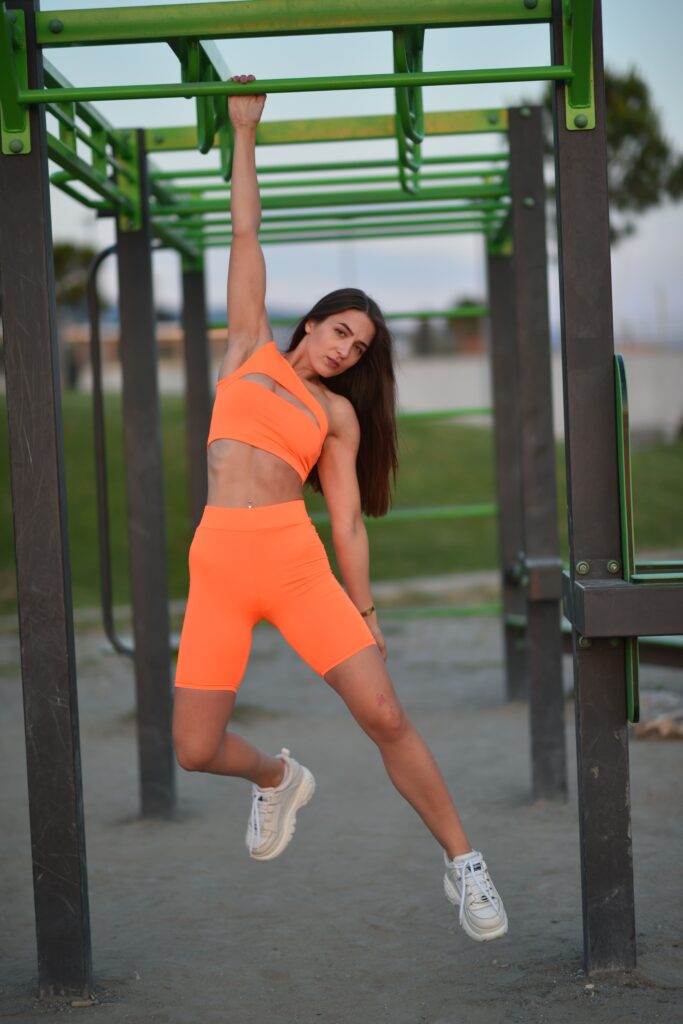
What Factors Affect Dead Hang Time?
Several variables influence how long you can stay on the bar.
Body Weight
- Heavier individuals must support more total mass.
- This means that increasing body weight without proportional improvements in grip strength usually reduces hang time.
- Relative strength becomes increasingly important.
Grip Type
- An overhand grip is generally the standard for testing.
- Using a mixed grip changes the loading pattern and usually allows longer hangs. An underhand grip may also feel easier for some people.
- For meaningful comparisons, always use the same grip style.
Bar Thickness
- Thicker bars dramatically increase grip demands.
- Studies on grip training consistently show that larger handles require greater activation of the finger flexors and forearm muscles.
- If you compare performances across different gyms, bar diameter may partly explain the differences.
Chalk
- Gymnastics chalk improves friction between the hands and the bar.
- Research on climbing performance has shown that improved friction reduces slipping and enhances grip efficiency.
- When comparing hang times, note whether chalk was used.
Training Background
- Climbers often outperform weightlifters despite lifting much lighter weights.
- Years of sport specific grip endurance training produce remarkable adaptations in the forearm muscles and connective tissues.
- Similarly, gymnasts develop exceptional hanging endurance because so much of their training occurs on rings and bars.
Dead Hang Benchmarks by Goal
Your target should reflect your training objectives rather than someone else’s sport.
- For general health, reaching 30 to 60 seconds represents an excellent goal.
- For strength training, consistently achieving 60 to 90 seconds usually indicates sufficient grip endurance for heavy pulling movements.
- For CrossFit, obstacle racing, and functional fitness competitions, exceeding 90 seconds provides valuable insurance against grip fatigue during workouts.
- Rock climbers often require much greater endurance because they repeatedly support body weight with fewer fingers and under more demanding conditions.
Can Dead Hangs Improve Your Pull Ups?
Yes. Grip failure is one of the most common reasons beginners cannot perform pull ups. Improving dead hang endurance strengthens the forearm flexors while teaching the shoulders and core to remain stable during suspended positions.
Several training studies demonstrate that improving grip strength transfers positively to pulling performance because the weakest link in the kinetic chain becomes stronger. Dead hangs alone will not build the pulling strength needed for multiple pull ups, but they remove one important limiting factor.
Are Dead Hangs Good for Shoulder Mobility?
Dead hangs can improve shoulder comfort and overhead tolerance when performed correctly. Hanging creates gentle traction through the shoulder joint while encouraging the muscles surrounding the scapula to stabilize under load.
Researchers studying shoulder rehabilitation increasingly recognize the importance of progressive loading for tendon and connective tissue health. However, passive hanging is not appropriate for everyone.
Individuals with shoulder instability, acute rotator cuff injuries, recent surgery, or nerve related conditions should consult a qualified healthcare professional before attempting prolonged hangs. An active hang, where the shoulder blades remain slightly engaged, is often safer than completely relaxing into the joint.
How to Improve Your Dead Hang Time
Improving your dead hang is straightforward because the exercise itself serves as excellent practice. Begin by performing several sets of comfortable hangs two or three times each week. Stop before complete failure during most sessions to allow consistent training quality. Gradually increase total hanging time each week. Progressive overload remains the key driver of adaptation.
Supplement hanging with farmer carries, pull ups, rows, towel hangs, and controlled finger strengthening exercises. These movements strengthen the muscles responsible for maintaining your grip while improving overall upper body strength. Adequate recovery also matters. Grip muscles fatigue easily because they contain many endurance oriented fibers that work continuously during daily activities. Allow at least one full day between demanding grip focused sessions.
Common Mistakes
Many people relax completely into their shoulders. Maintaining slight engagement around the shoulder blades helps create a more stable position and may reduce unnecessary stress on passive structures.
Another mistake is squeezing the bar far harder than necessary early in the hang. Efficient gripping allows the forearm muscles to conserve energy. Finally, avoid comparing times achieved on different equipment. Bar diameter, surface texture, humidity, and chalk use all influence performance.
Should Everyone Aim for a One Minute Dead Hang?
For most healthy adults, yes. A one minute dead hang represents an achievable yet meaningful goal that reflects good grip endurance, adequate shoulder stability, and useful upper body control.
It is not a universal measure of fitness, but it provides a simple benchmark that requires almost no equipment. If you currently struggle to reach 20 seconds, steady practice can produce rapid improvements during the first few months. Like many aspects of strength training, consistent exposure leads to measurable adaptations in the muscles, tendons, and nervous system.
Rather than chasing extreme hanging records, focus on building a level of grip endurance that supports your sport, protects your shoulders, and allows you to perform pulling exercises with confidence.
Key Takeaways
| Topic | Key Point |
|---|---|
| Beginner standard | 10 to 20 seconds shows a basic level of grip endurance. |
| Average standard | 30 to 45 seconds is a solid result for active adults. |
| Good standard | 60 seconds is an excellent target for most people. |
| Excellent standard | 90 seconds or longer reflects advanced grip endurance. |
| Main benefits | Improves grip strength, shoulder stability, and pulling performance. |
| Training frequency | Two to three sessions per week with progressive overload works well for most people. |
| Important factors | Body weight, grip type, bar thickness, chalk use, and training background all influence hang time. |
References
- Bohannon, R.W. (2019) ‘Grip strength: An indispensable biomarker for older adults’, Clinical Interventions in Aging, 14, pp. 1681 to 1691.
- Chu, D.A. and Myer, G.D. (2013) Plyometrics. Champaign, IL: Human Kinetics.
- Cronin, J., Lawton, T., Harris, N., Kilding, A. and McMaster, D.T. (2017) ‘A brief review of handgrip strength and sport performance’, Journal of Strength and Conditioning Research, 31(11), pp. 3187 to 3217.
- Grant, S., Hynes, V., Whittaker, A. and Aitchison, T. (1996) ‘Anthropometric, strength, endurance and flexibility characteristics of elite and recreational climbers’, Journal of Sports Sciences, 14(4), pp. 301 to 309.
- Leong, D.P., Teo, K.K., Rangarajan, S., Lopez Jaramillo, P., Avezum, A., Orlandini, A. and Yusuf, S. (2015) ‘Prognostic value of grip strength: Findings from the Prospective Urban Rural Epidemiology study’, The Lancet, 386(9990), pp. 266 to 273.
- MacLeod, D., Sutherland, D.L., Buntin, L., Whitaker, A., Aitchison, T., Watt, I., Bradley, J. and Grant, S. (2007) ‘Physiological determinants of climbing specific finger endurance and sport rock climbing performance’, Journal of Sports Sciences, 25(12), pp. 1433 to 1443.
- Ortega, F.B., Silventoinen, K., Tynelius, P. and Rasmussen, F. (2012) ‘Muscular strength in male adolescents and premature death: Cohort study of one million participants’, BMJ, 345, e7279.
- Teyhen, D.S., Shaffer, S.W., Butler, R.J., Goffar, S.L., Kiesel, K.B., Rhon, D.I. and Childs, J.D. (2014) ‘What risk factors are associated with musculoskeletal injury in US Army Rangers?’, BMJ Open, 4(7), e005599.
- Watanabe, K., Tsubota, S.I., Chin, G. and Aoki, M. (2011) ‘Differences in parameters of the grip force distribution between expert and novice rock climbers’, European Journal of Applied Physiology, 111(8), pp. 1835 to 1840.