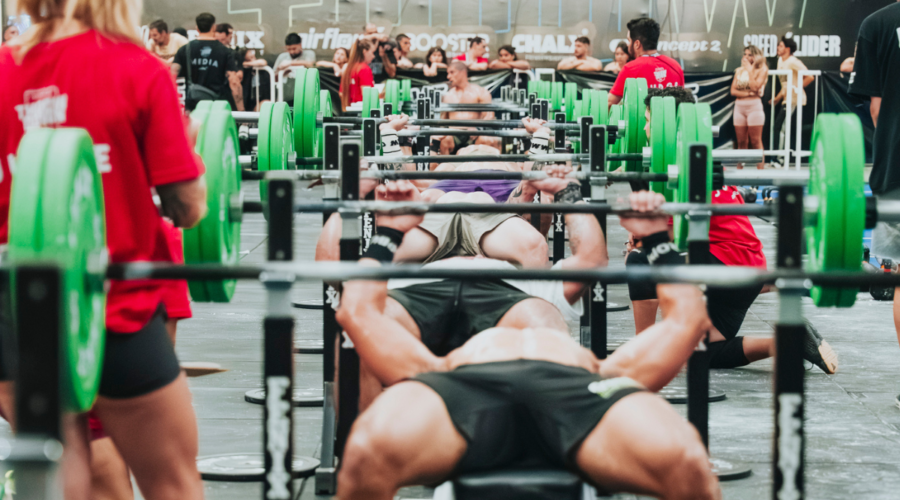


The bench press is one of the most recognizable exercises in strength training. Walk into almost any commercial gym and you will probably see someone asking, “How much do you bench?” It has become a symbol of upper body strength and remains a staple in bodybuilding, powerlifting, CrossFit, and general fitness programs. But popularity does not automatically mean perfection.
If your goal is building bigger, stronger chest muscles, is the bench press really the ultimate exercise? Or are there limitations that prevent it from being the perfect movement for pec development?

The answer is more nuanced than many people think. Scientific research shows that the bench press is an outstanding compound exercise that develops pressing strength and stimulates the pectoralis major effectively. At the same time, studies also demonstrate that exercise selection, range of motion, muscle length, grip width, and training variation all influence muscle growth. Understanding how the bench press works can help you decide whether it deserves the title of the perfect chest exercise.
What Makes the Bench Press So Effective?
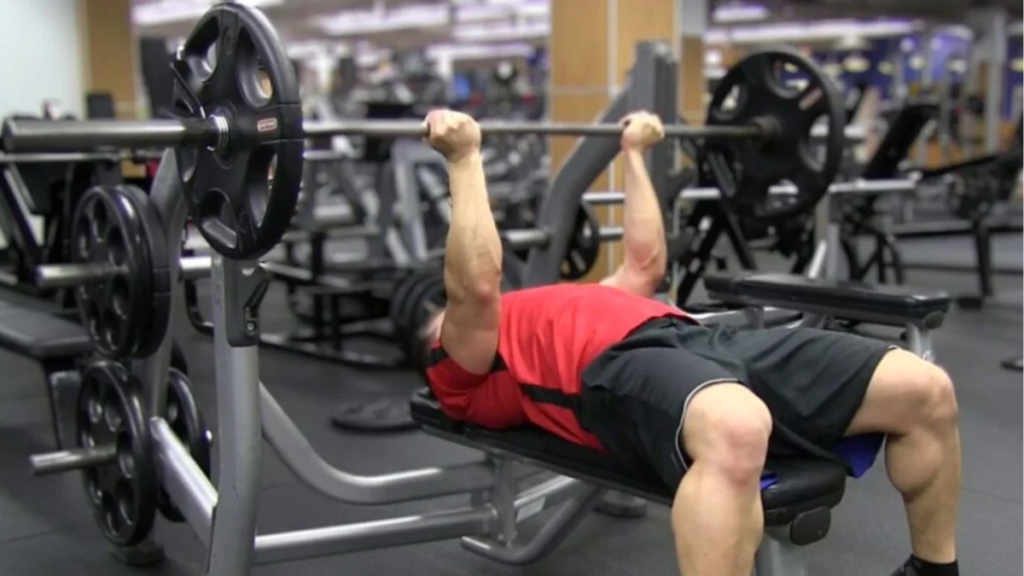
The flat barbell bench press is a compound movement involving multiple joints and muscle groups. During the lift, the shoulders move into horizontal adduction while the elbows extend, allowing heavy loads to be lifted. The primary muscles involved include the pectoralis major, anterior deltoid, and triceps brachii. The pectoralis major is responsible for producing much of the force needed to move the bar off the chest, particularly during the lower half of the movement.
Because multiple muscle groups contribute, most people can lift significantly more weight during the bench press than during isolation exercises like the pec fly.
Is the Meadows Row the Perfect Exercise for a Jacked Wider Back?
Heavy mechanical loading is one of the strongest drivers of muscle growth. Research consistently shows that lifting moderate to heavy loads close to muscular failure stimulates hypertrophy through mechanical tension, which is considered the primary mechanism behind muscle growth.
The bench press excels in this regard because it allows progressive overload over many years of training. Small increases in load can continually challenge the chest while simultaneously strengthening supporting muscles.
How Much Does the Bench Press Activate the Chest?
Electromyography, commonly called EMG, measures muscle activation during exercise. Although EMG cannot directly measure muscle growth, it provides valuable insight into how hard muscles are working. Several studies have examined chest activation during different pressing variations.
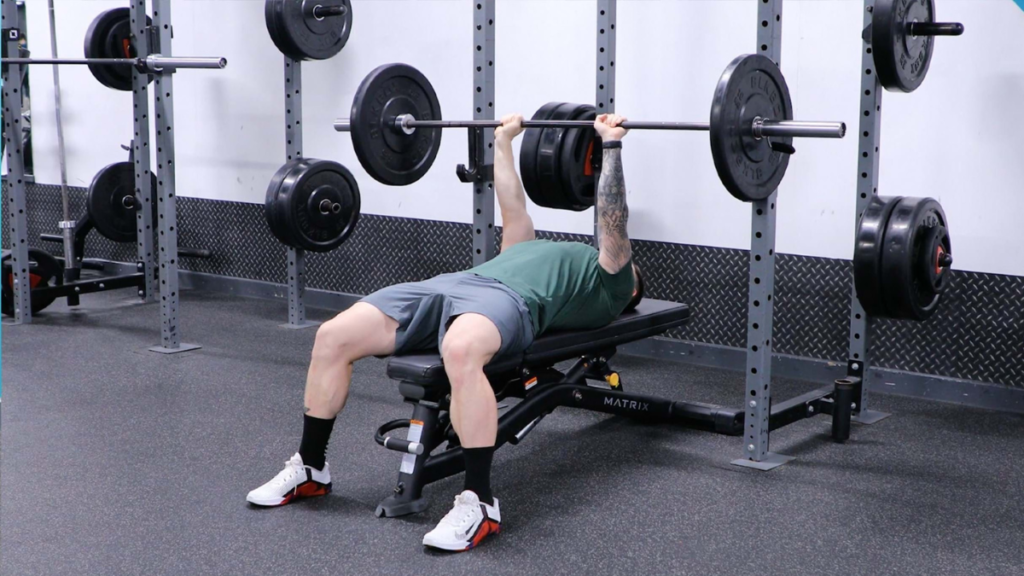
Research comparing various chest exercises consistently finds that the flat bench press produces high activation of the pectoralis major. This is one reason why it has remained a cornerstone of strength training for decades.
However, EMG studies also show that other exercises can produce similar or even greater activation depending on the portion of the chest being examined. Dumbbell presses, cable presses, and weighted push ups often recruit the chest at levels comparable to the traditional barbell bench press. This suggests that the bench press is highly effective, but it is not uniquely capable of stimulating chest muscles.
Strength Gains Versus Muscle Growth
One of the biggest misconceptions in resistance training is that the best exercise for strength is automatically the best exercise for hypertrophy. Strength improvements are highly specific.
Practicing the bench press makes you better at the bench press because your nervous system becomes more efficient at coordinating the movement. Improved technique, motor learning, and neural adaptations all contribute to increased lifting performance. Muscle growth, however, depends primarily on sufficient mechanical tension, adequate training volume, recovery, and nutrition.
This means that someone can increase their bench press dramatically while experiencing relatively modest chest growth if the triceps and shoulders become the limiting factors. Likewise, another athlete may achieve excellent chest development using a variety of pressing and fly movements without focusing exclusively on maximizing their bench press.
Is the Bench Press Enough for Complete Chest Development?
- The pectoralis major is a large muscle with two primary anatomical regions.
- The clavicular head, often called the upper chest, originates from the collarbone.
- The sternocostal head, which makes up the majority of the chest, originates from the sternum and ribs.
Although both portions work together, research indicates that exercise angle influences which fibers receive greater emphasis.
Flat Bench Press
The traditional flat bench heavily recruits the middle and lower portions of the pectoralis major while still involving the upper fibers. For overall chest development, it remains an outstanding choice.
Incline Bench Press
Increasing the bench angle shifts greater demand toward the clavicular head. Studies comparing incline and flat pressing consistently report greater activation of the upper chest during incline pressing, particularly at moderate incline angles between approximately 30 and 45 degrees. For lifters whose upper chest lags behind, incline pressing can provide an important complement to flat bench work.
Decline Bench Press
Decline pressing generally increases emphasis on the lower fibers of the sternocostal head while reducing shoulder involvement. Although less commonly performed, it can still contribute to complete chest development. The takeaway is clear. No single pressing angle fully emphasizes every region of the pectoralis major equally.
Does Range of Motion Matter?
One of the biggest developments in resistance training research over the past decade concerns training at longer muscle lengths. Studies increasingly show that exercises allowing muscles to experience tension while stretched often produce superior hypertrophy compared with shorter ranges of motion.
The traditional barbell bench press has one important limitation. The bar stops when it reaches the chest. Because the chest physically blocks further movement, the pectoral muscles cannot move through their full anatomical range.
Dumbbell presses allow the hands to travel lower than the chest, creating greater stretch across the pectoralis major. Recent research suggests this additional stretch may produce superior muscle growth over time. That does not mean the barbell bench press is ineffective. Rather, it suggests combining barbell and dumbbell pressing may maximize overall chest development.
Are Dumbbells Better Than Barbells?
This question has been debated for years. Barbells offer greater stability, allowing heavier loads to be lifted. Dumbbells require more stabilization while allowing each arm to move independently through a greater range of motion.
Studies comparing barbell and dumbbell bench press generally find similar muscle activation in the pectoralis major. The major differences involve stabilizer muscles and movement freedom rather than chest recruitment itself. For muscle growth, the ability to progressively overload while training through a long range of motion is likely more important than the specific equipment used. Many experienced bodybuilders successfully combine both exercises throughout their training year.
Common Bench Press Mistakes That Limit Chest Growth
Many lifters unknowingly reduce chest stimulation by allowing other muscles to dominate the movement. One common mistake involves gripping the bar excessively wide or excessively narrow. A moderate grip generally balances chest activation while minimizing unnecessary joint stress.
Another mistake is bouncing the bar off the chest. Using momentum reduces muscular tension and increases injury risk. Many people also stop their repetitions well before approaching muscular fatigue. Research consistently shows that training close to failure produces greater muscle recruitment than stopping with many repetitions left in reserve.
Finally, some lifters focus exclusively on increasing weight while neglecting full control during both the lowering and lifting phases. The eccentric phase contributes substantially to hypertrophy and should not be rushed.
Does Bench Press Technique Affect Muscle Recruitment?
Small technical changes can alter which muscles contribute most during the lift. Retracting and depressing the shoulder blades creates a stable pressing platform while protecting the shoulder joint. Maintaining moderate elbow positioning rather than excessively flaring the elbows may improve comfort while still allowing strong chest involvement.
A controlled lowering phase also increases time under tension without sacrificing load. Powerlifters often arch their backs substantially to shorten the range of motion and maximize lifting performance. While this technique is perfectly appropriate for competition, individuals whose primary goal is muscle growth may benefit from using a slightly flatter torso position and emphasizing controlled movement through the available range of motion.
Should Beginners Focus on the Bench Press?
For beginners, the answer is generally yes. The bench press teaches coordination, develops foundational upper body strength, and provides an easy way to measure progress over time.
Because it trains several major muscle groups simultaneously, it offers excellent training efficiency. That said, beginners should prioritize learning proper technique before chasing heavier weights. Developing movement quality early creates a stronger foundation for future progress while reducing injury risk. Adding dumbbell presses and machine presses alongside the bench press can also help beginners build confidence and expose the chest to slightly different movement patterns.
What Does the Science Say About the Perfect Chest Exercise?
The evidence points toward an important conclusion. The bench press is one of the best chest exercises ever developed. It produces high pectoral activation, supports progressive overload, builds exceptional upper body strength, and has decades of successful application across multiple sports.
However, science does not support calling it the perfect chest exercise. Its limited range of motion compared with dumbbells, its inability to equally emphasize every portion of the pectoralis major, and the benefits of training muscles at longer lengths all suggest that additional exercises can improve overall chest development.
The strongest evidence favors combining multiple movement patterns rather than relying on a single exercise. A well designed chest program might include flat bench pressing for strength, incline pressing for upper chest development, dumbbell pressing for greater stretch, and cable or machine fly variations to challenge the chest in shortened positions. Together, these exercises provide more complete stimulation than any single movement alone.
Final Thoughts
The bench press has earned its legendary reputation for good reason. Few exercises combine strength development, muscle building potential, and long term progression as effectively. Yet even great exercises have limitations.
Modern research increasingly shows that maximizing muscle growth requires more than simply lifting the heaviest weight possible. Exercise selection, range of motion, muscle length, training volume, recovery, and consistency all contribute to building bigger, stronger pecs.
If your goal is overall chest development, the bench press should almost certainly remain part of your training program. Just do not expect it to accomplish everything by itself. The perfect chest workout is not built around one exercise. It is built around intelligent programming that combines several effective movements performed with excellent technique and consistent progressive overload.
Key Takeaways
| Topic | Main Point |
|---|---|
| Bench press effectiveness | One of the best compound exercises for building chest strength and muscle. |
| Chest activation | Produces high pectoralis major activation but is not uniquely superior to every other chest exercise. |
| Muscle growth | Hypertrophy depends on progressive overload, sufficient training volume, and recovery rather than one exercise alone. |
| Range of motion | Dumbbells allow greater stretch, which may enhance muscle growth in some individuals. |
| Chest development | Combining flat, incline, and other pressing variations provides more complete pec stimulation. |
| Technique | Controlled repetitions, proper shoulder positioning, and training close to failure improve results. |
| Safety | Proper form, gradual progression, and sensible loading make the bench press a safe exercise for most healthy lifters. |
| Final verdict | The bench press is exceptional but not perfect. It works best as part of a varied chest training program. |
References
- Barnett, C., Kippers, V. and Turner, P. (1995) ‘Effects of variations of the bench press exercise on the EMG activity of five shoulder muscles’, Journal of Strength and Conditioning Research, 9(4), pp. 222 to 227.
- Gentil, P., Soares, S. and Bottaro, M. (2015) ‘Single versus multi joint resistance exercises: Effects on muscle strength and hypertrophy’, Asian Journal of Sports Medicine, 6(2), e24057.
- Grgic, J., Schoenfeld, B.J., Orazem, J. and Sabol, F. (2020) ‘Effects of resistance training performed to repetition failure or non failure on muscular strength and hypertrophy: A systematic review and meta analysis’, Journal of Sport and Health Science, 10(2), pp. 202 to 211.
- Krzysztofik, M., Wilk, M., Wojdala, G. and Golas, A. (2019) ‘Maximizing muscle hypertrophy: A systematic review of advanced resistance training techniques and methods’, International Journal of Environmental Research and Public Health, 16(24), 4897.
- Maeo, S., Ando, Y., Kanehisa, H. and Kawakami, Y. (2021) ‘Effect of lengthened versus shortened position resistance training on muscle hypertrophy: A systematic consideration of current evidence’, Sports Medicine, 51(12), pp. 2539 to 2553.
- Schoenfeld, B.J. (2010) ‘The mechanisms of muscle hypertrophy and their application to resistance training’, Journal of Strength and Conditioning Research, 24(10), pp. 2857 to 2872.