

When you watch a confident athlete walk onto the competition floor, you are not reading their squat total or their podium record. You are examining something built in the locker room, in the mirror, and in the 6 a.m. routine that happened long before anyone was watching. The mental game in competition starts weeks out, not in the warm-up hall.
These five confidence habits for athletes do not ask for more hours under the bar. They ask for more intentionality with the time already there. And the first one most athletes miss is not a mindset drill, but something physical they quietly ignore mid-cycle.


1. Protect the Things Training Quietly Wears Down
Heavy training blocks do visible things to the body that go well beyond soreness. Sustained elevated cortisol accumulates across weeks of competition prep, which silently accelerates hair shedding in both men and women.
Athletes often miss this change until it becomes noticeable in the shower drain. It remains an under-discussed factor of hair shedding and self-confidence in performance spaces because the culture rewards pushing through discomfort instead of managing the physical cost.
The athletes who handle this well apply a recovery-stack mindset to their physical appearance. The same discipline that schedules a daily magnesium protocol also covers hair health during peak stress.
One can add a pre-shampoo hair shedding treatment from Daniel Alain to their heavy-block toolkit. This drug-free formula works proactively before the shedding becomes impossible to ignore, acting as a preventative measure during high-intensity programming.
Managing this stress sits alongside other vital recovery metrics like extended rest and targeted nutrition. Medical specialists note that elite athletes are encouraged to get at least nine hours of sleep nightly to buffer these intense physical demands.
Acidic sports drinks and high-sugar gels also contribute to physical wear by degrading tooth enamel over time. Protecting these physical details during a long training block serves as direct preparation for the demanding environment of a competition.
| Key Insight: Protecting the physical details of how you look and feel during a training block isn’t maintenance; it’s preparation. The same recovery discipline that schedules a deload week covers hair health and enamel wear before they become confidence-shattering problems. |
2. Build a Pre-Competition Routine Around the Basics
A pre-competition routine requires logistical repetition so the nervous system recognizes the specific day as significant. Elite athletes treat this morning sequence with the same specificity they apply to their dynamic warm-up drills on the gym floor. They eat the same breakfast macros and play the same playlist, because the brain responds to this repetition as a powerful readiness cue.
Appearance basics fit directly into that vital early morning ritual. A posture check in the mirror or pulling hair back the same way serves as a physical readiness signal.
Athletes who meticulously track their daily protein intake increasingly apply that same scrutiny to daily care items like a natural whitening toothpaste. Choosing a healthy fluoride-free toothpaste from Wellnesse safely brightens teeth without stripping enamel or adding synthetic ingredients right before stepping onto the platform.
This purposeful substitution fits smoothly into a competitive morning already built entirely around clean inputs and strict hydration protocols. Combining these physical care items with two quiet minutes of visualization creates the full picture of professional athletic preparation. Managing these small aesthetic rituals builds the exact foundation an athlete needs to step past logistical stress and focus purely on movement standards.
3. Talk Yourself Into the Lift Before Touching the Bar
Mental rehearsal operates as a core component of performance psychology, and elite CrossFit competitors treat it as a mandatory warm-up step. The internal script shapes the physical outcome just as much as the lifter’s setup sequence and breathing pattern.
Research confirms these methods work, noting that imagery practice enhances athletic performance, encompassing agility, muscle strength, tennis, and soccer performance.
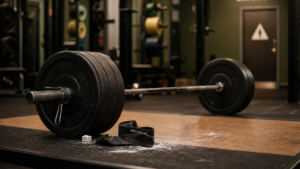
Walking up to a loaded bar with a clear internal narrative produces measurably different body responses than approaching it with hesitation. Doubt tightens the chest, shortens the breath, and makes hands grip the knurling considerably harder than necessary. This nervous tension drains vital stores of physical energy before the barbell even leaves the floor.
A rehearsed self-talk sequence cues the body to access a relaxed, powerful state it has trained dozens of times prior. Athletes simply repeat short phrases targeting their brace, footprint, or eye level to keep the brain occupied with actionable instructions. Reciting these cues eliminates the empty mental space where performance anxiety typically attempts to take hold during heavy attempts.
| Pro Tip: Before you touch the bar, run a practiced internal script: “I’ve hit this weight, my setup is locked, I breathe out on descent.” It cues the body into a trained state, making confident lifting the default, not the exception. |
4. Dress for the Session You Want
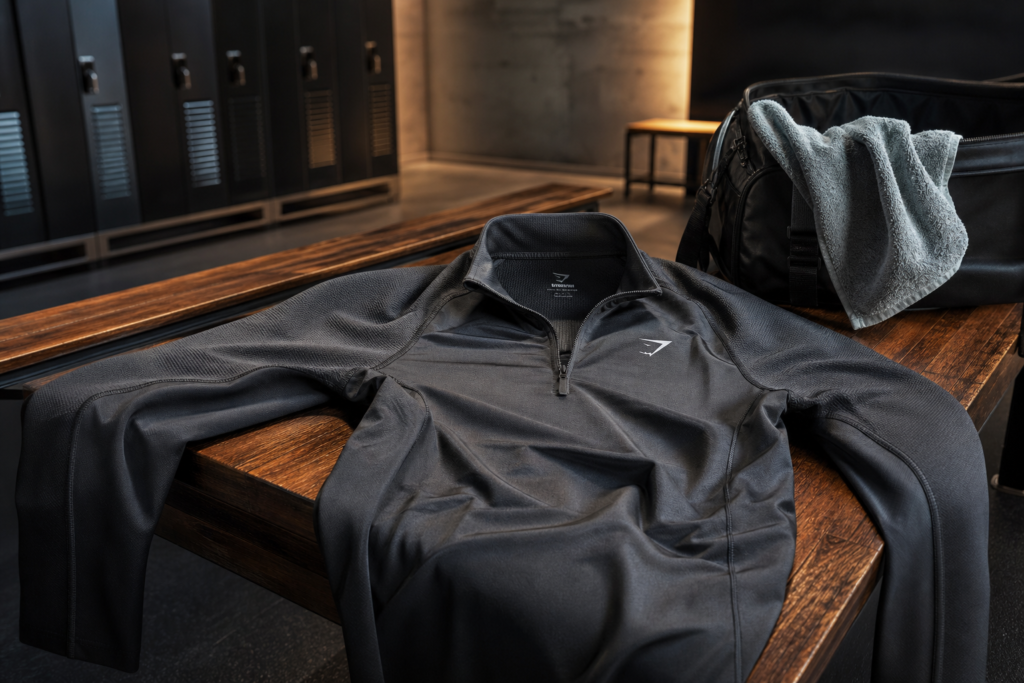
Behavioral researchers study enclothed cognition to measure how clothing affects a wearer’s psychological state and physical output. The lifter who pulls on a competition kit before a heavy squat session trains with notably higher intensity than someone defaulting to an oversized hoodie. The brain reads the specific uniform as a physical cue for the required effort level in the specialized gym environment.
A lifter suiting up in their competition singlet for a max-effort Friday session sends their nervous system a rigid physical signal. This internal message directly changes how they manage accumulated fatigue during working sets and recover from a missed repetition.
Feeling confident during training acts as a direct function of the deliberate environment the athlete constructs, and apparel remains an easily controlled variable.
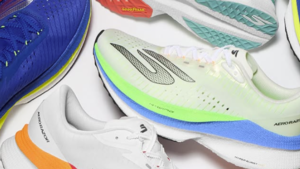
Athletes utilize specialized gear to flip the mental switch from casual exercise to intense athletic execution. Tying up professional weightlifting shoes or strapping on knee sleeves sets a boundary dividing the rest of the day from the upcoming hour of physical output. Treating the daily apparel choice as a psychological tool builds consistency when training excitement runs notoriously low.
5. Celebrate the Win That Missed the Leaderboard
Tracking non-PR progress keeps an athlete grounded during long blocks of intense physical conditioning. These unseen victories include maintaining a strict workout consistency streak through a chaotic work week or achieving better sleep before a meet than in previous years. Showing up to a 6 a.m. session when entirely skipping the workout felt preferable also builds this crucial unseen metric.
Feeling calmer under a heavy barbell that used to cause severe panic demonstrates massive mental growth that a scoreboard will never accurately reflect.
Acknowledging small mechanical adjustments builds an internal narrative that carries the lifter directly into their next heavy programming cycle. This behavioral habit reinforces the exact mental framework an athlete needs to handle difficult and prolonged physical tasks.
Recognizing these subtle improvements stops extreme workout burnout before it compromises the long-term athletic calendar. Athletes scale their personal expectations to match their current recovery levels rather than holding themselves to unrealistic daily podium standards. This disciplined approach guarantees the competitor arrives at their next scheduled meet healthy, capable, and ready to push the barbell.
| Quote: Each small acknowledgment builds the internal narrative that carries into the next hard block the one that says “I handle difficult things consistently.” |
Putting It All Together
Confidence is trained exactly like physical strength by repeating small, intentional decisions consistently over several consecutive months. Protecting the physical systems that a heavy program breaks down, from stress-related hair shedding to sports nutrition enamel wear, builds the strong foundation of this athletic training.
Formulating a cleaner morning ritual locks those necessary appearance basics into place to physically signal competitive readiness to the nervous system.
None of these specific habits require extra hours at the local gym facility or highly specialized coaching fees. They simply require an athlete to notice what their body frequently absorbs beyond the actual barbell programming so they can adjust accordingly.