



























Supersets vs Straight Sets: Which Builds More Muscle in Less Time for Beginners?


Exactly how you train is as important as what you actually do. Supersets can be incredibly effective, but when should you include them in your sessions? Should they replace regular sets and what will work best for you?
How Straight Sets and Supersets Differ in the Gym
Traditional straight sets are simple and familiar, because you complete one set of an exercise, rest for a set period, and repeat that exact movement until all of your planned sets are finished before moving on.
That approach gives your muscles and nervous system plenty of breathing room between efforts, which makes it easier to keep your form crisp and push heavy loads near muscular failure. For a beginner still learning how to brace, groove movement patterns, and judge effort, straight sets offer a calm and structured learning environment.
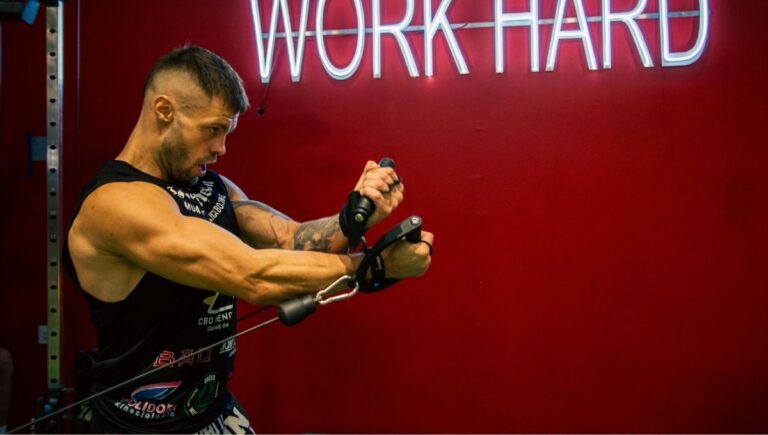
Supersets take a different route by pairing two exercises back-to-back with minimal or no rest between them before taking a broader recovery break. You can pair two exercises for opposing muscle groups, such as a chest press followed by a row, or pair exercises for the same muscle group or unrelated movement patterns to pack more total volume into a shorter clock window.
While supersets can trim workout time noticeably, cramming exercises together without enough recovery can sometimes chip away at how many clean reps you squeeze out on later sets if you are not careful.
What Science Says About Muscle Growth and Time Efficiency
When beginners ask which set structure builds more muscle in less time, researchers look closely at total training volume, effort near muscular failure, and session duration.
Controlled studies comparing superset protocols against traditional straight-set protocols show that supersets can save a substantial amount of workout time while producing similar muscle strength and hypertrophy gains when total work and effort are matched. Because time efficiency is one of the biggest hurdles for busy beginners who struggle to stick with long workouts, shaving minutes off a session without sacrificing growth stimulus is a major practical win.
At the same time, exercise science research reminds us that muscle growth depends heavily on mechanical tension, taking sets close to muscular failure, and training each muscle group consistently across the week. Meta-analytic evidence on resistance training frequency indicates that training a muscle group twice per week supports superior hypertrophy compared to training it only once per week.
Furthermore, research comparing training loads shows that moderate and lighter weights can stimulate muscle growth comparable to heavy weights when sets are taken close to muscular failure, giving beginners flexibility whether they use straight sets or supersets.
Comparing Straight Sets and Supersets for Beginners
| Training Factor | Straight Sets | Supersets | Best Practical Fit for Beginners |
| Session Duration | Longer total workout time due to dedicated rest between sets | Shorter total workout time by alternating exercises back-to-back | Use supersets when pressed for time; use straight sets when unhurried |
| Technical Focus and Form | Very high because each lift gets full recovery between sets | Moderate to high, requiring extra pacing so form stays clean | Start big compound lifts with straight sets while learning technique |
| Muscle Growth Potential | High when taken close to muscular failure with progressive overload | High when total quality volume and effort stay close to failure | Combine both so you hit strong effort without sloppy rushing |
| Fatigue and Pacing | Predictable recovery between sets of the same exercise | Higher cardiovascular and local work density per minute | Pair opposing movements like pushes and pulls to keep quality high |
Which Approach Wins for Beginners Short on Time?
So when you put supersets head-to-head against straight sets for building more muscle in less time, supersets take the edge for time efficiency while straight sets remain a rock-solid foundation for learning technique.
If you only have thirty-five or forty-five minutes in the gym, pairing complementary movements into supersets lets you complete meaningful weekly volume faster than resting for two or three minutes between every single set. That time savings makes it much easier to stay consistent across months, which is what actually drives visible muscle growth.
1. Keep Complex Compound Lifts Calm and Controlled
When you are learning foundational movements like squats, hinges, overhead presses, or rows, taking straight sets with sensible rest lets you focus on clean posture and safe mechanics. Rushing straight from a heavy lower-body lift into another demanding movement before your breathing and bracing settle can make your form feel hurried.
2. Use Antagonist Supersets to Save Time Smartly
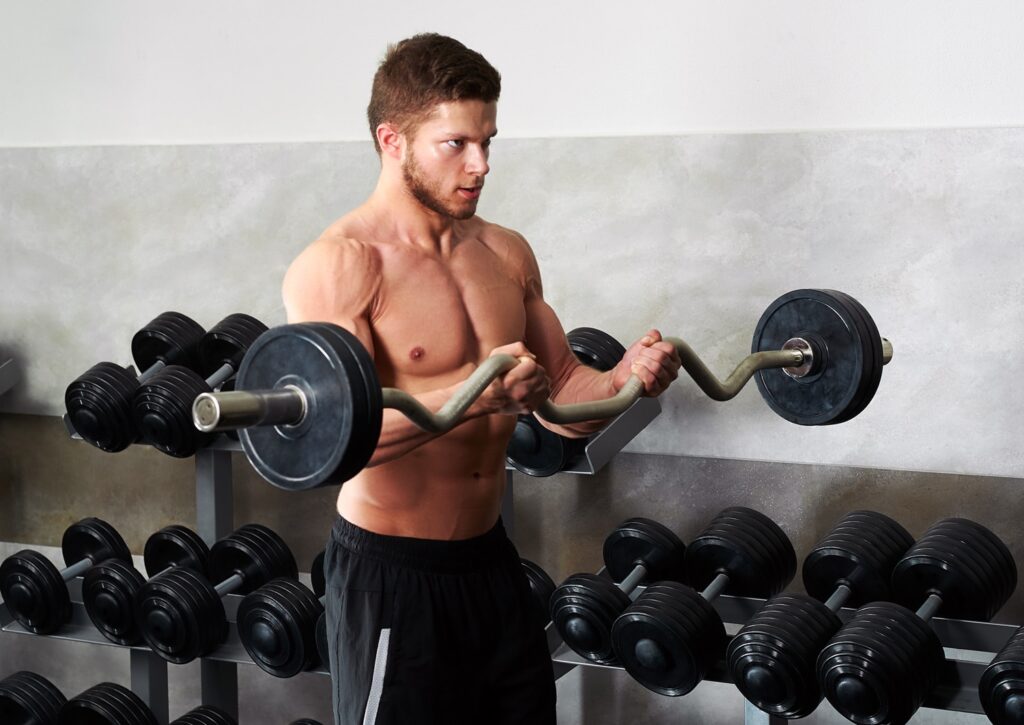
Pairing an exercise for one muscle group with an exercise for an opposing muscle group, such as pairing a chest press with a row or a bicep curl with a tricep extension, is often the smoothest superset style for beginners. While one muscle group works, the opposing muscle gets a brief window to recover, helping you keep repetition quality high while trimming minutes off your workout.
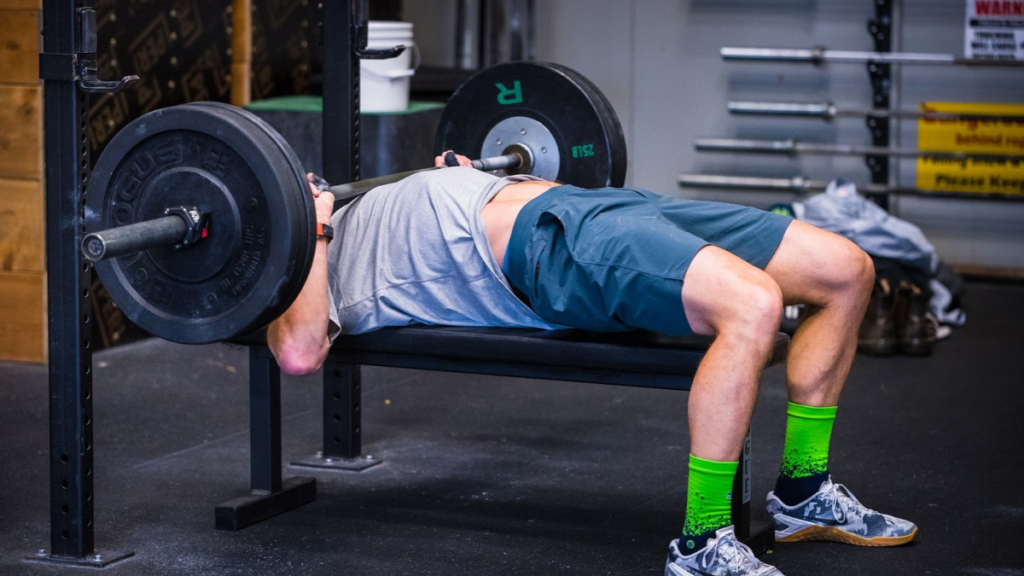
Why the Reverse-Grip Bench Press Deserves a Second Look for Chest Training
3. Focus on Effort Close to Failure Across Both Methods
Whether you finish a movement using straight sets or supersets, stop your working sets roughly one to two clean repetitions shy of muscular failure rather than stopping early out of boredom. Consistent effort across two weekly sessions per muscle group, paired with gradual rep or weight progression, drives steady muscle growth without requiring marathon gym visits.
Key Takeaways
| Decision Area | Evidence-Based Guidance | Why It Matters for Beginners |
| Time Efficiency Winner | Supersets save workout time while supporting comparable muscle gains | Helps busy beginners fit effective volume into shorter sessions consistently |
| Technique and Learning | Straight sets give extra recovery to master clean movement patterns | Protects form and confidence on demanding compound exercises early on |
| Growth Drivers | Prioritize effort near failure, weekly frequency, and progression | Muscle growth relies on mechanical tension and consistency over set style alone |
| Smart Weekly Habit | Train muscle groups twice per week using clean, controlled reps | Supports stronger hypertrophy outcomes than once-weekly training over time |
References
- Marin, D.P., Polito, M.D., et al., 2011. Acute metabolic and cardiovascular responses to agonist-antagonist superset resistance exercise. Journal of Strength and Conditioning Research, 25(7), pp.1977-1983.
- Schoenfeld, B.J., Grgic, J., Ogborn, D. and Krieger, J.W., 2017. Strength and hypertrophy adaptations between low- vs. high-load resistance training: a systematic review and meta-analysis. Journal of Strength and Conditioning Research, 31(12), pp.3508-3523.
- Schoenfeld, B.J., Ogborn, D. and Krieger, J.W., 2016. Effects of resistance training frequency on measures of muscle hypertrophy: a systematic review and meta-analysis. Sports Medicine, 46(11), pp.1689-1697.
- Weakley, J.J.S., Till, K., et al., 2017. The effects of traditional, superset, and tri-set resistance training structures on perceived intensity and workload. Journal of Strength and Conditioning Research, 31(9), pp.2462-2472.
Robbie Wild Hudson
Editor-In-Chief at BOXROX. I come from a background of rugby and weightlifting. Growing up in the English Lake District, I spent a great deal of time swimming in its stunning lakes and rivers. In 2015 my brothers and I became the first people to swim the 145km length of the River Eden, from source to mouth, in 9 days. We also swam the Corryvreckan whirlpool, the third largest in the world, and Crossfit is a huge part of my training for these events.
More from Robbie Wild Hudson