


























Why Two People With the Same Resting Heart Rate Can Have Very Different Fitness Levels


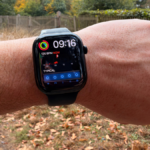
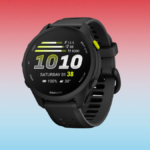
Glance down at a fitness watch or pulse oximeter first thing in the morning and you might notice something puzzling when comparing notes with a training partner or friend. One person can cruise effortlessly through a tough threshold run or heavy conditioning circuit despite waking up with a resting heart rate of sixty-two beats per minute, while another person with that exact same sixty-two beats per minute gets winded climbing two flights of stairs.
Because lower resting heart rates are widely celebrated as a badge of aerobic fitness, seeing two people share the same number yet perform worlds apart can feel downright contradictory.
There is a fascinating physiological puzzle sitting behind that single number on your wrist, involving how heart size, autonomic nerve tone, genetics, and peripheral oxygen use interact inside the body.
Rather than giving away the explanation right in the opening paragraph, let us explore what resting heart rate actually measures, why two hearts beating at the same resting pace can pump very different amounts of blood, and what truly determines cardiorespiratory fitness. Once you see how all of those moving parts fit together, comparing fitness numbers becomes much clearer and far less stressful.
What Resting Heart Rate Actually Measures
Your resting heart rate reflects how many times your heart beats per minute while you are awake, relaxed, and at rest, usually measured quietly in the morning before getting out of bed.
In general, a lower resting heart rate among healthy adults often accompanies regular endurance training because the heart becomes stronger and more efficient over time. However, resting heart rate is merely a frequency count of beats per minute, not a complete measurement of how much oxygen your body can deliver and extract during hard physical work.

Cardiovascular physiology research shows that resting heart rate is shaped by autonomic nervous system balance, particularly parasympathetic vagal tone and sympathetic activity, alongside intrinsic pacemaker properties of the sinoatrial node. Because daily stress, poor sleep, caffeine, dehydration, or subtle fatigue can nudge resting heart rate upward or downward on any given day, a single resting number only tells part of the story.
Two people can arrive at the exact same resting beat count through very different physiological pathways.
Why the Same Resting Heart Rate Hides Different Fitness Levels
1. Differences in Stroke Volume and Heart Chamber Size
Cardiac output, which is the total volume of blood your heart pumps per minute, equals your heart rate multiplied by your stroke volume, or the amount of blood pumped out with each single beat.
Two people can both beat sixty times per minute at rest, yet one person may pump a larger volume of blood per beat because of greater left ventricular filling or endurance-related cardiac remodeling. When exercise ramps up, a larger stroke volume and higher maximal heart rate allow a fitter athlete to achieve a much higher peak cardiac output than a less conditioned person with the same resting heart rate.

2. Genetics and Autonomic Nervous System Baseline
Even before factoring in training history, people inherit different baseline heart rate tendencies, body dimensions, and autonomic nervous system profiles. Exercise physiology research examining twins and large population cohorts demonstrates that genetics accounts for a substantial portion of inter-individual variation in resting heart rate and cardiorespiratory trainability.
Someone naturally inclined toward higher parasympathetic tone may display a relatively low resting heart rate without possessing elite aerobic endurance, while another person with a slightly higher genetic baseline can still build impressive stamina and work capacity.
3. Oxygen Extraction and Muscle Capillarity
Cardiorespiratory fitness, classically evaluated through maximal oxygen uptake or exercise capacity, depends not only on how much blood the heart pumps centrally, but also on how effectively working muscles pull oxygen out of that blood. Endurance training increases capillary density around muscle fibers, boosts mitochondrial content and oxidative enzymes, and improves blood flow distribution to active muscles.

Two individuals with identical resting heart rates can differ sharply in peripheral muscle adaptation, lactate clearance, and running or lifting economy once exertion begins.
4. Body Size, Age, and Daily Lifestyle Factors
Larger body size, age-related changes in maximal heart rate and vascular stiffness, habitual sleep quality, and daily stress levels also influence how heart rate behaves at rest and during exercise. Someone carrying more body mass or juggling high life stress and short sleep may show resting heart rate shifts that do not cleanly mirror their aerobic capacity on a bike or treadmill. Looking at heart rate trends alongside actual workout performance gives you far better insight than comparing isolated morning numbers against someone else.
3 Perfect Banded Chest Exercises for Beginners to Get Stronger Pecs
Why Two People With the Same Resting Heart Rate Can Differ in Fitness
| Physiological Factor | How It Influences the Comparison | What It Means for Your Training |
| Stroke Volume and Cardiac Output | Equal resting beats can pair with different blood volumes pumped per beat | Peak pumping capacity during hard effort matters more than resting beats alone |
| Genetics and Autonomic Tone | Inherited traits and vagal balance shape baseline heart rate independently | Do not judge your fitness solely against another person’s resting number |
| Peripheral Muscle Adaptation | Capillary networks and mitochondria govern how muscles use oxygen | Conditioning workouts improve oxygen use in muscles even when resting rate is similar |
| Age, Sleep, and Daily Stress | Recovery, stress hormones, and body size shift resting heart rate daily | Track your own personal baseline over weeks rather than chasing daily perfection |
How to Evaluate Your True Fitness Beyond Resting Heart Rate
Because resting heart rate is only a snapshot of quiet baseline rhythm, pairing it with practical performance checks gives you a much truer picture of your fitness. Exercise science and clinical sports medicine research consistently identifies cardiorespiratory fitness and functional exercise capacity as powerful markers of aerobic health and long-term physical resilience.
Watching how your breathing, pace, power output, or recovery heart rate improves on a repeatable benchmark workout over four to eight weeks tells you far more than comparing morning watch readings with a friend.
1. Track Your Own Trend Over Several Weeks
Rather than treating a single morning reading as good or bad news, note your resting heart rate across several days under calm conditions to spot your personal normal range. A noticeable upward drift over several mornings paired with sluggish workouts can be a helpful nudge to prioritize sleep, hydration, or recovery.
2. Test Real-World Conditioning and Recovery
Measure your progress using concrete efforts such as how fast you complete a set distance, how steady your breathing stays at a brisk pace, or how quickly your heart rate drops during a rest interval. Exercise physiology studies show that faster post-exercise heart rate recovery and improved submaximal workload tolerance reflect meaningful autonomic and cardiovascular adaptations.
3. Combine Aerobic Conditioning With Strength Training
Building a capable body requires both a resilient cardiovascular system and strong skeletal muscles that move efficiently under load. Combining regular aerobic sessions with progressive strength training two to three times per week supports broad physical fitness, metabolic health, and everyday stamina far better than obsessing over a single metric.
Key Takeaways
| Decision Area | Evidence-Based Guidance | Why It Matters for Your Fitness |
| Resting Heart Rate Scope | Resting heart rate measures beats per minute at rest, not full aerobic capacity | Two people with identical resting rates can have very different endurance |
| Key Underlying Differences | Stroke volume, genetics, autonomic tone, and muscle oxygen use vary widely | Central blood pumping and peripheral muscle adaptations drive performance |
| Best Tracking Habit | Compare your own multi-week trends and real workout performance | Personal baselines and exercise benchmarks give clearer feedback than peer comparisons |
| Complete Fitness Approach | Pair steady aerobic conditioning with progressive resistance training | Builds cardiovascular efficiency, muscular strength, and overall resilience |
References
- Bouchard, C. and Rankinen, T., 2001. Individual differences in response to regular physical activity. Medicine and Science in Sports and Exercise, 33(6 Suppl), pp.S446-S451.
- Cole, C.R., Blackstone, E.H., Pashkow, F.J., Snader, C.E. and Lauer, M.S., 1999. Heart-rate recovery immediately after exercise as a predictor of mortality. New England Journal of Medicine, 341(18), pp.1351-1357.
- Levine, B.D., 2008. VO2max: what do we know, and what do we still need to know? The Journal of Physiology, 586(1), pp.25-34.
- Ross, R., Blair, S.N., Arena, R., Church, T.S., Després, J.P., Franklin, B.A., Haskell, W.L., Kaminsky, L.A., Levine, B.D., Lavie, C.J., Myers, J., Niebauer, J. and Sallis, J.F., 2016. Importance of assessing cardiorespiratory fitness in clinical practice: a case for fitness as a clinical vital sign: a scientific statement from the American Heart Association. Circulation, 134(24), pp.e653-e699.
- Wilmore, J.H., Stanforth, P.R., Gagnon, J., Rice, T., Mandel, S., Leon, A.S., Rao, D.C., Skinner, J.S. and Bouchard, C., 2001. Heart rate and blood pressure changes with endurance training: the HERITAGE Family Study. Medicine and Science in Sports and Exercise, 33(1), pp.107-116.
Robbie Wild Hudson
Editor-In-Chief at BOXROX. I come from a background of rugby and weightlifting. Growing up in the English Lake District, I spent a great deal of time swimming in its stunning lakes and rivers. In 2015 my brothers and I became the first people to swim the 145km length of the River Eden, from source to mouth, in 9 days. We also swam the Corryvreckan whirlpool, the third largest in the world, and Crossfit is a huge part of my training for these events.
More from Robbie Wild Hudson