

Strength is one of the most important physical qualities you can develop. It improves athletic performance, supports healthy aging, helps maintain muscle mass, increases bone density, improves insulin sensitivity, and reduces the risk of injury. Yet despite its importance, many people walk into the gym without a clear understanding of what constitutes good strength.
Most gym-goers judge progress based on appearance, body weight, or what someone else is lifting. The problem is that these comparisons are often misleading. A 200-pound squat may be impressive for one person and average for another depending on body weight, training history, age, and sex. That is why strength standards matter. While there are many ways to measure strength, three standards stand out because they are practical, evidence-based, and applicable to nearly everyone who trains.


These standards are built around fundamental movement patterns that reflect total body strength and have strong links to athletic performance, functional capacity, and overall physical fitness.
Why Strength Standards Matter
Strength training is often associated with bodybuilding or powerlifting, but research consistently shows that muscular strength is one of the strongest predictors of long-term health.
Higher levels of strength are associated with lower all-cause mortality, reduced cardiovascular disease risk, improved metabolic health, and better quality of life.
Studies have shown that muscular strength predicts health outcomes independently of aerobic fitness. In other words, being strong matters even if you already perform cardiovascular exercise. Strength standards provide measurable targets that help people move beyond simply exercising toward purposeful training.
Good standards should be:
• Easy to measure
• Applicable to most people
• Based on meaningful movement patterns
• Supported by scientific evidence
The three standards discussed below meet all of these criteria.
Standard 1: The Bodyweight Bench Press
The first strength standard every gym-goer should know is the ability to bench press their own body weight for one repetition.
Why the Bench Press Matters
The bench press is one of the most widely used measures of upper body strength. It primarily targets the pectoral muscles, triceps, and anterior deltoids while requiring stabilization from the upper back and core.
Although it is not a perfect representation of total upper body strength, it remains one of the most practical and reliable tests available.
Research shows that upper body strength is associated with improved functional capacity, enhanced athletic performance, and better health outcomes throughout adulthood. The bench press is particularly valuable because it allows easy comparison across populations and training levels.
What the Standard Means
For most healthy adults, a bodyweight bench press represents a solid intermediate level of strength. A man weighing 180 pounds should be able to bench press approximately 180 pounds.
For women, due to physiological differences in upper body muscle mass and hormonal profiles, a benchmark of approximately 70 to 80 percent of body weight represents a similar relative achievement.
This standard generally indicates:
• Adequate upper body muscle mass
• Good neuromuscular coordination
• Effective pressing strength
• Consistent resistance training experience
How Long Does It Take?
Training experience strongly influences strength development. Beginners often achieve substantial improvements during their first year due to neural adaptations that improve motor unit recruitment and coordination.
For most men, reaching a bodyweight bench press may take six months to two years of consistent training depending on starting strength, genetics, body weight, and program quality.
Women may require similar timelines relative to their adjusted standards.
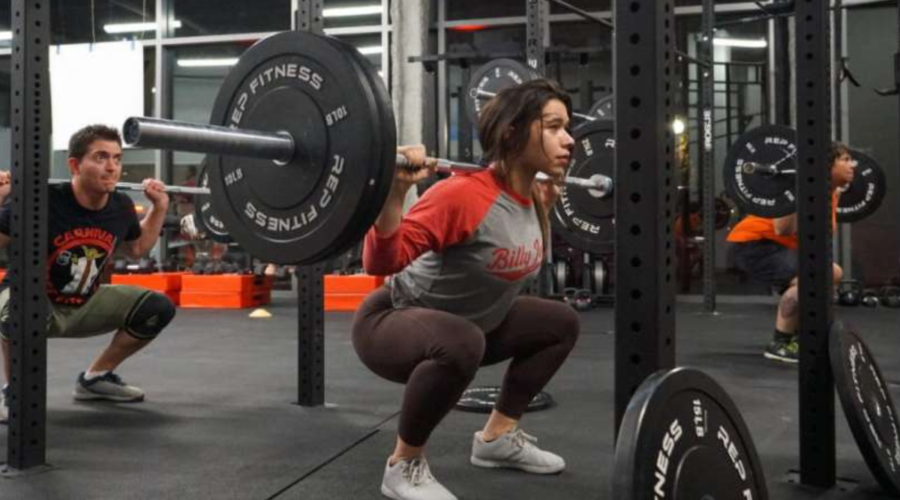
Standard 2: The 1.5 Times Bodyweight Squat
The second strength standard every gym-goer should know is the ability to back squat 1.5 times body weight.

Why the Squat Matters
The squat is often called the king of exercises because it develops strength across a large percentage of the body’s musculature. Primary muscles involved include:
• Quadriceps
• Glutes
• Adductors
• Hamstrings
• Core musculature
The squat also requires substantial mobility, stability, balance, and coordination. Research shows that lower body strength is strongly associated with athletic performance measures such as sprint speed, jump height, and change of direction ability. In older adults, lower body strength predicts mobility, independence, and reduced fall risk.
What the Standard Means
A 1.5 times bodyweight squat is widely considered a meaningful indicator of well-developed lower body strength. For example:
• A 160-pound person squats 240 pounds
• A 180-pound person squats 270 pounds
• A 200-pound person squats 300 pounds
This standard generally reflects a strong foundation of muscular development and technical competence. Importantly, the squat should be performed to accepted depth standards, with the hip crease descending below the top of the knee. Partial squats can inflate strength numbers without providing the same benefits.
Why Relative Strength Matters
Many people focus solely on absolute weight lifted. However, relative strength, which compares strength to body weight, is often more meaningful for athleticism and health. Research consistently shows that relative strength is closely linked to movement efficiency, jumping ability, sprinting performance, and functional fitness.
A smaller athlete who squats 1.8 times body weight may demonstrate greater functional strength than a heavier athlete who squats the same absolute load.
Building Toward the Standard
Progressing toward a 1.5 times bodyweight squat typically requires attention to:
• Progressive overload
• Technical proficiency
• Adequate protein intake
• Recovery quality
• Consistent training volume
Studies suggest that muscle hypertrophy and maximal strength adaptations occur most effectively when training programs combine sufficient volume with progressive increases in load over time.
Common Limiting Factors
Many gym-goers fail to reach this benchmark because of weaknesses outside the legs themselves. Common limitations include:
• Poor ankle mobility
• Weak core stabilization
• Inadequate hip mobility
• Fear of training with heavier loads
Addressing these issues often leads to rapid improvements.
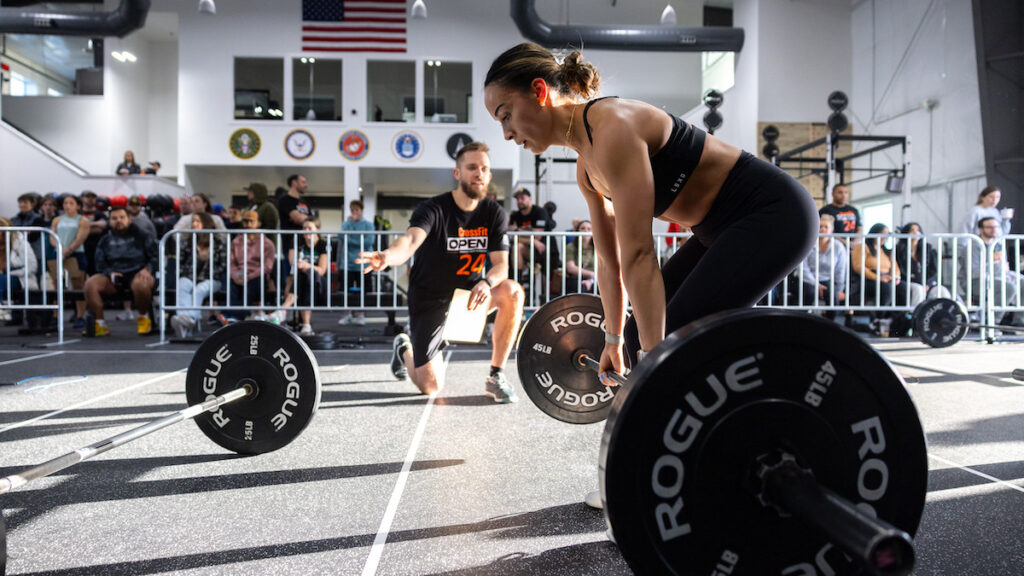
Standard 3: The Double Bodyweight Deadlift
The third strength standard every gym-goer should know is the ability to deadlift twice their body weight.
If You Can’t Do These 3 Things, You’re Not Ready for a 100kg Bench Press
Why the Deadlift Matters
The deadlift is one of the most comprehensive strength exercises available. It trains:
• Glutes
• Hamstrings
• Spinal erectors
• Lats
• Trapezius
• Forearms
• Core musculature
Unlike many gym exercises, the deadlift closely resembles real-world lifting tasks. The movement teaches efficient force production from the ground through the entire kinetic chain. Research has shown that deadlift training improves maximal strength, rate of force development, athletic performance, and functional capacity.
What the Standard Means
A double bodyweight deadlift is a highly respected strength benchmark. Examples include:
• A 150-pound person deadlifting 300 pounds
• A 180-pound person deadlifting 360 pounds
• A 200-pound person deadlifting 400 pounds
Achieving this level typically places recreational lifters well above average. Importantly, a double bodyweight deadlift does not require elite genetics or competitive aspirations. It is attainable for many healthy individuals through structured training.
Why the Deadlift Is Often the Strongest Lift
Most people can deadlift more than they squat or bench press because the deadlift recruits large muscle groups across both the upper and lower body. Biomechanically, it allows favorable leverage and significant contribution from the posterior chain.
Studies examining muscle activation consistently demonstrate high levels of recruitment across multiple major muscle groups during deadlifting variations.
Final Thoughts
The fitness industry often promotes complicated metrics, endless testing protocols, and constantly changing trends. Yet some of the most useful indicators of physical capability remain surprisingly simple. The three strength standards every gym-goer should know are:
- Bench press your body weight
- Squat 1.5 times your body weight
- Deadlift twice your body weight
These benchmarks provide a practical framework for evaluating strength development and establishing meaningful goals. They reflect balanced muscular development, strong movement patterns, and consistent training habits.
Most importantly, they are achievable for many healthy adults through intelligent programming, proper nutrition, and long-term commitment. If you can achieve all three, you will not just look stronger. You will be stronger in ways that support health, performance, and physical resilience for years to come.
References
• Aagaard, P., Simonsen, E.B., Andersen, J.L., Magnusson, P. and Dyhre-Poulsen, P. (2002) ‘Increased rate of force development and neural drive of human skeletal muscle following resistance training’, Journal of Applied Physiology, 93(4), pp. 1318-1326.
• Borde, R., Hortobágyi, T. and Granacher, U. (2015) ‘Dose-response relationships of resistance training in healthy old adults’, Sports Medicine, 45(12), pp. 1693-1720.
• Cruz-Jentoft, A.J., Bahat, G., Bauer, J., Boirie, Y., Bruyère, O., Cederholm, T., Cooper, C., Landi, F., Rolland, Y., Sayer, A.A. and Schneider, S.M. (2019) ‘Sarcopenia: revised European consensus on definition and diagnosis’, Age and Ageing, 48(1), pp. 16-31.
• Grgic, J., Lazinica, B., Schoenfeld, B.J. and Pedisic, Z. (2020) ‘Test-retest reliability of the one-repetition maximum strength assessment’, Sports Medicine Open, 6(1), pp. 31.
• Hart, P.D. (2019) ‘Muscular strength and health outcomes’, Journal of Strength and Conditioning Research, 33(8), pp. 2309-2315.
• Keiner, M., Sander, A., Wirth, K. and Schmidtbleicher, D. (2014) ‘Long-term strength training effects on change-of-direction sprint performance’, Journal of Strength and Conditioning Research, 28(1), pp. 223-231.