

Strong legs matter more after 40 than they did at 25. Lower body strength supports athletic performance, protects joints, improves metabolic health, preserves muscle mass, and helps men stay independent and resilient as they age. Yet many men over 40 either stop training legs properly or continue using routines designed for younger lifters with fewer recovery demands. The truth is that leg training after 40 should not become easier. It should become smarter.
As men age, they naturally lose muscle mass, strength, power, and mobility. Testosterone levels gradually decline, recovery slows, connective tissues become less tolerant to abuse, and sedentary lifestyles accelerate physical deterioration. Research consistently shows that resistance training can slow or even reverse many of these age related declines.



The best leg workout for men over 40 combines strength training, muscle building, joint friendly movement patterns, unilateral exercises, and mobility work. It builds powerful legs without wrecking recovery or increasing injury risk.
This guide explains exactly how to do it.
Why Leg Training Changes After 40
Training after 40 requires a different mindset than training in your 20s. You can still build muscle and strength at a high level, but recovery capacity becomes more important.
Muscle Loss Accelerates With Age
Age related muscle loss, known as sarcopenia, begins earlier than many people realize. Research shows that adults can lose approximately 3 to 8 percent of muscle mass per decade after age 30, with the rate accelerating after 60. Lower body muscles are especially vulnerable because modern lifestyles involve less walking, sprinting, jumping, and physical labor than previous generations experienced. The good news is that resistance training remains one of the most effective interventions for preserving muscle tissue throughout aging.
Recovery Takes Longer
Older lifters can still train hard, but they often need more time between high intensity sessions. Recovery involves much more than muscle soreness. Connective tissue repair, nervous system fatigue, sleep quality, stress levels, and hormonal balance all affect performance.
This does not mean men over 40 should avoid heavy lifting. Research shows heavy resistance training remains highly effective for improving strength and muscle mass in older adults. The key is controlling total training stress.
Joint Health Becomes a Priority
Many men over 40 carry old injuries from sports, manual labor, or years of poor movement habits. Knees, hips, ankles, and lower backs may not tolerate excessive high impact work or poor exercise technique. Smart exercise selection matters. Joint friendly variations often provide similar muscle building benefits with lower orthopedic stress.
Strength Still Matters
One of the biggest mistakes older men make is abandoning heavy lifting completely and replacing it with endless cardio or light circuits. Strength is strongly associated with longevity, mobility, and reduced mortality risk. Maintaining lower body strength supports everything from stair climbing to sprinting, hiking, carrying groceries, and protecting against falls. The goal is not to avoid intensity. The goal is to use it strategically.
The Principles of the Best Leg Workout for Men Over 40
Before building the actual workout, it helps to understand the key principles behind it.
Prioritize Compound Movements
Compound exercises train multiple muscle groups simultaneously and provide the greatest return on investment. Key lower body compound movements include:
• Squats
• Deadlifts
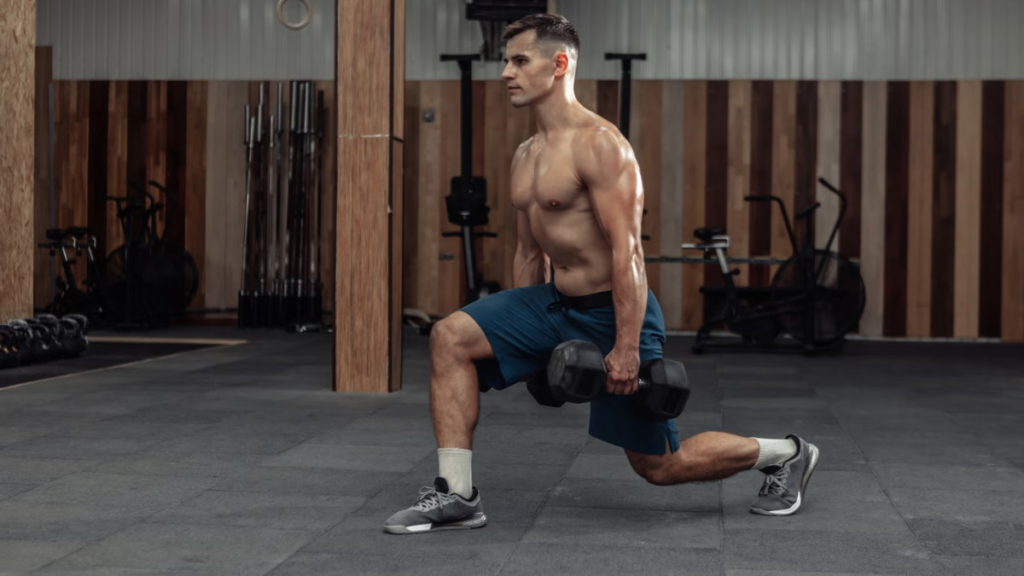
• Split squats
• Lunges
• Step ups
• Hip thrusts
These exercises improve strength, muscle mass, coordination, and functional movement patterns.
Use Moderate Training Volume
Many men over 40 recover better from moderate volume with consistent progression than extremely high volume bodybuilding routines. Research suggests that approximately 10 to 20 working sets per muscle group per week can effectively support hypertrophy in trained individuals. For most men over 40, the lower end of this range often works very well.
Train Through Full Range of Motion
Mobility declines with age when joints are not regularly moved through full ranges. Deep squats, split squats, and controlled lunges help preserve ankle, hip, and knee mobility while building strength. Research also suggests that resistance training through longer muscle lengths may enhance hypertrophy.
Include Unilateral Exercises
Single leg training becomes increasingly valuable after 40. Unilateral exercises help:
• Improve balance
• Correct strength asymmetries
• Reduce joint stress
• Strengthen stabilizer muscles
• Enhance athleticism
• Improve coordination
They also challenge the core and hips more effectively than many bilateral exercises.
Manage Fatigue Carefully
Recovery is not only about training less. It is about distributing stress intelligently. Effective strategies include:
• Avoiding constant failure training
• Limiting excessive eccentric overload
• Rotating exercise variations
• Using proper warm ups
• Prioritizing sleep and nutrition
• Taking rest days seriously
The Best Leg Workout for Men Over 40
This workout focuses on strength, hypertrophy, joint health, and longevity. It can be performed one to two times weekly depending on recovery and total training volume.
Warm Up and Mobility
Never skip this section after 40. A proper warm up improves performance and reduces injury risk by increasing tissue temperature, improving joint mobility, and activating key muscle groups.

Dynamic Warm Up
Perform the following for 5 to 10 minutes:
• Brisk walking or cycling
• Leg swings
• Walking lunges
• Bodyweight squats
• Hip circles
• Glute bridges
• Ankle mobility drills
The goal is to prepare the body, not exhaust it.
Main Workout
1. Trap Bar Deadlift
Sets: 4
Reps: 5 to 6
Rest: 2 to 3 minutes
The trap bar deadlift is one of the best strength exercises for men over 40.
Compared to traditional straight bar deadlifts, the trap bar often reduces stress on the lower back while allowing heavy loading. Research suggests trap bar deadlifts may produce favorable force and power characteristics while improving safety and accessibility for many lifters. This exercise trains:
• Glutes
• Hamstrings
• Quadriceps
• Core
• Upper back
Focus on controlled reps and excellent positioning. Key coaching points:
• Brace the core hard
• Push through the floor
• Keep the chest tall
• Avoid jerking the weight
• Maintain a neutral spine
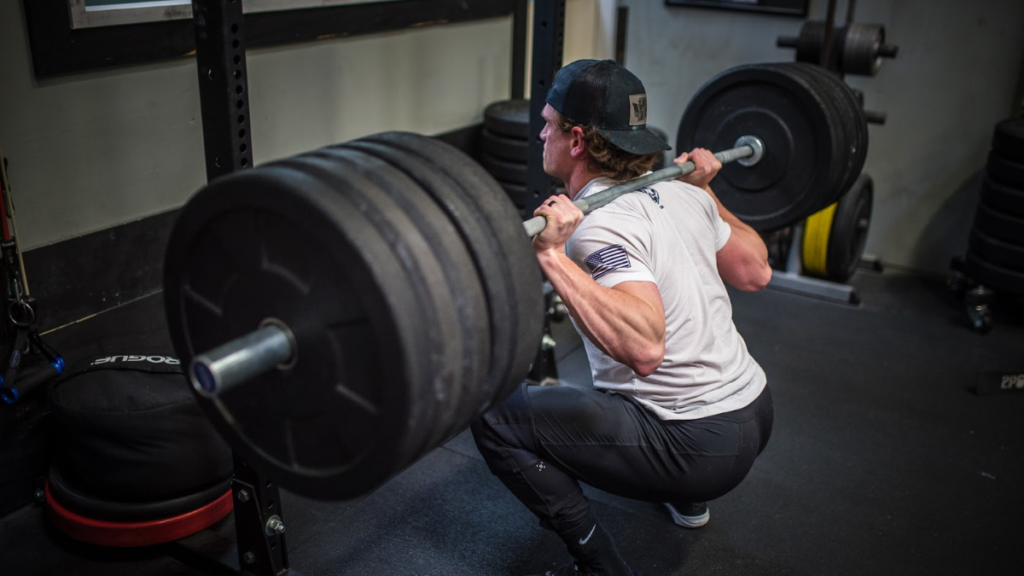
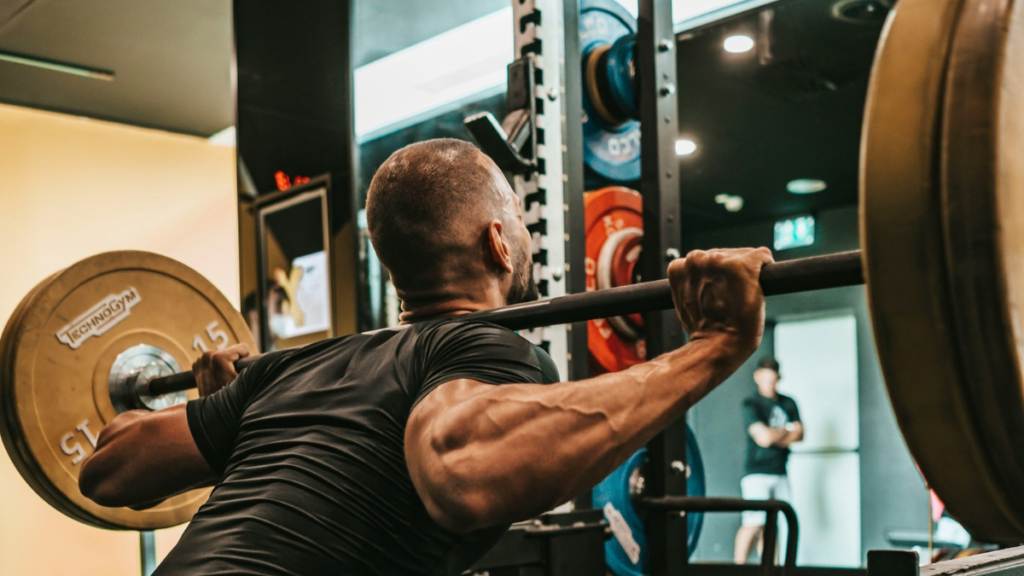
2. Front Squat or Goblet Squat
Sets: 4
Reps: 6 to 8
Rest: 90 to 120 seconds
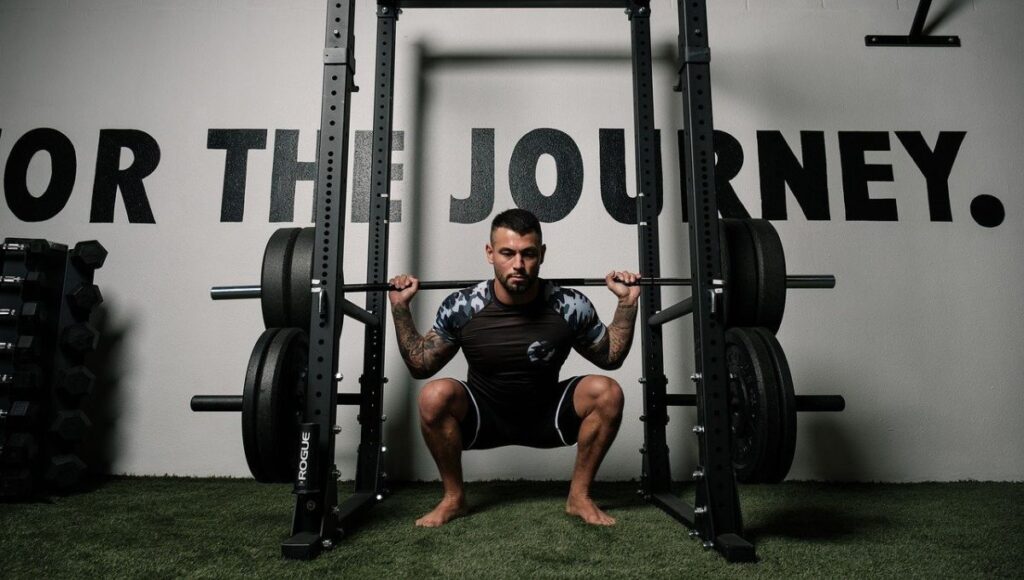
Front squats and goblet squats are excellent options for older lifters because they encourage upright posture and reduce spinal loading compared to low bar back squats. Goblet squats work especially well for beginners or men returning from injury.
Benefits include:
• Quad development
• Core stability
• Hip mobility
• Improved squat mechanics
• Reduced lower back stress
Depth matters more than maximal weight here. Move with control and use a full range of motion.
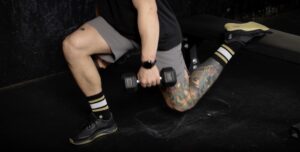
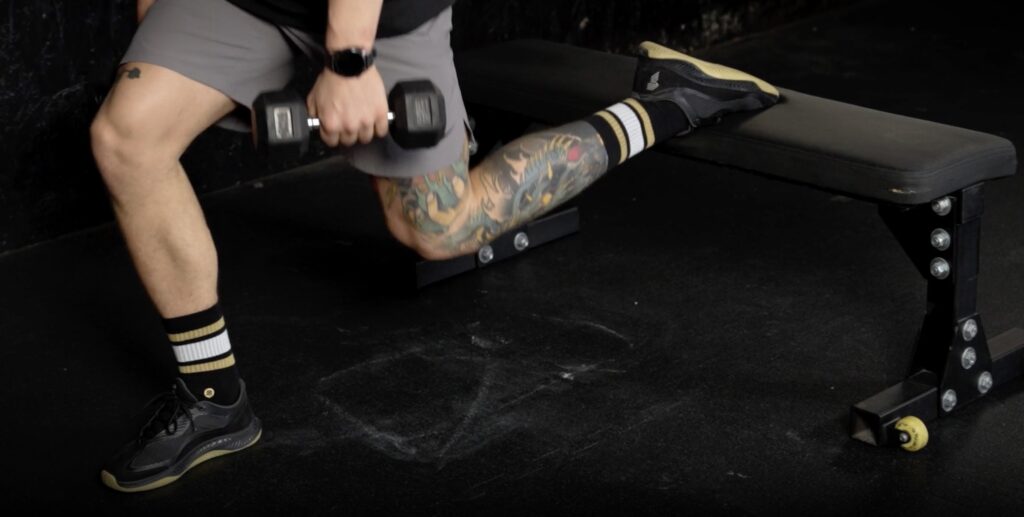
3. Bulgarian Split Squat
Sets: 3
Reps: 8 to 10 each leg
Rest: 60 to 90 seconds
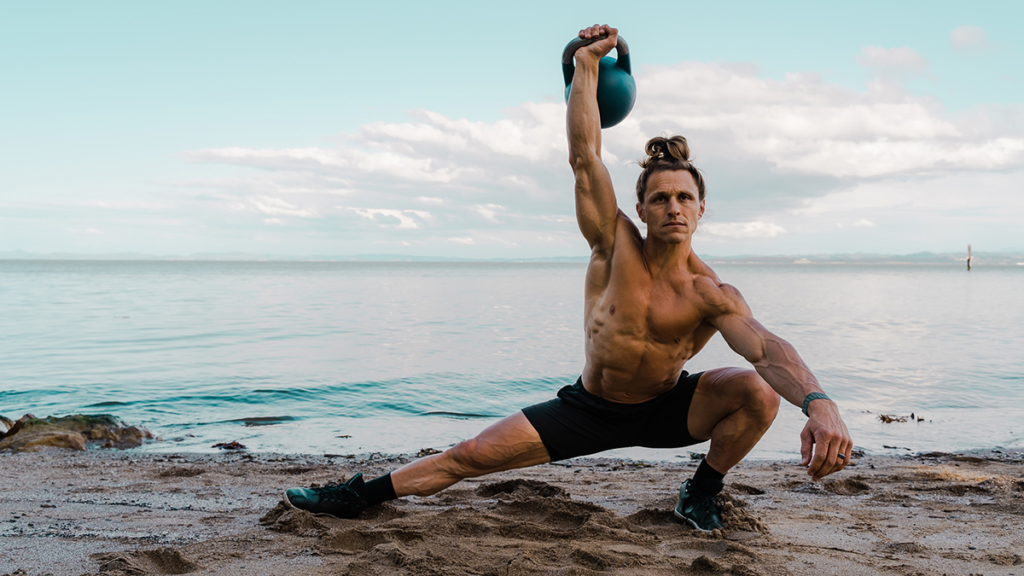
Few exercises build lower body strength and stability as effectively as Bulgarian split squats. They challenge the:
• Glutes
• Quads
• Hamstrings
• Core
• Hip stabilizers
Research consistently supports unilateral training for improving balance, coordination, and reducing asymmetries. These can be brutal, so start conservatively. Important technique points:
• Keep the front foot planted
• Maintain balance
• Lower slowly
• Drive through the front heel
• Avoid collapsing forward
4. Romanian Deadlift
Sets: 3
Reps: 8 to 10
Rest: 90 seconds
The Romanian deadlift strengthens the posterior chain, which becomes critically important with aging. Strong hamstrings and glutes support knee health, sprinting mechanics, posture, and lower back resilience. This exercise also improves hip hinge mechanics and flexibility. Focus on:
• Controlled lowering
• Soft knees
• Hip driven movement
• Maintaining spinal alignment
Do not chase maximum weight. Quality movement matters more.
5. Step Ups
Sets: 3
Reps: 10 each leg
Rest: 60 seconds
Step ups are one of the most underrated lower body exercises. They are highly functional and mimic real world movement patterns while improving balance and coordination. Research shows stair climbing and similar movements can effectively improve lower body function in older adults. Use a box height that allows control without excessive knee strain. Benefits include:
• Single leg strength
• Improved stability
• Better athletic movement
• Increased glute activation
• Reduced spinal loading
6. Standing Calf Raise
Sets: 3
Reps: 12 to 15
Rest: 45 seconds
Calves often receive little attention, but they are essential for walking, running, jumping, and ankle stability. Aging is associated with declines in ankle strength and tendon stiffness, making calf training increasingly important. Use slow, controlled reps with a pause at the top and bottom.
7. Sled Push or Farmer Carry

Sets: 4 rounds
Distance: 20 to 40 meters
Rest: 60 to 90 seconds
Loaded carries and sled work are excellent conditioning tools for men over 40 because they build work capacity without excessive joint impact. Benefits include:
• Improved conditioning
• Grip strength
• Core stability
• Leg endurance
• Athleticism
Sled pushes are especially knee friendly because they involve concentric dominant movement with minimal eccentric damage.
Recovery Guidelines for Men Over 40
Training is only part of the equation. Recovery determines whether progress happens.
Prioritize Sleep
Poor sleep dramatically reduces recovery, testosterone production, muscle protein synthesis, and performance. Research consistently links sleep deprivation to impaired recovery and increased injury risk.
Aim for:
• 7 to 9 hours nightly
• Consistent sleep schedule
• Cool, dark sleeping environment
• Reduced screen exposure before bed
Eat Enough Protein
Protein becomes increasingly important with aging because older adults often experience anabolic resistance, meaning muscles become less responsive to protein intake. Research suggests older lifters may benefit from higher protein intakes than younger adults. A practical target is:
• 0.7 to 1 gram of protein per pound of bodyweight daily
High quality protein sources include:
• Lean meat
• Fish
• Eggs
• Greek yogurt
• Whey protein
• Cottage cheese
Do Not Ignore Mobility
Mobility training should become part of regular maintenance after 40. Focus on:
• Ankles
• Hips
• Thoracic spine
• Hamstrings
Even 10 minutes daily can make a noticeable difference.
Manage Overall Stress
Chronic stress negatively affects recovery, sleep, hormones, and training performance. Strategies that help include:
• Walking
• Breath work
• Outdoor activity
• Meditation
• Proper hydration
• Limiting alcohol intake
Final Thoughts
Leg training after 40 should focus on building strength, preserving muscle, protecting joints, and improving long term health. The goal is not to prove toughness through reckless workouts. The goal is to remain strong, athletic, mobile, and capable for decades. A smart lower body program combines:
• Compound strength exercises
• Unilateral training
• Posterior chain development
• Mobility work
• Recovery management
• Sustainable progression
Men over 40 can absolutely build impressive legs, improve performance, and maintain high levels of fitness. In many cases, they can train more effectively than they did in their younger years because they approach training with greater discipline and intelligence. Train hard, recover well, and think long term.
Key Takeaways
| Topic | Key Point |
|---|---|
| Strength Training | Heavy resistance training remains highly effective after 40 |
| Recovery | Recovery quality becomes more important with age |
| Best Exercises | Trap bar deadlifts, squats, split squats, and Romanian deadlifts are foundational |
| Joint Health | Smart exercise selection reduces unnecessary joint stress |
| Muscle Loss | Resistance training helps combat age related muscle loss |
| Frequency | One to two lower body sessions weekly works well for most men |
| Mobility | Daily mobility work supports long term movement quality |
| Protein Intake | Higher protein intake helps preserve muscle mass |
| Conditioning | Low impact cardio supports recovery and longevity |
| Long Term Goal | Sustainable training matters more than extreme workouts |
References
• American College of Sports Medicine. (2009). Exercise and physical activity for older adults. Medicine & Science in Sports & Exercise, 41(7), pp.1510-1530.
• Bird, S.P., Tarpenning, K.M. and Marino, F.E. (2005). Designing resistance training programmes to enhance muscular fitness. Sports Medicine, 35(10), pp.841-851.
• Candow, D.G. and Chilibeck, P.D. (2008). Differences in size, strength, and power of upper and lower body muscle groups in young and older men. The Journals of Gerontology Series A: Biological Sciences and Medical Sciences, 60(2), pp.148-156.
• Chodzko Zajko, W.J., Proctor, D.N., Fiatarone Singh, M.A., Minson, C.T., Nigg, C.R., Salem, G.J. and Skinner, J.S. (2009). Exercise and physical activity for older adults. Medicine & Science in Sports & Exercise, 41(7), pp.1510-1530.
• Fragala, M.S., Cadore, E.L., Dorgo, S., Izquierdo, M., Kraemer, W.J., Peterson, M.D. and Ryan, E.D. (2019). Resistance training for older adults. Journal of Strength and Conditioning Research, 33(8), pp.2019-2052.
• Grgic, J., Schoenfeld, B.J., Orazem, J. and Sabol, F. (2020). Effects of resistance training performed to repetition failure or non failure on muscular strength and hypertrophy. Journal of Sport and Health Science, 10(3), pp.263-273.