

The Nordic curl has earned a reputation as one of the toughest bodyweight exercises you can perform. Athletes use it to build powerful hamstrings, physical therapists recommend it to reduce injury risk, and strength coaches often describe it as one of the best exercises for developing eccentric strength. Despite all of the praise, the Nordic curl is not automatically the perfect exercise for everyone.
Like any movement, its value depends on your goals, your current strength level, your injury history, and how you include it within a balanced training program. Understanding what the exercise actually does, along with its benefits and limitations, makes it much easier to decide whether it deserves a place in your workouts.


What Is the Nordic Curl?
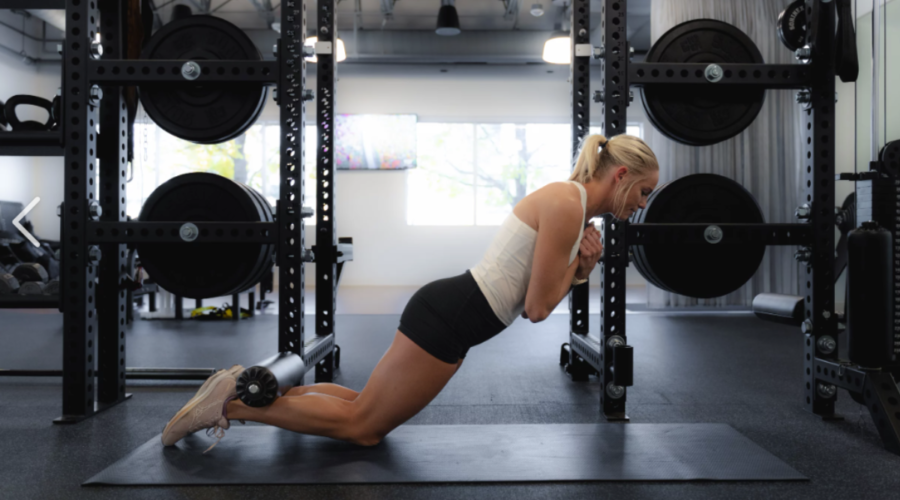
The Nordic curl, sometimes called the Nordic hamstring curl, is a bodyweight exercise that primarily targets the hamstrings. During the movement, your ankles are secured under a fixed object or held by a partner while you slowly lower your body toward the floor from a kneeling position. Your hamstrings work hard to resist gravity throughout the lowering phase.
Most people cannot initially complete the upward portion without assistance because the exercise places extremely high demands on the hamstrings. Beginners often use resistance bands, push off the floor with their hands, or perform only the lowering phase while gradually building strength.
How Much Should You Be Able to Bench Press?
Unlike many lower body exercises that involve the hips and knees moving together, the Nordic curl emphasizes knee flexion while the hips remain relatively extended. This creates a unique training stimulus that is difficult to replicate with conventional strength exercises.
Why the Nordic Curl Is So Challenging
The primary reason the Nordic curl feels so difficult is the enormous eccentric load placed on the hamstrings. Eccentric contractions occur when muscles lengthen while producing force. In this case, the hamstrings lengthen as they control the body’s descent toward the floor.
Research consistently shows that eccentric training produces high levels of muscle activation and can stimulate significant increases in strength and muscle growth. Eccentric exercise also appears particularly effective at improving the structural properties of muscle tissue and tendons.
Electromyography studies demonstrate extremely high hamstring activation during Nordic curls, often exceeding what is observed during many traditional leg exercises. This helps explain why athletes frequently experience muscle soreness after introducing the exercise.
Which Muscles Does the Nordic Curl Work?
The hamstrings receive the majority of the training stimulus. These muscles include the biceps femoris, semitendinosus, and semimembranosus.
The gastrocnemius muscles in the calves also contribute because they cross the knee joint and assist with knee flexion.
The gluteal muscles work isometrically to help maintain hip extension throughout the movement. The muscles of the core stabilize the trunk, preventing excessive spinal movement as the body lowers toward the ground.
Although the Nordic curl is not primarily a glute exercise or a core exercise, both muscle groups play an important supporting role during proper execution.
The Biggest Benefit: Hamstring Strength
Perhaps the strongest scientific support for Nordic curls comes from their ability to dramatically increase hamstring strength.
Multiple intervention studies have shown that incorporating Nordic curls into resistance training programs produces substantial improvements in eccentric hamstring strength. Stronger hamstrings improve athletic performance by helping control knee movement during sprinting, jumping, and rapid changes of direction.
Greater hamstring strength also contributes to better force absorption during landing and deceleration, both of which are essential in many field and court sports. For recreational lifters, stronger hamstrings improve overall lower body balance by reducing strength differences between the quadriceps and posterior chain.
Nordic Curls and Injury Prevention
One of the main reasons sports teams around the world use Nordic curls is their impressive record for reducing hamstring injuries. Hamstring strains remain among the most common injuries in sports involving sprinting, including soccer, rugby, football, and track and field. These injuries often recur, making prevention especially valuable.
Large systematic reviews and meta analyses have found that teams implementing Nordic hamstring exercise programs experience significantly fewer hamstring injuries compared with teams that do not perform the exercise. Some analyses report injury reductions approaching fifty percent.
Researchers believe several adaptations explain these protective effects. Nordic curls increase eccentric strength, improve fascicle length within the biceps femoris muscle, and enhance the muscle’s ability to tolerate high force while lengthening during sprinting.
These structural adaptations appear particularly important because shorter muscle fascicles have been associated with increased hamstring injury risk.
Can Nordic Curls Build Muscle?
Yes. Although the exercise is usually discussed in the context of injury prevention, it is also highly effective for muscle growth. Muscle hypertrophy depends largely on mechanical tension, sufficient training volume, and progressive overload. Nordic curls generate exceptionally high mechanical tension within the hamstrings because your muscles must control nearly your entire body weight.
Research comparing different resistance training methods suggests eccentric focused exercises can produce hypertrophy comparable to traditional weight training when sufficient effort and progression are present.
For many people, Nordic curls provide enough resistance that external weights are unnecessary for a long period. Advanced trainees can increase the challenge by wearing weight vests or holding weight plates against the chest.
Do Nordic Curls Improve Athletic Performance?
Improving hamstring strength is valuable, but athletes also want better speed, jumping ability, and power. The evidence is encouraging but somewhat mixed. Several studies report improvements in sprint performance after Nordic hamstring training, particularly over longer sprint distances where hamstring function becomes increasingly important. Stronger hamstrings help generate force during the late swing phase of sprinting while also preparing the leg for powerful ground contact.
However, Nordic curls should not replace sprint training itself. Sprint performance depends on multiple physical qualities, including technique, coordination, power, and overall strength. The Nordic curl should instead be viewed as one valuable component of a comprehensive athletic development program.
Are Nordic Curls Better Than Romanian Deadlifts?
This question comes up frequently because both exercises target the hamstrings. The answer depends on your objective.
Romanian deadlifts emphasize hip extension while training the hamstrings in conjunction with the glutes and lower back. They allow progressive loading with barbells or dumbbells and develop overall posterior chain strength. Nordic curls emphasize knee flexion and eccentric hamstring strength while placing relatively little stress on the lower back.
Scientific comparisons suggest both exercises activate the hamstrings effectively, although they challenge the muscles differently because of the distinct joint actions involved. For complete hamstring development, many strength coaches recommend including both exercises rather than choosing one over the other.
Who Should Consider Nordic Curls?
The exercise offers clear advantages for several groups. Athletes participating in sprint based sports may benefit the most because of the strong evidence supporting hamstring injury prevention. Weightlifters and CrossFit athletes can use Nordic curls to strengthen the posterior chain while balancing the heavy emphasis many training programs place on quadriceps dominant exercises.
Recreational lifters seeking better hamstring development may also find Nordic curls extremely effective, especially if they struggle to fully activate their hamstrings during conventional lower body training. Older adults may benefit from eccentric strength training as part of supervised resistance exercise programs. However, the standard Nordic curl is often too demanding initially and should be modified appropriately.
Who Might Want a Different Exercise?
Despite its impressive benefits, the Nordic curl is not ideal for everyone. Complete beginners often lack sufficient eccentric hamstring strength to control the movement safely. Starting with machine based leg curls, Romanian deadlifts, or assisted Nordic variations may be more appropriate.
Individuals recovering from acute hamstring injuries should follow guidance from qualified healthcare professionals before attempting the exercise because the high eccentric forces can overload healing tissue if introduced too early. People with significant knee discomfort while kneeling may also find the exercise uncomfortable unless adequate padding or modified positions are used.
How to Progress the Nordic Curl
One of the biggest mistakes people make is attempting full repetitions immediately. A gradual progression allows the muscles and tendons to adapt while minimizing excessive soreness.
Many coaches begin with assisted eccentric repetitions. Resistance bands attached in front of the body reduce the effective load and help control the descent. Another option involves lowering slowly before catching yourself with your hands and pushing lightly off the floor to return to the starting position.
As strength improves, assistance can gradually decrease until full repetitions become possible. Eventually, advanced lifters may perform slower eccentric phases, increase repetition volume, or add external resistance.
Common Mistakes
Proper technique determines both effectiveness and safety. Many people bend excessively at the hips instead of maintaining a relatively straight line from the shoulders through the knees. This reduces hamstring loading and shifts stress elsewhere.
Another common mistake involves dropping rapidly rather than controlling the descent. The eccentric lowering phase provides much of the exercise’s benefit, so maintaining control is essential.
Using excessive momentum during the upward phase also decreases muscle tension. When assistance is needed, it should be just enough to complete the movement while allowing the hamstrings to perform most of the work.
The Verdict: Is the Nordic Curl the Perfect Lower Body Exercise for You?
The Nordic curl is undoubtedly one of the most effective exercises for developing eccentric hamstring strength. Scientific evidence strongly supports its ability to increase strength, stimulate muscle growth, improve hamstring architecture, and significantly reduce the risk of hamstring strains in athletic populations.
At the same time, no single exercise can meet every lower body training goal. The Nordic curl does not replace squats, deadlifts, lunges, or hip hinge exercises because each movement develops different aspects of lower body performance. For athletes, especially those involved in sprinting and change of direction sports, the Nordic curl deserves serious consideration because of its remarkable evidence for injury prevention. For general lifters, it can be an outstanding accessory exercise that strengthens an often neglected muscle group.
If you are willing to progress gradually, focus on proper technique, and recover appropriately between sessions, the Nordic curl may become one of the most valuable additions to your lower body training. It may not be the perfect exercise for everyone, but for building stronger, more resilient hamstrings, few exercises have stronger scientific support.
Key Takeaways
| Topic | Key Point |
|---|---|
| Primary benefit | Nordic curls build exceptional eccentric hamstring strength. |
| Injury prevention | Strong scientific evidence shows they reduce hamstring strain risk in athletes. |
| Muscle growth | High mechanical tension makes them effective for hamstring hypertrophy. |
| Athletic performance | They support sprint performance but should complement, not replace, sport specific training. |
| Best users | Athletes, strength trainees, and people seeking stronger hamstrings benefit most. |
| Limitations | Beginners and those recovering from injury often need modified versions first. |
| Training frequency | One to three sessions per week is sufficient for most people. |
| Overall verdict | The Nordic curl is one of the best hamstring exercises available, but it works best as part of a balanced lower body program. |
References
- Alonso Fernández, D., Boullosa, D., Sampedro, J. and Sillero Quintana, M. (2018) ‘Effects of Nordic Hamstring Exercise on Strength, Jumping and Sprinting Performance: A Systematic Review’, Journal of Sports Science and Medicine, 17(3), pp. 462 to 470.
- Bourne, M.N., Opar, D.A., Williams, M.D., Shield, A.J. and Timmins, R.G. (2017) ‘Eccentric Knee Flexor Strength and Risk of Hamstring Injuries in Sport’, Sports Medicine, 47(12), pp. 2665 to 2677.
- Franchi, M.V., Reeves, N.D. and Narici, M.V. (2017) ‘Skeletal Muscle Remodeling in Response to Eccentric vs Concentric Loading’, Frontiers in Physiology, 8, Article 447.
- Mjølsnes, R., Arnason, A., Østhagen, T., Raastad, T. and Bahr, R. (2004) ‘A 10 Week Randomized Trial Comparing Eccentric Versus Concentric Hamstring Strength Training in Well Trained Soccer Players’, Scandinavian Journal of Medicine and Science in Sports, 14(5), pp. 311 to 317.
- Opar, D.A., Williams, M.D. and Shield, A.J. (2012) ‘Hamstring Strain Injuries: Factors That Lead to Injury and Re Injury’, Sports Medicine, 42(3), pp. 209 to 226.
- Presland, J.D., Timmins, R.G., Bourne, M.N., Williams, M.D., Opar, D.A. and Shield, A.J. (2018) ‘The Effect of Nordic Hamstring Exercise Training Volume on Eccentric Knee Flexor Strength and Muscle Architecture Adaptations’, Journal of Science and Medicine in Sport, 21(12), pp. 1207 to 1213.