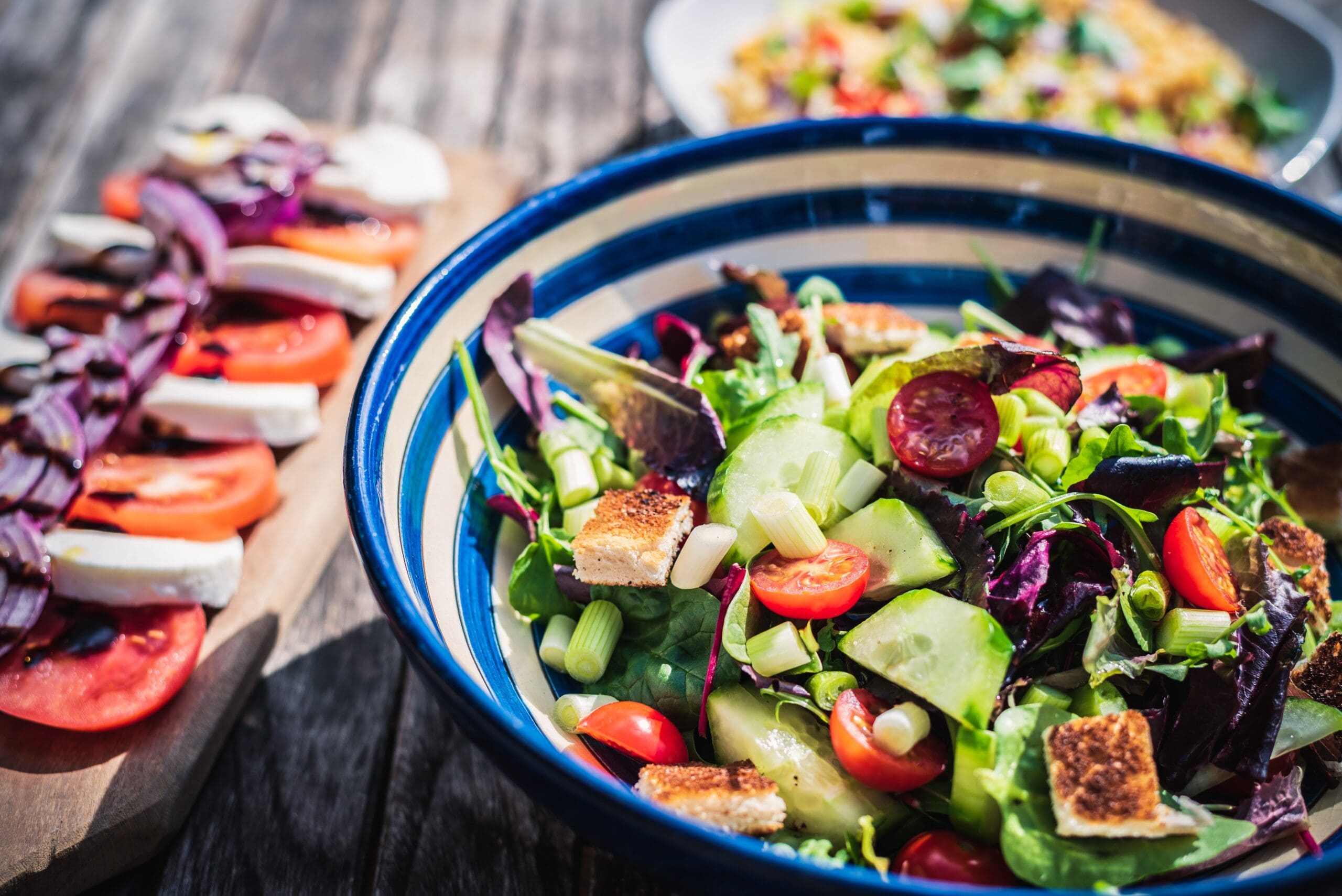


The Mediterranean diet is one of the best diets out there! It focuses on eating fresh ingredients, tons of fibre, and less red meat and processed foods. This type of nourishment is super delicious but still abundant in vitamins, minerals, protein, healthy fats, and whole grains—it must be good, right? We can see flashy headlines everywhere that say the Mediterranean diet is so good for longevity, but let’s see why.
What Is The Mediterranean Diet?
Based on traditional foods eaten by people living around the Mediterranean Sea, the Mediterranean diet is classed as one of the healthiest in the world. The food in this eating regime is full of nutrient-rich options such as fruits, vegetables, whole grains, fish and olive oil.


IT WAS POPULARISED BECAUSE MEDITERRANEAN PEOPLE ARE KNOWN FOR THEIR LONGEVITY, RELATIVE LOW RATES OF HEART DISEASE, AND STAYING HEALTHY EVEN IN THE LATER STAGES OF LIFE.
It is a great option for people looking for a sustainable approach to their nutrition, something they can follow long-term, as it is not a diet plan in the conventional sense, but rather an eating (and lifestyle) habit. The Mediterranean diet pyramid includes being physically active and enjoying time with others at its base.
The Mediterranean diet is characterised by a high intake of olive oil, fruits, nuts, vegetables, and cereals, a moderate intake of fish and poultry, and a low consumption of red meats, dairy products, and sweets.

The diet provides vitamins, minerals, fibre, and a healthy combination of carbohydrates, fats and protein. It’s also been praised for being mostly non-restrictive, which makes adherence a lot easier for many, and including lifestyle factors in its recommendations.
Balances Blood Sugar Levels
Mediterranean diet is one of the best ones to follow if you have high blood sugar levels and/or insulin resistance. Diabetes Type 2 is a plague of a new age and it is directly connected with a diet. Blood sugar spikes every time heavily processed, sugary, high-carb, and empty-calorie food is taken, so imagine if you eat mostly like that.
On the other hand, the Mediterranean diet does not cut off carbs at all but rather offers more nutritional options. The main focus is on whole grains, so you still can eat bread, pasta, rice, and oats, but prepared with better quality ingredients.
These ingredients are full of fibre which is proven to have a positive effect in both balancing blood sugar levels and insulin sensitivity. That’s because complex carbohydrates break down gradually and prevent abrupt sugar and insulin spikes.
Fresh vegetables, berries, citruses, and nuts are the main focus of the Mediterranean diet and that’s the exact food that lowers blood sugar and stabilizes insulin.
Diabetes increases the risk of cardiovascular diseases, decreases quality of life, and has many other negative effects that cause shorter life expectancy.
Reduces Stress
Stress is one of the main provoking factors for different mental and physical diseases nowadays. Food plays a huge role in managing stress, so there are two extremes: binge eating and loss of appetite. Thus, having a balanced diet, abundant in vitamins and minerals improves general mood.

Foods like leafy greens, fish, seafood, nuts, and herbs have a positive impact on stress levels, due to omega-3s, magnesium, antioxidants, and many more nutrients in their compositions.
It is important to note, that this diet doesn’t require counting calories, weighing food, or restricting any large ingredient group. This is important because it doesn’t create additional stress, but promotes intuitive eating, which helps to create a better relationship with food. Eating shouldn’t provoke stress, but be an enjoyable and bonding moment with our body.
The Mediterranean diet will definitely help you to build better relationships with food because it accentuates both the preparation process and enjoyment of sharing food. It is not about eating your feelings, but about living in the moment and appreciating small things, like dining with your family and friends.
7 Foods That Cause Inflammation – Keep Away From These
Promotes Weight Loss
Body weight plays a huge role in increasing longevity, as it causes many conditions like insulin resistance, inflammations, hormonal disbalance, and many other different health conditions. Restrictive diet culture is, unfortunately, a huge deal nowadays, that promotes unhealthy ways of quick weight loss.
Luckily, the Mediterranean diet doesn’t fit in that frame! This diet doesn’t restrict any food groups, you can eat it all – from vegetables and fruit to starchy carbohydrates. The focus is on high-quality ingredient choices – fresh, seasonal fruit and veggies, fatty fish, and wholegrains.

Ingredients like these will keep you full for longer, and satisfy every taste bud, so you will rarely find yourself craving or binge eating low nutritional food. This diet breaks popular, but false statements like bananas, potatoes, or rice are bad for the weight loss process.
Besides their higher glycemic index, they are abundant in fibre, so they actually break down slowly and don’t have tons of calories. Fresh vegetables and fruit have low calorie counts but large volumes, so you can eat lots of food, but not lots of calories.
Fish, seafood, and poultry are all abundant in proteins, but, again, low in calories. The way of food prep is also super important, so this diet promotes healthier options, like cooking, steaming, roasting, and grilling.
Related: What Are the Minimum Steps You Should Walk Every Day for Health Benefits (Not 10K)
Mediterranean diet is sustainable for the long run, because it’s simple to follow and doesn’t require any fancy or super expensive ingredients. The focus is on eating seasonal, preferably locally produced food, with simple, and quality ingredients. It is amazing for maintaining a healthy body count and lifestyle, even after medical conditions or restrictive diets.
This diet encourages using no screen while eating, which makes you concentrate on the food and masticating. You will eat less food when consuming it consciously, as you’re developing more sense for flavors and textures.
Improves Brain Function
There are many studies that explore the relationship between food and cognitive abilities. It is proven that ingredients rich in omega-3 fatty acids, vitamins K, E, C, beta carotene, zinc, copper, magnesium, and many more nutrients are responsible for improving memory and brain function.
You will find all of these in fatty fish (salmon, sardines, herring, trout, tuna), nuts (walnuts especially), blueberries, broccoli, oranges, pumpkin seeds… Obviously, those ingredients are staples in the Mediterranean diet. Let’s dive a tad deeper!
Studies show that people who consume more vegetables, fruits, nuts, legumes, omega-3s, and olive oil have less risk of developing Alzheimer’s disease and dementia. This doesn’t mean cutting off red meat or dairy completely but consuming them moderately. For example, eating fish several times a week, but red meat once is a way to go.
Also, the Mediterranean diet promotes very low alcohol consumption, but instead occasional glass of red wine. These facts show that this diet actually has an impact not only on longevity but life quality, as well.
Keeps the Heart Healthy
Mediterranean diet is a low-fat diet with reduced amounts of saturated and trans fat, as the main fat source is extra virgin olive oil. This is important because saturated fats trigger and raise LDL (bad cholesterol) in the blood. Raised levels of LDL intensify the risk of coronary system illnesses.

Red meats, butter, and dairy products contain the highest levels of saturated fats, hence they are limited in the Mediterranean diet. Of course, you don’t need to cut off those ingredients completely, but control your portions. The American Heart Association actually suggests taking less than 6% of saturated fats in daily calorie count
Let’s talk about trans fats a bit. They actually rocket bad cholesterol, while decreasing good cholesterol. You can find them in heavily processed and deep-fried foods, like fast food burgers, fries, pastries, chips, crackers…
Following this, risks of heart illness and stroke are higher amongst people who often have this kind of food on the menu. Research from 2021st showed that the Mediterranean diet slows the accumulation of fatty deposits in the arteries. The plaque causes carotid arteries to clog, disturbing the oxygen and nutrients passage to the brain.
When it comes to high blood pressure, there are some indications that this diet could help manage hypertension. High high-fat diet causes blood pressure to increase, so following that, this diet is completely opposite of that. It, actually, promotes the consumption of ingredients that naturally lower the BP, like nuts, seeds, citruses, legumes, berries, and more.
When it comes to protein sources, the focal point is on omega-3-rich food (fish and seafood), and poultry, but limited intake of red and processed meat, which evoke hypertension.
Another important fact is that the Mediterranean diet encourages flavoring foods with herbs and spices more than salt. A high-sodium diet skyrockets blood pressure levels, so using it moderately will always have a good impact on your coronary health.
Keeps the Gut Healthy
Dietary fibres are crucial for gut health, and the Mediterranean diet is abundant in them. The gastrointestinal system is rich in good bacteria which, actually, feed on fibre and maintain microorganisms’ cultures.
Foods with insoluble fibre, such as nuts, leafy vegetables, cauliflower, and whole wheat encourage bowel movements, so they can help with constipation and irregular stools.
The Mediterranean diet is connected with bowel cancer. However, it decreases the risks of development by 11% because of an additional 10 grams of fibre daily. A typical Western diet includes about 19 grams of fibre per day, but this one reaches the amount of about 30 grams.
Conclusion: Mediterranean Diet Reduces Risks of Chronic Conditions

There is no ideal diet that fits everyone’s needs, but there are, indeed, high-quality ones. The Mediterranean diet is not restrictive and includes all food groups. If you consider it suitable for you, start by including more fresh, seasonal vegetables and fruit.
Reduce the consumption of red meat to once per week and include more fish and legumes. Opt for whole-grain bread and pasta, instead of fully processed, fatty pastries. Limit the alcohol, and sugary beverages and drink more water, about 3 liters per day.
Last but not least, try to enjoy more in eating, cooking, and sharing meals, because that will help to build healthy relationships with food.
Mediterranean diet is not a cure for any illness but can improve the quality of your life. Consider it as a prevention for coronary, gastrointestinal, and brain illnesses, not a medicine. High-quality, nutritionally rich ingredients are the focal point of this diet and an excellent starting place to change your habits.
Read More: How to Increase Your Metabolism