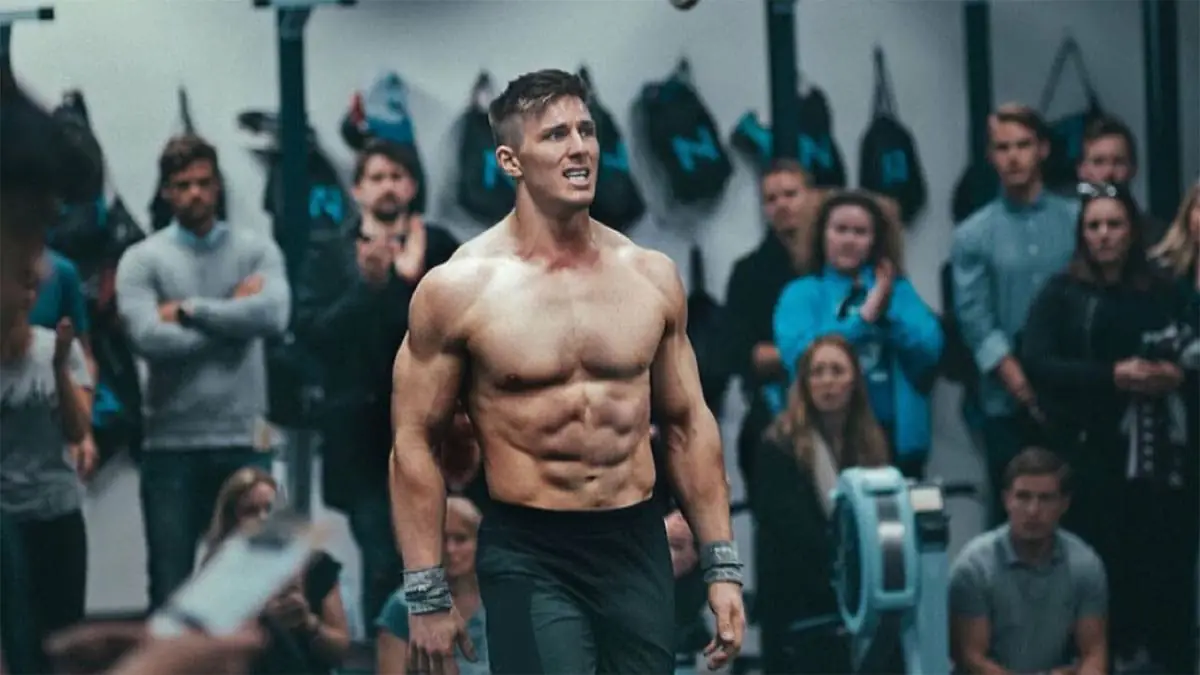


Looking more muscular is not always about adding months or years of hard training. While building actual muscle tissue requires consistency, progressive overload, and proper nutrition, there are ways to immediately enhance how muscular your body appears. These strategies are grounded in physiology, biomechanics, and visual perception rather than gimmicks.
This article breaks down two simple, science backed tricks that can instantly make you look more muscular. These are not illusions in the deceptive sense. Instead, they leverage how your body holds fluid, how muscles contract, and how posture influences perceived size and symmetry.


Trick 1: Use a Targeted Muscle Pump
What Is a Muscle Pump
A muscle pump occurs when blood rapidly fills working muscles during resistance exercise. This is driven by increased blood flow, metabolic stress, and cellular swelling. The result is a temporary increase in muscle size and firmness.
When you perform repetitions, especially in moderate to high rep ranges, your muscles accumulate metabolites such as lactate and hydrogen ions. This creates an osmotic effect that draws water into muscle cells, increasing their volume.
The pump effect can increase muscle thickness and circumference significantly in the short term. Studies have shown that resistance exercise can cause measurable increases in muscle size immediately after training due to fluid shifts and vascular changes.
Why the Pump Makes You Look Bigger
There are three main reasons why a pump enhances muscular appearance: First, increased blood volume expands muscle fibers. This creates a fuller, rounder look. Second, the skin becomes tighter against the muscle due to swelling, which improves definition. Third, veins become more visible due to increased blood flow and vascular pressure, enhancing the perception of leanness and muscularity.
Cellular swelling itself has also been linked to anabolic signaling pathways, meaning that the pump is not just cosmetic but also plays a role in muscle growth over time.
How to Create an Effective Pump Quickly
You do not need a full workout to achieve a pump. A short, targeted session can produce noticeable results within 10 to 15 minutes. Focus on:
- Moderate to high repetitions between 10 and 20 reps
- Short rest periods of 30 to 60 seconds
- Controlled tempo with strong contractions
- Exercises that isolate key visual muscle groups
Best Muscle Groups to Pump for Visual Impact
Not all muscles contribute equally to how muscular you look. Focus on areas that enhance width, thickness, and proportion.
Shoulders
The deltoids create the illusion of broader shoulders and a narrower waist. This is known as the V taper. Effective exercises include:
- Lateral raises
- Front raises
- Rear delt flyes
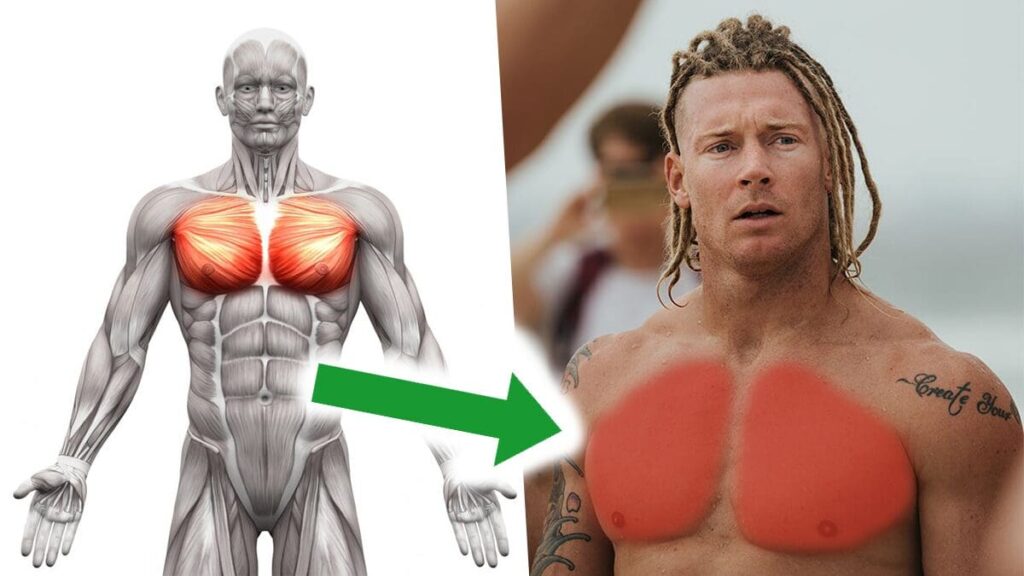
Chest
A full chest adds depth and presence to your upper body. Effective exercises include:
- Push ups
- Dumbbell presses
- Cable flyes
Arms
Arms are often the most visible muscles and respond quickly to a pump. Effective exercises include:
- Bicep curls
- Tricep pushdowns
- Dips
Back
The lats contribute to width and make your torso look larger. Effective exercises include:
- Pull ups
- Lat pulldowns
- Resistance band rows
Sample 10 Minute Pump Routine
Perform this circuit with minimal rest:
- Push ups for 15 to 20 reps
- Lateral raises for 15 reps
- Bicep curls for 12 to 15 reps
- Tricep extensions for 12 to 15 reps
- Band rows for 15 reps
Repeat for 2 to 3 rounds.
The Science Behind the Pump
Research shows that resistance exercise increases muscle thickness immediately after training due to fluid accumulation and blood flow. This effect is temporary but significant.
Cell swelling has also been shown to act as a signal for muscle growth by reducing protein breakdown and increasing protein synthesis. This means the pump is not just cosmetic but biologically meaningful. Additionally, nitric oxide production increases during exercise, which enhances vasodilation and blood flow to muscles. This further amplifies the pump effect.
Hydration and Carbohydrates Enhance the Pump
Your ability to achieve a strong pump depends heavily on hydration and glycogen levels. Muscle glycogen binds water at a ratio of approximately three grams of water per gram of glycogen. This means that well fueled muscles appear fuller and larger.
To maximize the pump:
- Stay well hydrated throughout the day
- Consume carbohydrates before training
- Include sodium to support fluid balance and muscle contractions
Low carbohydrate intake can reduce muscle fullness and make you look flatter, even if you are lean.
Timing Matters
The pump effect peaks shortly after exercise and can last for up to an hour depending on intensity and individual factors. This is why athletes often perform pump up routines before competitions or photos.
Trick 2: Improve Your Posture and Body Positioning
Why Posture Changes Your Appearance Instantly
Posture has a dramatic effect on how muscular you appear. Even well developed muscles can look less impressive if posture is poor. Slouching reduces chest expansion, rounds the shoulders forward, and compresses the torso. This makes the body appear smaller and less defined. In contrast, proper posture enhances muscle visibility, improves symmetry, and creates the illusion of greater size.
The Science of Posture and Muscle Activation
Posture is controlled by a combination of skeletal alignment and muscular activation. When you stand upright with proper alignment, key muscles are engaged more effectively. These include:
- The upper back muscles
- The core
- The glutes
Research shows that improved posture increases muscle activation in stabilizing muscles, which enhances overall appearance and performance. Additionally, posture affects how light interacts with your body, influencing shadows and highlights that define muscle shape.
Key Elements of a Muscular Posture
To instantly look more muscular, focus on these cues:
Chest Up
Lift your chest slightly without overextending your lower back. This expands the rib cage and makes the torso appear larger.
Shoulders Back and Down
Pull your shoulders back and slightly down. This opens the chest and emphasizes shoulder width.
Neutral Spine
Maintain a natural curve in your spine. Avoid excessive arching or rounding.
Tight Core
Engage your abdominal muscles gently. This creates a flatter midsection and enhances the V taper.
Glutes Engaged
Slightly contract your glutes to support pelvic alignment and improve posture.
Head Position
Keep your head neutral with your chin slightly tucked. This improves overall alignment and presence.
How Posture Affects Perceived Size
Studies in visual perception show that body alignment influences how size and shape are interpreted. Upright posture increases perceived dominance and physical presence. In addition, expanding the chest and shoulders increases the visual width of the upper body, which is strongly associated with muscularity.
Even small changes in posture can significantly alter how others perceive your physique.
Practical Posture Drill
Stand in front of a mirror and follow these steps:
- Take a deep breath and lift your chest
- Pull your shoulders back and down
- Engage your core lightly
- Stand tall with your head aligned
Hold this position for 20 to 30 seconds and relax. Repeat several times to build awareness.
Combine Posture with Breathing
Breathing patterns also influence posture and appearance. Deep diaphragmatic breathing expands the torso and improves stability. Avoid shallow chest breathing, which can reinforce poor posture.
Clothing and Posture Interaction
Posture works even better when combined with well fitting clothing. Clothes that fit properly around the shoulders and chest highlight muscularity, while poor posture can make even good clothing look unflattering.
The Role of Confidence
Confidence is closely linked to posture. Standing tall not only changes how others see you but also how you feel. Research in psychology shows that upright posture can improve mood and perceived confidence, which further enhances overall presence.
Combining Both Tricks for Maximum Effect
The Immediate Transformation Strategy
To instantly look more muscular, combine a short pump session with improved posture. Here is a simple sequence:
- Perform a 10 minute pump routine targeting shoulders, chest, and arms
- Hydrate and consume a small carbohydrate snack if possible
- Stand with proper posture and maintain muscle engagement
The result is fuller muscles, better definition, and a more powerful stance.
Why This Combination Works
The pump increases actual muscle size temporarily, while posture optimizes how that size is displayed. Together, they enhance both physical and visual factors that contribute to muscular appearance.
Real World Applications
This strategy is useful for:
- Photoshoots
- Social events
- Beach outings
- Fitness presentations
It is also a great way to boost confidence before important situations.
Common Mistakes to Avoid
Overdoing the Pump
Excessive training can lead to fatigue and reduced muscle performance. Keep pump sessions short and focused.
Ignoring Hydration
Dehydration reduces blood volume and muscle fullness. Always stay hydrated.
Poor Technique
Using improper form reduces muscle activation and increases injury risk.
Overarching the Lower Back
Trying to stand tall by excessively arching your back can lead to discomfort and poor alignment.
Neglecting Lower Body
While upper body muscles are more visible, overall balance matters. Do not ignore leg training in the long term.
Long Term Perspective
These tricks provide immediate visual improvements, but they do not replace proper training and nutrition. Building real muscle requires:
- Progressive resistance training
- Adequate protein intake
- Sufficient recovery
- Consistency over time
However, understanding how to enhance your appearance instantly can complement your long term efforts.
Conclusion
Looking more muscular instantly is not about shortcuts or deception. It is about understanding how your body works and using that knowledge effectively.
A targeted muscle pump increases muscle size through blood flow and cellular swelling. Improved posture enhances how that size is perceived by optimizing alignment and muscle visibility.
These two simple strategies are backed by science and used by professionals across the fitness world. When combined, they create a powerful and immediate transformation. Master them, and you will always be able to present your physique at its best.
Key Takeaways
| Concept | What to Do | Why It Works |
|---|---|---|
| Muscle Pump | Perform short high rep resistance exercises | Increases blood flow and muscle size temporarily |
| Hydration and Carbs | Drink water and consume carbohydrates | Enhances muscle fullness through glycogen storage |
| Posture | Stand tall with chest up and shoulders back | Improves muscle visibility and perceived size |
| Target Muscles | Focus on shoulders, chest, arms, and back | Maximizes visual impact |
| Combination Strategy | Pump muscles and fix posture together | Enhances both actual size and appearance |
References
- Schoenfeld, B.J. (2013). Potential mechanisms for a role of metabolic stress in hypertrophic adaptations to resistance training. Sports Medicine, 43(3), pp.179 to 194.
- Loenneke, J.P., Fahs, C.A., Rossow, L.M., Abe, T. and Bemben, M.G. (2012). The anabolic benefits of venous blood flow restriction training may be induced by muscle cell swelling. Medical Hypotheses, 78(1), pp.151 to 154.
- Wernbom, M., Augustsson, J. and Thomeé, R. (2007). The influence of frequency, intensity, volume and mode of strength training on whole muscle cross sectional area in humans. Sports Medicine, 37(3), pp.225 to 264.
- Morton, R.W., McGlory, C. and Phillips, S.M. (2015). Nutritional interventions to augment resistance training induced skeletal muscle hypertrophy. Frontiers in Physiology, 6, p.245.
- Burd, N.A., West, D.W., Staples, A.W., Atherton, P.J., Baker, J.M., Moore, D.R., Holwerda, A.M., Parise, G., Rennie, M.J., Baker, S.K. and Phillips, S.M. (2010). Low load high volume resistance exercise stimulates muscle protein synthesis more than high load low volume resistance exercise. PLoS One, 5(8), e12033.