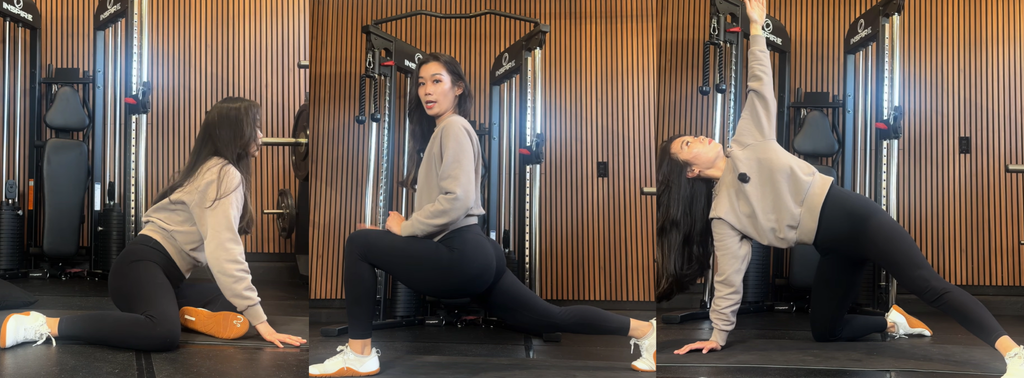
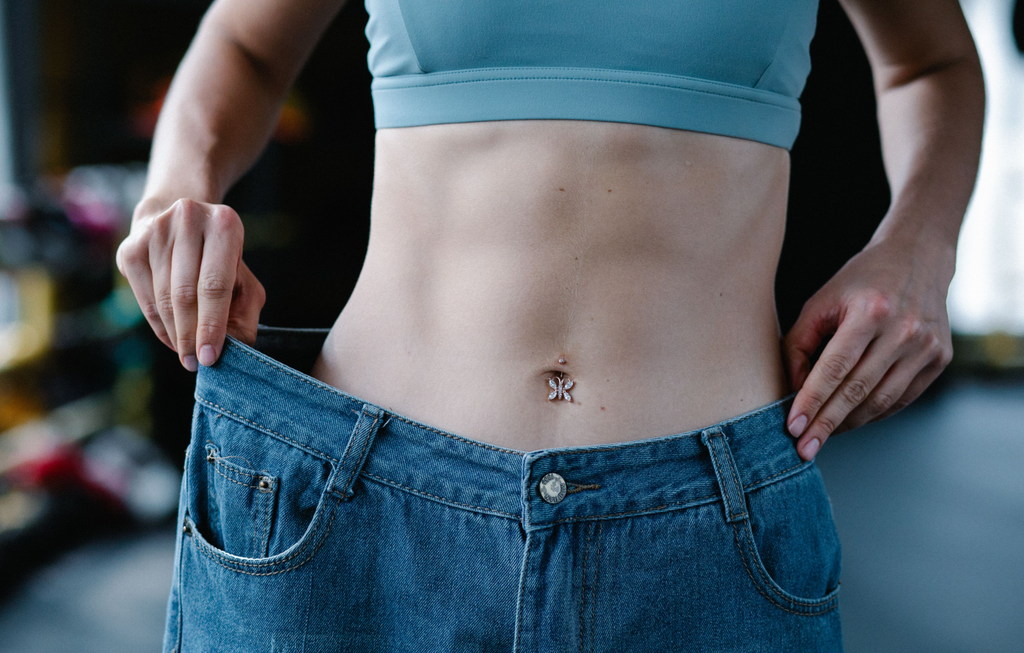
Getting below 20 percent body fat is a meaningful milestone for both health and performance. For men, it often marks the transition from average to lean. For women, it represents a strong and athletic physique. While the word “quickly” often leads people toward extreme diets or unsustainable training plans, the reality is that the fastest results come from methods that are efficient, evidence based, and repeatable.
This guide breaks down five scientifically grounded steps that will help you reduce body fat efficiently without sacrificing muscle, performance, or long term health. The focus is on methods that are proven to work, not trends or shortcuts.


Understanding Body Fat Loss Before You Start
Before jumping into the steps, it is important to understand what fat loss actually involves. Body fat decreases when your body uses more energy than it takes in over time. This is known as a calorie deficit. However, the quality of that deficit and how it is achieved matters greatly.
Losing fat while maintaining muscle requires a combination of resistance training, adequate protein intake, and a controlled energy deficit. Without these, weight loss often leads to muscle loss, which slows metabolism and worsens body composition.
Why 20 Percent Body Fat Matters
Reaching below 20 percent body fat is associated with improvements in metabolic health, insulin sensitivity, and cardiovascular markers. Research shows that lower body fat levels are linked to reduced risk of chronic diseases such as type 2 diabetes and heart disease.

At this level, physical performance also tends to improve. Carrying less excess weight allows for better movement efficiency, endurance, and strength relative to body weight.
Step 1: Create a Moderate Calorie Deficit That You Can Sustain
The foundation of fat loss is a calorie deficit. However, more aggressive is not always better. A moderate deficit allows you to lose fat quickly while maintaining muscle and performance.
How Big Should Your Deficit Be
A deficit of about 300 to 700 calories per day is generally effective for most people. This range supports steady fat loss of about 0.5 to 1 percent of body weight per week, which research identifies as an optimal rate for preserving lean mass.
Very large deficits may lead to faster weight loss initially, but they increase the risk of muscle loss, hormonal disruption, and reduced adherence.
Why Consistency Beats Aggression
Consistency is the most important factor. Studies on weight loss show that adherence to a plan predicts success more strongly than the size of the calorie deficit.
Instead of extreme dieting, focus on building a routine you can follow daily. This includes regular meals, balanced macronutrients, and manageable portion sizes.
Practical Tips
- Track your food intake for at least two weeks to understand your baseline
- Reduce calorie intake gradually rather than drastically
- Focus on whole foods that keep you full such as lean proteins, vegetables, and whole grains
- Avoid liquid calories that add energy without satiety
Step 2: Prioritize High Protein Intake to Preserve Muscle
Protein is the most important macronutrient when it comes to fat loss. It helps maintain muscle mass, increases satiety, and slightly boosts calorie expenditure through digestion.
How Much Protein Do You Need
Research consistently shows that protein intake of 1.6 to 2.4 grams per kilogram of body weight per day is optimal during fat loss. Higher protein diets are associated with better preservation of lean mass and greater fat loss.

The Thermic Effect of Protein
Protein has a higher thermic effect than carbohydrates or fats. This means your body burns more calories digesting protein. Studies estimate that about 20 to 30 percent of protein calories are used during digestion, compared to about 5 to 10 percent for carbohydrates and 0 to 3 percent for fats.
Appetite Control and Cravings
Protein is highly satiating. Increasing protein intake reduces hunger hormones and helps control cravings. This makes it easier to maintain a calorie deficit without feeling deprived.
Practical Tips
- Include a protein source in every meal
- Aim for at least 25 to 40 grams of protein per meal
- Choose lean sources such as chicken, fish, eggs, Greek yogurt, and legumes
- Use protein supplements if needed for convenience
Step 3: Lift Weights to Maintain and Build Lean Muscle
Resistance training is essential for preserving muscle while losing fat. Without it, a significant portion of weight loss can come from muscle tissue.
Why Strength Training Matters
Muscle tissue is metabolically active and contributes to overall energy expenditure. Maintaining muscle helps prevent the drop in metabolism that often occurs during dieting.
Studies show that individuals who combine resistance training with a calorie deficit lose more fat and retain more muscle compared to those who only perform cardio.
Training Frequency and Structure
Training three to five times per week is effective for most people. Focus on compound movements that work multiple muscle groups, such as squats, deadlifts, presses, and rows.
Progressive overload is key. This means gradually increasing the weight, repetitions, or intensity over time to continue stimulating muscle.
Practical Tips
- Train each major muscle group at least twice per week
- Use moderate to heavy weights with controlled form
- Keep workouts efficient, around 45 to 75 minutes
- Track your progress to ensure you are improving
Step 4: Use Cardio Strategically for Additional Fat Loss
Cardio is a useful tool for increasing calorie expenditure, but it should support your plan rather than dominate it.
The Role of Cardio in Fat Loss
Cardio helps create a larger calorie deficit without reducing food intake further. It also improves cardiovascular health and endurance.
Both steady state cardio and high intensity interval training can be effective. Research suggests that interval training may produce similar fat loss results in less time.
Finding the Right Balance
Too much cardio can interfere with recovery and muscle retention. The goal is to use cardio to complement your strength training, not replace it.
Practical Tips
- Start with two to four sessions per week
- Combine moderate intensity sessions with occasional high intensity intervals
- Keep sessions between 20 and 40 minutes
- Adjust based on your recovery and energy levels
Step 5: Optimize Sleep, Stress, and Recovery
Fat loss is not just about diet and exercise. Sleep and stress management play a major role in your ability to lose body fat efficiently.
The Impact of Sleep on Fat Loss
Sleep deprivation affects hormones that regulate hunger and metabolism. Lack of sleep increases ghrelin, which stimulates appetite, and decreases leptin, which signals fullness.

Research shows that individuals who are sleep deprived lose less fat and more muscle during a calorie deficit compared to those who get adequate sleep.
Stress and Cortisol
Chronic stress leads to elevated cortisol levels. High cortisol is associated with increased fat storage, especially in the abdominal area, and can make fat loss more difficult.
Recovery and Performance
Proper recovery allows you to train harder and maintain consistency. Without it, fatigue accumulates and performance declines.
Practical Tips
- Aim for seven to nine hours of sleep per night
- Maintain a consistent sleep schedule
- Use relaxation techniques such as deep breathing or meditation
- Avoid excessive caffeine late in the day
Putting It All Together
The fastest way to drop below 20 percent body fat is not through extreme measures but through efficient and consistent application of proven strategies.
Combine a moderate calorie deficit with high protein intake, structured resistance training, and strategic cardio. Support these with proper sleep and stress management.
Example Weekly Structure
- Strength training four days per week
- Cardio two to three days per week
- One or two rest or active recovery days
- Daily focus on nutrition and protein intake
- Consistent sleep routine
Common Mistakes That Slow Down Fat Loss
Avoiding common pitfalls can significantly speed up your progress.
Eating Too Little
Severely restricting calories can backfire by reducing metabolism and increasing muscle loss.
Ignoring Protein
Low protein intake leads to muscle loss and increased hunger.
Overdoing Cardio
Excessive cardio can impair recovery and reduce strength training performance.
Inconsistent Habits
Skipping workouts or deviating from your nutrition plan frequently slows progress.
How Long Does It Take to Reach Below 20 Percent
The timeline depends on your starting point. For someone at 25 percent body fat, reaching below 20 percent may take 8 to 16 weeks with consistent effort.
Faster rates are possible, but they increase the risk of muscle loss and rebound weight gain.
Final Thoughts
Dropping below 20 percent body fat is achievable with the right approach. Focus on methods that are grounded in science and sustainable over time.
Quick results do not come from shortcuts but from doing the basics extremely well, every day.
References
- Areta, J.L. et al. (2013). Timing and distribution of protein ingestion during prolonged recovery from resistance exercise alters myofibrillar protein synthesis. The Journal of Physiology.
- Hall, K.D. et al. (2016). Energy balance and its components implications for body weight regulation. The American Journal of Clinical Nutrition.
- Helms, E.R. et al. (2014). Evidence based recommendations for natural bodybuilding contest preparation. Journal of the International Society of Sports Nutrition.
- Jakicic, J.M. et al. (2019). Physical activity and weight loss. Circulation.
- Leidy, H.J. et al. (2015). The role of protein in weight loss and maintenance. The American Journal of Clinical Nutrition.
- Morton, R.W. et al. (2018). A systematic review of protein supplementation and muscle mass. British Journal of Sports Medicine.
- Schoenfeld, B.J. et al. (2016). Effects of resistance training frequency on measures of muscle hypertrophy. Sports Medicine.