

Beta-alanine is one of the most researched and widely used performance supplements in sports nutrition. It has earned a strong reputation for improving muscular endurance, delaying fatigue, and enhancing performance during high intensity exercise. Yet despite its popularity, many athletes and gym-goers still use it incorrectly. That means leaving results on the table.
This article breaks down exactly how beta-alanine works, what the science actually says, and how to use it properly for maximum benefit.


What Is Beta-alanine?
Beta-alanine is a non essential amino acid. Unlike most amino acids, it is not used directly to build proteins. Instead, its primary role in the body is to combine with another amino acid called histidine to form carnosine.
Carnosine is stored in skeletal muscle and plays a critical role in buffering acid. During intense exercise, especially efforts lasting between 30 seconds and 10 minutes, hydrogen ions accumulate in muscle tissue. This drop in pH contributes to the burning sensation and eventual fatigue.

By increasing carnosine levels, beta-alanine helps neutralize this acid build up. The result is improved muscular endurance and the ability to sustain high intensity efforts for longer.
How Beta-alanine Works in the Body
The Carnosine Connection
The key to understanding beta-alanine lies in carnosine. Carnosine acts as an intracellular buffer, meaning it works inside muscle cells to maintain a stable pH during exercise.
Histidine is already abundant in muscle tissue, so beta-alanine becomes the limiting factor in carnosine synthesis. Supplementing with beta-alanine increases the availability of this limiting ingredient, leading to higher carnosine concentrations.
Research shows that supplementing with beta-alanine can increase muscle carnosine levels by up to 80 percent over several weeks. This increase is directly linked to improvements in exercise performance.
Buffering Fatigue
During high intensity exercise, energy production relies heavily on anaerobic metabolism. This process generates hydrogen ions, which lower pH and interfere with muscle contraction.
Carnosine buffers these ions, delaying the onset of fatigue. This is especially relevant for activities like:
- Sprinting
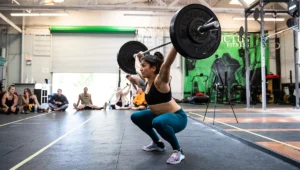
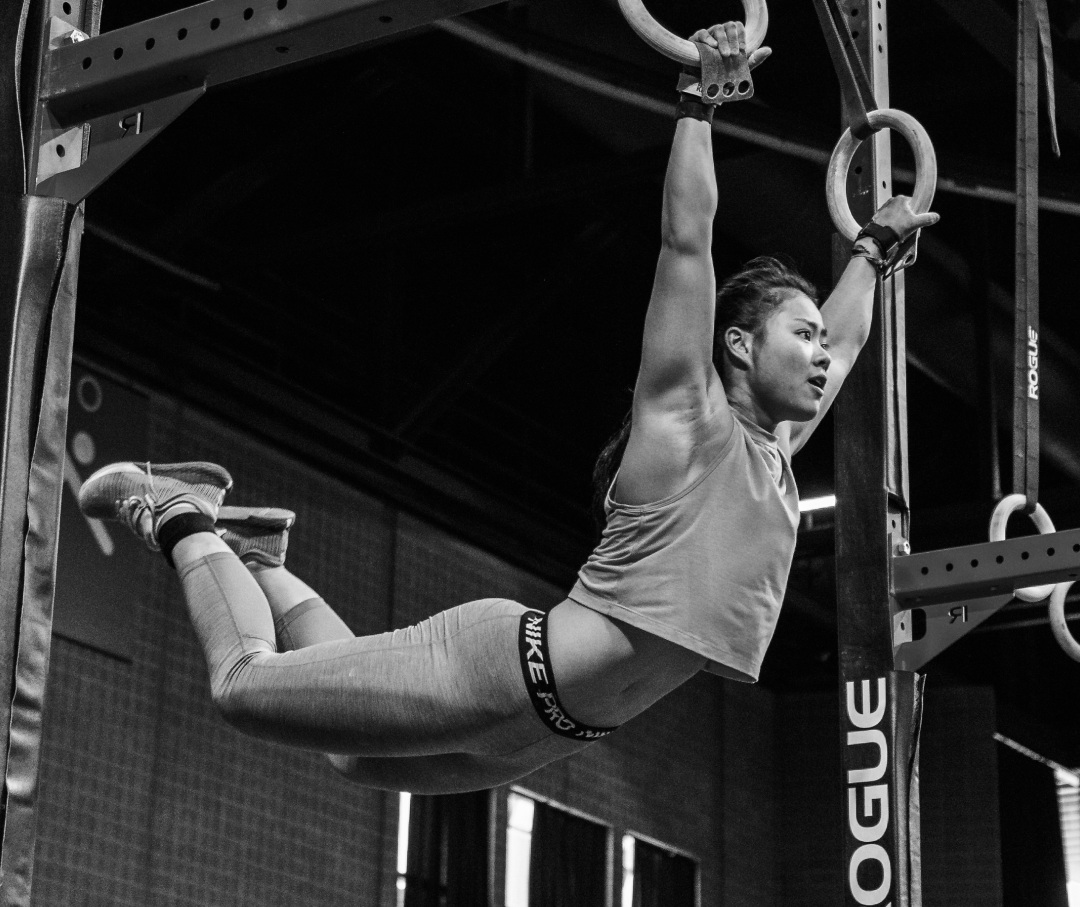
- CrossFit workouts
- High intensity interval training
- Rowing
- Combat sports
- Bodybuilding sets in the 8 to 20 rep range
What Does the Science Say?
Beta-alanine is one of the few supplements with strong and consistent evidence supporting its effectiveness.
Performance Improvements
Multiple meta analyses have shown that beta-alanine improves performance in exercises lasting between 60 seconds and 240 seconds. These are durations where acid accumulation is a major limiting factor.
Improvements are typically seen in:
- Total work output
- Time to exhaustion
- Repeated sprint performance
Short duration efforts under 30 seconds rely more on phosphocreatine and show less benefit. Very long endurance events are also less affected, although some benefit may still occur in surges or finishing sprints.
Strength and Muscle Growth
Beta-alanine is not a direct muscle building supplement. However, by increasing training volume and delaying fatigue, it can indirectly support hypertrophy.
Some studies have reported greater lean mass gains in resistance trained individuals using beta-alanine compared to placebo. These effects are likely due to increased training capacity rather than a direct anabolic mechanism.
High Level Evidence Summary
The strongest evidence supports beta-alanine for:
- High intensity efforts lasting 1 to 4 minutes
- Repeated bouts of intense exercise
- Sports requiring sustained power output
Are You Using Beta-alanine Correctly?
This is where most people go wrong. Beta-alanine is not like caffeine or pre workout stimulants. You do not take it for an immediate effect.
It Is Not an Acute Supplement
Taking beta-alanine right before a workout will not improve performance that same day. Its benefits come from chronic use and the gradual buildup of carnosine in muscle.
If you only take it occasionally or just before training, you are not getting the full benefit.
Correct Dosing Strategy
The most effective dosing strategy is:
- 3.2 to 6.4 grams per day
- Split into smaller doses throughout the day
Higher doses do not necessarily lead to faster results and may increase side effects.
Loading Phase
Unlike creatine, beta-alanine does not require a formal loading phase. However, consistent daily intake over several weeks acts as a functional loading period.
Most studies show that:
- Significant increases in carnosine occur after 4 weeks
- Peak levels may take 10 to 12 weeks
Maintenance
Once muscle carnosine levels are elevated, they decline slowly. Maintenance doses can be slightly lower, but regular intake is still needed to sustain benefits.
Timing: Does It Matter?
Timing is far less important than consistency. Beta-alanine does not need to be taken around workouts. It can be consumed at any time of day. That said, splitting doses with meals may help reduce side effects and improve adherence.
The Tingling Sensation: What Is It?
One of the most common side effects of beta-alanine is paresthesia. This is a tingling sensation often felt in the face, neck, or hands.
Is It Dangerous?
No. Paresthesia is harmless and temporary. It occurs because beta-alanine activates certain nerve receptors in the skin.
How to Reduce It
If the sensation is uncomfortable:
- Take smaller doses throughout the day
- Use sustained release formulations
- Avoid taking large single doses
It is important to understand that the tingling does not indicate effectiveness. You do not need to feel it for beta-alanine to work.
Who Benefits the Most?
Beta-alanine is not equally useful for everyone.
Ideal Users
- Athletes in high intensity sports
- CrossFit athletes
- Fighters and combat sport athletes
- Rowers and swimmers
- Strength athletes performing moderate to high rep sets
Less Benefit For
- Pure endurance athletes in steady state events
- Powerlifters focusing on single rep max lifts
- Casual gym-goers training at low intensity
Beta-alanine vs Creatine
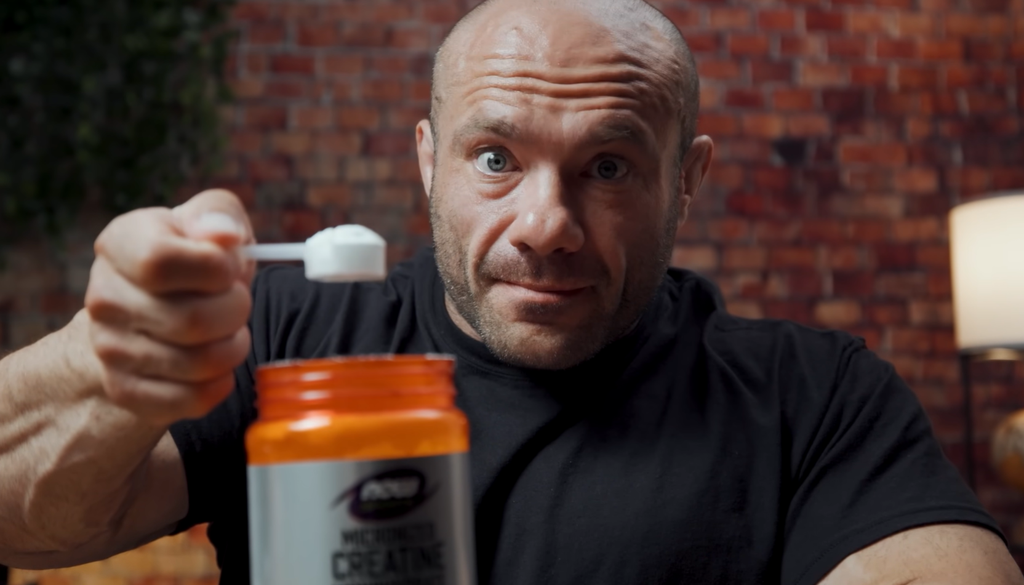
These two supplements are often compared, but they work in completely different ways. Creatine supports short duration, high power output by replenishing phosphocreatine. Beta-alanine supports longer high intensity efforts by buffering acid. Research suggests that combining both may provide additive benefits, especially in sports that require repeated bursts of effort.
Common Mistakes
Inconsistent Use
Skipping days or only taking beta-alanine occasionally will limit its effectiveness. Consistency is critical.
Expecting Immediate Results
Unlike caffeine, beta-alanine requires weeks to build up in muscle tissue. Expect gradual improvements.
Underdosing
Taking less than 3 grams per day may not be enough to significantly increase carnosine levels.
Overreliance
Beta-alanine is not a substitute for proper training and nutrition. It enhances performance but does not replace fundamentals.
Safety and Side Effects
Beta-alanine has been extensively studied and is considered safe for healthy individuals. Long term studies have not identified serious adverse effects when used within recommended doses. The main side effect remains paresthesia, which is harmless and manageable.
Practical Guide to Using Beta-alanine
To get the most out of beta-alanine, follow these guidelines:
- Take 3.2 to 6.4 grams daily
- Split into 2 to 4 doses
- Use consistently for at least 4 to 8 weeks
- Do not rely on pre workout timing
- Combine with structured training
Real World Application
Imagine a CrossFit athlete performing repeated high intensity workouts. Fatigue often builds rapidly due to acid accumulation. With higher muscle carnosine levels, that athlete can:
- Maintain higher output across rounds
- Recover faster between efforts
- Delay the onset of burning fatigue
Over time, this translates into better training quality and improved performance.
Final Thoughts
Beta-alanine is one of the few supplements that consistently delivers measurable performance benefits. The science is clear. It works, especially for high intensity exercise.
However, its effectiveness depends entirely on how you use it. It is not about timing or immediate effects. It is about consistent intake, proper dosing, and understanding its role in performance. If you are serious about improving your capacity for hard training, beta-alanine is a valuable tool. Just make sure you are using it correctly.
Key Takeaways
| Topic | Key Point |
|---|---|
| What it does | Increases muscle carnosine to buffer acid and delay fatigue |
| Best for | High intensity exercise lasting 1 to 4 minutes |
| Dosage | 3.2 to 6.4 grams per day |
| Timing | Not important, consistency matters most |
| Loading | No formal loading phase but requires weeks of use |
| Side effects | Tingling sensation is harmless |
| Who benefits | Athletes in high intensity and repeated effort sports |
| Common mistake | Taking it only before workouts |
References
- Artioli, G.G., Gualano, B., Smith, A., Stout, J. and Lancha, A.H. (2010). Role of beta-alanine supplementation on muscle carnosine and exercise performance. Medicine and Science in Sports and Exercise, 42(6), pp.1162-1173.
- Derave, W., Ozdemir, M.S., Harris, R.C., Pottier, A., Reyngoudt, H., Koppo, K., Wise, J.A. and Achten, E. (2007). Beta-alanine supplementation augments muscle carnosine content and attenuates fatigue during repeated isokinetic contraction bouts in trained sprinters. Journal of Applied Physiology, 103(5), pp.1736-1743.
- Hobson, R.M., Saunders, B., Ball, G., Harris, R.C. and Sale, C. (2012). Effects of beta-alanine supplementation on exercise performance. Amino Acids, 43(1), pp.25-37.
- Hill, C.A., Harris, R.C., Kim, H.J., Harris, B.D., Sale, C., Boobis, L.H., Kim, C.K. and Wise, J.A. (2007). Influence of beta-alanine supplementation on skeletal muscle carnosine concentrations and high intensity cycling capacity. Amino Acids, 32(2), pp.225-233.
- Saunders, B., Elliott-Sale, K., Artioli, G.G., Swinton, P.A., Dolan, E., Roschel, H., Sale, C. and Gualano, B. (2017). Beta-alanine supplementation to improve exercise capacity and performance. British Journal of Sports Medicine, 51(8), pp.658-669.