Building a muscular, lean physique is not just about lifting heavy weights. Nutrition is the foundation that supports muscle growth, recovery, and long term performance. If your diet is not aligned with your training goals, progress will stall. The right foods provide protein for muscle repair, carbohydrates for energy, and fats for hormonal balance.
This article breaks down ten of the most effective, science backed foods to help you build a jacked physique. Each food is selected based on its nutrient density, anabolic potential, and proven benefits in human research. You will also learn how and why these foods work, so you can apply the principles to your own diet.


What Makes a Food “Jacked-Friendly”
Before diving into the list, it helps to understand what separates average foods from those that actively support muscle growth.
Key Criteria
- High quality protein content with essential amino acids
- Adequate calorie density to support muscle gain
- Micronutrients that support recovery and hormone production
- Proven effects on strength, muscle mass, or performance

Muscle growth, also called hypertrophy, depends heavily on protein intake and resistance training. Research consistently shows that consuming enough protein stimulates muscle protein synthesis, the process that builds new muscle tissue.
1. Eggs
Eggs are one of the most complete and efficient muscle building foods available.
Why Eggs Work
Eggs contain all nine essential amino acids, making them a complete protein source. They are especially rich in leucine, a key amino acid that directly triggers muscle protein synthesis. Egg yolks also contain vitamins such as vitamin D and choline, both of which support hormone production and muscle function.
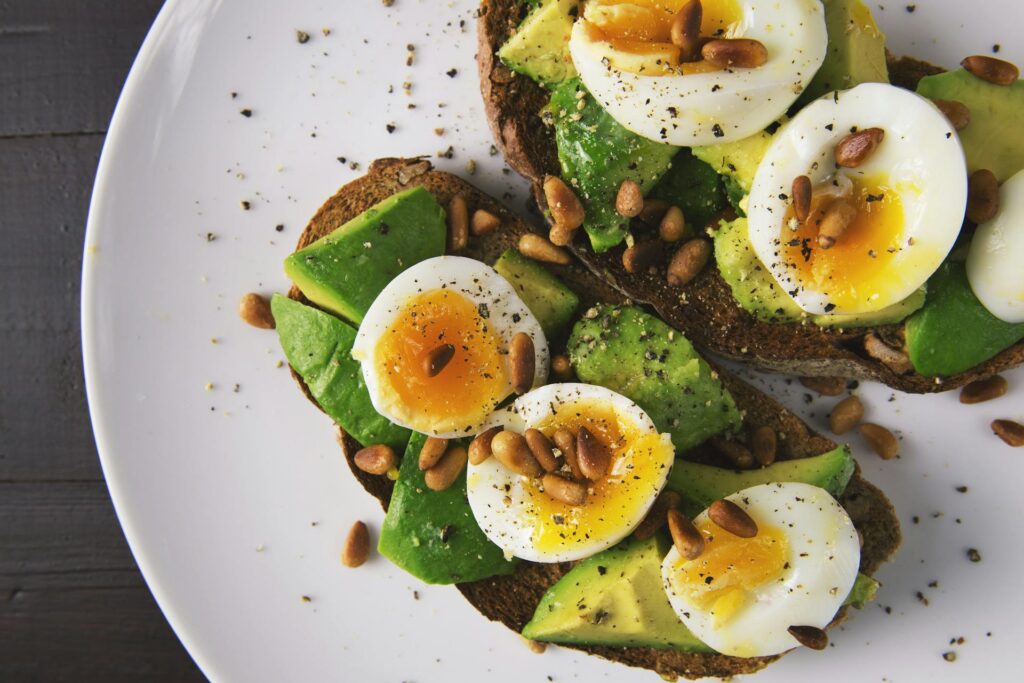
Research has shown that whole eggs stimulate greater muscle protein synthesis compared to egg whites alone, likely due to the additional nutrients found in the yolk.
How to Use Them
Eat whole eggs regularly, especially around training periods. They are easy to prepare and digest.
2. Chicken Breast
Chicken breast is a staple in nearly every muscle building diet.
Why Chicken Breast Works
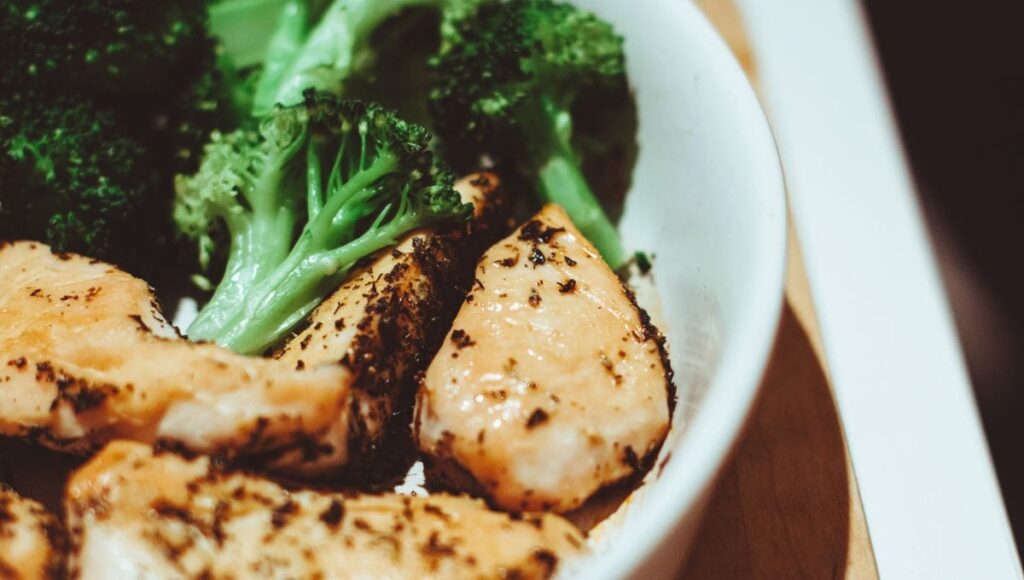
It is high in lean protein and low in fat, making it ideal for building muscle without excessive calorie intake. A single serving provides a large amount of protein with minimal extra calories. High protein diets have been shown to support muscle growth and improve body composition when combined with resistance training.
Best Practices
- Grill or bake instead of frying
- Pair with carbohydrates for better recovery
- Spread protein intake throughout the day
3. Salmon
Salmon provides both protein and healthy fats, making it uniquely valuable.
Why Salmon Works
Salmon is rich in omega 3 fatty acids, which have been shown to improve muscle protein synthesis and reduce inflammation. Chronic inflammation can impair recovery and limit muscle growth.
Omega 3 fats also support testosterone production and cardiovascular health.
Added Benefits
- Supports joint health
- Enhances recovery
- Improves insulin sensitivity
4. Lean Beef
Lean beef is one of the most nutrient dense muscle building foods.
Why Lean Beef Works
It contains high quality protein, creatine, iron, zinc, and B vitamins. Creatine is especially important because it improves strength and power output, allowing for more effective training sessions.
Iron supports oxygen transport in the blood, which improves endurance and recovery.
Key Point
Athletes who consume red meat in moderation often show improved strength and muscle mass compared to those who do not.
5. Greek Yogurt

Greek yogurt is a powerful combination of fast and slow digesting protein.
Why Greek Yogurt Works
It contains both whey and casein protein. Whey is quickly absorbed and ideal after training, while casein digests slowly and supports muscle repair over time. This dual effect makes Greek yogurt particularly effective for sustained muscle growth.
Additional Advantages
- High in calcium for bone strength
- Supports gut health through probiotics
6. Oats
Oats are an excellent carbohydrate source for fueling workouts and recovery.
Why Oats Work
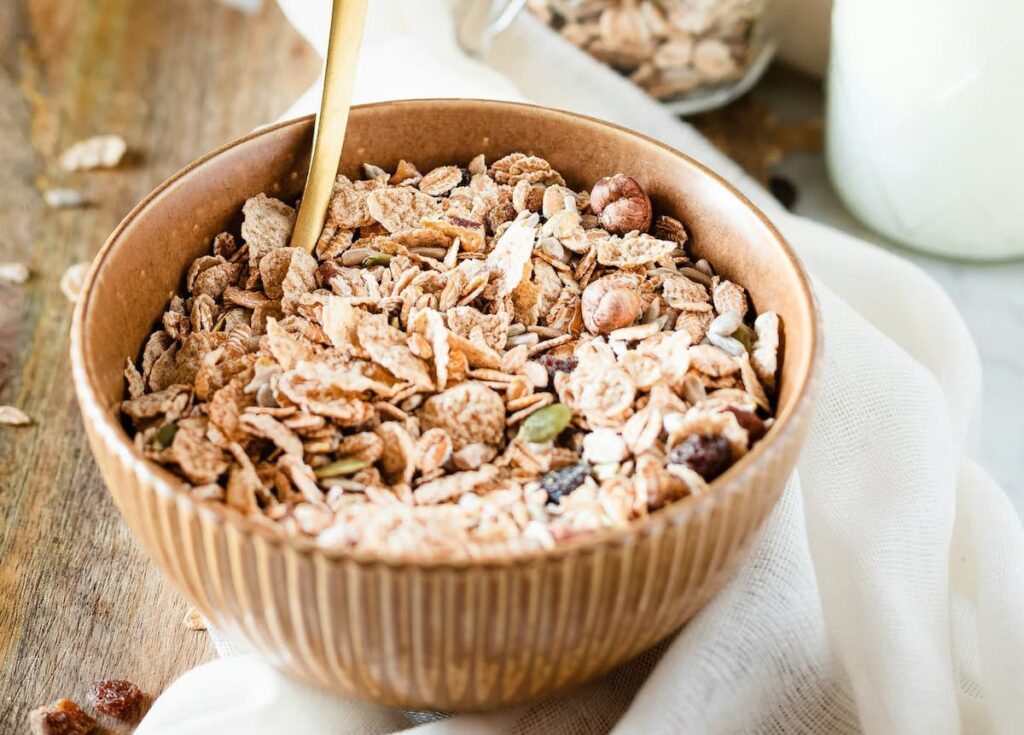
Carbohydrates replenish glycogen stores, which are depleted during resistance training. Without adequate glycogen, performance and recovery suffer. Oats provide complex carbohydrates that release energy steadily, preventing crashes and supporting sustained performance.
Nutritional Highlights
- High fiber content
- Rich in magnesium, which supports muscle function
- Helps regulate blood sugar levels
7. Sweet Potatoes
Sweet potatoes are another top tier carbohydrate source.
Why Sweet Potatoes Work
They are rich in vitamins A and C, which support immune function and recovery. Their carbohydrate content helps replenish glycogen stores after intense training.
Unlike refined carbs, sweet potatoes provide sustained energy without spikes in blood sugar.
How They Help Physique Goals
- Improve workout performance
- Support recovery
- Enhance overall nutrient intake
8. Cottage Cheese
Cottage cheese is often overlooked but highly effective.
Why Cottage Cheese Works
It is rich in casein protein, which digests slowly and provides a steady release of amino acids. This makes it ideal before sleep, when the body undergoes repair processes.
Studies show that consuming protein before bed can enhance overnight muscle protein synthesis.
Practical Tip
Eat cottage cheese before sleep to support recovery and muscle growth.
9. Quinoa
Quinoa stands out among plant based foods.
Why Quinoa Works
It is a complete plant protein, meaning it contains all essential amino acids. It also provides carbohydrates and fiber, making it a balanced option.
For those who want variety or follow a plant based diet, quinoa is a valuable addition.
Extra Benefits
- Gluten free
- High in magnesium and iron
- Supports energy production
10. Whey Protein
Whey protein is one of the most researched supplements for muscle growth.
Why Whey Protein Works
Whey is rapidly digested and rich in leucine, making it highly effective at stimulating muscle protein synthesis. It is especially useful after workouts when the body is primed for nutrient uptake. Studies consistently show that whey protein supplementation enhances muscle mass and strength gains when combined with resistance training.
When to Use It
- Immediately after workouts
- When daily protein intake is insufficient
How to Combine These Foods for Maximum Results
Eating the right foods is only part of the equation. Timing and total intake also matter.
Key Principles
- Consume protein evenly throughout the day
- Pair protein with carbohydrates after workouts
- Maintain a calorie surplus for muscle gain
Sample Daily Structure
- Breakfast: Eggs and oats
- Lunch: Chicken breast with sweet potatoes
- Snack: Greek yogurt or whey protein
- Dinner: Salmon or lean beef with quinoa
- Before bed: Cottage cheese
This structure ensures a steady supply of nutrients for muscle growth and recovery.

Common Mistakes to Avoid
Even with the right foods, mistakes can limit progress.
Mistakes
- Not eating enough total calories
- Skipping protein intake after workouts
- Relying too heavily on supplements instead of whole foods
- Ignoring micronutrients
Muscle growth requires consistency in both training and nutrition.
Summary of Key Points
- Muscle growth depends on protein intake, calories, and training
- Whole foods provide essential nutrients beyond protein
- Combining protein with carbohydrates improves recovery
- Consistency is more important than perfection
Final Thoughts
Building a jacked physique is not about extreme dieting or cutting out entire food groups. It is about consistently eating nutrient dense foods that support your training and recovery.
The ten foods in this article are not just popular choices. They are backed by scientific evidence and proven to support muscle growth, strength, and overall health. If you structure your diet around these foods and train hard, you will create the conditions needed to build a powerful, muscular body.
References
- Burd, N.A., Yang, Y., Moore, D.R., Tang, J.E., Tarnopolsky, M.A. and Phillips, S.M. (2012). Greater stimulation of myofibrillar protein synthesis with ingestion of whole eggs compared with egg whites after resistance exercise in young men. American Journal of Clinical Nutrition, 96(6), pp. 1349 to 1358.
- Phillips, S.M. and Van Loon, L.J.C. (2011). Dietary protein for athletes from requirements to optimum adaptation. Journal of Sports Sciences, 29(S1), pp. S29 to S38.
- Smith, G.I., Atherton, P., Reeds, D.N., Mohammed, B.S., Rankin, D., Rennie, M.J. and Mittendorfer, B. (2011). Omega 3 polyunsaturated fatty acids augment the muscle protein anabolic response to hyperinsulinaemia in healthy young and middle aged men and women. Clinical Science, 121(6), pp. 267 to 278.
- Kreider, R.B., Kalman, D.S., Antonio, J., Ziegenfuss, T.N., Wildman, R., Collins, R., Candow, D.G., Kleiner, S.M., Almada, A.L. and Lopez, H.L. (2017). International Society of Sports Nutrition position stand on creatine supplementation. Journal of the International Society of Sports Nutrition, 14(1), p. 18.
- Res, P.T., Groen, B., Pennings, B., Beelen, M., Wallis, G.A., Gijsen, A.P. and Van Loon, L.J.C. (2012). Protein ingestion before sleep improves postexercise overnight recovery. Medicine and Science in Sports and Exercise, 44(8), pp. 1560 to 1569.