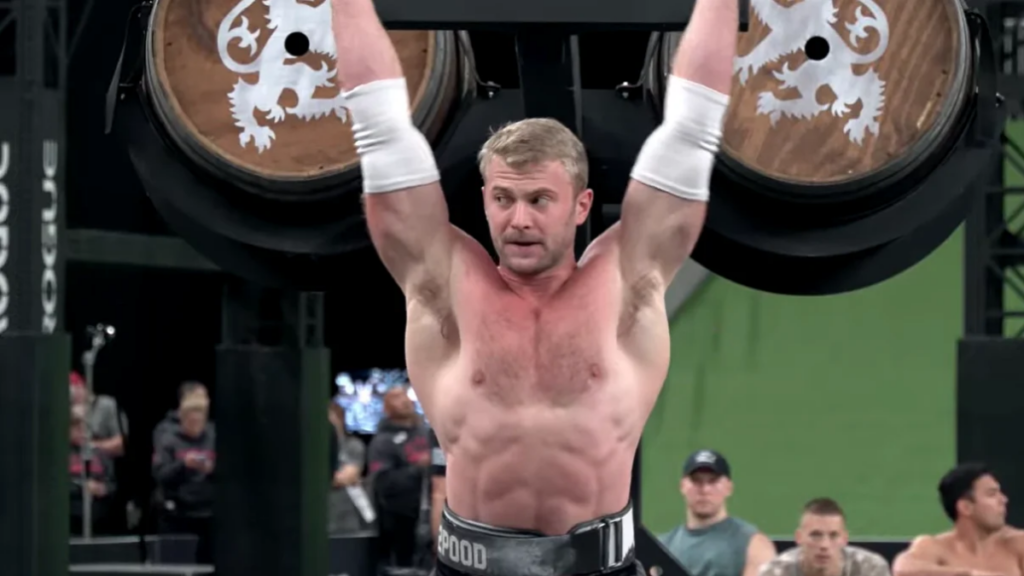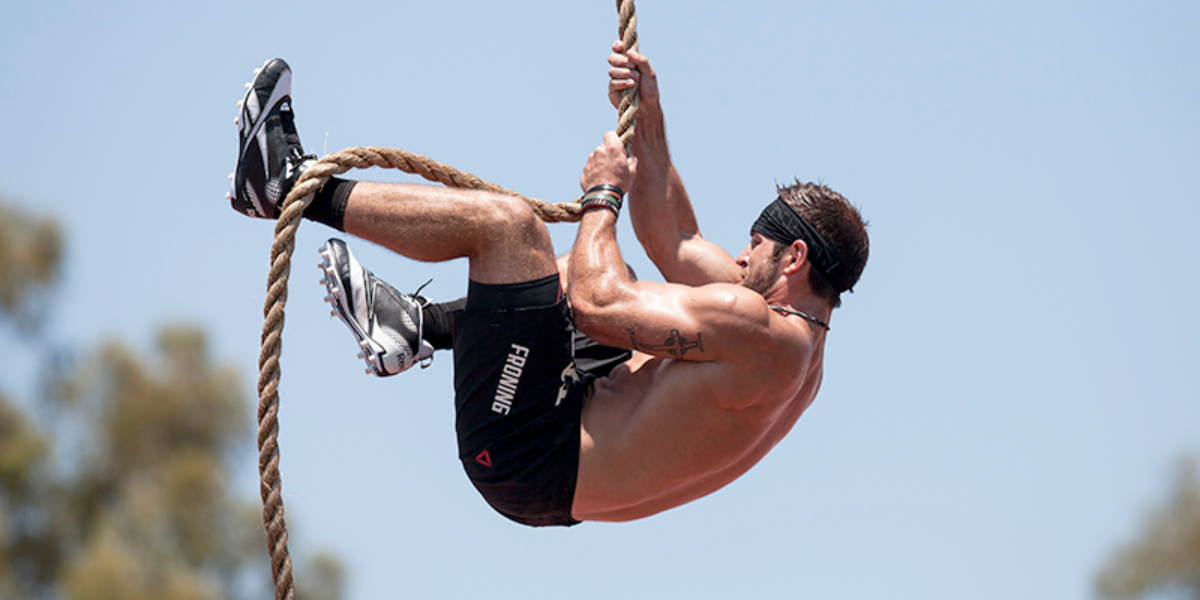


CrossFit athletes are known for their strength, work capacity, and versatility. While the sport emphasizes full body movements like cleans, snatches, and pull ups, arm strength plays a critical role in performance. Strong arms improve pulling power, pressing endurance, grip strength, and overall efficiency in gymnastics and barbell work.
This article breaks down the 3 best arm exercises for CrossFit athletes, backed by scientific evidence. You will learn why these movements matter, how they transfer to CrossFit performance, and how to execute them correctly for maximum results.


Why Arm Training Matters in CrossFit

Functional Carryover to CrossFit Movements
CrossFit is built on compound movements, but these movements rely heavily on arm musculature. The biceps, triceps, and forearms assist in pulling, pushing, and stabilizing loads.
For example:
- Pull ups and toes to bar require strong elbow flexors and grip endurance
- Handstand push ups depend on triceps strength for lockout
- Olympic lifts rely on arm stability during turnover and receiving phases
Research shows that assistance muscles significantly contribute to compound lift performance. A study on resistance training adaptations found that targeted accessory work enhances force production in compound lifts by improving neuromuscular coordination and muscle recruitment patterns.
Injury Prevention and Joint Stability
The elbow joint is heavily stressed in CrossFit. Repetitive kipping, heavy lifting, and high volume workouts can lead to overuse injuries.
Strengthening the arms:
- Improves tendon resilience
- Enhances joint stability
- Reduces injury risk
Evidence suggests that resistance training increases tendon stiffness and strength, which improves force transmission and reduces injury risk.
Arm Exercises for CrossFit Athletes – Improved Muscular Endurance

CrossFit workouts often involve high repetitions. Arm endurance becomes a limiting factor during long workouts. Studies show that muscular endurance training increases mitochondrial density and fatigue resistance, allowing athletes to sustain effort longer.
What Makes an Exercise Effective for CrossFit Arms?
Not all arm exercises are equally valuable for CrossFit athletes. The best movements share these characteristics:
High Transfer to Functional Movements
Exercises should mimic or support common CrossFit patterns such as pulling, pushing, and gripping.
Ability to Load Progressively
Progressive overload is essential for strength gains. Exercises must allow consistent increases in resistance.
Joint Friendly Mechanics
Given the high volume of CrossFit, exercises should minimize unnecessary stress on joints.
Engagement of Multiple Muscle Groups
Compound or semi compound movements are preferred over isolated single joint exercises.
1. Arm Exercises for CrossFit Athletes – Strict Weighted Pull Ups
Why This Is One of the Best Arm Exercises for CrossFit Athletes
Strict weighted pull ups are arguably the most effective arm exercise for CrossFit athletes. They develop the biceps, forearms, and upper back while reinforcing strict movement patterns.
Unlike kipping pull ups, strict pull ups:
- Build true strength
- Improve muscle recruitment
- Enhance control and stability
Research shows that vertical pulling exercises significantly activate the biceps brachii and brachialis, making them highly effective for arm development.
Muscle Activation and Benefits
Strict pull ups target:
- Biceps brachii
- Brachialis
- Forearm flexors
- Latissimus dorsi
Electromyography studies confirm high biceps activation during pull ups, especially with a supinated or neutral grip.
Technique Breakdown
- Start from a dead hang with full elbow extension
- Engage the shoulders before pulling
- Pull your chest toward the bar
- Keep the movement controlled
- Lower slowly to full extension
Programming Tips
- 3 to 5 sets of 3 to 8 reps for strength
- Add weight using a belt or vest
- Focus on strict form over volume
Scientific Insight
Studies on resistance training show that controlled eccentric phases increase muscle hypertrophy and strength. Slowing down the descent in pull ups enhances muscle tension and growth.
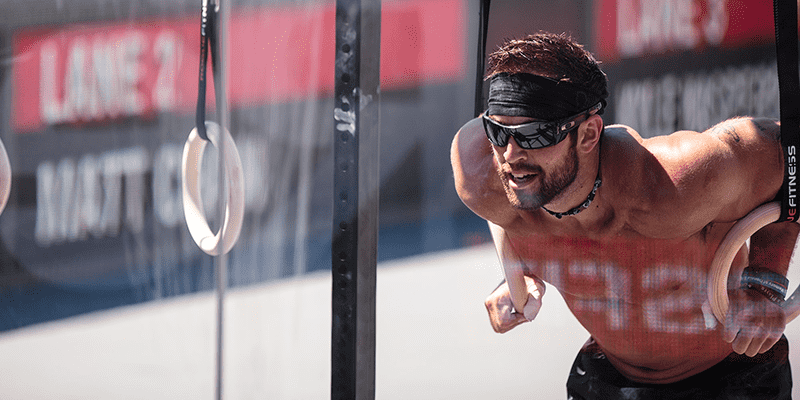
2. Arm Exercises for CrossFit Athletes – Ring Dips
Why Ring Dips Are Essential
Ring dips are a powerful upper body movement that heavily targets the triceps while also engaging stabilizer muscles.
For CrossFit athletes, ring dips improve:
- Lockout strength in pressing movements
- Stability in unstable environments
- Transition strength for muscle ups
Research indicates that unstable surface training increases muscle activation, particularly in stabilizing muscles.
Muscle Activation and Benefits
Ring dips target:
- Triceps brachii
- Anterior deltoids
- Chest
- Core stabilizers
The instability of the rings forces greater neuromuscular engagement compared to fixed bar dips.
Technique Breakdown
- Support yourself on the rings with locked arms
- Keep rings close to your body
- Lower under control until shoulders drop below elbows
- Press back up to full lockout
- Maintain tight core throughout
Programming Tips
- 3 to 5 sets of 5 to 10 reps
- Use assistance bands if needed
- Progress to weighted ring dips for strength
Scientific Insight
Studies show that closed chain exercises like dips promote joint stability and functional strength. Additionally, unstable training environments improve proprioception and coordination.
3. Arm Exercises for CrossFit Athletes – Hammer Curls
Why Hammer Curls Are Underrated
Hammer curls are often overlooked in CrossFit programming, but they are one of the best arm exercises for CrossFit athletes due to their impact on grip strength and elbow health.
They specifically target the brachialis and brachioradialis, which are crucial for pulling strength.
Muscle Activation and Benefits
Hammer curls target:
- Brachialis
- Brachioradialis
- Biceps brachii
- Forearm muscles
Research shows that neutral grip curls increase brachialis activation, which contributes significantly to overall arm thickness and strength.
Transfer to CrossFit Performance

Strong brachialis muscles:
- Improve pull up strength
- Enhance barbell control
- Reduce elbow strain
Grip strength is also a major limiting factor in workouts. Studies confirm that grip strength correlates strongly with overall upper body strength and performance.
Technique Breakdown
- Hold dumbbells with a neutral grip
- Keep elbows close to your body
- Curl the weight upward without swinging
- Lower slowly under control
- Maintain tension throughout
Programming Tips
- 3 to 4 sets of 8 to 15 reps
- Use moderate weight for control
- Focus on full range of motion
Scientific Insight
Isolation exercises like curls increase muscle hypertrophy by targeting specific fibers. Research confirms that combining compound and isolation exercises leads to greater overall muscle development.
How to Combine These Exercises Into Your Training
Weekly Structure Example
To maximize results, include these exercises 2 to 3 times per week.
Example:
Day 1
- Weighted Pull Ups: 5 sets of 5
- Hammer Curls: 3 sets of 12
Day 2
- Ring Dips: 4 sets of 8
- Hammer Curls: 3 sets of 10
Day 3
- Weighted Pull Ups: 4 sets of 6
- Ring Dips: 3 sets of 10
Arm Exercises for CrossFit Athletes – Volume and Recovery
Research suggests that muscle groups should be trained with 10 to 20 sets per week for optimal hypertrophy.
Ensure:
- Adequate rest between sessions
- Proper nutrition
- Progressive overload
Arm Exercises for CrossFit Athletes – Common Mistakes to Avoid
Ignoring Strict Strength
Many athletes rely too much on kipping. This limits long term strength development.
Poor Technique
Bad form increases injury risk and reduces effectiveness.
Neglecting Isolation Work
Isolation exercises support joint health and muscle balance.
Overtraining
Too much volume without recovery leads to fatigue and injury.
The Science of Arm Growth and Strength
Hypertrophy Mechanisms
Muscle growth occurs through:
- Mechanical tension
- Metabolic stress
- Muscle damage
All three are stimulated by the exercises listed above.
Neural Adaptations
Strength gains are not only muscular. Neural adaptations improve:
- Motor unit recruitment
- Coordination
- Force production
Role of Progressive Overload
Gradually increasing load or volume is essential for continued progress. Research consistently shows that progressive overload drives strength and hypertrophy.
Arm Exercises for CrossFit Athletes – Final Thoughts
The best arm exercises for CrossFit athletes are not random. They are chosen based on function, transfer, and scientific evidence. Strict weighted pull ups build pulling strength and control. Ring dips develop pressing power and stability. Hammer curls strengthen the arms and protect the elbows.
Together, they create a balanced, resilient, and powerful upper body that directly improves CrossFit performance. If you want stronger pull ups, better muscle ups, and more efficient barbell lifts, these exercises should be a consistent part of your training.
References
- Andersen, L.L., et al. (2014). Muscle activation and perceived loading during rehabilitation exercises. Journal of Strength and Conditioning Research, 28(8), 2316 to 2323.
- Behm, D.G. and Anderson, K. (2006). The role of instability in resistance training. Journal of Strength and Conditioning Research, 20(3), 716 to 722.
- Gentil, P., et al. (2017). Effects of adding single joint exercises to a multi joint exercise resistance training program on strength and hypertrophy. Journal of Strength and Conditioning Research, 31(7), 1978 to 1985.
- Schoenfeld, B.J. (2010). The mechanisms of muscle hypertrophy and their application to resistance training. Journal of Strength and Conditioning Research, 24(10), 2857 to 2872.
- Schoenfeld, B.J., et al. (2016). Effects of resistance training frequency on measures of muscle hypertrophy. Sports Medicine, 46(11), 1689 to 1697.