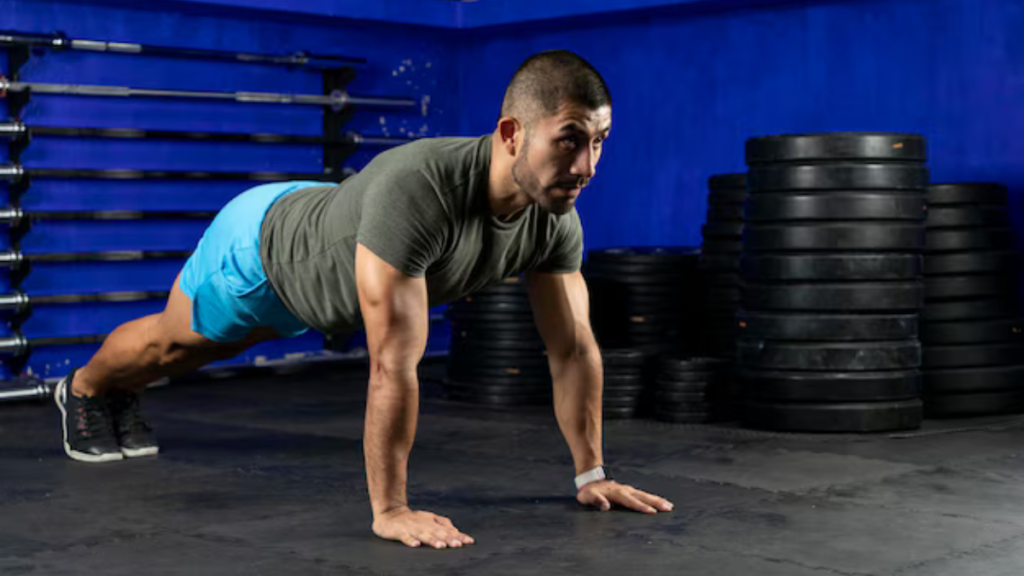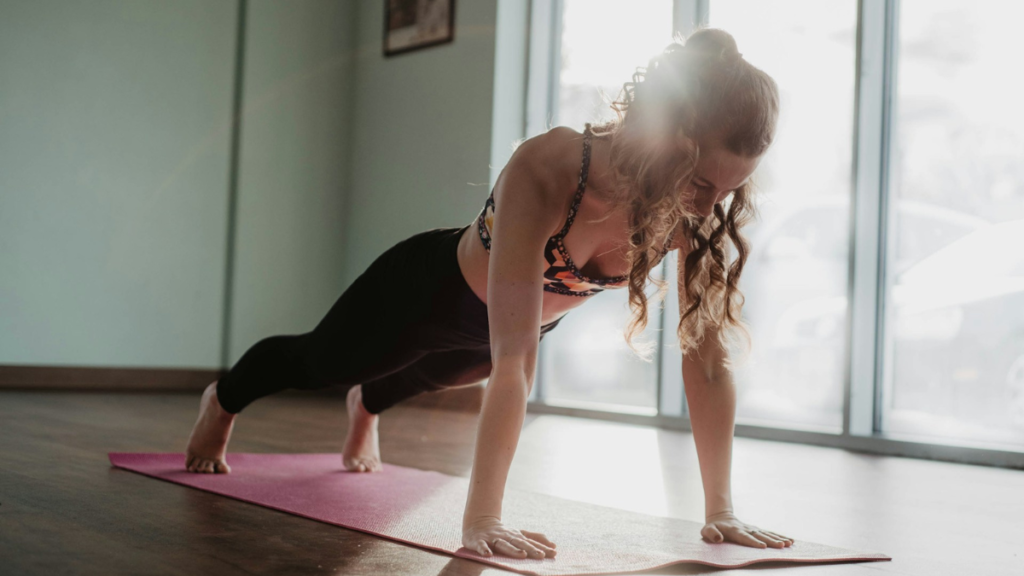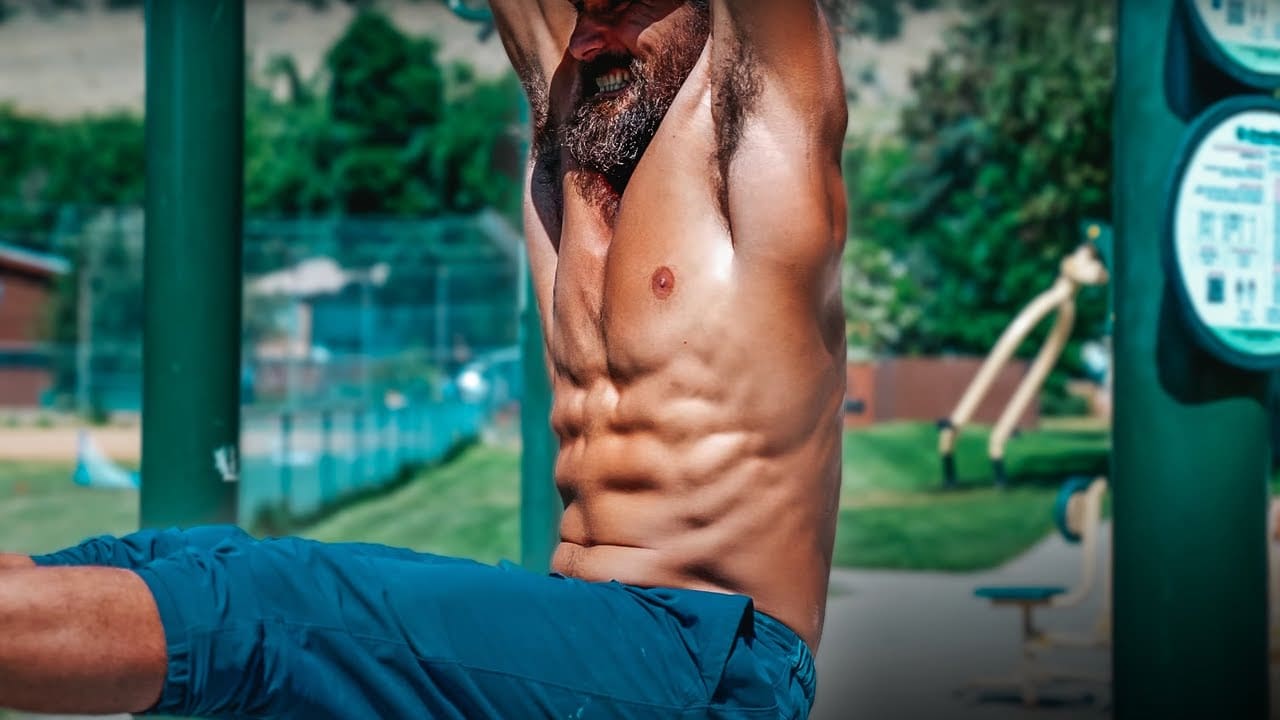


A strong core is about far more than aesthetics. While many people chase visible abs through endless crunches and sit ups, the real function of the core is to create, transfer, and resist force throughout the body. One of the most overlooked aspects of core training is rotation.
Rotational strength is essential for athletic performance, injury prevention, spinal stability, and overall functional fitness. Every time you throw a punch, swing a golf club, sprint, change direction, carry groceries, or lift heavy weights, your body relies on rotational forces. Training these movement patterns correctly can build a stronger, more resilient midsection while helping develop the muscular definition associated with a six pack.



Research consistently shows that the abdominal muscles do much more than simply flex the spine. The rectus abdominis, internal and external obliques, transverse abdominis, erector spinae, multifidus, diaphragm, and pelvic floor all work together to stabilize and control movement. Rotational exercises challenge many of these muscles simultaneously, often producing greater functional benefits than traditional abdominal isolation work.
The key is choosing exercises that load the body safely while demanding coordination, stability, and force production. Among the countless options available, three movements stand out because of their effectiveness, versatility, and strong biomechanical foundations.
Why Rotational Training Matters
Before looking at the exercises themselves, it is important to understand why rotation deserves a place in your program.
The human body is designed to move in multiple planes of motion. Most gym training occurs in the sagittal plane, which includes movements such as squats, deadlifts, lunges, and crunches. While these exercises are valuable, daily life and athletic performance require movement in the transverse plane as well.
The transverse plane involves rotational actions. During these movements, the obliques play a major role in producing and controlling force. Electromyography studies have repeatedly demonstrated high levels of activation in the oblique muscles during rotational exercises compared to many traditional abdominal exercises. Rotational training also teaches the body how to transfer force efficiently between the lower and upper body. This ability is essential in sports ranging from baseball and tennis to mixed martial arts and CrossFit.
Research on core stability further suggests that training the trunk through dynamic and functional movement patterns can improve spinal stability and reduce injury risk. The core often functions less as a movement producer and more as a force transmitter and stabilizer. Rotational exercises challenge both roles simultaneously.
Another advantage is energy expenditure. Because rotational exercises typically involve multiple muscle groups working together, they can contribute to greater caloric expenditure than isolated abdominal movements. While no exercise directly burns belly fat from a specific area, combining effective core training with appropriate nutrition can help reveal abdominal definition over time.
The Science Behind a Visible Six Pack
Many people assume that ab exercises alone create visible abs. The reality is more complex. The appearance of a six pack depends primarily on body fat percentage. The rectus abdominis muscle exists in nearly everyone, but it becomes visible only when enough fat covering the abdominal wall is reduced.
Studies examining body composition consistently show that fat loss occurs through a combination of dietary management, resistance training, physical activity, and energy balance. Spot reduction, the idea that training a specific area removes fat from that region, has repeatedly been shown to be ineffective. However, this does not mean core training is unimportant. Building thicker and stronger abdominal muscles can improve their visibility once body fat levels decrease. Stronger abdominal musculature may also improve posture and trunk stability, enhancing overall appearance.
Rotational exercises offer a unique advantage because they challenge the obliques and deeper stabilizing muscles that contribute to a well developed midsection. Rather than focusing exclusively on the front of the abdomen, they help create balanced muscular development around the entire trunk.
Exercise 1: Landmine Rotations
Among all rotational exercises, the landmine rotation is one of the most effective for developing total core strength.

How to Perform the Landmine Rotation
Place one end of a barbell into a landmine attachment or secure it safely in a corner. Stand facing the free end of the barbell with feet approximately shoulder width apart.
Grip the end of the barbell with both hands and extend your arms in front of your body. Begin with the barbell positioned near one hip.
Rotate your torso and shoulders while moving the barbell in a controlled arc across the body toward the opposite side. Allow the hips to rotate naturally while maintaining control through the trunk.
Move smoothly from side to side while resisting excessive spinal movement or loss of posture.
Why It Works
The landmine rotation trains the body as an integrated system. The movement requires coordination between the hips, core, shoulders, and upper back while producing force through rotational patterns.
Biomechanically, the exercise places substantial demand on the internal and external obliques, which are primarily responsible for trunk rotation. At the same time, the transverse abdominis and deeper stabilizing muscles must work continuously to maintain spinal integrity.
Unlike many seated rotational exercises, the landmine variation is performed standing. This makes it highly transferable to athletic movement and everyday activities.
The exercise also teaches force transfer between the lower and upper body. Research on athletic performance consistently highlights the importance of this kinetic chain function. Efficient force transmission allows athletes to generate greater power while reducing energy leaks throughout movement.
Common Mistakes
Many people perform the movement using only their arms. The rotation should originate from the hips and torso rather than the shoulders alone.
Another mistake is moving too quickly. Excessive speed often reduces muscular tension and increases reliance on momentum. Controlled movement generally produces better results for both strength development and safety.
Programming Recommendations
For strength development, perform three to four sets of eight to twelve repetitions per side.
For conditioning and athletic performance, moderate loads with higher repetitions can be effective.
Because the movement challenges multiple muscle groups, it works well as part of a full body training session.
Exercise 2: Cable Woodchoppers
The cable woodchopper is a classic rotational exercise supported by strong biomechanical principles.
How to Perform Cable Woodchoppers
Set a cable pulley at shoulder height or slightly higher.
Stand sideways to the machine and grip the handle with both hands. Begin with arms extended.
Rotate through the torso while pulling the handle diagonally across the body toward the opposite hip. Allow the hips to participate naturally while maintaining good posture.
Return slowly to the starting position under control.
Repeat for the desired number of repetitions before switching sides.
Why It Works
The cable woodchopper creates constant tension throughout the range of motion. Unlike free weights, which are influenced by gravity, cables maintain resistance during the entire movement.
This continuous tension increases demand on the abdominal muscles, particularly the obliques. Electromyographic research has demonstrated substantial oblique activation during diagonal rotational movements similar to the woodchopper.
The exercise also develops eccentric control. During the return phase, the muscles must decelerate rotational force. This ability to absorb force is often just as important as producing it.
Athletes frequently benefit from this characteristic because many sporting actions require rapid deceleration before reacceleration. Examples include changing direction during field sports or controlling the follow through phase of throwing and striking actions.
Benefits for Six Pack Development
While the woodchopper heavily targets the obliques, the rectus abdominis also contributes significantly by stabilizing the trunk during movement.
This combined muscular recruitment creates a more comprehensive abdominal training effect than many traditional crunch variations.
The standing position further increases activation throughout the entire kinetic chain, requiring contribution from the glutes, legs, and upper body.
Common Mistakes
A frequent error is using excessive weight. When the load becomes too heavy, form typically deteriorates and momentum takes over.
Another mistake is allowing the arms to dominate the movement. The rotation should originate from the torso rather than becoming an arm exercise.
Maintaining smooth, controlled movement usually delivers the greatest training benefit.
Programming Recommendations
Perform three to four sets of ten to fifteen repetitions per side.
The exercise works particularly well during hypertrophy focused programs because of the constant muscular tension provided by cable resistance.
Exercise 3: Russian Twists
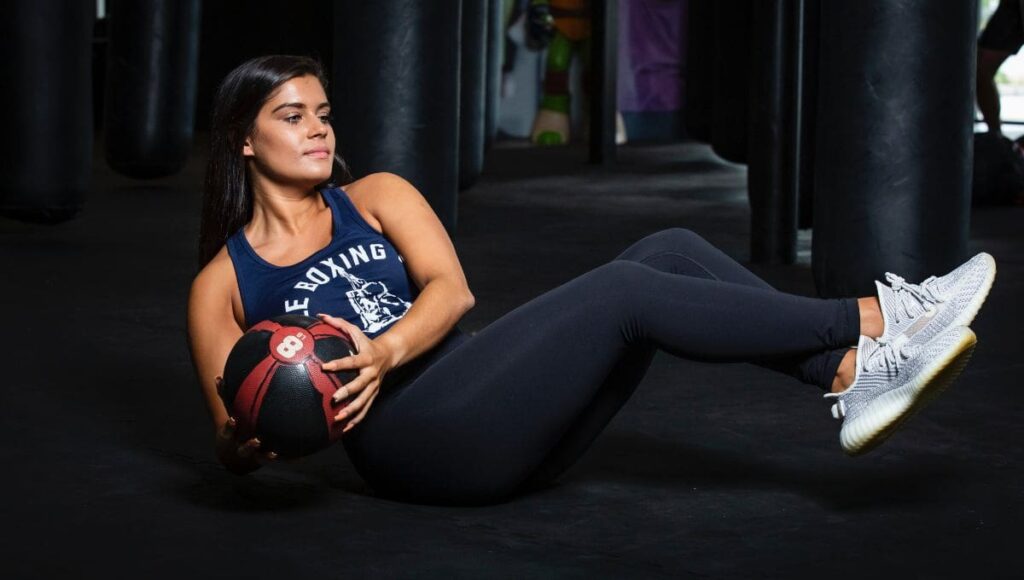
The Russian twist remains one of the most popular rotational core exercises, and when performed correctly, it can be highly effective.
How to Perform Russian Twists
- Sit on the floor with knees bent and feet flat.
- Lean slightly backward while maintaining a neutral spine.
- Hold a weight plate, medicine ball, dumbbell, or simply clasp your hands together.
- Rotate the torso from side to side while keeping the chest lifted and core engaged.
- Move deliberately rather than swinging rapidly between positions.
Why It Works
The Russian twist places sustained tension on the abdominal muscles while requiring active rotational control. Research examining abdominal muscle activation has shown that unstable seated positions can significantly increase recruitment of core musculature. The Russian twist combines this instability with rotational movement, creating a substantial challenge for the obliques and deeper stabilizers.
The exercise also improves rotational endurance. Many athletic and everyday activities require the core to maintain force production repeatedly over extended periods rather than generating only a single maximal effort.
Benefits for Abdominal Definition
The Russian twist generates significant metabolic stress within the abdominal muscles due to the prolonged time under tension.
This stimulus can contribute to muscular development when combined with progressive overload and appropriate recovery.
While it cannot directly remove abdominal fat, it can help build the muscular foundation that becomes visible as body fat decreases.
How Often Should You Train Rotational Movements?

Rotational exercises are highly effective, but more is not always better.
Most people can benefit from including rotational training two to three times per week. This frequency provides sufficient stimulus while allowing adequate recovery.
The core is involved in many other exercises, including squats, deadlifts, carries, presses, and pull ups. As a result, total training volume should be considered when planning additional abdominal work.
Athletes participating in rotational sports may require more specialized programming depending on their performance goals and competition schedule.
Final Thoughts
If your goal is a stronger core, improved athletic performance, and a more defined midsection, rotational training deserves a permanent place in your workouts.
The landmine rotation stands out for its ability to develop full body rotational power and force transfer. The cable woodchopper provides constant tension and exceptional oblique activation. The Russian twist challenges rotational endurance and muscular control while helping build a stronger, more balanced trunk.
Together, these three exercises target the core in a way that traditional abdominal training often misses. They strengthen the muscles responsible for producing and controlling rotational force, improve functional performance, and contribute to the muscular development needed for a visible six pack.
Combine them with progressive overload, intelligent programming, and sound nutrition, and you will build a stronger, more athletic core that performs as well as it looks.
Key Takeaways
| Exercise | Primary Benefit | Main Muscles Targeted | Recommended Sets and Reps |
|---|---|---|---|
| Landmine Rotation | Develops rotational power and force transfer | Internal obliques, external obliques, transverse abdominis, shoulders, hips | 3 to 4 sets of 8 to 12 reps per side |
| Cable Woodchopper | Creates constant tension through rotation | Obliques, rectus abdominis, transverse abdominis | 3 to 4 sets of 10 to 15 reps per side |
| Russian Twist | Improves rotational endurance and control | Obliques, rectus abdominis, hip flexors | 2 to 4 sets of 15 to 20 reps per side |
| Training Frequency | Supports strength and recovery | Entire core musculature | 2 to 3 sessions per week |
| Visible Abs | Primarily determined by body fat levels | Whole body composition | Combine training with nutrition |
References
• Akuthota, V. and Nadler, S.F. (2004) ‘Core strengthening’, Archives of Physical Medicine and Rehabilitation, 85(3 Suppl 1), pp. S86 to S92.
• Behm, D.G., Drinkwater, E.J., Willardson, J.M. and Cowley, P.M. (2010) ‘The use of instability to train the core musculature’, Applied Physiology, Nutrition, and Metabolism, 35(1), pp. 91 to 108.
• Escamilla, R.F., Lewis, C., Bell, D., Bramblet, G., Daffron, J., Lambert, S., Pecson, A., Imamura, R. and Paulos, L. (2010) ‘Core muscle activation during Swiss ball and traditional abdominal exercises’, Journal of Orthopaedic and Sports Physical Therapy, 40(5), pp. 265 to 276.
• Hibbs, A.E., Thompson, K.G., French, D., Wrigley, A. and Spears, I. (2008) ‘Optimizing performance by improving core stability and core strength’, Sports Medicine, 38(12), pp. 995 to 1008.
• McGill, S.M. (2010) ‘Core training: Evidence translating to better performance and injury prevention’, Strength and Conditioning Journal, 32(3), pp. 33 to 46.
• McGill, S.M., Grenier, S., Kavcic, N. and Cholewicki, J. (2003) ‘Coordination of muscle activity to assure stability of the lumbar spine’, Journal of Electromyography and Kinesiology, 13(4), pp. 353 to 359.