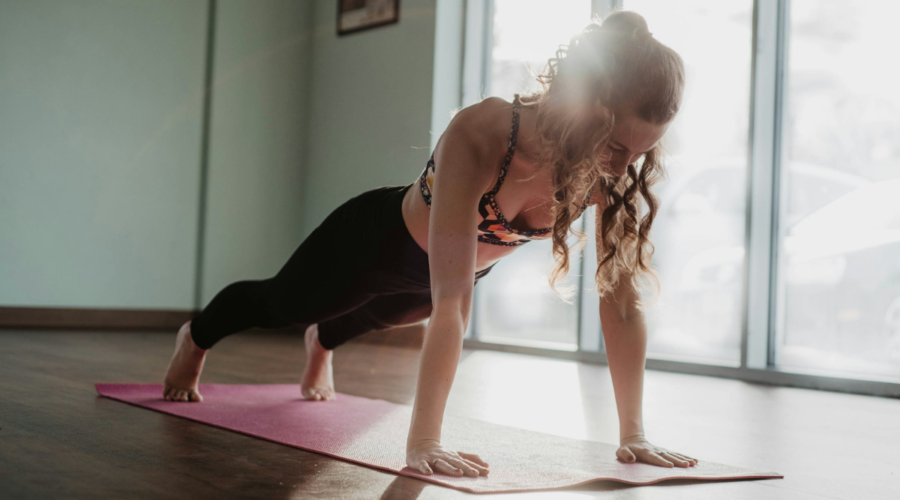


The plank is one of the simplest exercises in fitness, yet it reveals a surprising amount about your strength, endurance, and overall physical function. Unlike flashy lifts or high intensity workouts, the plank strips away momentum and focuses on one thing. Can your body maintain a stable position against gravity?
Many people assume that a longer plank always means better fitness. While endurance certainly matters, science suggests that the quality of the hold is often more important than the length of time. Holding a technically perfect plank for one minute can be far more valuable than struggling through a three minute version with poor posture.



So how long should the average adult be able to hold a plank? The answer depends on age, sex, training experience, body weight, and even the specific type of plank being tested. Research has also shown that core endurance is associated with better athletic performance, reduced injury risk, improved balance, and healthier aging.
This guide looks at what research says about average plank times, what influences your performance, and how you can improve your own score safely.
Why the Plank Is Such a Valuable Exercise
The plank is classified as an isometric exercise because the muscles produce force without creating movement around the joints. During a standard forearm plank, the abdominal muscles, spinal stabilizers, glutes, shoulders, chest, and legs all work together to resist movement.
The primary purpose of the exercise is not to strengthen a single muscle. Instead, it trains the entire trunk to stabilize the spine while the limbs produce force. This ability is essential during walking, running, jumping, lifting, and almost every athletic movement.
Research consistently shows that trunk stability contributes to efficient movement and force transfer between the upper and lower body. A stronger core also helps maintain posture and reduces unnecessary movement that may increase stress on joints and connective tissues.
Unlike exercises such as crunches that repeatedly flex the spine, the plank emphasizes spinal stability. Many physical therapists and strength coaches prefer this approach because the spine is designed to resist excessive movement during many daily activities.
What Is the Average Plank Time for Adults?
Unlike grip strength or walking speed, there is no universal medical database for plank performance across every age group. However, several fitness organizations, military testing programs, and scientific studies provide useful benchmarks.
For a standard forearm plank performed with proper technique, the average healthy adult can generally expect the following:
| Performance Level | Approximate Hold Time |
|---|---|
| Beginner | 15 to 30 seconds |
| Average adult | 30 to 90 seconds |
| Good fitness | 90 seconds to 2 minutes |
| Excellent | 2 to 4 minutes |
| Elite core endurance | More than 4 minutes |
These numbers assume strict technique throughout the hold. If the hips sag, the lower back arches excessively, or the shoulders collapse, the plank should end.
Several fitness assessments consider approximately one minute a good benchmark for healthy adults who exercise recreationally. Competitive athletes and military personnel often exceed two minutes because of higher training volumes.
It is also important to recognize that body size influences performance. Larger individuals generally have to support more body mass, making longer holds more challenging even if they possess excellent strength.
Age Makes a Difference
Like many measures of physical fitness, plank endurance tends to decline with age. Loss of muscle mass, reductions in neuromuscular function, and decreased physical activity all contribute to shorter hold times in older adults.
Fortunately, research also demonstrates that resistance training and regular exercise can significantly slow these declines. Older adults who remain physically active often perform much better than sedentary younger individuals.
Core endurance remains particularly important during aging because trunk stability contributes to balance, mobility, and fall prevention. Studies have found that improved trunk muscle endurance is associated with better functional movement and independence in older adults.
Rather than comparing yourself only to younger athletes on social media, it makes more sense to compare your current performance with your own previous results.
Does Sex Affect Plank Performance?
Men often produce greater absolute muscle force because they typically have more total muscle mass. However, the differences become much smaller during isometric endurance tests like the plank.
Women frequently perform just as well as men during endurance based core exercises. Some research even suggests women may demonstrate slightly greater muscular endurance during sustained isometric contractions under certain conditions.
The reasons are complex and may involve muscle fiber composition, blood flow, fatigue resistance, and metabolic differences. Ultimately, training history matters far more than sex when predicting plank performance.
What Muscles Are Working During a Plank?
The plank recruits a large network of muscles rather than isolating one area.
The rectus abdominis helps prevent excessive spinal extension. The transverse abdominis acts like a natural weight belt around the abdomen. The internal and external obliques resist rotation while helping stabilize the trunk.
The erector spinae muscles support the spine from behind. The gluteus maximus maintains hip alignment while the gluteus medius contributes to pelvic stability.
The shoulders also work hard. The serratus anterior stabilizes the shoulder blades while the deltoids, rotator cuff, and pectoral muscles help maintain upper body position.
Even the quadriceps, calves, and feet contribute by maintaining lower body alignment throughout the exercise.
Electromyography studies consistently demonstrate substantial activation across these muscle groups during properly performed planks.
Is Holding Longer Always Better?
Many people view plank time like a competition. They aim for five, ten, or even twenty minute holds. While these performances can be impressive, they do not necessarily translate into better fitness. Research in sports science suggests there are diminishing returns once basic endurance has been established.
Most daily activities and athletic movements require the core to generate stiffness for relatively short periods while producing force through the arms and legs. They rarely demand continuous contractions lasting ten minutes.
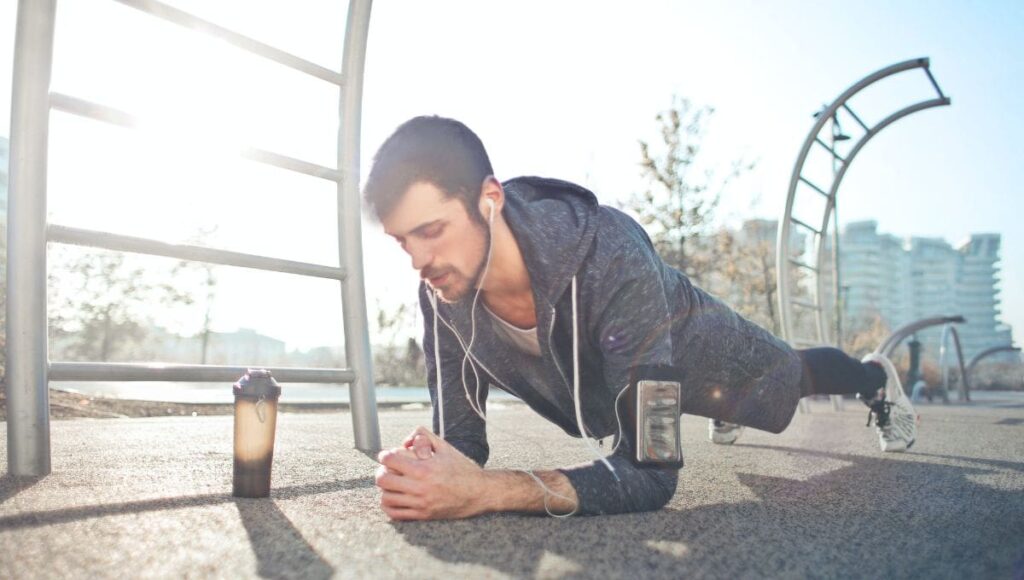
For this reason, many strength coaches recommend progressing to more challenging plank variations rather than endlessly extending hold time. Examples include single leg planks, side planks, weighted planks, long lever planks, and stability ball variations. These exercises increase the challenge while improving functional strength.
Plank Quality Matters More Than Duration
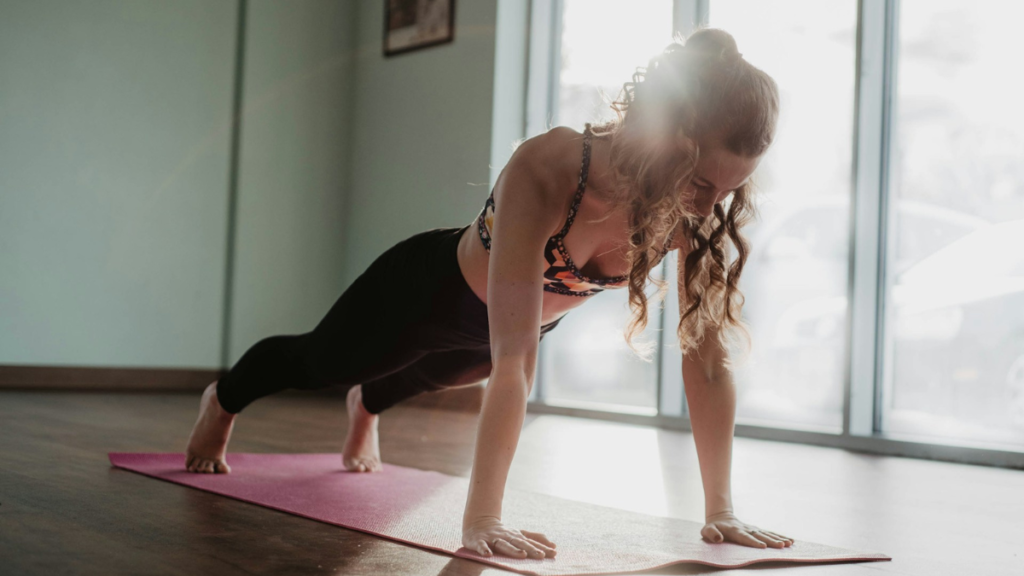
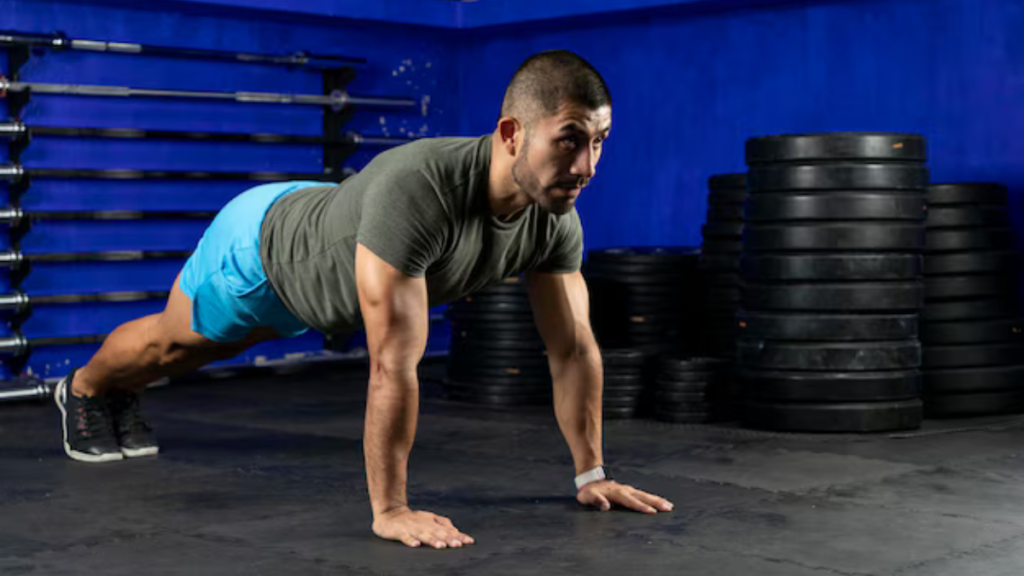
A technically correct plank follows several key principles. The head remains in line with the spine instead of looking forward. The shoulders stay directly above the elbows during the forearm version. The shoulder blades remain stable without excessive shrugging.
The hips should neither sag toward the floor nor rise too high. The pelvis stays relatively neutral while the glutes remain lightly contracted.
The legs stay straight and active while breathing continues normally throughout the exercise. Many beginners unknowingly compensate by holding their breath or allowing the lower back to arch. These mistakes reduce the effectiveness of the exercise and may increase spinal stress.
Stopping when technique breaks down is always preferable to chasing a longer time.
Can Plank Performance Predict Overall Fitness?
The plank is not a complete measure of health or athletic ability, but it does provide meaningful information. Core endurance has been linked with improved balance, lower injury rates in some athletic populations, enhanced movement quality, and better performance in activities requiring trunk stability.
Military organizations, sports teams, and rehabilitation clinics frequently include plank testing because it is inexpensive, reliable, and easy to administer.
However, someone with an excellent plank time could still have poor cardiovascular fitness or limited lower body strength. Likewise, elite endurance athletes sometimes produce only average plank scores because their training emphasizes different physical qualities. The plank should be viewed as one useful piece of a larger fitness picture.
How to Improve Your Plank Time
Improving plank endurance requires more than simply practicing longer planks every day.
Progressive overload remains the foundation of improvement. Begin with holds that can be completed using perfect technique. Gradually increase the duration by five to ten seconds as strength improves. Training frequency also matters. Performing two or three core sessions each week appears sufficient for most recreational athletes.
5 Best Exercises for Every Beginner Who Wants Stronger Legs
Exercise variety is equally important. Side planks strengthen the lateral core. Bird dogs improve coordination and spinal stability. Dead bugs enhance trunk control while moving the limbs. Farmer carries teach the body to stabilize under load during walking.
General strength training also supports better plank performance. Squats, deadlifts, presses, and rowing exercises all require the core to stabilize the body against external resistance.
Recovery should not be overlooked. Like any muscle group, the core requires adequate sleep, nutrition, and recovery between demanding sessions.
The Bottom Line
For most healthy adults, holding a technically correct forearm plank for 30 to 90 seconds represents average core endurance. Reaching two minutes reflects above average fitness, while three to four minutes is considered excellent for recreational athletes.
Beyond that point, improvements in plank duration become less meaningful than improvements in overall strength, movement quality, and athletic performance.
The best approach is to focus on perfect technique, progressive training, and balanced strength development rather than chasing extreme plank records.
Your plank time is only one indicator of fitness, but when combined with good movement quality and regular strength training, it offers a simple and effective way to monitor core endurance throughout life.
Key Takeaways
| Topic | Key Point |
|---|---|
| Average plank time | Most healthy adults hold a proper forearm plank for about 30 to 90 seconds. |
| Good performance | Holding a plank for 90 seconds to 2 minutes reflects above average core endurance. |
| Excellent performance | Three to four minutes is excellent for most recreationally active adults. |
| Technique | Proper posture matters more than achieving the longest possible time. |
| Training | Progressive overload and exercise variety improve plank performance more effectively than daily maximum holds. |
| Health benefits | Strong core endurance supports posture, balance, movement efficiency, and injury prevention. |
| Long holds | Extremely long plank times provide limited additional functional benefit compared with stronger and more varied core training. |
References
- Akuthota, V. and Nadler, S.F. (2004) Core strengthening. Archives of Physical Medicine and Rehabilitation, 85(Suppl. 3), S86 to S92.
- Behm, D.G., Drinkwater, E.J., Willardson, J.M. and Cowley, P.M. (2010) Canadian Society for Exercise Physiology position stand. The use of instability to train the core in athletic and non athletic conditioning. Applied Physiology, Nutrition, and Metabolism, 35(1), pp. 109 to 112.
- Biering Sørensen, F. (1984) Physical measurements as risk indicators for low back trouble over a one year period. Spine, 9(2), pp. 106 to 119.
- Boren, K., Conrey, C., Le Coguic, J., Paprocki, L., Voight, M. and Robinson, T.K. (2011) Electromyographic analysis of gluteus medius and gluteus maximus during rehabilitation exercises. International Journal of Sports Physical Therapy, 6(3), pp. 206 to 223.
- Ekstrom, R.A., Donatelli, R.A. and Carp, K.C. (2007) Electromyographic analysis of core trunk, hip, and thigh muscles during nine rehabilitation exercises. Journal of Orthopaedic and Sports Physical Therapy, 37(12), pp. 754 to 762.
- Granacher, U., Gollhofer, A., Hortobágyi, T., Kressig, R.W. and Muehlbauer, T. (2013) The importance of trunk muscle strength for balance, functional performance, and fall prevention in older adults. Sports Medicine, 43(7), pp. 627 to 641.
- McGill, S.M. (2010) Core training. Evidence translating to better performance and injury prevention. Strength and Conditioning Journal, 32(3), pp. 33 to 46.