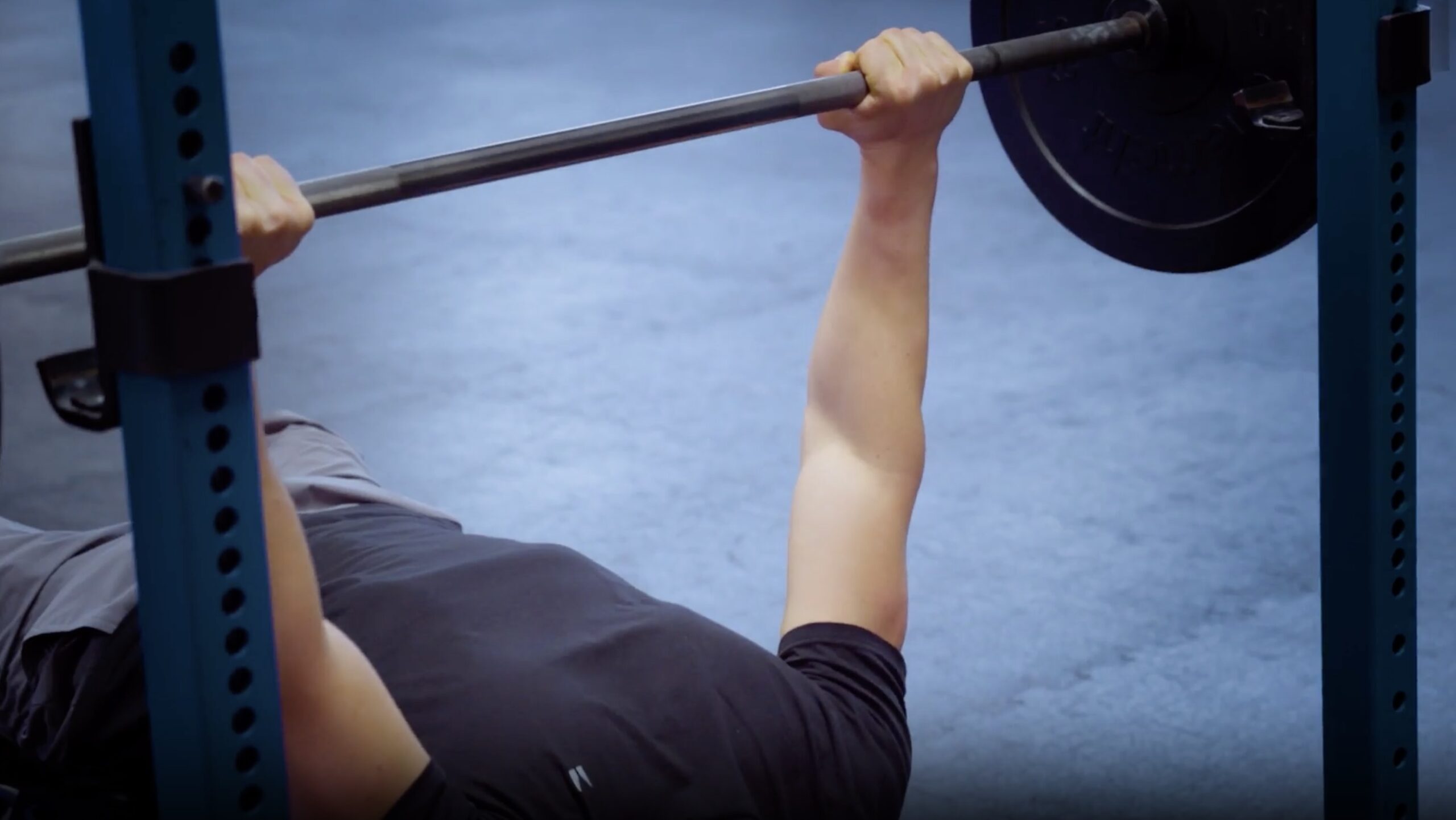


The bench press has long been considered the king of chest exercises. Walk into any gym and you will likely see a line forming around the bench stations on International Chest Day. While the bench press is undoubtedly an effective movement for building upper body strength and muscle mass, it is far from the only way to develop an impressive chest.
Many people cannot or should not rely heavily on barbell bench pressing. Shoulder discomfort, limited equipment, previous injuries, mobility restrictions, or simple personal preference can all make traditional heavy bench pressing less appealing. Others discover that despite years of benching, their chest growth has stalled.



The good news is that science shows muscle growth is driven by more than just lifting the heaviest weights possible. Research over the past decade has demonstrated that hypertrophy can be achieved through a variety of loading strategies, exercise selections, and movement patterns when training is programmed correctly.
In fact, some chest exercises may provide unique advantages over heavy bench pressing by increasing range of motion, improving muscle activation, reducing joint stress, or allowing greater focus on the pectoral muscles themselves.
Understanding How the Chest Grows
Before discussing specific exercises, it is important to understand what drives muscle growth. The pectoralis major is the primary chest muscle. It consists of two major regions:
- The clavicular head, often referred to as the upper chest
- The sternocostal head, which makes up most of the middle and lower chest
Muscle hypertrophy occurs when training creates sufficient mechanical tension, metabolic stress, and muscle fiber recruitment over time. Recent research has challenged the traditional belief that heavy weights are mandatory for muscle growth. Studies comparing heavy and lighter resistance training have consistently shown that both can produce similar hypertrophy when sets are taken close to muscular failure.
This means that exercises allowing high levels of tension and effort can stimulate significant chest growth even without maximal loads. Key factors for chest hypertrophy include:
- Sufficient training volume
- Progressive overload
- Full range of motion
- High levels of muscle activation
- Consistent training effort
The following three exercises excel in these areas while reducing dependence on heavy bench pressing.
Exercise 1: Deficit Push Ups
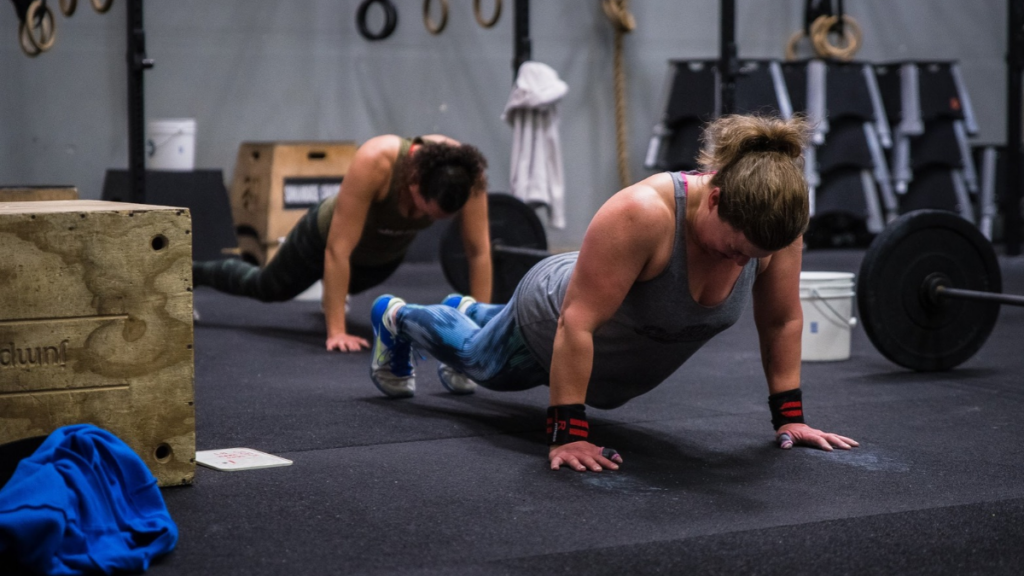
Push ups are often dismissed as beginner exercises, but this is a major mistake. When properly progressed and loaded, push ups can become highly effective chest builders.
Why Deficit Push Ups Work
Traditional push ups are limited by range of motion. The chest reaches the floor before the pectoral muscles are fully stretched. Deficit push ups solve this problem by elevating the hands on handles, parallettes, dumbbells, or sturdy platforms. This allows the chest to travel deeper below hand level, creating a greater stretch in the pectorals.
Research increasingly suggests that training muscles at longer muscle lengths may produce superior hypertrophy compared to shorter ranges. The deeper stretch increases mechanical tension throughout the pectoral fibers and challenges the muscle in a position associated with substantial growth stimulus.
Additionally, push ups naturally allow scapular movement. Unlike a fixed bench press setup, the shoulder blades can move more freely during the exercise, which may reduce stress on the shoulder joint for some lifters.
What the Research Says
Several studies have compared push ups with bench press variations. Research examining muscle activation patterns has shown that loaded push ups can generate pectoral activation levels comparable to bench pressing when resistance is appropriately matched.
Studies on range of motion have also demonstrated that greater movement depth can enhance hypertrophy outcomes compared with partial ranges. The ability to combine high activation with increased stretch makes deficit push ups particularly attractive for chest development.
How to Perform Deficit Push Ups
- Place your hands on parallettes, dumbbells, or push up handles.
- Position your body in a straight line from head to heels.
- Lower yourself under control until your chest drops below hand level.
- Pause briefly in the stretched position.
- Push back to the starting position.
- Fully contract the chest at the top.
Focus on keeping the elbows slightly tucked rather than flared aggressively outward.
Progression Strategies
Deficit push ups can be made significantly more challenging. Options include:
- Weighted vest push ups
- Resistance band push ups
- Elevated feet deficit push ups
- Tempo controlled repetitions
- Paused repetitions
These methods allow progressive overload without requiring heavy barbell loading.
Common Mistakes
Avoid these errors:
- Cutting the range of motion short
- Allowing the hips to sag
- Bouncing out of the bottom position
- Rushing repetitions
Controlled execution is essential for maximizing chest involvement.
Exercise 2: Dumbbell Chest Press
If the goal is chest growth rather than powerlifting performance, dumbbell pressing deserves far more attention. Many experienced lifters actually find that dumbbells produce better chest development than barbell pressing.
Why Dumbbell Presses Are Effective
A barbell locks both hands into a fixed path. Dumbbells allow each arm to move independently. This freedom offers several benefits:
- Greater range of motion
- Increased stretch at the bottom
- Improved muscular balance
- Enhanced stabilization demands
- Reduced joint restrictions
Because the dumbbells can travel deeper than a barbell, the pectorals experience a greater stretch during each repetition. The increased range of motion may contribute to greater hypertrophic stimulus over time. Dumbbells also allow lifters to adjust their arm path based on individual shoulder structure, which may improve comfort and long term training consistency.
Scientific Evidence
Research comparing dumbbell and barbell pressing has found similar levels of pectoral activation overall. However, dumbbells often require greater stabilizer muscle recruitment and permit larger movement amplitudes. Studies investigating resistance training range of motion indicate that exercises emphasizing longer muscle lengths can enhance muscle growth.
For chest training, dumbbells naturally facilitate this advantage. Furthermore, some lifters experience reduced shoulder discomfort when pressing with dumbbells compared to a fixed barbell path, allowing them to accumulate more productive training volume.
How to Perform the Dumbbell Chest Press
- Lie on a flat bench holding a dumbbell in each hand.
- Position the dumbbells above the chest.
- Lower slowly until a deep stretch is felt across the pectorals.
- Keep control throughout the descent.
- Press the weights upward while driving through the chest.
- Avoid slamming the dumbbells together at the top.
The focus should remain on controlled tension rather than simply moving weight from point A to point B.
Flat or Incline?
Both variations are valuable. Flat dumbbell pressing primarily targets the overall chest. Incline dumbbell pressing increases recruitment of the clavicular fibers associated with upper chest development. Many hypertrophy programs benefit from including both angles during the week.
Progression Methods
Progressive overload can be achieved through:
- Increasing repetitions
- Increasing weight
- Improving range of motion
- Adding sets
- Slowing eccentric tempo
Consistent progression remains one of the strongest predictors of long term muscle growth.
Exercise 3: Cable Chest Fly
The cable chest fly is often viewed as an accessory exercise, but its hypertrophy potential should not be underestimated. For individuals seeking maximal chest development without heavy bench pressing, it can be one of the most valuable movements available.
Why Cable Flys Build Muscle
One limitation of many pressing exercises is that resistance decreases as the arms approach lockout. With cables, tension remains present throughout nearly the entire range of motion. The chest is responsible for bringing the arms toward the midline of the body, a movement known as horizontal adduction.
Cable flys directly challenge this function. Unlike pressing exercises that heavily involve the triceps and anterior deltoids, flys place a larger proportion of the workload on the pectoral muscles themselves.
The exercise also allows substantial loading in the lengthened position while maintaining tension during peak contraction.
Scientific Support
Electromyography studies examining chest exercises frequently report high pectoral activation during cable fly variations. While EMG data alone does not determine hypertrophy outcomes, it helps identify exercises capable of effectively recruiting target muscles.
Research has also highlighted the importance of training muscles through long lengths and maintaining tension across a full range of motion. Cable flys align well with these principles. Additionally, cable systems create a resistance profile that differs from free weights. This variation may help provide a novel stimulus and reduce training monotony.
How to Perform Cable Chest Flys
- Set cable pulleys slightly above shoulder height.
- Take a staggered stance.
- Maintain a slight bend in the elbows.
- Open the arms until a deep chest stretch is felt.
- Bring the handles together in a wide arc.
- Squeeze the chest hard at peak contraction.
- Return slowly to the starting position.
Avoid turning the movement into a pressing exercise. The elbows should maintain a relatively fixed angle throughout the repetition.
Best Rep Ranges
Cable flys generally work best with moderate to high repetitions. Good targets include:
- 10 to 15 repetitions
- 12 to 20 repetitions
- Sets taken close to failure
Higher repetition work often complements heavier compound movements while minimizing joint stress.
Why You Do Not Need Heavy Bench Pressing for Chest Growth
Many gym goers assume bigger weights automatically mean bigger muscles. The evidence tells a more nuanced story. Research consistently demonstrates that muscle growth can occur across a wide range of loading schemes when effort levels are high.
Heavy loads remain useful, but they are not mandatory. For hypertrophy, the body responds primarily to mechanical tension and sufficient fiber recruitment. These can be achieved through moderate loads, higher repetitions, greater range of motion, and proximity to failure.
In practical terms, a challenging set of deficit push ups or cable flys can stimulate chest growth just as effectively as many traditional bench press sessions. This is particularly true when exercises are performed with excellent technique and progressive overload.
Building a Chest Focused Workout Without Heavy Bench Pressing
Here is an example evidence based chest workout using these three exercises.

Sample Session
Deficit Push Ups
- 4 sets
- 8 to 15 repetitions
Dumbbell Chest Press
- 4 sets
- 6 to 12 repetitions
Cable Chest Fly
- 3 to 4 sets
- 12 to 20 repetitions
Optional Incline Dumbbell Press
- 3 sets
- 8 to 12 repetitions
Train close to failure while maintaining proper form. Most research suggests weekly chest volume between approximately 10 and 20 challenging sets is effective for maximizing hypertrophy in trained individuals.
Additional Factors That Influence Chest Growth
Exercise selection matters, but it is only one piece of the puzzle. To maximize chest development, also focus on:
Protein Intake
Resistance training stimulates muscle protein synthesis, but dietary protein provides the building blocks required for growth. Most evidence supports consuming approximately 1.6 to 2.2 grams of protein per kilogram of body weight daily for hypertrophy.
Recovery
Muscles grow during recovery, not during the workout itself. Prioritize:
- Adequate sleep
- Proper nutrition
- Recovery between sessions
- Stress management
Progressive Overload
The body adapts quickly. To continue growing, gradually increase training demands over time through additional load, repetitions, sets, or improved execution.
Consistency
The best chest exercise is ultimately the one you can perform consistently for months and years. Even highly effective exercises fail if they lead to chronic pain or poor adherence.
Final Thoughts
Heavy bench pressing is not the only path to a bigger chest. Deficit push ups, dumbbell chest presses, and cable chest flys each offer unique advantages that support muscle growth. They provide high levels of mechanical tension, allow substantial chest activation, and can be progressed effectively over time.
Modern hypertrophy research shows that muscles respond to effort, tension, and consistent overload rather than a specific exercise. While the bench press remains a useful tool, it should not be viewed as mandatory. For many lifters, incorporating deeper ranges of motion, lengthened muscle positions, and exercises that better match individual anatomy may actually unlock greater chest development than endlessly chasing heavier bench press numbers.
If your goal is building a bigger chest while avoiding the wear and tear of constant heavy benching, these three exercises deserve a place in your program.
References
- Bloomquist, K., Langberg, H., Karlsen, S., Madsgaard, S., Boesen, M. and Raastad, T. (2013) ‘Effect of range of motion in heavy load squatting on muscle and tendon adaptations’, European Journal of Applied Physiology, 113(8), pp. 2133-2142.
- Gentil, P., Soares, S. and Bottaro, M. (2015) ‘Single versus multi joint resistance exercises: Effects on muscle strength and hypertrophy’, Asian Journal of Sports Medicine, 6(2), e24057.
- Kikuchi, N. and Nakazato, K. (2017) ‘Low load bench press and push up induce similar muscle hypertrophy and strength gain’, Journal of Exercise Science and Fitness, 15(1), pp. 37-42.
- Krzysztofik, M., Wilk, M., Wojdala, G. and Golas, A. (2021) ‘Maximizing muscle hypertrophy: A systematic review of advanced resistance training techniques and methods’, International Journal of Environmental Research and Public Health, 18(21), 11495.
- Morton, R.W., Oikawa, S.Y., Wavell, C.G., Mazara, N., McGlory, C., Quadrilatero, J., Baechler, B.L., Baker, S.K. and Phillips, S.M. (2016) ‘Neither load nor systemic hormones determine resistance training mediated hypertrophy or strength gains in resistance trained young men’, Journal of Applied Physiology, 121(1), pp. 129-138.
- Schoenfeld, B.J. (2010) ‘The mechanisms of muscle hypertrophy and their application to resistance training’, Journal of Strength and Conditioning Research, 24(10), pp. 2857-2872.