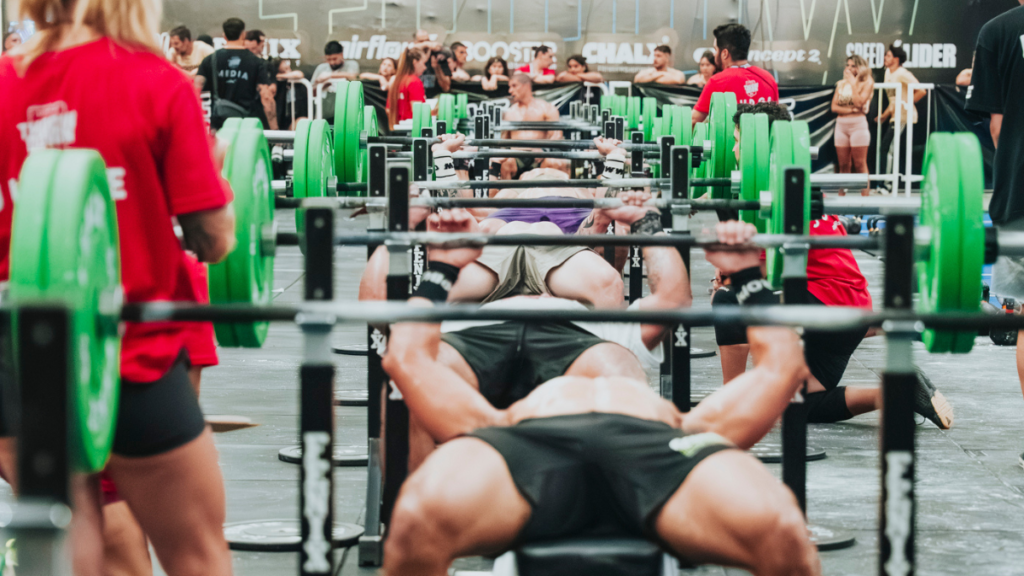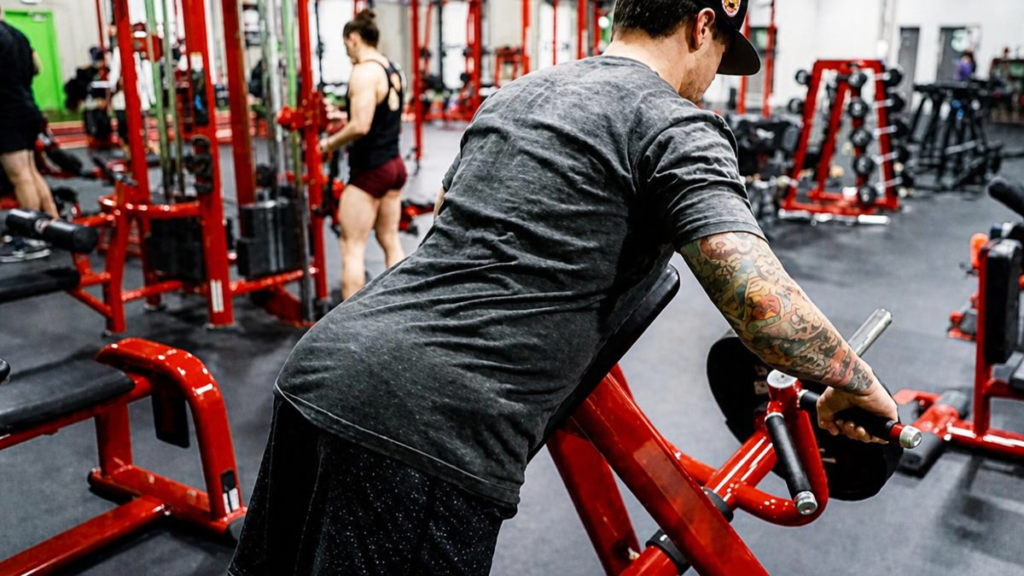


A bigger, stronger chest does not require a complicated routine, but it does benefit from intelligent exercise selection. The standard barbell bench press, dumbbell press, and push up deserve their popularity because they allow progressive loading and train the pectoralis major through a useful range of motion. Still, using only the same pressing pattern for months can make progress feel stale, limit comfort for some lifters, and leave potential muscle building stimulus on the table.
The three exercises below are unusual enough to freshen up chest training without turning it into a circus act. Each one still follows the principles that matter most for hypertrophy and strength: challenging resistance, adequate effort, sufficient training volume, and gradual progression over time. Research consistently shows that muscle growth can occur across a wide range of loads when sets are performed with high effort, while strength gains are most specific to the movements and loads you practice regularly.



These exercises should complement, rather than automatically replace, your main pressing lifts. If your goal is maximum barbell bench press strength, keep practicing the barbell bench press. If your goal is larger pecs, use these movements to add high quality work, create a different stimulus, and train hard without needlessly aggravating your shoulders or elbows.
Why Exercise Variety Can Help Chest Growth
The chest is primarily made up of the pectoralis major, a large fan shaped muscle with fibers that run in different directions. Its main jobs include bringing the upper arm across the body, moving it toward the torso, and helping rotate the arm inward. That is why a well rounded chest plan should include pressing movements as well as movements that let you actively bring the arms toward the midline.
Exercise variety is useful when it changes the training demand without reducing effort or making progression impossible. A new variation can alter the grip, angle, range of motion, resistance curve, or stability demand. These changes may allow you to train hard in a more comfortable position, expose the pecs to tension in a different part of the movement, or simply make it easier to accumulate enough productive weekly sets.
Variety is not magic. Switching exercises every workout makes it difficult to improve technique and track progress. Instead, keep one or two main chest movements consistent for several weeks, then use one unusual variation as a secondary lift. Aim to make a small improvement over time by adding a repetition, using a slightly heavier load, improving control, or completing the same work with better form.
Exercise 1: Reverse Grip Barbell Bench Press
Why It Is Worth Trying
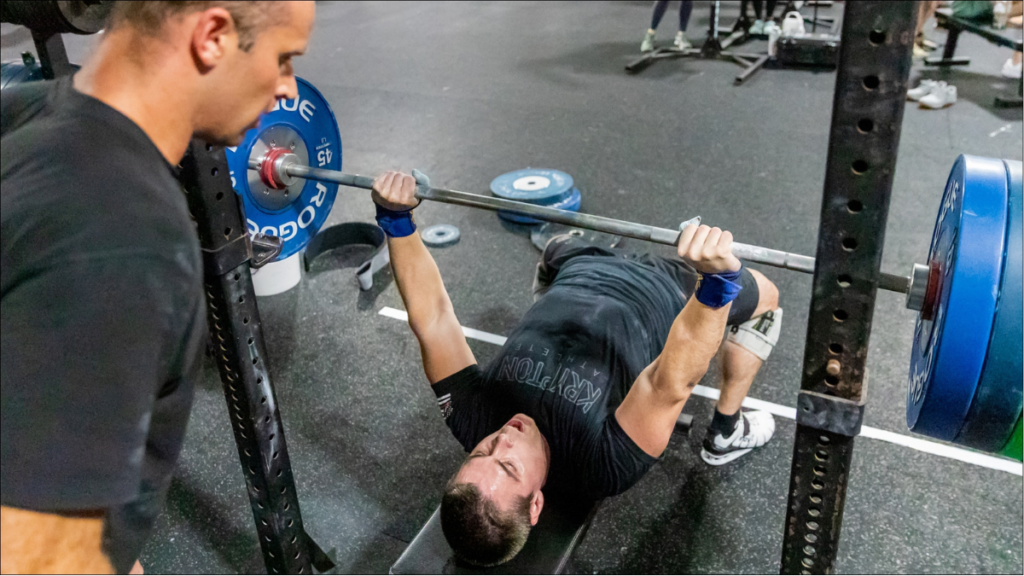
The reverse grip barbell bench press uses a palms facing position rather than the usual palms facing away position. This grip changes the elbow path and can make the lift feel more natural for lifters who experience shoulder discomfort with a standard bench press. It is not a gimmick, but it does require patience because the bar can feel unfamiliar in the hands at first.
Research examining different forearm positions during the bench press shows that grip and forearm orientation can change upper body muscle activity. The reverse grip variation remains a compound pressing exercise that lets you use substantial external load, which makes it a practical option for building pressing strength and adding productive chest volume.
The key benefit is not that the movement somehow bypasses the usual rules of training. Its value is that it provides another heavy pressing pattern. When a lifter can train the pecs hard with good technique, consistent progression, and minimal joint irritation, it can contribute to long term muscle growth.
How to Perform It
Set up in a bench press rack with the safety pins at an appropriate height. Lie on the bench with your feet firmly planted, your shoulder blades pulled back and down, and your upper back stable against the pad. Take a grip that is approximately shoulder width or a little wider, then rotate your palms so they face toward your face.
Unrack the bar carefully, preferably with a competent spotter. Lower the bar under control toward the lower portion of your chest while keeping your elbows tucked enough to maintain a strong and comfortable position. Press the bar back up by driving your upper arms toward the midline and extending the elbows. Keep the bar path controlled rather than trying to force it into the same groove as your regular bench press.
Is the Suitcase Carry The Perfect Six Pack Core Exercise You Aren’t Doing?
Start with a much lighter load than you expect to use. The grip can make the bar less secure, particularly during the unrack and rerack. A sensible starting point is two or three sets of six to ten repetitions, performed with several repetitions still available before true failure. Add load only after the movement feels stable and repeatable.
Common Mistakes
The biggest mistake is loading the exercise as though it were a normal bench press on the first day. The reverse grip changes the setup and the bar can roll if the wrists are not controlled. Another common mistake is allowing the elbows to drift excessively wide, which often makes the movement feel unstable and can reduce your ability to press forcefully.
If the reverse grip causes wrist discomfort, skip it. There is no requirement to use a particular variation. The goal is hard, progressive chest training that you can repeat week after week.
Exercise 2: Ring Push Ups
Why They Are More Than a Bodyweight Drill
Ring push ups look simple, but the freely moving handles make them dramatically different from standard floor push ups. The rings allow the hands to move independently, which increases the stability demand and lets many lifters use a comfortable hand and shoulder path. As you press up, you can also turn the palms slightly outward and actively bring the hands toward each other, which reinforces the primary function of the pecs.
Research comparing stable and unstable push up conditions has found that unstable surfaces can alter upper body muscle activation. This does not mean instability is automatically superior for hypertrophy. In fact, very unstable conditions may reduce the force you can produce. The useful middle ground is choosing an instability level that makes the movement challenging while still allowing controlled sets close to muscular fatigue.
Ring push ups are also highly scalable. Raising the rings reduces the proportion of bodyweight lifted, while elevating the feet increases it. You can add a weighted vest once your bodyweight sets become too easy. That makes the exercise more than a warm up movement and turns it into a legitimate chest builder.
How to Perform Them
Set the rings to a height that allows you to complete controlled repetitions. Begin with the rings around hip height if you are new to the movement. Hold the rings with straight arms and walk your feet back until your body forms a rigid line from head to heels. Brace your abs and squeeze your glutes so your hips do not sag.
Lower your chest between the hands with control. Keep the rings close to your body and allow your elbows to travel at an angle that feels strong and comfortable. Press back up while keeping the rings steady, then finish by lightly turning the palms outward and bringing the rings slightly toward each other. The movement should feel controlled, not wobbly or rushed.
Perform two to four sets of eight to fifteen repetitions. Stop a set when you can no longer keep your torso stiff or control the rings. When the exercise becomes easy, lower the rings, elevate your feet, slow the lowering phase, or add external load.
Common Mistakes
Many lifters set the rings too low too soon. Excessive instability turns the set into a balance challenge and prevents the chest from receiving enough hard work. Another mistake is letting the shoulders shrug toward the ears, which usually makes the exercise less comfortable and less controlled.
Treat ring push ups as a strength exercise. Use a setup that allows consistent repetitions, a stable torso, and clear progression over time.
Exercise 3: The Dumbbell Squeeze Press
Why Constant Inward Pressure Matters
The dumbbell squeeze press is performed by pressing two dumbbells together throughout the entire repetition. It is less common than a standard dumbbell bench press because the load is usually lighter, but it offers a useful training effect. The constant inward pressure requires the lifter to actively bring the arms toward the midline while pressing, which is a core function of the pectoralis major.
This exercise should not be viewed as a replacement for heavy pressing. Because the dumbbells must stay pressed together, the load is limited by grip, control, and the ability to maintain inward force. Its strength is as an accessory exercise that produces a focused chest contraction with relatively modest absolute loading.
Research on resistance training indicates that lighter loads can build muscle effectively when sets are performed with sufficiently high effort. That makes the squeeze press especially useful after heavier pressing work, when the chest is already warm and you want to add controlled volume without needing maximal loads.
How to Perform It
Lie on a flat bench holding two dumbbells directly over your chest with the handles parallel. Push the dumbbells firmly together before starting the first repetition. Keep that pressure throughout the entire set rather than allowing a gap to open between the weights.
Lower the dumbbells toward the center of your chest with control. Your elbows should remain angled away from your torso enough to let the chest work, but not so far outward that your shoulders feel strained. Press the dumbbells back to the start while continuing to squeeze them together as hard as you can manage.
Use a moderate to high repetition range of ten to twenty repetitions for two or three sets. The final few repetitions should feel difficult, but you should still control the dumbbells and preserve the inward squeeze. A slow lowering phase can make light dumbbells much more demanding without adding unnecessary joint stress.
Common Mistakes
The most common mistake is treating the squeeze press like a normal dumbbell press. If the dumbbells separate, the unique demand of the movement largely disappears. Another mistake is using dumbbells that are too heavy, which usually causes the elbows to flare, the weights to drift apart, and the range of motion to shorten.
Choose a load that allows constant pressure and a full, controlled movement. The goal is not to impress anyone with the dumbbell number. The goal is to give the pecs a hard set that you can measure and improve.
How to Program These Exercises
Use the reverse grip bench press early in a workout because it requires the most concentration and allows the heaviest loading. Ring push ups work well after a main press or as a standalone chest movement on a day when you want less barbell loading. The dumbbell squeeze press is best near the end of the session, when higher repetition work can add chest volume without compromising the quality of heavier lifts.
A practical approach is to include one of these variations for four to eight weeks. Complete enough weekly chest work to challenge the pecs, but spread that work across sessions if a large amount of volume makes your performance decline. Evidence suggests that higher weekly set volumes generally produce greater hypertrophy, although the best amount varies with training experience, recovery, exercise selection, and effort.
Keep the technique strict and make progression modest. Adding one repetition to a set is progress. Using the same load with better range of motion is progress. Adding a small amount of weight after you reach the top of your planned repetition range is progress. These small improvements, repeated for months, are what build bigger and stronger pecs.
Key Takeaways
| Exercise | Best use | Productive repetition range | Main coaching focus |
|---|---|---|---|
| Reverse grip barbell bench press | Heavy secondary press or a shoulder friendly pressing variation | 6 to 10 | Use a conservative load and keep the bar secure |
| Ring push ups | Scalable chest training with added stability demands | 8 to 15 | Keep the torso rigid and progress the body angle gradually |
| Dumbbell squeeze press | High effort accessory work after heavier presses | 10 to 20 | Maintain firm inward pressure between the dumbbells |
| All three exercises | Building chest size and strength over time | Varies by exercise | Track performance and increase the challenge gradually |
References
- American College of Sports Medicine (2009) ‘American College of Sports Medicine position stand: Progression models in resistance training for healthy adults’, Medicine & Science in Sports & Exercise, 41(3), pp. 687–708.
- Calatayud, J., Borreani, S., Colado, J.C., Martin, F., Flandez, J., Page, P. and Andersen, L.L. (2015) ‘Bench press and push up at comparable levels of muscle activity results in similar strength gains’, Journal of Strength and Conditioning Research, 29(1), pp. 246–253.
- Freeman, S., Karpowicz, A., Gray, J. and McGill, S. (2006) ‘Quantifying muscle patterns and spine load during various forms of the push up’, Medicine & Science in Sports & Exercise, 38(3), pp. 570–577.
- Grgic, J., Schoenfeld, B.J., Davies, T.B., Lazinica, B., Krieger, J.W. and Pedisic, Z. (2018) ‘Effect of resistance training frequency on gains in muscular strength: A systematic review and meta analysis’, Sports Medicine, 48(5), pp. 1207–1220.
- Lehman, G.J. (2005) ‘The influence of grip width and forearm pronation and supination on upper body myoelectric activity during the flat bench press’, Journal of Strength and Conditioning Research, 19(3), pp. 587–591.
- Schoenfeld, B.J., Ogborn, D. and Krieger, J.W. (2017) ‘Strength and hypertrophy adaptations between low versus high load resistance training: A systematic review and meta analysis’, Journal of Strength and Conditioning Research, 31(12), pp. 3508–3523.
- Schoenfeld, B.J., Ogborn, D. and Krieger, J.W. (2019) ‘Dose response relationship between weekly resistance training volume and increases in muscle mass: A systematic review and meta analysis’, Journal of Sports Sciences, 37(11), pp. 1286–1295.