

Building muscle on a vegetarian diet is not only possible, it can be highly effective when done correctly. Muscle growth depends on a combination of resistance training, adequate calorie intake, and sufficient high quality protein. While animal products are often highlighted for their protein content, a growing body of research shows that plant based foods can support muscle protein synthesis, recovery, and overall performance when properly selected and combined.
This article breaks down five of the most effective vegetarian foods for muscle growth, explains why they work from a physiological standpoint, and shows how to use them in a practical way. Every claim is grounded in scientific evidence, so you can rely on the information to guide your training and nutrition.


Understanding Muscle Growth on a Vegetarian Diet
Before diving into the foods, it is important to understand what drives muscle gain.
Protein Quality and Amino Acids
Muscle protein synthesis is stimulated by essential amino acids, especially leucine. Animal proteins typically contain all essential amino acids in optimal ratios, while many plant proteins are lower in one or more amino acids. However, combining different plant foods can easily solve this limitation.

Research shows that total daily protein intake is the most important factor, followed by protein distribution across meals. Vegetarians can achieve similar muscle gains to omnivores when protein intake is adequate and well planned.
Total Protein Intake
For muscle growth, most research suggests:
- 1.6 to 2.2 grams of protein per kilogram of body weight per day
- Even distribution across 3 to 5 meals
- Each meal containing around 20 to 40 grams of protein
Plant based diets may require slightly higher intake due to lower digestibility of some plant proteins, but this difference is small when food choices are optimized.
Calorie Intake and Training
No amount of protein will build muscle without sufficient calories and progressive resistance training. A slight calorie surplus combined with structured strength training remains essential.
With that foundation in place, let’s look at the foods that can accelerate muscle growth.
1. Lentils
Lentils are one of the most effective plant based protein sources for muscle growth. They are affordable, versatile, and packed with nutrients that support recovery and performance.
Nutritional Profile
One cup of cooked lentils provides approximately:
- 18 grams of protein
- High fiber content
- Iron, magnesium, and potassium
- Complex carbohydrates
Why Lentils Support Muscle Growth
Lentils provide a solid dose of protein along with carbohydrates, which are critical for replenishing glycogen stores after training. The combination of protein and carbs enhances recovery and supports repeated performance in training sessions.
They are also rich in iron, which is essential for oxygen transport in the blood. Low iron levels can impair endurance and recovery, especially in vegetarian athletes.

Amino Acid Considerations
Lentils are lower in methionine but rich in lysine. Pairing lentils with grains such as rice or quinoa creates a complete amino acid profile.
Practical Use
- Lentil curry with rice
- Lentil salads with quinoa
- Lentil based soups post workout
Consistent intake of lentils can significantly contribute to total daily protein needs while supporting overall health.
2. Eggs
Eggs are one of the highest quality protein sources available to vegetarians who include animal products.
Nutritional Profile
One large egg contains:
- About 6 to 7 grams of protein
- All essential amino acids
- High leucine content
- Vitamins such as B12 and D
Why Eggs Support Muscle Growth
Egg protein has a high biological value, meaning it is efficiently used by the body. It contains a strong leucine content, which directly stimulates muscle protein synthesis.

Studies have shown that whole eggs may be more effective than egg whites alone for muscle building due to additional nutrients in the yolk that enhance anabolic signaling.
Digestibility and Absorption
Egg protein is highly digestible and rapidly absorbed, making it ideal for post workout meals.
Practical Use
- Omelets with vegetables
- Hard boiled eggs as snacks
- Scrambled eggs with whole grain toast
Including eggs regularly can help ensure you meet high quality protein requirements.
3. Greek Yogurt
Greek yogurt is a powerful food for muscle growth due to its combination of fast and slow digesting proteins.
Nutritional Profile
One cup of Greek yogurt provides:
- 15 to 20 grams of protein
- Calcium
- Probiotics for gut health
Why Greek Yogurt Supports Muscle Growth
Greek yogurt contains both whey and casein protein. Whey is rapidly absorbed and stimulates immediate muscle protein synthesis, while casein digests slowly and provides a sustained release of amino acids.
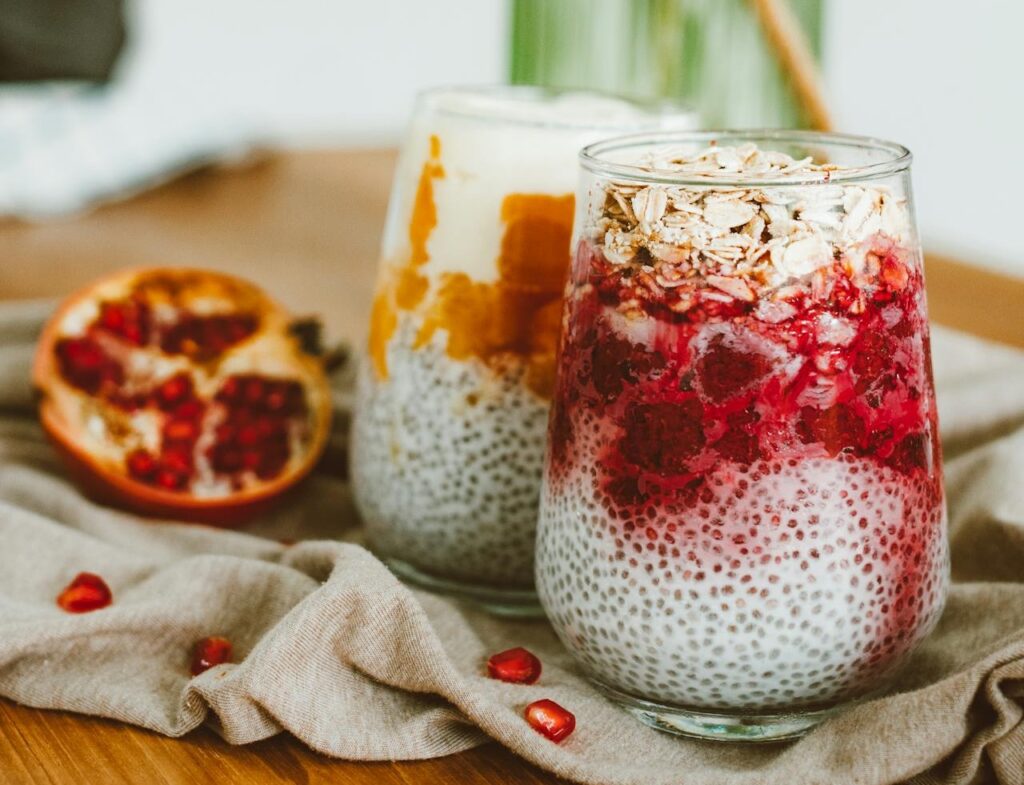
This dual effect makes Greek yogurt ideal for both post workout recovery and pre sleep nutrition.
Gut Health and Recovery
The probiotics in yogurt support gut health, which plays a role in nutrient absorption and immune function. A healthy gut can improve overall recovery and training consistency.
Practical Use
- Greek yogurt with fruit and oats
- Smoothies with yogurt and protein powder
- Evening snack before sleep
It is a simple and effective way to increase protein intake without much preparation.
4. Tofu
Tofu is one of the most popular plant based protein sources and a staple in vegetarian diets.
Nutritional Profile
A 100 gram serving of tofu provides:
- Around 8 to 15 grams of protein depending on type
- All essential amino acids
- Calcium and iron
Why Tofu Supports Muscle Growth
Soy protein is considered a complete protein, meaning it contains all essential amino acids. It has been extensively studied and shown to support muscle growth effectively.
While soy protein may have slightly lower leucine content compared to whey, consuming adequate total protein compensates for this difference.
Hormonal Concerns
There is a common misconception that soy negatively affects testosterone levels. Scientific evidence shows that moderate soy intake does not reduce testosterone or impair muscle growth in men.
Practical Use
- Stir fries with tofu and vegetables
- Grilled tofu with rice or quinoa
- Tofu scrambles as a breakfast option
Tofu is highly adaptable and can be incorporated into a wide variety of meals.
5. Quinoa
Quinoa stands out among grains due to its complete protein profile and high nutrient density.
Nutritional Profile
One cup of cooked quinoa provides:
- About 8 grams of protein
- All essential amino acids
- Magnesium, iron, and fiber
Why Quinoa Supports Muscle Growth
Unlike most grains, quinoa contains all essential amino acids, making it a valuable protein source for vegetarians. It also provides carbohydrates that fuel training and recovery.
Its magnesium content supports muscle function and energy production, which are critical during intense workouts.
Glycogen Replenishment
The carbohydrates in quinoa help restore glycogen levels after exercise, improving recovery and performance in subsequent training sessions.
Practical Use
- Quinoa bowls with vegetables and tofu
- Quinoa salads with lentils
- Side dish with eggs or yogurt based meals
Quinoa can serve as both a protein and carbohydrate source, making it highly efficient for muscle building diets.
Combining Foods for Maximum Muscle Growth
No single food determines success. Muscle growth depends on how foods are combined across the day.

Smart Pairings
Combining different vegetarian foods improves amino acid profiles:
- Lentils with rice
- Tofu with quinoa
- Yogurt with oats
Meal Timing
Distributing protein intake evenly across the day maximizes muscle protein synthesis:
- Breakfast with protein rich foods
- Post workout meal with protein and carbs
- Evening meal or snack with slower digesting protein
Total Daily Intake
Focus on hitting total protein targets rather than relying on one specific food. Variety ensures better nutrient coverage and long term sustainability.
Common Mistakes in Vegetarian Muscle Building
Not Eating Enough Protein
Many vegetarians underestimate their protein needs. Tracking intake can help ensure adequate consumption.
Ignoring Calories
Muscle growth requires a calorie surplus. Eating clean but insufficient calories will limit progress.
Poor Meal Planning
Relying on random meals instead of structured planning often leads to imbalanced nutrition.
Overreliance on Processed Foods
While plant based alternatives are convenient, whole foods should form the foundation of the diet.
Sample Day of Eating for Muscle Growth
Here is an example of how these foods can be combined:
Breakfast:
Greek yogurt with oats, fruit, and nuts
Lunch:
Lentil and quinoa salad with vegetables
Snack:
Hard boiled eggs and a piece of fruit
Dinner:
Tofu stir fry with rice and vegetables
Evening snack:
Greek yogurt or cottage cheese alternative
This structure ensures consistent protein intake and supports recovery throughout the day.
Final Thoughts
Vegetarian diets can fully support muscle growth when built around nutrient dense, protein rich foods. Lentils, eggs, Greek yogurt, tofu, and quinoa provide a powerful combination of amino acids, carbohydrates, and micronutrients that drive performance and recovery.
The key is consistency. Meeting protein and calorie needs daily, training progressively, and combining foods intelligently will deliver results comparable to any other diet. Muscle growth is not about whether protein comes from plants or animals. It is about total intake, quality, and timing.
References
- Phillips, S.M. and Van Loon, L.J.C., 2011. Dietary protein for athletes. Journal of Sports Sciences, 29(sup1), pp.S29 to S38.
- Morton, R.W. et al., 2018. A systematic review of protein supplementation and resistance training. British Journal of Sports Medicine, 52(6), pp.376 to 384.
- Tang, J.E. et al., 2009. Ingestion of whey hydrolysate, casein, or soy protein isolate. Journal of Applied Physiology, 107(3), pp.987 to 992.
- Moore, D.R. et al., 2009. Ingested protein dose response of muscle protein synthesis. The American Journal of Clinical Nutrition, 89(1), pp.161 to 168.
- Wilkinson, S.B. et al., 2007. Effects of milk protein and soy protein on muscle synthesis. The American Journal of Clinical Nutrition, 85(4), pp.1031 to 1040.
- Hartman, J.W. et al., 2007. Consumption of milk proteins after resistance exercise. The American Journal of Clinical Nutrition, 86(2), pp.373 to 381.
- Messina, M., 2010. Soybean isoflavone exposure does not have feminizing effects. Fertility and Sterility, 93(7), pp.2095 to 2104.