


Getting lean, muscular, and strong for summer is not just about grinding in the gym. Nutrition plays an equally important role, and in many cases it is the deciding factor between average and exceptional results. While calories and macronutrients matter, food quality, micronutrient density, and digestion also influence muscle growth, fat loss, recovery, and overall performance.
This article focuses on five scientifically supported foods that can help you build muscle, reduce body fat, and improve training outcomes. These are not trendy superfoods or gimmicks. They are practical, accessible, and backed by solid research. If you consistently include these foods in your diet while training properly, you will significantly improve your chances of getting lean and muscular.


Why Food Choice Matters for Muscle Growth
Before diving into the foods themselves, it is important to understand why specific food choices matter. Muscle growth, also known as hypertrophy, depends on several key factors:
- Sufficient protein intake to stimulate muscle protein synthesis
- Adequate energy intake to support training and recovery
- Proper nutrient timing and digestion
- Hormonal balance influenced by diet
- Micronutrient intake for metabolic function
Research shows that protein quality, amino acid composition, and nutrient timing directly affect muscle protein synthesis rates. Leucine, an essential amino acid, plays a central role in activating the mTOR pathway, which is responsible for muscle growth. Whole foods rich in leucine and other essential nutrients tend to be more effective than low quality processed foods.
Now let’s look at the five foods that can help you get jacked for summer.
1. Eggs

Eggs are one of the most complete and effective muscle building foods available. They are rich in high quality protein, healthy fats, and essential micronutrients.
Nutritional Profile and Benefits
A single large egg contains approximately:
- 6 to 7 grams of high quality protein
- All nine essential amino acids
- Significant amounts of choline, vitamin D, and B vitamins
- Healthy fats that support hormone production
Egg protein has a high biological value, meaning it is efficiently used by the body for muscle repair and growth. It also contains a strong leucine content, which is critical for initiating muscle protein synthesis.
Scientific Evidence
Research has shown that consuming whole eggs after resistance training leads to greater muscle protein synthesis compared to consuming egg whites alone. This suggests that the combination of nutrients in the yolk enhances anabolic signaling.
Eggs also support overall health through their micronutrient content, particularly choline, which plays a role in muscle contraction and brain function.
How to Use Eggs for Muscle Growth
- Eat 3 to 4 whole eggs in a meal to maximize protein intake
- Include eggs in breakfast or post workout meals
- Combine with carbohydrates like oats or whole grain bread for recovery
2. Lean Beef
Lean beef is one of the best foods for building strength and muscle mass. It provides high quality protein along with key nutrients that support performance and recovery.
Nutritional Profile and Benefits
Lean beef is rich in:
- Complete protein with high leucine content
- Iron, which supports oxygen transport and endurance
- Zinc, which supports immune function and testosterone production
- Creatine, a compound linked to improved strength and power
Creatine is naturally found in red meat and plays a crucial role in ATP production, which fuels high intensity exercise.
Scientific Evidence
Studies have shown that dietary protein from animal sources like beef effectively stimulates muscle protein synthesis. Additionally, creatine intake is associated with increased muscle mass, strength, and training performance.
Iron deficiency is also linked to reduced physical performance, making beef particularly valuable for athletes and active individuals.
How to Use Lean Beef
- Choose cuts like sirloin or lean ground beef
- Aim for 20 to 40 grams of protein per serving
- Combine with vegetables and carbohydrates for balanced meals
3. Greek Yogurt
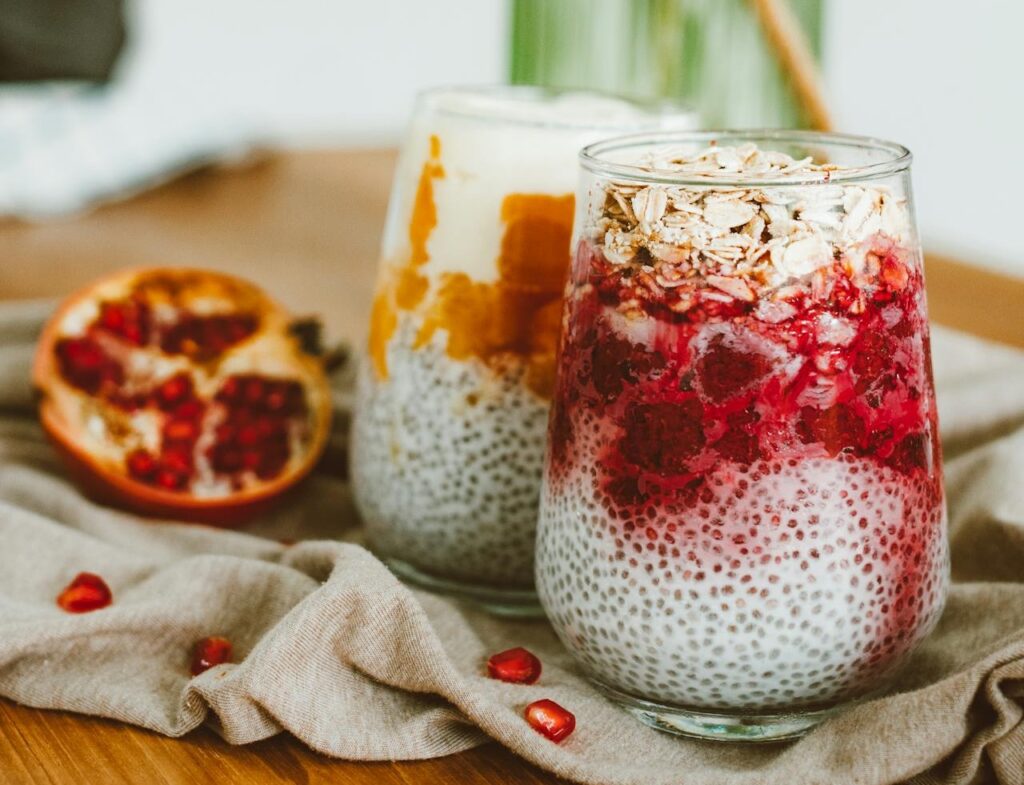
Greek yogurt is a powerhouse food for muscle building due to its high protein content and unique combination of fast and slow digesting proteins.
Nutritional Profile and Benefits
Greek yogurt provides:
- High levels of protein, often 15 to 20 grams per serving
- Casein protein, which digests slowly and supports overnight recovery
- Probiotics that support gut health and nutrient absorption
- Calcium, important for muscle contraction
The combination of whey and casein proteins makes Greek yogurt particularly effective for sustained amino acid delivery.
Scientific Evidence
Casein protein has been shown to reduce muscle protein breakdown and support recovery, especially when consumed before sleep. Additionally, gut health plays a significant role in nutrient absorption and overall metabolic efficiency.
Probiotics in yogurt may improve digestion and enhance immune function, both of which are important during intense training phases.
How to Use Greek Yogurt
- Eat before bed to support overnight recovery
- Add fruit and oats for a balanced snack
- Use as a high protein alternative to desserts
4. Salmon
Salmon is one of the best sources of omega 3 fatty acids, which play a critical role in muscle growth, inflammation control, and overall health.

Nutritional Profile and Benefits
Salmon contains:
- High quality protein
- Omega 3 fatty acids EPA and DHA
- Vitamin D, which supports muscle function and hormone health
- Anti inflammatory compounds
Omega 3 fatty acids are particularly important for reducing exercise induced inflammation and improving recovery.
Scientific Evidence
Research indicates that omega 3 supplementation can enhance muscle protein synthesis and improve muscle function, especially when combined with resistance training. Omega 3s also improve insulin sensitivity, which helps shuttle nutrients into muscle cells more efficiently.
Vitamin D deficiency has been linked to reduced muscle strength and performance, making salmon an important dietary addition.
How to Use Salmon
- Eat 2 to 3 servings per week
- Pair with vegetables and rice or potatoes
- Use as a post workout meal for recovery
5. Oats
Oats are a complex carbohydrate source that provides sustained energy and supports muscle growth through improved training performance.
Nutritional Profile and Benefits
Oats offer:
- Complex carbohydrates for sustained energy
- Fiber that supports digestion and satiety
- Moderate protein content
- Micronutrients like magnesium and iron
Carbohydrates are essential for replenishing glycogen stores, which fuel resistance training and high intensity workouts.

Scientific Evidence
Studies show that carbohydrate intake before and after training improves performance, recovery, and muscle growth. Glycogen depletion can limit training intensity, which directly impacts hypertrophy.
Oats also have a low glycemic index, providing steady energy without sharp blood sugar spikes.
How to Use Oats
- Eat before workouts for sustained energy
- Combine with protein sources like eggs or yogurt
- Add fruit for additional micronutrients
Putting It All Together
While each of these foods is powerful on its own, the real magic happens when they are combined into a balanced diet. Muscle growth requires consistency, both in training and nutrition.
A simple daily structure could look like this:
- Breakfast: Eggs and oats
- Lunch: Lean beef with vegetables and rice
- Snack: Greek yogurt with fruit
- Dinner: Salmon with potatoes and greens
This approach ensures you are covering protein, carbohydrates, fats, and essential micronutrients.
Common Mistakes to Avoid
Even with the right foods, mistakes can limit your progress. Here are some key pitfalls to watch out for:
- Not eating enough total calories
- Skipping protein intake throughout the day
- Relying too heavily on processed foods
- Ignoring recovery and sleep
- Inconsistent eating patterns
Consistency is more important than perfection. Focus on building habits around these foods rather than chasing extreme diets.
Final Thoughts
Getting jacked for summer is not about quick fixes or restrictive diets. It is about fueling your body with the right foods, training hard, and staying consistent over time. Eggs, lean beef, Greek yogurt, salmon, and oats provide a strong nutritional foundation that supports muscle growth, recovery, and performance.
If you prioritize these foods and combine them with structured training, you will put yourself in the best possible position to build muscle and look your best.
References
- Areta, J.L., Burke, L.M., Ross, M.L., Camera, D.M., West, D.W., Broad, E.M., Jeacocke, N.A., Moore, D.R., Stellingwerff, T., Phillips, S.M. and Hawley, J.A. (2013). Timing and distribution of protein ingestion during prolonged recovery from resistance exercise alters myofibrillar protein synthesis. The Journal of Physiology, 591(9), pp.2319 to 2331.
- Burd, N.A., Beals, J.W., Martinez, I.G., Salvador, A.F. and Skinner, S.K. (2019). Food first approach to enhance the regulation of post exercise skeletal muscle protein synthesis and remodeling. Sports Medicine, 49(1), pp.59 to 68.
- Hartman, J.W., Tang, J.E., Wilkinson, S.B., Tarnopolsky, M.A., Lawrence, R.L., Fullerton, A.V. and Phillips, S.M. (2007). Consumption of fat free fluid milk after resistance exercise promotes greater lean mass accretion than soy or carbohydrate in young novice male weightlifters. The American Journal of Clinical Nutrition, 86(2), pp.373 to 381.
- Hulmi, J.J., Lockwood, C.M. and Stout, J.R. (2010). Effect of protein and amino acid supplementation on muscle hypertrophy during resistance training. Sports Medicine, 40(5), pp.397 to 412.