

Elbow pain can quietly derail your training. It often starts as a mild ache during curls or presses and gradually turns into a sharp, stubborn discomfort that lingers long after your workout ends. For CrossFit athletes, weightlifters, bodybuilders, and anyone who trains hard in the gym, elbow pain is common, but it is not inevitable.
The elbow is a complex joint that transfers force between the shoulder and the hand. It absorbs enormous loads during pulling, pressing, gripping, and Olympic lifting. When training volume, intensity, or technique exceed the tissue’s capacity to adapt, problems arise.


This article breaks down exactly how to avoid elbow pain in the gym. Every recommendation is grounded in scientific evidence, and everything is explained in clear, practical terms so you can apply it immediately.
Understanding Elbow Pain: What Is Actually Going On?
Before we talk prevention, you need to understand what elbow pain usually represents.
The Most Common Culprits: Tendinopathy
The majority of gym-related elbow pain comes from tendinopathy — a disorder of the tendon where it becomes painful and dysfunctional due to repeated loading.
The two most common types are:
- Lateral elbow tendinopathy (often called “tennis elbow”)
- Medial elbow tendinopathy (often called “golfer’s elbow”)
Despite the names, you do not need to play tennis or golf to develop them. Heavy gripping, pulling, kipping, high-rep barbell cycling, and repetitive pressing can all overload the tendons around the elbow.
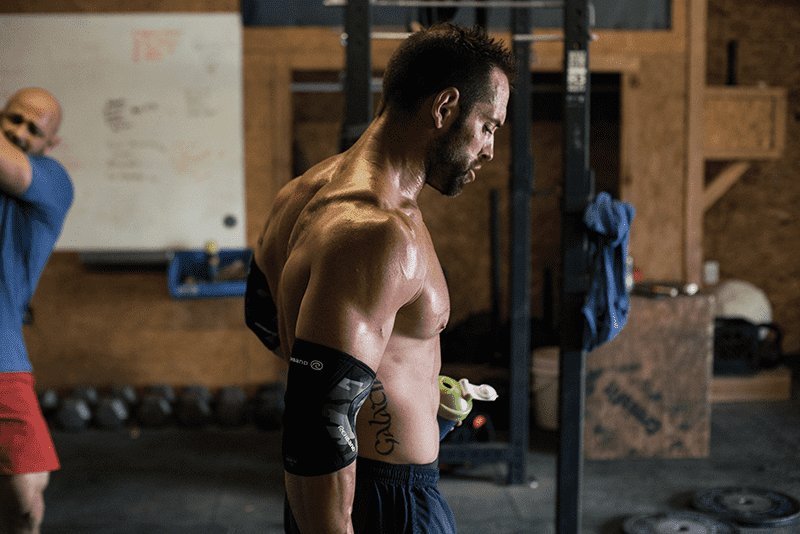
Modern research shows that tendinopathy is not primarily an inflammatory condition. Instead, it involves structural changes in the tendon, including collagen disorganization and altered cell activity. That means “rest and anti-inflammatories” alone are rarely the full solution.
Tendons respond to load — but only when the load is appropriate.
Why Gym Athletes Are at Risk
Several biomechanical and training factors increase the risk of elbow pain:
- High gripping demands (pull-ups, barbell cycling, rope climbs)
- Rapid spikes in training volume
- Poor technique under fatigue
- Weakness in surrounding joints (especially the shoulder and wrist)
- Limited recovery
Tendon tissue adapts more slowly than muscle. Research shows that while muscles can gain strength within weeks, tendon adaptation lags behind. If you increase training intensity quickly, your muscles may handle it — your tendons may not.
This mismatch is a major driver of elbow pain.
The Science of Tendon Load and Adaptation
Understanding how tendons respond to training is key to prevention.
Tendons Need Mechanical Load
Tendons become stronger in response to mechanical loading. Studies show that resistance training increases tendon stiffness and improves collagen alignment when the load is progressive and consistent.
However, the dose matters.
Excessive repetitive loading without adequate recovery leads to microdamage accumulation. Over time, the tendon’s structure becomes disorganized, pain sensitivity increases, and performance declines.
The key principle: load, recover, adapt.
Sudden Spikes in Volume Are Dangerous
One of the strongest predictors of tendon injury is rapid increases in training load.
Research across sports shows that sudden workload spikes significantly increase injury risk. Tendons tolerate gradual progression but struggle with abrupt changes.
Common gym scenarios that trigger elbow pain:
- Adding daily pull-ups when you previously trained them once per week
- High-volume barbell cycling after a long break
- Aggressive grip training layered on top of heavy pulling
- Returning from vacation and jumping back into max effort sessions
Progression must be gradual. Your tendons need time to remodel.
How to Avoid Elbow Pain: Practical Strategies Backed by Science
Now let’s move into prevention.
1. Manage Training Load Intelligently
Load management is the single most important factor.
Gradual Progression
Increase volume and intensity gradually. A conservative guideline supported in sports medicine literature is to avoid increasing total workload by more than about 10 percent per week.

This does not mean you must track everything obsessively. It means:
- Do not double your pulling volume overnight.
- Introduce new movements slowly.
- Build capacity before adding intensity.
Monitor High-Risk Movements
Certain exercises place high strain on elbow tendons:
- High-rep pull-ups and chest-to-bar
- Kipping and butterfly pull-ups
- Barbell cycling (cleans, snatches)
- Heavy curls
- Skull crushers
- Rope climbs
- Ring muscle-ups
If elbow soreness is building, reduce volume temporarily rather than pushing through it.
Pain during tendon loading is not always harmful, but worsening pain that lingers for days is a red flag.
2. Strengthen the Tendon Properly
Tendon health depends on targeted strength work.
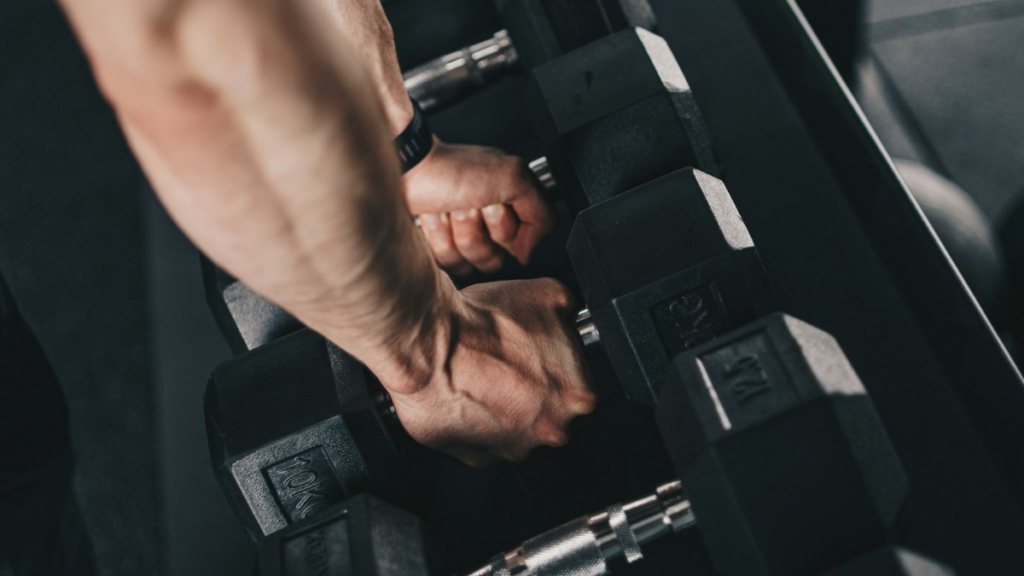
Heavy Slow Resistance Training
Research consistently supports heavy slow resistance training for tendon adaptation.
This involves:
- Moderate to heavy loads
- Controlled tempo (especially slow eccentrics)
- Progressive overload
For lateral elbow health, examples include:
- Slow eccentric wrist extension with a dumbbell
- Reverse curls with controlled lowering
- Hammer curls with a 3–4 second lowering phase
For medial elbow health:
- Slow wrist flexion exercises
- Pronator strengthening
- Controlled gripping drills
Eccentric loading has been shown to stimulate tendon remodeling and improve pain and function in tendinopathy.
Isometric Exercises for Pain Modulation
Isometric contractions (holding a weight without moving) can reduce tendon pain in the short term and may allow continued training.
Examples:
- Isometric wrist extension holds
- Static dumbbell holds at mid-curl
- Heavy farmer’s carries (within pain tolerance)
These can be used as part of a warm-up or during rehab phases.
3. Improve Shoulder Strength and Control
The elbow does not function in isolation.
Weakness or instability at the shoulder increases stress on the elbow, especially during pulling and overhead work.
Research in overhead athletes shows that scapular weakness and poor shoulder mechanics are associated with increased elbow load.
Key areas to strengthen:
- Lower trapezius
- Serratus anterior
- Rotator cuff
- Posterior shoulder
Exercises to include:
- Prone Y and T raises
- Face pulls
- External rotations
- Scapular pull-ups
If your shoulder blade is not stable, your elbow absorbs the extra stress.
4. Do Not Neglect Wrist Strength and Mobility
The wrist directly influences elbow loading.

Limited wrist mobility changes force distribution during pressing and pulling. Weak wrist extensors are strongly associated with lateral elbow pain.
Add these to your routine:
- Wrist extension strengthening
- Controlled wrist flexion work
- Grip strength variation (thick bars, towel grips in moderation)
- Gentle wrist mobility drills
Balance is critical. Excessive grip training without recovery can overload the system.
5. Refine Your Technique
Poor mechanics increase tendon strain.
Pulling Movements
Common mistakes:
- Over-gripping the bar
- Shrugging excessively
- Hyperextending the wrist during pull-ups
- Aggressive kipping without control
Focus on:
- Neutral wrist position
- Active shoulder engagement before pulling
- Controlled eccentric lowering
Research shows that altered movement patterns increase tissue stress. Small technical corrections can significantly reduce strain.
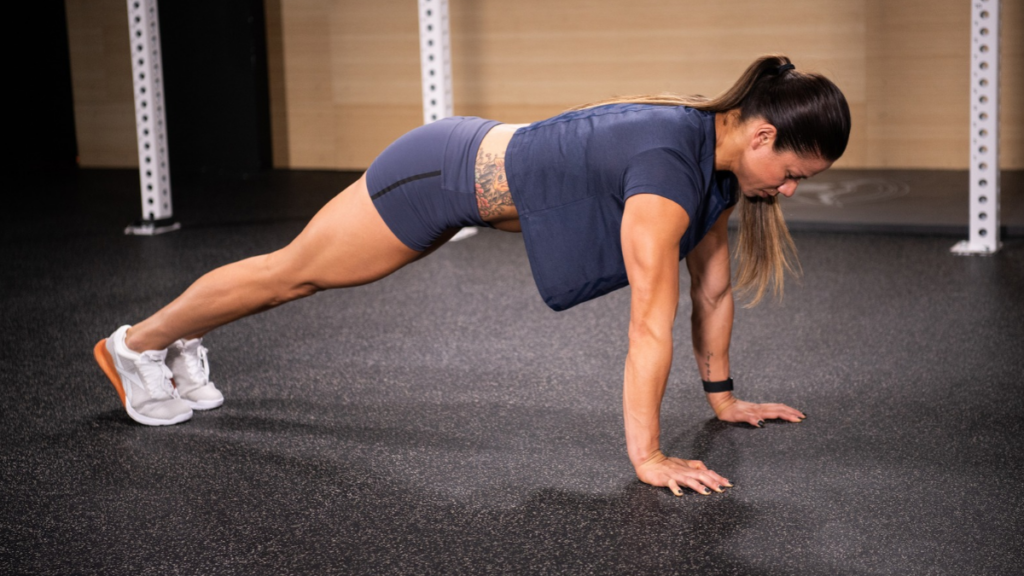
Pressing Movements
In presses and push-ups:
- Avoid flared elbows at extreme angles.
- Maintain stacked wrist-over-elbow alignment.
- Keep forearms vertical in presses.
Bar path and joint alignment matter more than most athletes realize.
6. Respect Recovery
Tendons recover more slowly than muscle.
Sleep
Sleep is essential for tissue repair. Research consistently shows that reduced sleep is associated with increased injury risk in athletes.
Aim for 7–9 hours per night.

Nutrition
Tendon health depends on adequate protein intake and collagen synthesis.
Emerging research suggests that consuming collagen or gelatin with vitamin C before loading exercise may support collagen production.
General guidelines:
- Protein intake around 1.6–2.2 g/kg body weight per day for active individuals
- Adequate vitamin C intake
- Sufficient overall caloric intake
Undereating while training intensely increases injury risk.
7. Avoid Complete Rest When Possible
If elbow pain starts, many athletes stop training completely. This is often unnecessary.
Research shows that completely unloading tendons can reduce their capacity. Instead, modify load:
- Reduce volume
- Decrease intensity
- Remove aggravating exercises
- Maintain pain-free or low-pain strength work
Pain monitoring models suggest that mild pain during exercise (for example, up to 3–5 out of 10) may be acceptable if symptoms do not worsen the next day.
Complete rest should be reserved for severe cases.
8. Use Bracing and Straps Strategically
Counterforce braces can reduce tendon strain temporarily by redistributing load. Lifting straps reduce grip demand during heavy pulls.
These tools are not long-term solutions, but they can:
- Help manage load during flare-ups
- Reduce excessive gripping during high-volume sessions
Use them strategically, not constantly.
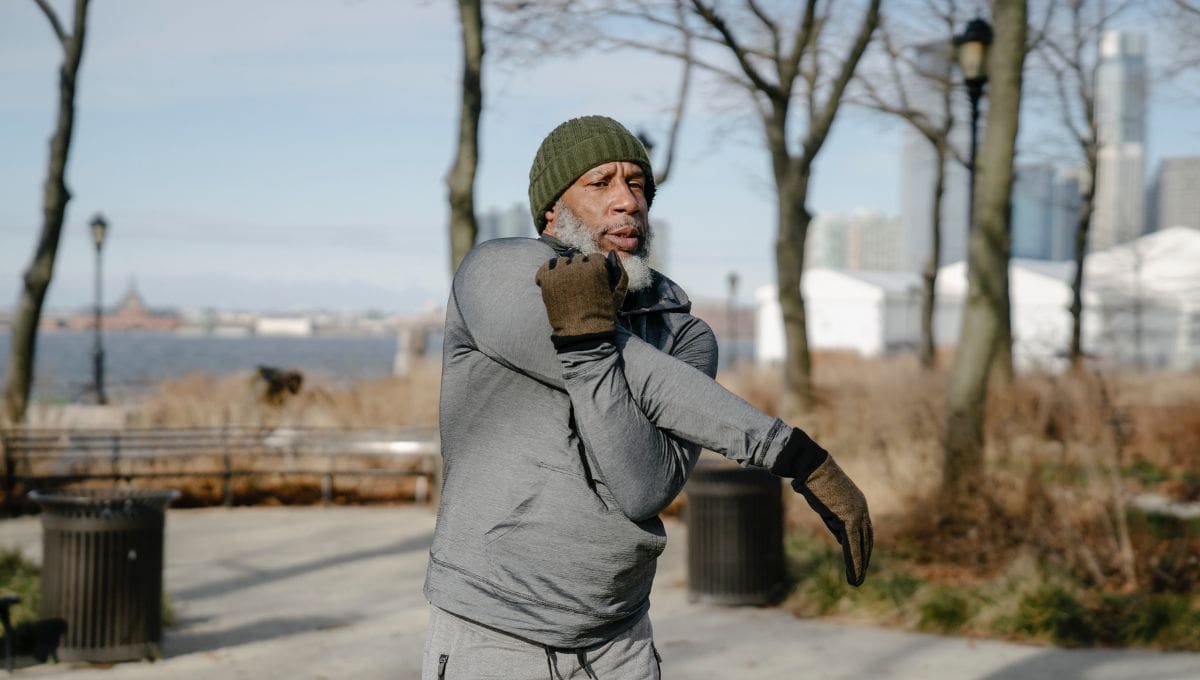
9. Warm Up With Purpose
General cardio is not enough.
An effective elbow-prevention warm-up should include:
- Light wrist activation
- Gradual grip loading
- Scapular activation drills
- Progressive loading of the day’s movements
Warm tissues handle load better. Research shows that increased muscle temperature improves force production and flexibility.
Do not jump straight into high-rep kipping pull-ups.
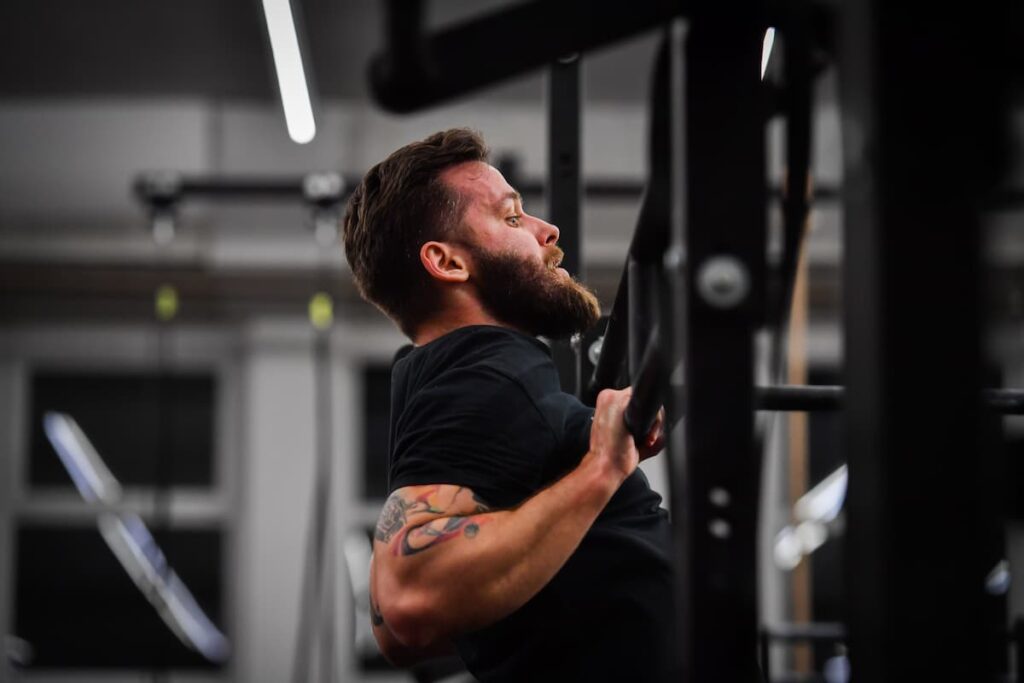
10. Know the Early Warning Signs
Catching elbow issues early makes them easier to manage.
Early symptoms:
- Morning stiffness around the elbow
- Pain when gripping objects
- Discomfort during warm-up that improves but returns later
- Reduced grip strength
At this stage, reduce load slightly and add targeted strength work.
Ignoring these signs often leads to months of frustration.
Special Considerations for CrossFit Athletes
CrossFit combines high volume, high intensity, and varied movements — a perfect storm for tendon overload if not managed carefully.
Specific risk factors:
- High-frequency pull-ups
- Barbell cycling under fatigue
- Muscle-ups
- High-rep kettlebell work
To reduce risk:
- Periodize pulling volume.
- Avoid stacking heavy grip days back-to-back.
- Rotate grip styles (neutral, supinated, pronated).
- Build strict strength before advanced kipping skills.
Athletes who lack strict pulling strength but perform high volumes of kipping work place enormous stress on the elbow.
Capacity first. Complexity later.
When to Seek Professional Help
If you experience:
- Persistent pain lasting more than 6–8 weeks
- Night pain
- Significant loss of strength
- Numbness or tingling
Consult a qualified sports physical therapist or physician.
Some elbow pain may involve nerve irritation or joint pathology rather than tendon overload.
Early assessment prevents chronic issues.
The Big Picture
Avoiding elbow pain in the gym is not about avoiding hard training. It is about respecting biology.
Tendons adapt — but slowly. They need progressive load, sufficient recovery, and balanced strength across the kinetic chain.
Most elbow pain in the gym is preventable.
If you:
- Progress gradually
- Strengthen your wrists and shoulders
- Refine technique
- Respect recovery
- Respond early to symptoms
You dramatically reduce your risk.
Train hard but train smart.
References
- Alfredson, H., Pietilä, T., Jonsson, P. and Lorentzon, R. (1998) ‘Heavy-load eccentric calf muscle training for the treatment of chronic Achilles tendinosis’, American Journal of Sports Medicine, 26(3), pp. 360–366.
- Bohm, S., Mersmann, F. and Arampatzis, A. (2015) ‘Human tendon adaptation in response to mechanical loading: a systematic review and meta-analysis’, Sports Medicine, 45(4), pp. 595–615.
- Cook, J.L. and Purdam, C.R. (2009) ‘Is tendon pathology a continuum? A pathology model to explain the clinical presentation of load-induced tendinopathy’, British Journal of Sports Medicine, 43(6), pp. 409–416.
- Docking, S.I. and Cook, J. (2019) ‘Pathological tendons maintain sufficient aligned fibrillar structure on ultrasound tissue characterization (UTC)’, Scandinavian Journal of Medicine & Science in Sports, 29(3), pp. 355–362.