


Creating a calorie deficit is the fundamental requirement for fat loss. When you consume fewer calories than your body uses, you lose weight. That part is simple. The problem is that tracking calories can be tedious, inaccurate, and difficult to maintain over time.
Many people start strong with food logging apps, only to quit after a few weeks. That is not a failure of discipline. It is a mismatch between a rigid system and real life.


The good news is that you can create a calorie deficit without tracking every bite. In fact, research shows that structured habits, food choices, and behavioral strategies can reliably reduce calorie intake without the need for precise counting.
This article breaks down the easiest and most effective science-backed methods to create a calorie deficit without tracking. No fluff, no gimmicks, just practical strategies that work.
Why Calorie Tracking Often Fails
Before discussing solutions, it is important to understand why calorie tracking is not ideal for most people.
Inaccuracy in Food Logging
Even when people try to track accurately, errors are common. Studies show that individuals tend to underestimate calorie intake and overestimate energy expenditure. This can lead to stalled progress and frustration.

Cognitive Fatigue
Tracking requires constant decision-making. Every meal becomes a calculation. Over time, this creates mental fatigue, which reduces adherence.
Sustainability Issues
Long-term fat loss depends on consistency. If a method feels like a chore, it will not last. Research consistently shows that adherence is the strongest predictor of success in weight loss.
The solution is to simplify the process while still maintaining a calorie deficit.
The Easiest Way to Create a Calorie Deficit Without Tracking
The simplest and most reliable method is to combine three strategies:
- Eat mostly whole, minimally processed foods
- Prioritize protein and fiber at every meal
- Use portion control and environmental design
Together, these create a natural calorie deficit without requiring math or apps.
1. Eat Mostly Whole Foods
Why Whole Foods Matter
Whole foods are less energy dense than processed foods. This means they contain fewer calories per gram. You can eat more volume while consuming fewer calories.
For example, vegetables, fruits, lean meats, and whole grains provide more satiety for fewer calories compared to ultra processed foods.
Research shows that diets high in ultra processed foods lead to higher calorie intake, even when macronutrients are matched.
How It Creates a Deficit
Whole foods increase satiety and reduce passive overeating. When you feel full sooner, you naturally eat fewer calories.
Practical Application
Focus your meals around:
- Lean protein sources such as chicken, fish, eggs, and Greek yogurt
- Vegetables of all kinds
- Fruits
- Whole grains like oats and rice
- Legumes
Limit highly processed foods such as packaged snacks, sugary drinks, and fast food.
You do not need to eliminate them entirely. Reducing their frequency is enough to make a meaningful difference.
2. Prioritize Protein
Protein Reduces Hunger: Protein is the most satiating macronutrient. It increases fullness and reduces appetite more than carbohydrates or fats.
Protein Increases Energy Expenditure: Protein also has a higher thermic effect. This means your body burns more calories digesting it compared to other macronutrients.

How It Creates a Deficit: When you eat more protein, you feel fuller and naturally eat less overall. At the same time, your body burns slightly more calories through digestion.
Practical Application
Aim to include a protein source in every meal. Examples include:
- Eggs at breakfast
- Chicken or fish at lunch
- Greek yogurt or cottage cheese as snacks
- Lean meat or tofu at dinner
A simple rule is to fill about a quarter of your plate with protein.
3. Increase Fiber Intake
Fiber Enhances Satiety
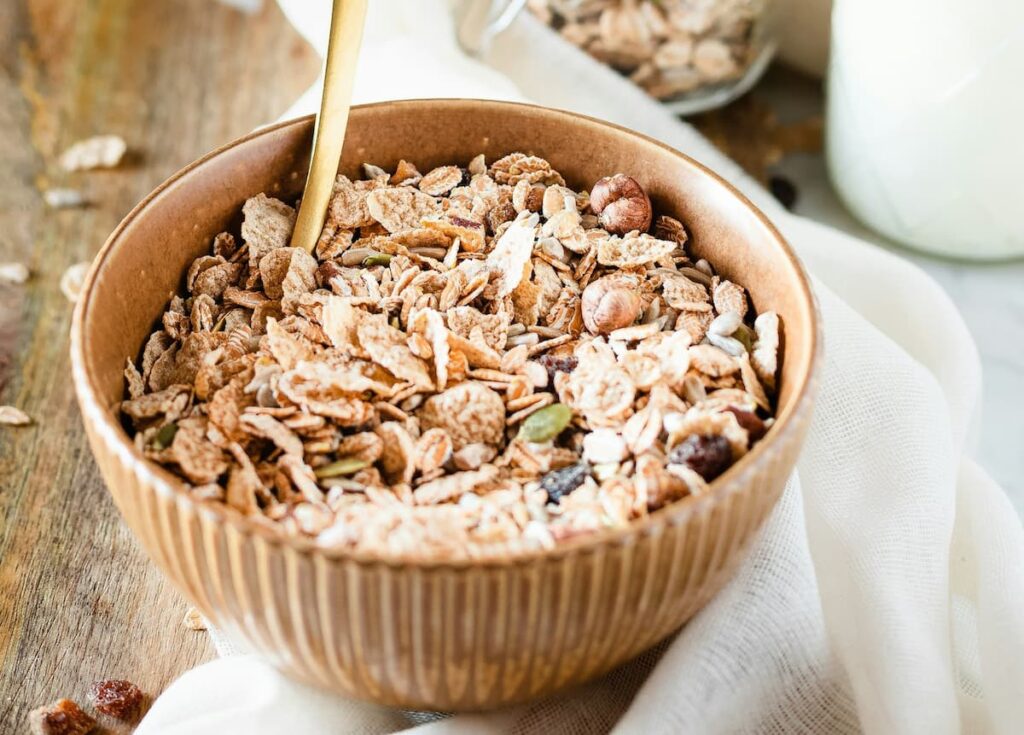
Fiber slows digestion and increases feelings of fullness. It also stabilizes blood sugar levels, which helps control hunger.
Fiber Reduces Calorie Intake
High fiber diets are consistently associated with lower calorie intake and improved weight management.
How It Creates a Deficit
By keeping you full for longer, fiber reduces the likelihood of overeating or snacking unnecessarily.
Practical Application
Add fiber rich foods such as:
- Vegetables like broccoli, spinach, and carrots
- Fruits like apples and berries
- Whole grains
- Beans and lentils
A simple approach is to fill half your plate with vegetables at lunch and dinner.
4. Use Portion Control Without Measuring
Why Portion Size Matters
Larger portions lead to higher calorie intake. This effect occurs even when people are not aware of it.
The Plate Method
The plate method is one of the easiest ways to control portions without tracking:
- Half the plate vegetables
- Quarter of the plate protein
- Quarter of the plate carbohydrates
This structure naturally reduces calorie intake while maintaining balanced nutrition.
Visual Cues
Using smaller plates and bowls can also reduce calorie intake. This works through visual perception. A smaller plate makes a portion appear larger, which can increase satisfaction.
5. Eat Slowly and Mindfully
The Role of Eating Speed: Eating quickly can lead to overeating because your body does not have time to register fullness signals.
Satiety Signals: It takes about twenty minutes for your brain to recognize that you are full.
How It Creates a Deficit: Eating slowly reduces total calorie intake without conscious restriction.
Practical Application
- Take smaller bites
- Chew thoroughly
- Pause between bites
- Avoid distractions such as phones or television during meals
These small changes can significantly reduce calorie intake over time.
6. Control Your Food Environment
Why Environment Matters
Your surroundings influence your eating behavior more than willpower.
Visibility and Convenience
People tend to eat what is easily accessible and visible. If high calorie foods are within reach, you are more likely to consume them.
How It Creates a Deficit
By making healthier foods more accessible and less healthy foods less convenient, you reduce calorie intake without effort.
Practical Application
- Keep fruits and healthy snacks visible
- Store high calorie snacks out of sight
- Prepare meals in advance
- Avoid buying trigger foods in large quantities
7. Focus on Meal Structure
Regular Eating Patterns: Irregular eating can lead to excessive hunger and overeating later in the day.
Balanced Meals: Meals that combine protein, fiber, and healthy fats are more satisfying and reduce the likelihood of snacking.
How It Creates a Deficit: Stable meal patterns prevent extreme hunger, which reduces overeating.
Practical Application
- Eat three main meals per day
- Include protein and vegetables in each meal
- Avoid skipping meals unless it suits your lifestyle
8. Reduce Liquid Calories
Why Liquid Calories Are Problematic
Calories from drinks do not create the same level of fullness as solid food.
Common Sources
Sugary drinks, fruit juices, and alcohol can add significant calories without reducing hunger.
How It Creates a Deficit
Eliminating or reducing liquid calories can create a substantial calorie deficit with minimal effort.
Practical Application
- Drink water, coffee, or tea without added sugar
- Limit alcohol intake
- Avoid sugary beverages

9. Increase Daily Movement
Non Exercise Activity Thermogenesis
Daily movement outside of structured exercise plays a major role in calorie expenditure.
How It Creates a Deficit
Increasing movement raises energy expenditure, which contributes to a calorie deficit without changing food intake.
Practical Application
- Walk more throughout the day
- Take the stairs
- Stand instead of sitting when possible
- Aim for consistent daily activity
10. Sleep and Stress Management
The Role of Sleep
Poor sleep increases hunger hormones and reduces satiety hormones.
Stress and Eating
Stress can lead to increased calorie intake, especially from high calorie foods.
How It Creates a Deficit
Improving sleep and managing stress helps regulate appetite and reduces overeating.
Practical Application
- Aim for seven to nine hours of sleep
- Establish a consistent sleep schedule
- Use stress management techniques such as breathing exercises or light activity
Why This Approach Works Long Term
The key advantage of creating a calorie deficit without tracking is sustainability.
Habit Based Approach
Instead of relying on numbers, you rely on habits. Habits require less mental effort and are easier to maintain.
Built In Flexibility
This method allows for flexibility in food choices, which improves adherence.
Reduced Cognitive Load
By removing the need to track, you reduce mental fatigue and increase consistency.
Common Mistakes to Avoid
Eating Healthy but Overeating
Even healthy foods contain calories. Portion awareness still matters.
Ignoring Protein
Low protein intake can lead to increased hunger and muscle loss.
Relying on Willpower Alone
Environment and habits are more powerful than willpower.
Expecting Immediate Results
Fat loss takes time. Consistency is more important than speed.
Putting It All Together
You do not need to track calories to lose fat. By focusing on food quality, portion control, and behavior, you can create a calorie deficit naturally.
Start with these steps:
- Base your diet on whole foods
- Include protein and fiber in every meal
- Use the plate method for portion control
- Eat slowly and mindfully
- Optimize your environment
- Reduce liquid calories
- Stay active daily
- Prioritize sleep
These strategies work together to reduce calorie intake and increase energy expenditure without requiring detailed tracking.
Conclusion
The easiest way to create a calorie deficit without tracking is not a single trick. It is a system of simple, evidence-based habits that reduce calorie intake naturally.
This approach is effective because it aligns with how humans actually behave. It reduces friction, simplifies decision making, and supports long-term consistency.
If you focus on these principles, you can achieve sustainable fat loss without ever opening a calorie tracking app.
References
• Hall, K.D. et al. (2019). Ultra-processed diets cause excess calorie intake and weight gain. Cell Metabolism, 30(1), pp.67-77.
• Rolls, B.J. (2009). The relationship between dietary energy density and energy intake. Physiology and Behavior, 97(5), pp.609-615.
• Leidy, H.J. et al. (2015). The role of protein in weight loss and maintenance. American Journal of Clinical Nutrition, 101(6), pp.1320S-1329S.
• Slavin, J.L. (2005). Dietary fiber and body weight. Nutrition, 21(3), pp.411-418.
• Wansink, B. (2004). Environmental factors that increase the food intake and consumption volume of unknowing consumers. Annual Review of Nutrition, 24, pp.455-479.
• Robinson, E. et al. (2014). Portion size and overeating. American Journal of Clinical Nutrition, 100(3), pp.645-650.
• Andrade, A.M. et al. (2008). Eating slowly led to decreases in energy intake. Journal of the American Dietetic Association, 108(7), pp.1186-1191.
• Benton, D. and Young, H.A. (2017). Reducing calorie intake by reducing liquid calories. Obesity Reviews, 18(4), pp.371-382.
• Levine, J.A. (2002). Non-exercise activity thermogenesis. Nutrition Reviews, 60(9), pp.289-300.
• Spiegel, K. et al. (2004). Sleep loss and appetite regulation. Annals of Internal Medicine, 141(11), pp.846-850.