

Building a full, well-developed chest is not just about pressing heavy weight. The lower portion of the pectoralis major plays a major role in creating that thick, sculpted look that stands out both in and out of a shirt. While compound lifts like the bench press are essential, they often fail to fully isolate and emphasize the lower chest, especially if technique or anatomy shifts the load elsewhere.
This is where isolation exercises become valuable. When programmed correctly, they allow you to target specific muscle fibers with greater precision, improve mind muscle connection, and enhance overall hypertrophy.
This article breaks down the three best isolation exercises for building a jacked lower chest, backed by scientific research and biomechanical reasoning. You will also learn how to perform each exercise properly, avoid common mistakes, and integrate them into a training plan that maximizes muscle growth.
Understanding the Lower Chest
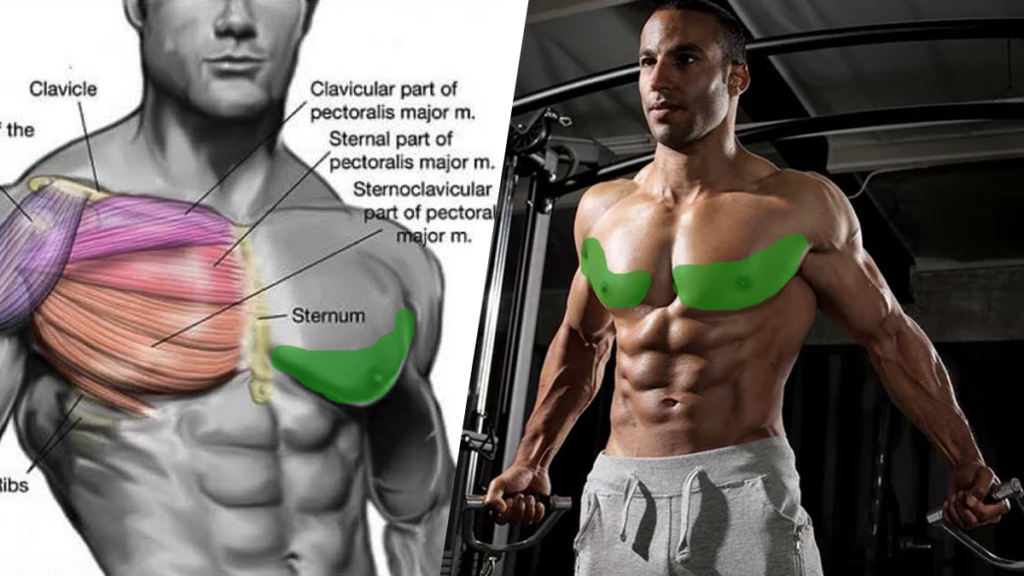
Anatomy of the Pectoralis Major
The chest is primarily made up of the pectoralis major, which has two main divisions:
- Clavicular head, often referred to as the upper chest
- Sternocostal head, which includes the middle and lower chest
The lower chest fibers originate from the sternum and upper abdominal fascia and insert into the humerus. Their primary functions include:
- Shoulder adduction, bringing the arm toward the body
- Shoulder extension from a flexed position
- Internal rotation of the arm

The angle of movement significantly influences which fibers are emphasized. Decline movements and downward pressing angles tend to bias the lower chest more effectively.
Why Isolation Matters for Lower Chest Development
Compound exercises like the flat or incline bench press recruit the chest, shoulders, and triceps together. While effective for overall mass, they often distribute tension across multiple muscle groups. Isolation exercises help by:
- Reducing assistance from secondary muscles
- Increasing mechanical tension directly on the lower chest
- Improving neuromuscular activation
Electromyography research shows that muscle activation varies depending on exercise selection and angle. Exercises that involve a downward pressing or adduction path tend to increase activation in the lower pectoral fibers compared to flat pressing movements.
The Role of Exercise Selection in Hypertrophy
Muscle growth is driven by three primary factors:
- Mechanical tension
- Metabolic stress
- Muscle damage
Isolation exercises are particularly effective at increasing metabolic stress and sustaining tension throughout a full range of motion. Studies show that constant tension movements and controlled tempos can significantly enhance hypertrophic signaling pathways.
Additionally, training a muscle through its full length under tension improves fiber recruitment and growth potential.
Exercise 1: Decline Cable Fly
Why It Works
The decline cable fly is one of the most effective exercises for isolating the lower chest because it combines a downward movement pattern with constant tension from the cables. Unlike free weights, cables maintain resistance throughout the entire range of motion. This leads to greater time under tension, which is strongly associated with hypertrophy.
Research comparing cable and free weight exercises shows that cables can increase muscle activation during the peak contraction phase due to continuous resistance.
How to Perform It
- Set the cable pulleys at a high position
- Grab the handles and step forward into a split stance
- Start with arms extended slightly behind your body
- Bring the handles down and together in an arc toward your hips
- Squeeze your chest hard at the bottom
- Slowly return to the starting position
Key Technique Points
- Keep a slight bend in your elbows throughout
- Focus on bringing your arms together, not your hands
- Control the eccentric phase to maximize tension
Common Mistakes
- Using too much weight and turning it into a pressing movement
- Allowing the shoulders to take over the movement
- Cutting the range of motion short
Programming Tips
- Perform 3 to 4 sets of 10 to 15 reps
- Use moderate weight with strict form
- Emphasize slow eccentrics of 2 to 3 seconds
Exercise 2: Decline Dumbbell Fly
Why It Works
The decline dumbbell fly places the chest in a stretched position while targeting the lower fibers through a downward angle. Stretch mediated hypertrophy is a key driver of muscle growth, and exercises that load muscles in a lengthened state can produce superior results. Studies have shown that training muscles at longer lengths can lead to greater hypertrophy compared to shorter range movements.
How to Perform It
- Set a bench to a slight decline
- Hold dumbbells above your chest with a neutral grip
- Lower the weights in a wide arc until you feel a deep stretch
- Bring the dumbbells back together by contracting your chest
Key Technique Points
- Keep the movement slow and controlled
- Do not let the dumbbells drop too low beyond your shoulder comfort
- Maintain tension throughout the movement
Common Mistakes
- Turning the movement into a press
- Using momentum to lift the weights
- Overstretching and risking shoulder strain
Programming Tips
- Perform 3 to 4 sets of 8 to 12 reps
- Use a weight that allows full control
- Pause briefly in the stretched position
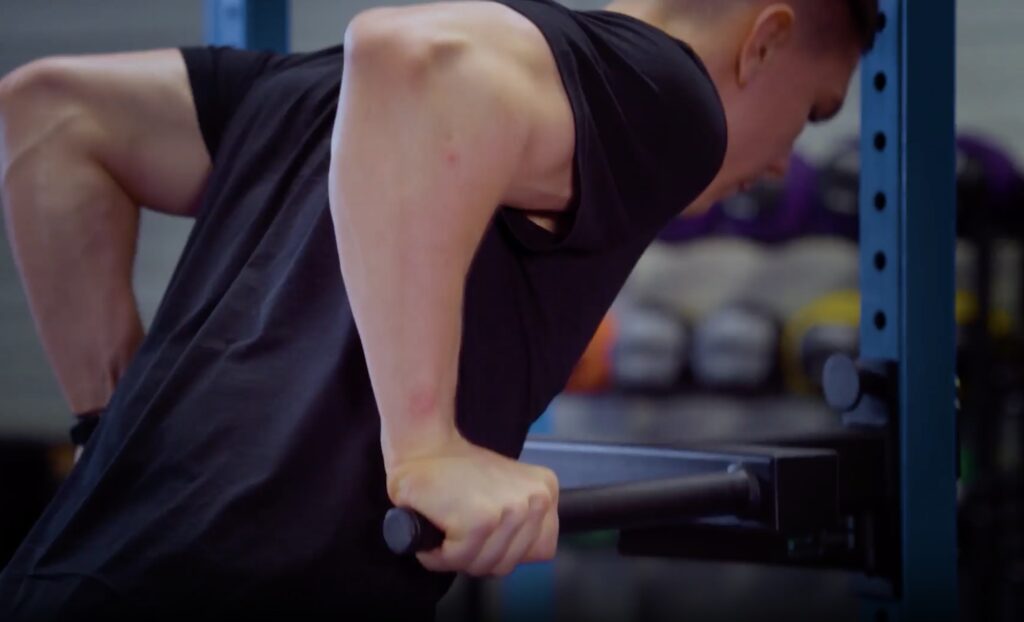
Exercise 3: Chest Dips with Forward Lean
Why It Works
Chest dips are a powerful bodyweight isolation movement when performed with proper technique. By leaning forward and allowing the elbows to flare slightly, you shift the emphasis from the triceps to the chest, particularly the lower portion.
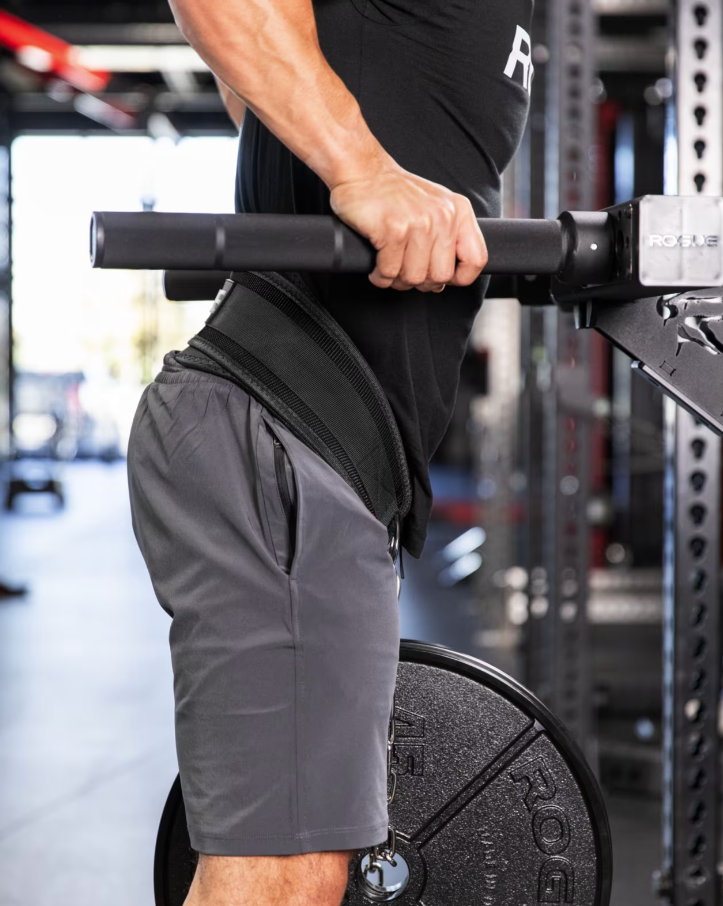
Studies on dip mechanics show that forward torso lean increases pectoral activation compared to an upright posture.
How to Perform It
- Grip parallel bars and lift yourself up
- Lean your torso forward slightly
- Lower your body by bending your elbows
- Descend until you feel a stretch in your chest
- Push back up while maintaining the forward lean
Key Technique Points
- Keep your chest angled toward the ground
- Allow elbows to move outward slightly
- Avoid locking out aggressively at the top
Common Mistakes
- Staying too upright and turning it into a triceps exercise
- Using excessive momentum
- Not controlling the descent
Programming Tips
- Perform 3 to 4 sets of 8 to 15 reps
- Add weight if bodyweight becomes too easy
- Focus on slow, controlled reps
The Science Behind Lower Chest Activation
Electromyography studies consistently show that exercise angle influences muscle activation patterns. Decline pressing and fly movements tend to produce higher activation in the lower chest compared to flat or incline variations.
In addition, constant tension movements such as cables can enhance metabolic stress and prolong muscle activation. This combination of tension and fatigue contributes to hypertrophic adaptations.
Research also supports the importance of training through a full range of motion. Exercises that allow a deep stretch and strong contraction produce better muscle growth over time.
How to Combine These Exercises
To build a jacked lower chest, these exercises should be strategically combined within your training routine.
Sample Lower Chest Workout
- Decline cable fly: 3 sets of 12 to 15 reps
- Decline dumbbell fly: 3 sets of 10 to 12 reps
- Chest dips: 3 sets to near failure
Weekly Frequency
- Train chest 2 times per week
- Include at least one lower chest focused session
- Allow 48 hours of recovery between sessions
Progressive Overload and Adaptation
Muscle growth requires progressive overload. This means gradually increasing the demands placed on your muscles over time. You can achieve this by:
- Increasing weight
- Increasing reps
- Improving technique
- Slowing down tempo
Research shows that both high load and moderate load training can produce hypertrophy as long as sets are taken close to failure.
Nutrition for Lower Chest Growth
Training alone is not enough. Nutrition plays a critical role in muscle development.
Key Guidelines
- Consume sufficient protein, around 1.6 to 2.2 grams per kilogram of body weight
- Maintain a slight calorie surplus for muscle growth
- Distribute protein intake evenly across meals
Protein intake is strongly linked to muscle protein synthesis, which drives growth and recovery.
Recovery and Muscle Growth
Muscles grow during recovery, not during training. Proper sleep and rest are essential.
Recovery Tips
- Aim for 7 to 9 hours of sleep per night
- Manage training volume to avoid overtraining
- Stay hydrated
Sleep deprivation has been shown to impair muscle recovery and reduce anabolic hormone levels.
Key Points Summary
- Lower chest development requires targeted exercise selection
- Isolation exercises improve muscle activation and tension
- Decline cable fly, decline dumbbell fly, and chest dips are highly effective
- Full range of motion and controlled tempo enhance hypertrophy
- Nutrition and recovery are essential for growth
References
- Schoenfeld, B.J. (2010). The mechanisms of muscle hypertrophy and their application to resistance training. Journal of Strength and Conditioning Research, 24(10), 2857-2872.
- Schoenfeld, B.J. (2013). Potential mechanisms for a role of metabolic stress in hypertrophic adaptations to resistance training. Sports Medicine, 43(3), 179-194.
- Wakahara, T. et al. (2013). Influence of muscle length on hypertrophy. European Journal of Applied Physiology, 113(5), 1235-1243.
- Gentil, P. et al. (2017). Effects of exercise variation on muscle hypertrophy. Journal of Strength and Conditioning Research, 31(7), 1956-1964.
- Trebs, A.A. et al. (2010). Electromyographic analysis of chest exercises. Journal of Strength and Conditioning Research, 24(7), 1925-1932.
- Calatayud, J. et al. (2015). Muscle activation during push ups and bench press. Journal of Strength and Conditioning Research, 29(9), 2466-2472.
- Morton, R.W. et al. (2018). Protein intake and muscle mass. British Journal of Sports Medicine, 52(6), 376-384.
- Walker, S. et al. (2011). Neuromuscular fatigue and recovery. European Journal of Applied Physiology, 111(7), 1275-1286.