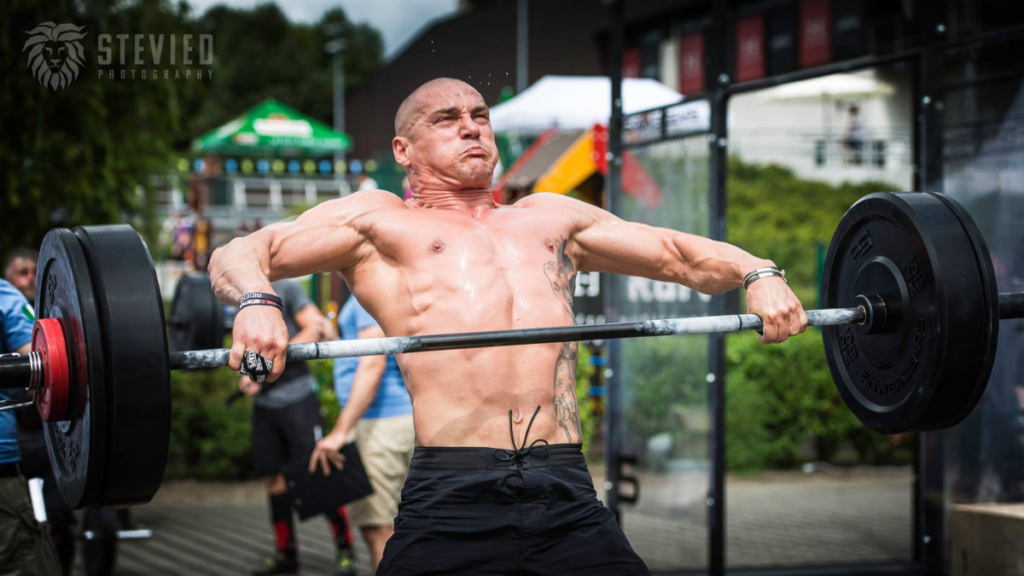
Building bigger and stronger biceps is one of the most common goals for beginners stepping into the gym. The appeal is obvious. Well developed arms are highly visible and often associated with strength and athleticism. However, many beginners waste time following random advice, copying advanced routines, or focusing only on curls without understanding the science behind muscle growth.
This article breaks down the five most effective, science backed tips for building muscular biceps.


Understanding the Biceps Muscle
Before diving into the tips, it is important to understand what you are training.
The biceps brachii consists of two heads. The long head and the short head. Both contribute to elbow flexion, which is the primary motion in curls. The biceps also assist in forearm supination, which is rotating your palm upward. Another important muscle is the brachialis, which lies underneath the biceps and contributes significantly to arm thickness. The brachioradialis, located in the forearm, also assists in elbow flexion.

Muscle growth, or hypertrophy, occurs when muscle fibers experience mechanical tension, metabolic stress, and muscle damage. These factors trigger cellular signaling pathways that increase protein synthesis and lead to growth over time. With that foundation in mind, let’s explore the five key tips.
Tip 1: Prioritize Progressive Overload
What Progressive Overload Means
Progressive overload refers to gradually increasing the demands placed on your muscles over time. This can be achieved by adding weight, increasing repetitions, improving technique, or increasing training volume.
For beginners, this is the single most important principle. Without progressive overload, muscles have no reason to grow.
Why It Works
Muscle hypertrophy is driven by mechanical tension. When you consistently challenge your muscles with greater loads, your body adapts by increasing muscle fiber size and strength. Research shows that progressive resistance training leads to significant increases in muscle mass and strength across all populations, including beginners.
How to Apply It
Start with a weight that allows you to perform 8 to 12 repetitions with good form. Each week, aim to improve in one of the following ways:
- Add a small amount of weight
- Perform more repetitions with the same weight
- Improve control and range of motion
Keep a training log. Tracking your progress ensures you are moving forward rather than repeating the same workouts.
Common Mistakes
Many beginners lift the same weight for months without progression. Others increase weight too quickly and sacrifice form. Both approaches limit growth.
Focus on steady, controlled progression. Small improvements compound over time.
Tip 2: Use Proper Exercise Selection and Technique
Best Exercises for Biceps Growth
Not all exercises are equally effective. The most effective biceps exercises allow for full range of motion, consistent tension, and progressive overload.
Key exercises include:
- Barbell curls
- Dumbbell curls
- Incline dumbbell curls
- Hammer curls
- Preacher curls
Each variation emphasizes different parts of the biceps and supporting muscles.
Why Exercise Variation Matters
Different exercises change the angle of the arm and the stretch placed on the muscle. Research shows that training muscles at longer lengths can enhance hypertrophy. For example, incline curls place the biceps in a stretched position, which may stimulate more growth. Hammer curls emphasize the brachialis and brachioradialis, contributing to overall arm size.

Technique Guidelines
Proper technique ensures that the target muscle is doing the work. Follow these principles:
- Keep your elbows stable and close to your body
- Avoid swinging the weight
- Use a full range of motion
- Control both the lifting and lowering phases
The lowering phase, known as the eccentric phase, is especially important. Studies show that eccentric training produces greater muscle damage and hypertrophy compared to concentric training alone.
Mind Muscle Connection
Focusing on the contraction of the biceps during each repetition can enhance muscle activation. Electromyography studies show that internal focus increases muscle activity in the target muscle.
Tip 3: Train with the Right Volume and Frequency
How Much Volume Do You Need
Training volume refers to the total amount of work performed, usually calculated as sets multiplied by repetitions and weight. Research indicates that performing multiple sets per muscle group leads to greater hypertrophy than single sets. For beginners, 10 to 15 sets per week for the biceps is a good starting point.
Training Frequency
Frequency refers to how often you train a muscle group per week. Studies show that training a muscle group at least twice per week is more effective for growth than once per week. For example:
- Train biceps on upper body days
- Add a few sets after back workouts
This ensures consistent stimulation and better recovery between sessions.
Why Frequency Matters
Muscle protein synthesis increases after training but returns to baseline within about 48 hours in beginners. Training the biceps more frequently keeps protein synthesis elevated, promoting growth.
Avoiding Overtraining
While volume and frequency are important, more is not always better. Excessive volume can lead to fatigue and reduced performance.
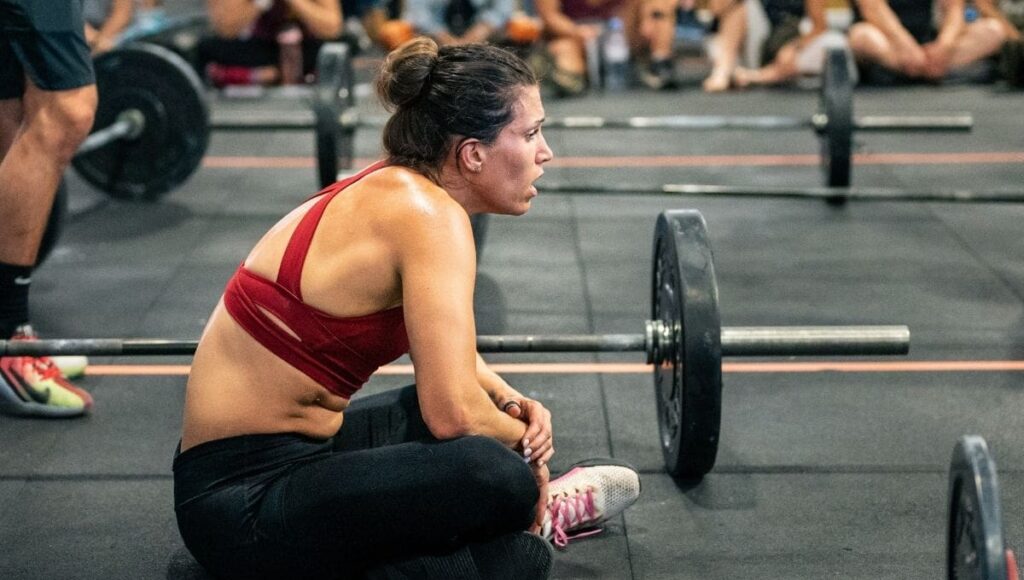
Signs of too much volume include:
- Persistent soreness
- Decreasing strength
- Poor recovery
Start with moderate volume and adjust based on progress.
Tip 4: Focus on Nutrition and Protein Intake
The Role of Protein
Muscle growth requires a positive protein balance. This means consuming enough protein to support muscle repair and growth. Research consistently shows that higher protein intake enhances muscle hypertrophy during resistance training. For beginners, aim for approximately 1.6 to 2.2 grams of protein per kilogram of body weight per day.
Calorie Intake
To build muscle effectively, you need to consume enough calories. A slight calorie surplus provides the energy needed for growth. If you are not gaining weight, you are unlikely to build muscle at an optimal rate.
Nutrient Timing
While total daily intake is most important, spreading protein intake evenly across meals may improve muscle protein synthesis. Aim for 3 to 5 protein rich meals per day.

Hydration and Recovery
Hydration plays a role in performance and recovery. Even mild dehydration can reduce strength and endurance. Drink water consistently throughout the day, especially around workouts.
Common Mistakes
Many beginners underestimate their protein needs or try to build muscle while eating too little. Others rely heavily on supplements instead of whole foods. Focus on a balanced diet with sufficient protein, carbohydrates, and fats.
Tip 5: Prioritize Recovery and Consistency
Why Recovery Matters
Muscles grow during recovery, not during the workout itself. Training creates microscopic damage to muscle fibers, and recovery allows them to rebuild stronger. Sleep is one of the most important factors. Studies show that sleep deprivation reduces muscle protein synthesis and impairs recovery. Aim for 7 to 9 hours of quality sleep per night.

Rest Between Workouts
Allow at least 48 hours before training the same muscle group again. This ensures adequate recovery and optimal performance in the next session.
Managing Stress
Chronic stress increases cortisol levels, which can negatively impact muscle growth. Incorporate stress management techniques such as:
- Light physical activity
- Breathing exercises
- Time outdoors
Consistency Over Perfection
The most effective training program is the one you can stick to. Beginners often jump between programs or expect rapid results. Muscle growth takes time. Research shows that noticeable hypertrophy can take several weeks to months of consistent training. Stay consistent with your workouts, nutrition, and recovery habits.
Putting It All Together
Building muscular biceps as a beginner does not require complicated routines or advanced techniques. It requires mastering the fundamentals and applying them consistently.
Here is a simple weekly structure:
- Train biceps two to three times per week
- Perform 3 to 5 sets per session
- Use a mix of exercises such as curls and hammer curls
- Focus on progressive overload
- Eat enough protein and calories
- Prioritize sleep and recovery
Over time, these habits will lead to noticeable growth.
Common Beginner Questions
How Long Does It Take to See Results
Most beginners can expect to see noticeable changes in strength within a few weeks and visible muscle growth within 8 to 12 weeks, depending on consistency and genetics.
Should You Train to Failure
Training to failure can increase muscle activation but is not necessary for beginners. Stopping one or two repetitions before failure is often sufficient and allows for better recovery.
Are Supplements Necessary
Supplements are not required. Protein powder can be convenient, but whole foods should be the foundation of your diet.
Final Thoughts
Building muscular biceps is a straightforward process when you follow evidence based principles. Focus on progressive overload, proper exercise selection, adequate volume, good nutrition, and consistent recovery. Avoid shortcuts and stay patient. The combination of science and consistency will deliver results.
Key Takeaways
| Tip | What to Do | Why It Works |
|---|---|---|
| Progressive Overload | Gradually increase weight or reps | Stimulates muscle growth through increased mechanical tension |
| Exercise Selection | Use curls, incline curls, and hammer curls | Targets different parts of the arm for balanced growth |
| Volume and Frequency | Train biceps 2 to 3 times per week | Keeps muscle protein synthesis elevated |
| Nutrition | Eat enough protein and calories | Supports muscle repair and growth |
| Recovery | Sleep 7 to 9 hours and rest between sessions | Allows muscles to rebuild and grow |
References
- Schoenfeld, B.J. (2010). The mechanisms of muscle hypertrophy and their application to resistance training. Journal of Strength and Conditioning Research, 24(10), 2857-2872.
- Schoenfeld, B.J., Ogborn, D. and Krieger, J.W. (2017). Dose response relationship between weekly resistance training volume and increases in muscle mass. Journal of Sports Sciences, 35(11), 1073-1082.
- Morton, R.W., Murphy, K.T., McKellar, S.R. et al. (2018). A systematic review, meta analysis and meta regression of the effect of protein supplementation on resistance training induced gains. British Journal of Sports Medicine, 52(6), 376-384.
- Phillips, S.M. and Van Loon, L.J.C. (2011). Dietary protein for athletes. Journal of Sports Sciences, 29(sup1), S29-S38.
- Grgic, J., Schoenfeld, B.J., Orazem, J. and Sabol, F. (2018). Effects of resistance training frequency on gains in muscular strength. Sports Medicine, 48(5), 1207-1220.
- Wernbom, M., Augustsson, J. and Thomeé, R. (2007). The influence of frequency, intensity, volume and mode of strength training on muscle cross sectional area. Sports Medicine, 37(3), 225-264.