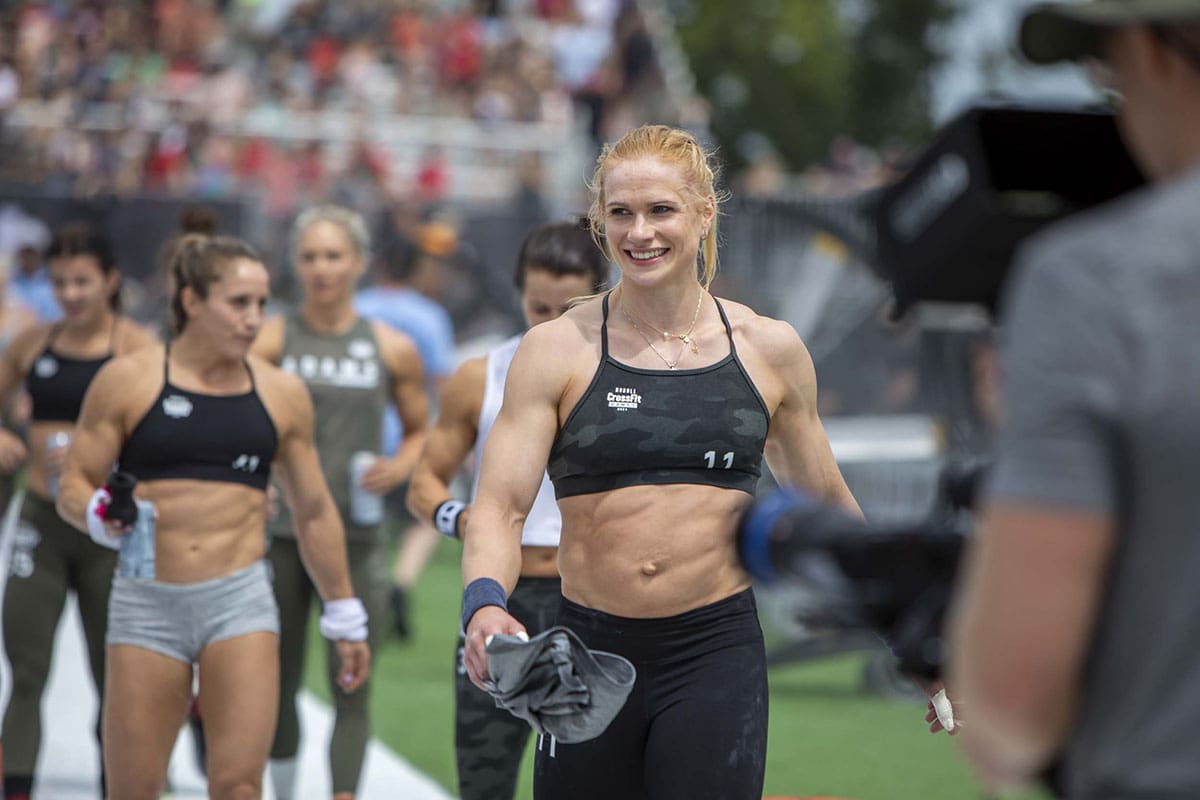


Visible lower abs are one of the most sought after fitness goals. They are also one of the most misunderstood. Many people believe they can carve out a six pack with endless crunches, detox teas, or extreme dieting. Science says otherwise. Lower ab definition is mostly a result of low body fat, strong abdominal muscles, smart nutrition, and consistent training habits.
The lower portion of the rectus abdominis is often harder to reveal because fat tends to accumulate around the lower stomach, especially in men. Genetics also influence where the body stores and loses fat first. However, research shows that strategic training, nutrition, sleep, stress management, and lifestyle habits can dramatically improve abdominal definition and reduce body fat over time.


Understand What Lower Abs Really Are
Before jumping into strategies, it is important to understand the anatomy.
The “lower abs” are not a separate muscle. They are part of the rectus abdominis, which runs vertically from the ribs to the pelvis. Certain exercises can place more tension on the lower region due to pelvic movement and hip positioning, but you cannot isolate the lower abs completely. Visible lower abs depend on two major factors:
• Low enough body fat percentage
• Well developed abdominal musculature
For most men, lower abs begin to show around 10 to 12 percent body fat. For women, the number is generally closer to 16 to 20 percent due to hormonal and physiological differences.
This means that even if your abs are strong, they may remain hidden beneath a layer of body fat unless nutrition and calorie balance are addressed.
Trick 1: Prioritize a Moderate Calorie Deficit
Fat loss is impossible without a calorie deficit. This is the foundation of getting shredded lower abs. A calorie deficit occurs when you consume fewer calories than your body burns. Research consistently shows that sustained fat loss depends primarily on energy balance.
However, going too aggressive can backfire. Extreme dieting increases hunger, lowers training performance, and raises the risk of muscle loss. A moderate deficit works best for preserving lean muscle while reducing fat.

The Sweet Spot
Aim for:
• A daily calorie deficit of 300 to 500 calories
• A weight loss rate of roughly 0.5 to 1 percent of body weight per week
• High protein intake to maintain muscle mass
Crash diets may cause rapid scale changes, but much of that weight is water and muscle tissue. Sustainable fat loss produces better long term abdominal definition.
Why Muscle Preservation Matters
The leaner you get, the more important muscle retention becomes. Losing muscle makes your physique look flat and reduces metabolic rate. Studies show that combining resistance training with adequate protein intake significantly improves body composition during weight loss phases.
Trick 2: Increase Protein Intake
Protein is one of the most powerful tools for fat loss and muscle retention. Research shows that higher protein diets:
• Increase fullness
• Reduce hunger hormones
• Support muscle repair and growth
• Increase thermic effect of food
• Help preserve lean mass during dieting
If your goal is shredded lower abs, protein should be a nutritional priority.
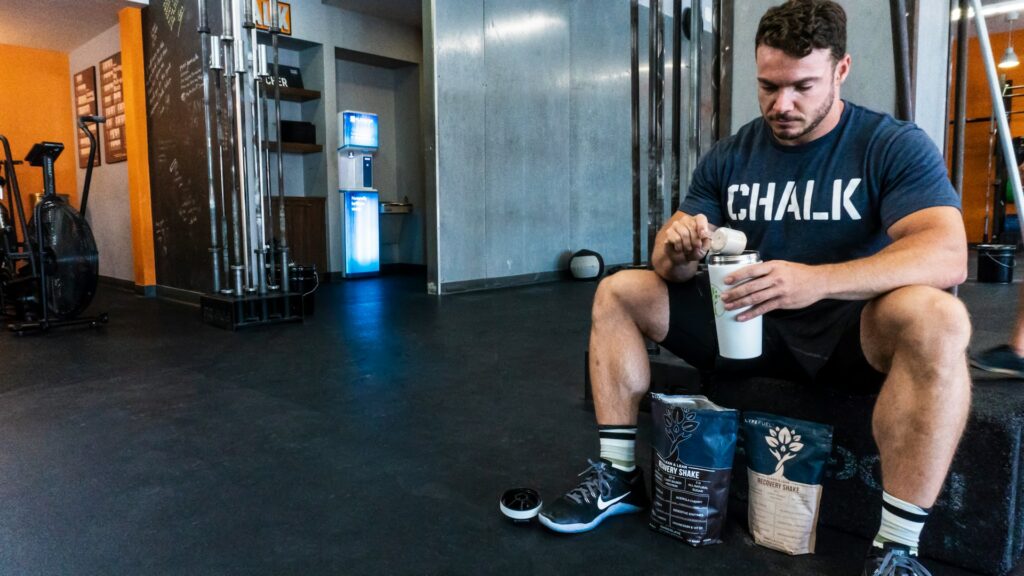
How Much Protein Do You Need?
Most evidence supports 1.6 to 2.2 grams of protein per kilogram of body weight daily. For a 180 pound person, this equals approximately 130 to 180 grams per day. Excellent protein sources include:
• Chicken breast
• Lean beef
• Eggs
• Greek yogurt
• Fish
• Cottage cheese
• Whey protein
• Tofu and tempeh
Trick 3: Train the Lower Abs Properly
Ab exercises alone will not burn belly fat, but strong abs absolutely improve abdominal appearance once body fat drops. Research using electromyography shows that some exercises create greater activation in the lower abdominal region.
Best Exercises for Lower Ab Development
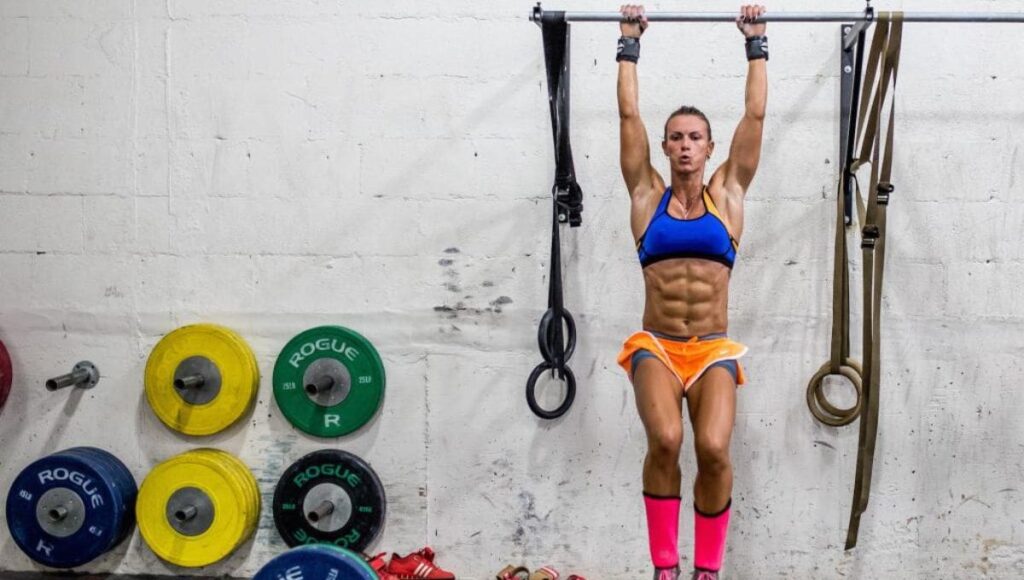
The following movements are especially effective:
• Hanging leg raises
• Reverse crunches
• Garhammer raises
• Ab wheel rollouts
• Dead bugs
• Dragon flags
• Flutter kicks
• Hollow body holds
Why Pelvic Control Matters
Many people mistakenly use hip flexors instead of the abs during leg raise movements. To properly target the lower abs:
• Posteriorly tilt the pelvis
• Control the lowering phase
• Avoid swinging momentum
• Exhale during contraction
Slow, controlled reps increase abdominal tension significantly.
Example Lower Ab Workout
Perform 2 to 3 times weekly:
- Hanging leg raises: 3 sets of 10 to 15
- Reverse crunches: 3 sets of 12 to 15
- Ab wheel rollouts: 3 sets of 8 to 12
- Hollow body holds: 3 rounds of 30 seconds
Consistency matters more than excessive volume.
Trick 4: Lift Heavy Compound Movements
One of the biggest mistakes people make is treating abs separately from the rest of the body. Heavy compound lifts stimulate massive muscular demand and increase overall calorie expenditure. Research shows that resistance training is highly effective for preserving muscle during fat loss while improving body composition.
Best Compound Exercises for Abs
The following lifts heavily recruit the core:
• Squats
• Deadlifts
• Overhead presses
• Pull ups
• Farmer carries
• Front squats
• Romanian deadlifts
Heavy lifting increases trunk stability demands and develops stronger abdominal musculature indirectly.
Why Full Body Training Works Better
Full body and upper lower splits tend to outperform body part isolation routines for fat loss because they:
• Burn more calories
• Preserve more lean muscle
• Improve hormonal responses
• Increase training efficiency
A stronger body also improves posture, making the abs appear more prominent.
Trick 5: Use Cardio Strategically
Cardio can accelerate fat loss when paired with proper nutrition. The key is using the right amount and type without compromising recovery or muscle retention.
HIIT vs Steady State
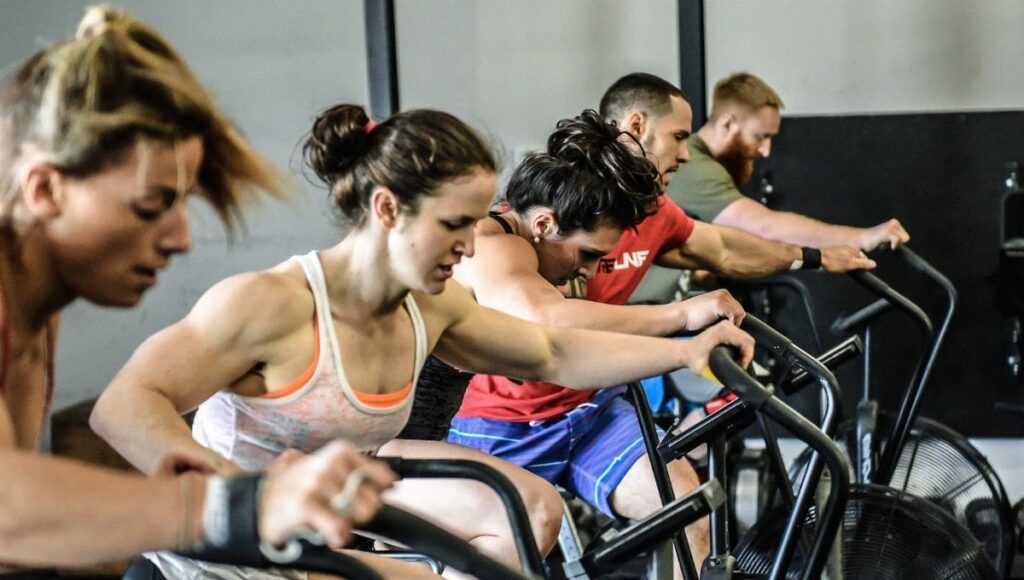
Both can work effectively. High intensity interval training can improve cardiovascular fitness and burn calories efficiently in shorter sessions. Steady state cardio may be easier to recover from and can increase overall daily energy expenditure.
Best Approach for Most People
A combination often works best:
• 2 to 3 weekly HIIT sessions
• 2 to 4 weekly low intensity cardio sessions
• Daily walking targets
Walking is particularly underrated for fat loss because it increases calorie burn without significantly increasing fatigue.
Daily Step Goals Matter
Research consistently links higher daily step counts with lower body fat and improved health outcomes. A practical target is 8,000 to 12,000 steps daily. This simple habit can dramatically improve fat loss consistency over time.
Trick 6: Improve Sleep Quality

Sleep is one of the most overlooked factors in achieving shredded abs. Poor sleep disrupts hormones involved in appetite, recovery, fat storage, and muscle growth. Research shows that sleep restriction can:
• Increase hunger
• Raise ghrelin levels
• Lower leptin levels
• Reduce insulin sensitivity
• Increase cravings for calorie dense foods
• Reduce muscle recovery
Sleep and Fat Loss
One study found that sleep deprived individuals lost more lean mass and less fat during dieting compared to well rested individuals. In other words, poor sleep can make you lose muscle instead of fat.
Improve Sleep With These Habits
• Aim for 7 to 9 hours nightly
• Keep consistent sleep and wake times
• Limit screens before bed
• Reduce caffeine late in the day
• Sleep in a cool, dark room
Better sleep supports better body composition.
Trick 7: Reduce Chronic Stress
Stress and abdominal fat are strongly connected. Chronic psychological stress raises cortisol levels, which may contribute to increased fat storage around the midsection. Stress also increases emotional eating and cravings.
How Cortisol Impacts Fat Loss
Short term cortisol spikes are normal and not harmful. Chronic elevation is the problem. Long term stress may:
• Increase appetite
• Reduce recovery
• Lower training performance
• Increase abdominal fat accumulation
Effective Stress Reduction Methods
Research supports several effective strategies:
• Meditation
• Breath work
• Walking outdoors
• Resistance training
• Social support
• Journaling
• Yoga
Even 10 minutes daily can improve stress regulation significantly.
Trick 8: Stop Drinking Your Calories
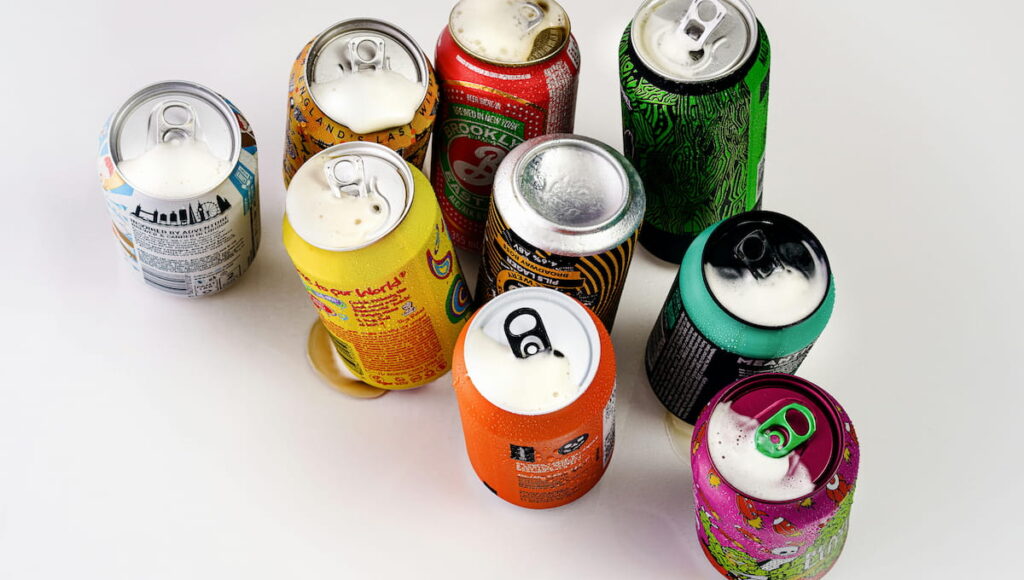
Liquid calories are one of the easiest ways to sabotage fat loss. Sugary beverages provide calories without creating much fullness. Research consistently associates sugar sweetened beverages with increased body fat and obesity risk.
Common Fat Loss Killers
• Soda
• Sweet coffee drinks
• Alcohol
• Energy drinks
• Fruit juice
• Milkshakes
Alcohol Is Especially Problematic
Alcohol impairs fat oxidation and often increases overeating. It also disrupts sleep quality and recovery. You do not necessarily need to eliminate alcohol entirely, but reducing intake can accelerate visible ab definition substantially.
Better Drink Choices
• Water
• Sparkling water
• Black coffee
• Unsweetened tea
• Zero calorie beverages
Hydration also improves workout performance and appetite regulation.
Trick 9: Eat More Fiber and Whole Foods
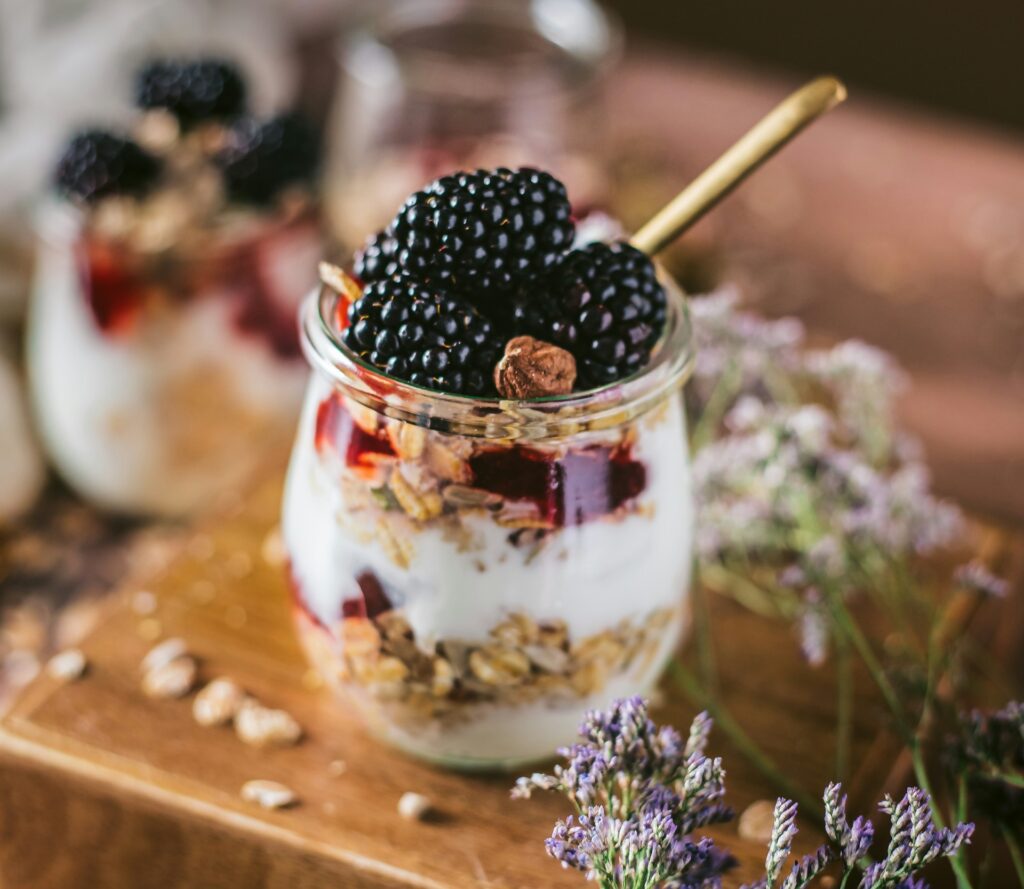
Highly processed foods are easy to overeat because they are calorie dense and less filling. Whole foods rich in fiber improve satiety and make dieting easier.
Benefits of Fiber
Research shows fiber intake helps:
• Reduce hunger
• Improve digestion
• Stabilize blood sugar
• Support healthy body weight
High Fiber Foods to Prioritize
• Vegetables
• Fruits
• Beans
• Oats
• Potatoes
• Lentils
• Whole grains
• Chia seeds
Build Meals Around Whole Foods
A simple fat loss meal structure:
• Lean protein source
• High fiber carbohydrate
• Vegetables
• Healthy fats
This combination helps control appetite while supporting training performance.
Trick 10: Be Consistent Long Enough
This may be the most important trick of all. Getting shredded lower abs takes longer than most people expect. The fitness industry often promotes unrealistic timelines and extreme transformations. Sustainable fat loss is slower but far more effective.
Why Patience Wins
Visible abs require:
• Consistent calorie control
• Regular training
• Adequate recovery
• Time
Research on long term weight management consistently shows that adherence is more important than perfection.
Avoid These Common Mistakes
• Constantly changing programs
• Extreme restriction
• Obsessive cheat meals
• Excessive cardio
• Skipping resistance training
• Unrealistic expectations
The people who reveal lower abs successfully are usually the ones who master consistency rather than intensity.
Bonus Strategy: Train Your Deep Core
The rectus abdominis gets most of the attention, but the deeper abdominal muscles also matter. The transverse abdominis acts like a natural weight belt and helps create a flatter waist appearance.
Best Deep Core Exercises
• Planks
• Side planks
• Dead bugs
• Bird dogs
• Pallof presses
• Vacuum exercises
Improving deep core strength enhances posture, stability, and abdominal control.
Nutrition Mistakes That Hide Lower Abs
Even dedicated gym goers often make dietary mistakes that prevent lower ab visibility.
Eating Healthy but Overeating Calories
Healthy foods still contain calories. Nuts, peanut butter, olive oil, smoothies, and granola can quickly push calorie intake too high.
Underestimating Portion Sizes
Research shows most people underestimate calorie intake significantly. Tracking food intake temporarily can improve awareness.
Weekend Overeating
A calorie deficit can disappear quickly after a few high calorie meals or alcohol heavy weekends. Consistency across the entire week matters.
Sample Weekly Plan for Faster Lower Ab Definition
Monday
• Full body strength training
• 10,000 steps
Tuesday
• Low intensity cardio
• Lower ab circuit
Wednesday
• Upper body strength training
• 8,000 to 12,000 steps
Thursday
• HIIT session
• Mobility work
Friday
• Lower body strength training
• Lower ab circuit
Saturday
• Walking or recreational activity
Sunday
• Rest and recovery
• Meal prep for the week
This balanced structure supports fat loss while preserving muscle and recovery.
Final Thoughts
Shredded lower abs are built through intelligent habits rather than shortcuts. There is no secret exercise that melts lower belly fat. The real formula combines:
• Sustainable calorie control
• High protein intake
• Progressive resistance training
• Strategic cardio
• Quality sleep
• Stress management
• Consistency over time
The good news is that these strategies work reliably when applied consistently. Focus on improving your overall body composition instead of obsessing over one body part. As body fat decreases and abdominal muscles strengthen, lower ab definition will gradually appearThe process requires patience, but the results are worth it.
Key Takeaways
| Strategy | Why It Works | Practical Action |
|---|---|---|
| Moderate calorie deficit | Promotes sustainable fat loss | Reduce intake by 300 to 500 calories daily |
| High protein intake | Preserves muscle and improves fullness | Eat 1.6 to 2.2 g/kg body weight daily |
| Lower ab training | Improves abdominal muscle development | Train abs 2 to 3 times weekly |
| Heavy compound lifting | Increases calorie burn and muscle retention | Focus on squats, deadlifts, presses |
| Strategic cardio | Accelerates fat loss | Combine HIIT, walking, and steady cardio |
| Better sleep | Supports hormones and recovery | Sleep 7 to 9 hours nightly |
| Stress reduction | Helps control cortisol and cravings | Practice meditation and active recovery |
| Reduce liquid calories | Prevents unnecessary calorie intake | Prioritize water and low calorie drinks |
| Increase fiber intake | Improves fullness and digestion | Eat more vegetables and whole foods |
| Long term consistency | Produces sustainable visible abs | Stay consistent for months, not days |
References
• American College of Sports Medicine. (2009) ‘Appropriate physical activity intervention strategies for weight loss and prevention of weight regain for adults’, Medicine and Science in Sports and Exercise, 41(2), pp. 459 to 471.
• Aragon, A.A., Schoenfeld, B.J., Wildman, R., Kleiner, S., VanDusseldorp, T., Taylor, L., Earnest, C.P., Arciero, P.J., Wilborn, C., Kalman, D. and Stout, J.R. (2017) ‘International society of sports nutrition position stand: diets and body composition’, Journal of the International Society of Sports Nutrition, 14(16), pp. 1 to 19.
• Bradbury, K.E., Appleby, P.N. and Key, T.J. (2014) ‘Fruit, vegetable, and fiber intake in relation to cancer risk’, American Journal of Clinical Nutrition, 100(Suppl 1), pp. 394S to 398S.