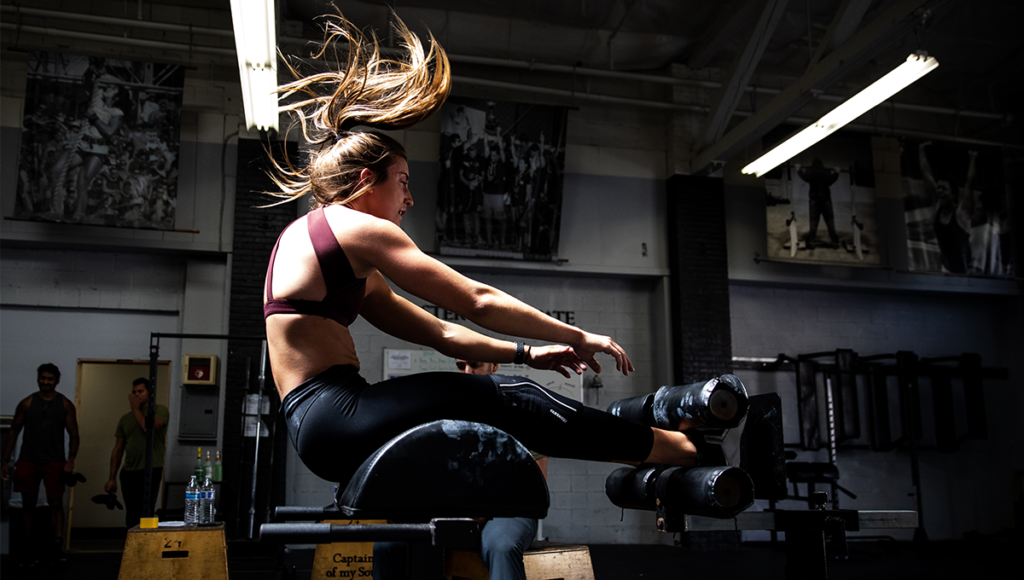
Strong lower abs are about much more than appearance. For men over 30, building strength in the lower portion of the abdominal muscles can improve athletic performance, reduce the risk of lower back pain, enhance posture, and increase stability during everyday movements. While many people believe there are exercises that isolate the lower abs, the truth is a little more interesting.
The rectus abdominis is one long muscle that runs from the ribs to the pelvis. You cannot completely isolate its lower section, but research shows that certain exercises create greater activation in the lower portion because of the way they involve hip flexion and posterior pelvic tilt. That makes exercise selection important, especially for men who want a stronger core without wasting time.



As men age, muscle mass naturally declines unless resistance training remains consistent. Body fat also becomes easier to gain and harder to lose because of hormonal and metabolic changes. That means strengthening the core should be part of a complete fitness program that includes resistance training, cardiovascular exercise, and proper nutrition.
This guide explains the best lower abs exercises for men aged 30 and older, why they work, and how to perform them safely for long term progress.
Why Lower Ab Training Matters After 30
Many men notice that their midsection changes after the age of 30. Testosterone levels slowly decline, daily activity often decreases because of work and family commitments, and recovery takes longer than it did during the twenties.
These changes do not mean that building a strong core becomes impossible. In fact, resistance training remains one of the most effective ways to preserve muscle mass, maintain function, and improve quality of life throughout adulthood.
3 Best Dead Stop Exercises for Muscular Legs
A strong core supports nearly every movement you perform. Whether you lift weights, play sports, carry groceries, or sit at a desk, the abdominal muscles stabilize the spine and transfer force between the upper and lower body. Research consistently shows that core strength contributes to improved balance, movement efficiency, and reduced injury risk.
Another important point is that visible lower abs depend primarily on body fat levels rather than endless abdominal exercises. Even the strongest abdominal muscles remain hidden beneath excess body fat. Exercise strengthens the muscles, while nutrition and total calorie balance reveal them.
Can You Really Target the Lower Abs?
The short answer is yes, but only to a degree. The rectus abdominis contracts as one muscle. However, electromyography studies have demonstrated that exercises involving leg movement, pelvic rotation, or posterior pelvic tilt often produce greater activation in the lower region compared to traditional crunches.
Exercises that emphasize controlled hip movement while maintaining spinal stability tend to recruit the lower abdominal fibers more effectively. This explains why hanging leg raises, reverse crunches, and similar movements consistently rank among the most effective abdominal exercises in scientific studies.
Instead of chasing isolation, focus on movements that maximize overall abdominal activation while emphasizing pelvic control.
The Best Lower Abs Exercises
Reverse Crunch
The reverse crunch remains one of the most effective lower abdominal exercises because it emphasizes pelvic movement rather than simply lifting the legs.
Lie on your back with your knees bent to approximately 90 degrees. Lift your feet from the floor and slowly curl your pelvis upward by pulling your knees toward your chest. Focus on rolling the hips off the floor instead of swinging your legs. Lower yourself under control before repeating.
This movement minimizes stress on the lower back while creating high activation in the rectus abdominis. It is an excellent starting point for beginners and intermediate lifters alike. Perform each repetition slowly. Momentum shifts the workload away from the abdominal muscles and toward the hip flexors.
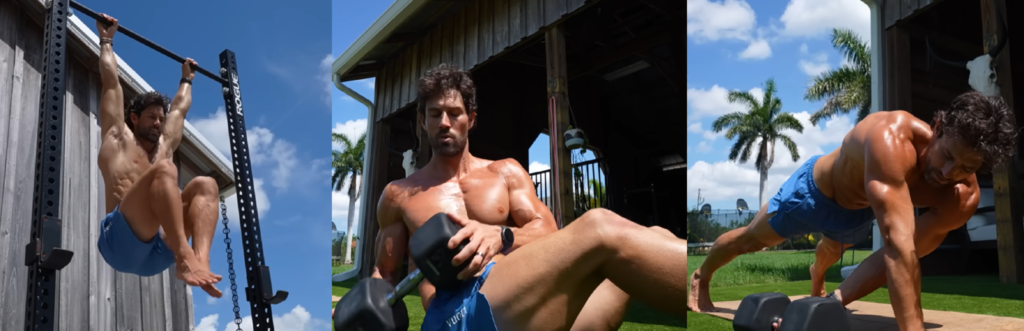
Hanging Knee Raise
The hanging knee raise combines grip strength, shoulder stability, and abdominal control into one challenging movement. Hang from a pull up bar with your legs extended. Brace your core before lifting your knees toward your chest. Pause briefly at the top before lowering your legs slowly.
The goal is not simply to raise the knees. The most effective part of the movement occurs when the pelvis rotates upward at the top of each repetition. Many beginners swing excessively during this exercise. Reducing momentum dramatically increases abdominal activation while improving movement quality.
Hanging Straight Leg Raise
Once hanging knee raises become comfortable, straight leg raises provide a greater challenge because the longer lever increases resistance. Begin from a dead hang with straight legs. Slowly lift your legs until they reach hip height or higher while keeping your body under control. Lower them without swinging.
This variation requires greater abdominal strength, hip mobility, and grip endurance. It also places a greater demand on the lower portion of the rectus abdominis. If you cannot maintain control, return to bent knee raises until sufficient strength develops.
Dead Bug
The dead bug is often overlooked because it appears simple, but it is one of the best exercises for teaching core stability.
Lie on your back with your arms extended toward the ceiling and your hips and knees bent to 90 degrees. Flatten your lower back against the floor. Slowly extend one arm and the opposite leg while maintaining spinal contact with the floor. Return to the starting position before alternating sides.

This movement teaches the abdominal muscles to stabilize the spine while the limbs move independently. Research supports its value for improving trunk stability and reducing unnecessary spinal movement. Quality matters far more than speed.
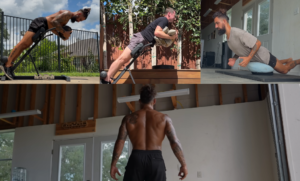
Reverse Crunch on an Incline Bench
- Adding a decline or incline bench increases the difficulty of the reverse crunch by extending the range of motion.
- Grip the bench securely above your head while lifting your knees toward your chest. Curl your pelvis upward before lowering under control.
- The increased challenge makes this an excellent progression for experienced trainees.
- Avoid using momentum or swinging the legs, which reduces muscular tension and increases stress on the lower back.
Stability Ball Pike
The stability ball pike combines anti extension core strength with dynamic movement. Begin in a push up position with your feet on top of a stability ball. Keep your legs straight while lifting your hips toward the ceiling, allowing the ball to roll toward your hands. Slowly return to the starting position.
This advanced movement challenges the rectus abdominis, transverse abdominis, shoulder stabilizers, and hip flexors simultaneously. Research has shown that instability devices can increase activation of several core muscles when used appropriately.
Mountain Climbers
Mountain climbers develop lower abdominal endurance while also raising the heart rate.
- Start in a high plank position.
- Drive one knee toward your chest before quickly switching legs while maintaining a stable torso.
- Although often treated as a conditioning exercise, mountain climbers also provide meaningful abdominal activation when performed with strict technique.
- Avoid bouncing your hips or allowing your lower back to sag.
Ab Wheel Rollout
The ab wheel rollout is among the most demanding core exercises available.
- Kneel on the floor while holding the ab wheel beneath your shoulders.
- Slowly roll forward while maintaining a neutral spine.
- Extend only as far as you can without losing control before returning to the starting position.
- Research consistently ranks the rollout among the highest abdominal activation exercises because it requires the core to resist spinal extension throughout the movement.
- Beginners should begin with partial repetitions before progressing to greater distances.
Common Mistakes That Limit Results
Many men train their abs every day with little progress because they repeat the same mistakes. The most common error is relying on momentum. Swinging the legs during raises or rushing through repetitions dramatically reduces muscular tension.
Another mistake is neglecting progressive overload. Like every other muscle group, the abdominal muscles adapt to training. Increase difficulty gradually by adding repetitions, slowing the tempo, increasing range of motion, or progressing to more advanced variations. Poor breathing is another overlooked issue. Exhaling during the hardest part of each repetition helps improve abdominal engagement and trunk stability.
Finally, many people overlook recovery. The abdominal muscles respond to training just like the chest or legs. They require sufficient recovery between challenging sessions to grow stronger.
The Importance of Full Core Training

Although this article focuses on lower abs, the best results come from training the entire core.
The transverse abdominis acts as a natural weight belt that stabilizes the spine. The internal and external obliques contribute to rotation, anti rotation, and lateral stability. The lower back muscles work together with the abdominal wall to create a stable trunk.
A balanced core program improves lifting performance, athletic ability, posture, and resilience against injury.
Instead of performing endless crunches, combine lower abdominal exercises with anti rotation movements, side planks, loaded carries, and compound strength exercises such as squats and deadlifts.
Final Thoughts
Building stronger lower abs after the age of 30 is completely achievable with the right approach. Success comes from selecting exercises that emphasize controlled pelvic movement, progressively increasing training difficulty, and supporting your efforts with sound nutrition and recovery.
Reverse crunches, hanging leg raises, dead bugs, stability ball pikes, mountain climbers, and ab wheel rollouts all have strong scientific support for activating the abdominal muscles. Combined with full body resistance training and healthy eating habits, these exercises help improve strength, stability, posture, and athletic performance.
Remember that visible lower abs are earned through both training and body fat management. Focus on consistency instead of shortcuts, and your core will become stronger, more functional, and more resilient for years to come.
Key Takeaways
| Topic | Key Takeaway |
|---|---|
| Lower abs | They cannot be completely isolated, but certain exercises emphasize their activation more effectively. |
| Best exercises | Reverse crunches, hanging knee raises, hanging straight leg raises, dead bugs, incline reverse crunches, stability ball pikes, mountain climbers, and ab wheel rollouts provide excellent results. |
| Training frequency | Train the core two to three times per week with progressive overload. |
| Technique | Slow, controlled repetitions produce greater muscle activation than using momentum. |
| Fat loss | Visible abs depend primarily on reducing overall body fat through nutrition and consistent training. |
| Recovery | Adequate rest supports muscle growth and long term progress, especially after age 30. |
| Overall health | Strong core muscles improve posture, athletic performance, spinal stability, and everyday movement quality. |
References
- Akuthota, V. and Nadler, S.F. (2004) ‘Core strengthening’, Archives of Physical Medicine and Rehabilitation, 85(Suppl. 1), pp. S86 to S92.
- American College of Sports Medicine (2022) ACSM’s Guidelines for Exercise Testing and Prescription. 11th edn. Philadelphia: Wolters Kluwer.
- Behm, D.G., Drinkwater, E.J., Willardson, J.M. and Cowley, P.M. (2010) ‘Canadian Society for Exercise Physiology position stand. The use of instability to train the core in athletic and non athletic conditioning’, Applied Physiology, Nutrition, and Metabolism, 35(1), pp. 109 to 112.
- Clark, M.A., Lucett, S.C. and Sutton, B.G. (2018) NASM Essentials of Personal Fitness Training. 6th edn. Burlington: Jones and Bartlett Learning.
- Escamilla, R.F., Lewis, C., Bell, D., Bramblet, G., Daffron, J., Lambert, S., Pecson, A., Imamura, R., Paulos, L. and Andrews, J.R. (2010) ‘Core muscle activation during Swiss ball and traditional abdominal exercises’, Journal of Orthopaedic and Sports Physical Therapy, 40(5), pp. 265 to 276.
- Hibbs, A.E., Thompson, K.G., French, D., Wrigley, A. and Spears, I. (2008) ‘Optimizing performance by improving core stability and core strength’, Sports Medicine, 38(12), pp. 995 to 1008.
- Schoenfeld, B.J. (2010) ‘The mechanisms of muscle hypertrophy and their application to resistance training’, Journal of Strength and Conditioning Research, 24(10), pp. 2857 to 2872.